renseignements supplémentaires
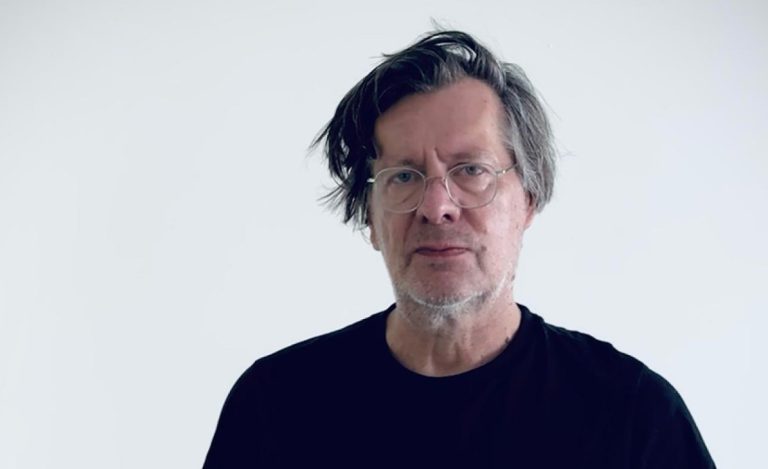
Maître et visionnaire de la musique ambient expérimentale, Christian Fennesz interprétera son célèbre album Endless Summer, qui lui valut une reconnaissance internationale en 2001. Quasi cinématographique, cette fresque de sons se transformera tout naturellement en un événement multimédia immersif, en direct à la Maison symphonique, série X/Visions, le samedi 29 août.
Fennesz sera accompagné de son ami et collègue Lillevan, artiste multimédia de renommée internationale. Depuis 25 ans, cet « été » de Fennesz est bel et bien sans fin, sa magie et sa sensualité se prolongent à Montréal à travers de nouvelles formes, sans toutefois s’éloigner de l’essence même de cet enregistrement fondateur.
Depuis le début des années 1990, le musicien autrichien s’est consacré à la guitare en s’appuyant sur une connaissance approfondie de l’harmonie et de la mélodie, associée à une large gamme de pédales. En effet, Fennesz a imaginé une fusion singulière entre son jeu de guitare et le traitement électronique du son, qu’il soit analogique ou numérique. Il a exploré bien au-delà de la musique ambient telle que nous l’imaginons ; son univers sonore s’est également enrichi de bruit et de drones, devenant ainsi absolument unique.
Fennesz a repensé la guitare électrique via le traitement électronique, mais la mélodie et l’harmonie guitaristiques sont restées le fondement de son univers sonore, entouré de saturation, de bruitisme et de drone.
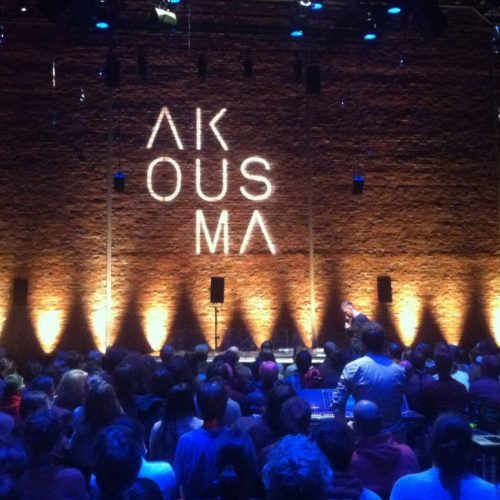
Pour aborder tous ces aspects de sa fabuleuse musique, Alain Brunet l’a contacté à Vienne, avant son concert à Montréal dans le contexte du festival MUTEK – dont la série X/Visions est présentée avec le festival Akousma.
PAN M 360 : Vous allez donc présenter cette réinterprétation d’Endless Summer avec Lillevan, qui est un réalisateur et vidéaste de renom. Et je suis sûr que vous ne la jouerez pas de la même manière qu’il y a 25 ans. Ai-je raison ?
Christian Fennesz : Oui, c’est exact. J’ai tout de même essayé de conserver le cœur de l’œuvre, l’essence même de l’album. Mais le problème, c’est que de nombreux éléments de ce travail n’étaient plus disponibles, ils avaient été perdus, certaines séances avaient disparu. J’ai donc dû les recréer d’une manière ou d’une autre. Pas tout, mais certaines parties. Et pendant que je procédais aux changements, j’essayais de conserver le son d’origine, tout en ajoutant quelque chose qui sonne un peu plus « 2026 », sans pour autant le modifier, sans changer l’atmosphère ni le style général. Et ça sonnait tout simplement mieux sur mes nouveaux systèmes quand j’utilisais des outils modernes, de nouveaux plugins et ce genre de choses.
PAN M 360 : Oui, c’est intéressant de revisiter un album qui a connu un grand succès. Endless Summer vous a valu une reconnaissance internationale à l’époque, et depuis, vous évoluez à travers de nombreux circuits musicaux, tout en vous appuyant sur le même socle.
Christian Fennesz : Oui. Bien sûr, les choses ont changé. À l’époque, j’ai commencé à explorer la musique assistée par ordinateur avec ma guitare, en associant des outils numériques à ma guitare et aux pédales d’effet que j’utilise. Depuis, le matériel et les équipements ont énormément évolué, la musique électronique a énormément évolué. Il y a tellement de possibilités aujourd’hui que ça deviet même parfois un problème ! Je dispose donc de centaines de plugins, mais… parfois je n’utilise que les quatre ou cinq mêmes, car il y a trop de choix. Il est donc très important de trouver quelques outils avec lesquels on se sent parfaitement à l’aise, et qui peuvent vraiment aider à développer sa musique. Sinon, on finit par se perdre. Et je pense que c’est le principal problème aujourd’hui. Et bien sûr, ça a été pareil pour moi. Je veux dire, j’aurais emprunter tellement de directions différentes.
PAN M 360 : Plus précisément, qu’est-ce qui a changé depuis Endless Summer ?
Christian Fennesz : Au final, c’est resté plus ou moins pareil, ça s’est affiné au fil du temps. Il y a plus de basses, par exemple. Et oui, pour cette réinterprétation, les nouveaux outils m’ont été très utiles. Mais au fond, ça n’a pas tellement changé. En gros, on est ce qu’on est, et on essaie de s’améliorer.
PAN M 360 : Aucun artiste ne peut changer les fondements de sa personnalité artistique, effectivement. Ça vient de l’inconscient, chacun a sa manière d’exprimer cette personnalité qui lui est propre. Cela dit, peux-tu mettre le doigt sur certains éléments de l’évolution de l’artiste ?
Christian Fennesz : Je peux aussi citer d’autres exemples. J’utilise beaucoup plus les synthétiseurs ces derniers temps, car ce sont pour moi des outils très intéressants. Bien sûr, il y a cette scène des synthétiseurs modulaires, mais il se passe aussi beaucoup de choses du côté des synthétiseurs numériques.
PAN M 360 : Vous n’êtes donc pas un puriste, vous explorez les deux univers électroniques, le numérique et l’analogique, n’est-ce pas ?
Christian Fennesz : Oui, j’utilise les deux. Mais j’essaie de rester simple, presque minimaliste en quelque sorte. Tu vois, je veux toujours pouvoir voyager avec un studio, ou du moins avec une sorte de studio, pour pouvoir produire en tournée. C’est très important pour moi. J’ai beaucoup réduit mon matériel au fil des années ; j’avais tellement de trucs, j’avais un très grand studio d’enregistrement, un studio traditionnel. Aujourd’hui, il ne me reste plus qu’une table avec quelques éléments indispensables, et je me sens bien plus à l’aise ainsi. Oui, pour l’instant, je cherche surtout à réduire mon équipement plutôt qu’à l’agrandir.
PAN M 360 : C’est aussi une preuve de maturité. Quand un artiste prend de l’âge et de l’expérience, l’étape suivante consiste à essayer de donner une apparence de simplicité à son travail.
Christian Fennesz : Oui, apparemment simple, c’est vrai. Je pense avoir développé une sorte de langage musical qui m’est propre. Et ce que je fais, c’est de le rendre plus… je ne sais pas… en tout cas pour moi, de le rendre plus parfait, plus… saisissant, plus intéressant à mes yeux. Et ce que je fais, c’est de me débarrasser de tout ce qui n’est pas nécessaire. J’utilise beaucoup plus les synthétiseurs ces derniers temps, car ce sont des outils très intéressants. Bien sûr, il y a la scène des synthétiseurs modulaires, mais il se passe aussi beaucoup de choses du côté des synthétiseurs numériques en ce moment.
PAN M 360 : Alors, que va-t-il se passer à Montréal ? On sait bien sûr que ce sera une expérience audiovisuelle immersive au MUTEK. Parlez-nous de l’histoire de votre collaboration avec Lillevan et de la manière dont elle transforme Endless Summer.
Christian Fennesz : Je travaille avec Lillevan, par intermittence, depuis de nombreuses années. Mais j’ai reçu une proposition du Bozar, à Bruxelles, pour interpréter l’intégralité de la musique d’Endless Summer en juin dernier. Nous l’avons joué pour la première fois là-bas, ce sera la deuxième à Montréal. Lillevan, qui est basé à Berlin, a un immense écran avec lequel travailler. Il a préparé certaines parties, mais il est aussi un excellent improvisateur. Le spectacle ne sera donc pas identique au précédent. Il faut imaginer que Lillevan travaille comme un musicien avec son matériel visuel. Et il nous offre une excellente combinaison, je trouve. Il est très souple, il peut réagir très vite.
PAN M 360 : Pouvez-vous nous donner quelques éléments sur les aspects visuels de ce concert immersif ? Comment s’intègrent-ils à votre œuvre ?
Christian Fennesz : Eh bien, cela repose souvent sur les couleurs. Il aime le même genre de couleurs que moi pour cette musique : il y a beaucoup d’orange, beaucoup de vert, par exemple. Et ce qui est formidable chez Lillevan, c’est qu’il peut être totalement riche en images et, en même temps, très minimaliste. J’aime ces changements qu’il est capable d’opérer en quelques secondes, qui peuvent transformer radicalement l’atmosphère. Tout comme la musique peut le faire, les visuels le peuvent aussi.
C’est donc une sorte de jeu en commun en continu. C’est comme jouer avec un musicien.
PAN M 360 : Du regretté Ryuichi Sakamoto à David Sylvian ou Lillevan, pour ne nommer que ceux-là, de la musique ambient apaisante aux sons violents, vous vous êtes toujours impliqué dans différents types d’interprétations et d’approches.
Christian Fennesz : Oui, ça m’intéresse toujours, car j’y trouve une sorte de mélancolie et de beauté au sein de tout ce chaos et de tout ce bruit. Et j’entends toujours une mélodie ou une suite de mélodies, j’entends toujours les accords d’une manière ou d’une autre au sein d’un morceau de bruit. Et une fois que j’ai saisi cela, je peux créer une composition.
PAN M 360 : Pourquoi la guitare reste-t-elle si importante ? Aujourd’hui, vous pourriez produire des sons comparables aux tiens sans guitare, sans pédalier, mais uniquement avec des synthétiseurs ou d’autres logiciels numériques. Alors, pourquoi conservez-vous la guitare ?
Christian Fennesz : Parce que c’est mon premier instrument. Et c’est l’instrument avec lequel je me sens toujours le mieux, celui qui me donne en quelque sorte un ancrage. C’est quelque chose entre mes mains qui me relie à la terre! Du moins, c’est le sentiment que j’en ai. Mais bien sûr, je pourrais tout faire aussi bien avec des outils numériques ou des synthétiseurs. Mais je crois sincèrement qu’il y a toujours, au niveau du son, une petite différence avec la guitare, car elle n’est pas aussi précise que l’électronique. Du moins, quand je joue de la guitare, ce n’est jamais aussi précis que lorsqu’on enregistre un synthétiseur. Il y a toujours un petit écart entre les notes.Ce n’est pas joué de manière très rigide, ni super précise. C’est cette petite touche, je ne sais pas, presque punk-rock ou blues, appelez ça comme vous voulez.
PAN M 360 : Bien sûr, quand vous avez commencé à jouer de la guitare, vous vous intéressiez au blues, au rock et au jazz, n’est-ce pas ?
Christian Fennesz : Oui. Et je suis toujours guitariste. C’est la réponse la plus simple à votre question.
PAN M 360 : Ce que vous dites est tout à fait vrai : ça reste du jeu de guitare. Même si on est ailleurs, ça reste de la guitare.
Christian Fennesz : Oui, c’est vrai. En même temps, je m’intéresse beaucoup, beaucoup à la musique électronique. Je continue à faire ce que j’ai toujours fait : essayer de réunir ces deux mondes, la musique électronique et la guitare.
PAN M 360 : Collaborez-vous toujours avecavec Peter Rehberg et Jim O’Rourke sur ce formidable projet Van O’Berg, qui a donné lieu à la sortie de quatre albums ?
Christian Fennesz : Eh bien, récemment, j’ai repris la route avec Jim O’Rourke. Oui, on a joué en Belgique, puis on a fait une petite tournée en Italie, ce qui était très sympa, juste tous les deux. On a aussi donné deux concerts avec sa compagne, Eiko Ishibashi. Je n’ai pas d’autres collaborations prévues pour l’instant.
PAN M 360 : On peut dire que vous êtes avant tout un artiste solo ?
Christian Fennesz : Oui, mais j’aime bien collaborer de temps en temps parce que je me sens tout simplement trop seul en tant qu’artiste solo. J’ai besoin de rencontrer des gens et d’autres musiciens, et d’échanger avec eux.
PAN M 360 : Un ami proche vous a vu en concert à Venise au printemps dernier. Vous avez rejoué votre album Venice (2014), comme de raison…
Christian Fennesz : Exactement. C’était une nouvelle invitation à jouer un autre album dans son intégralité. C’était génial.
PAN M 360 : Vous avez été l’un des pionniers de cette approche mélodique mêlant ambient, drone et noise, à l’instar de Richard Pinhas ou Julien Desprez, par exemple.
Christian Fennesz : Probablement… Je n’y pense pas vraiment… Je viens d’ailleurs de revoir Oren Ambarchi après une longue période, nous avons joué ensemble. Nous avons partagé la même affiche en Italie. Toute cette communauté de la musique ambient noise, drone se croise sur différentes scènes du circuit international. Plus récemment, je trouve formidable la musique de Caterina Barbieri, je la croise parfois. Je ne citerai pas tous les noms de mes estimés collègues, j’en oublierais certainement. Enfin… je suis toujours à l’écoute de la musique de mes collègues lorsque je tourne, j’essaie de les rencontrer autant que possible.
PAN M 360 : Écoutez-vous beaucoup de musique du même genre que la vôtre ?
Christian Fennez : Pas vraiment, pour être honnête. Je préfère écouter un album de Miles Davis ou assister à un concert de Jean-Sébastien Bach.
PAN M 360 : C’est tout à fait logique, sachant que vous vivez à Vienne, véritable capitale de la musique classique.
Christian Fennez : Exactement. Vous savez, écouter de manière intensive de la musique dans mon propre domaine me rend un peu nerveux, haha ! J’essaie donc de l’éviter autant que possible, sauf si je joue dans un festival et qu’une personne que je connais se produit également ; c’est toujours fascinant de les voir sur scène, vous voyez. Parce que parfois, je me dis : « Oh mon Dieu, cette personne a beaucoup mieux compris ce logiciel que moi ! »
PAN M 360 : Ce qui est également intéressant dans votre musique, c’est que vous revenez toujours aux mélodies et aux accords tonaux/modaux, et que vous intégrez cela dans une musique atonale, du bruit ou du drone. Il y a donc un lien entre votre passé et votre présent.
Christian Fennesz : Oui, parce que j’aime ces deux univers. Encore une fois, la réponse est très simple !
PAN M 360 : Votre dernier album, Mosaic, est sorti en 2024. Travaillez-vous donc sur un nouvel opus ?
Christian Fennesz : Oui. C’est pour cela que je ne fais aucune collaboration pour le moment, je veux vraiment me concentrer sur ma nouvelle musique après ça.
PAN M 360 : Lorsque vous composez, cherchez-vous à vous renouveler ou laissez-vous simplement les choses venir, en espérant que quelque chose se passe ?
Christian Fennesz : Je laisse les choses venir naturellement. Je suis très heureux quand quelque chose se produit. Je n’ai pas réfléchi à un concept au préalable, donc je suis content quand un concept émerge. Je peux alors commencer à construire quelque chose. C’est plutôt une question de trouver le rythme, le « flow ». C’est ce qui compte le plus.