Additional Information
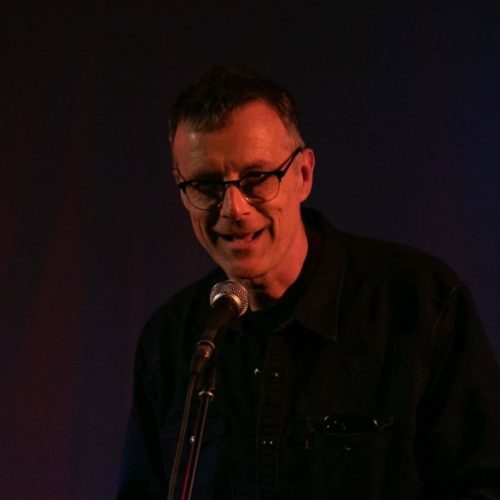
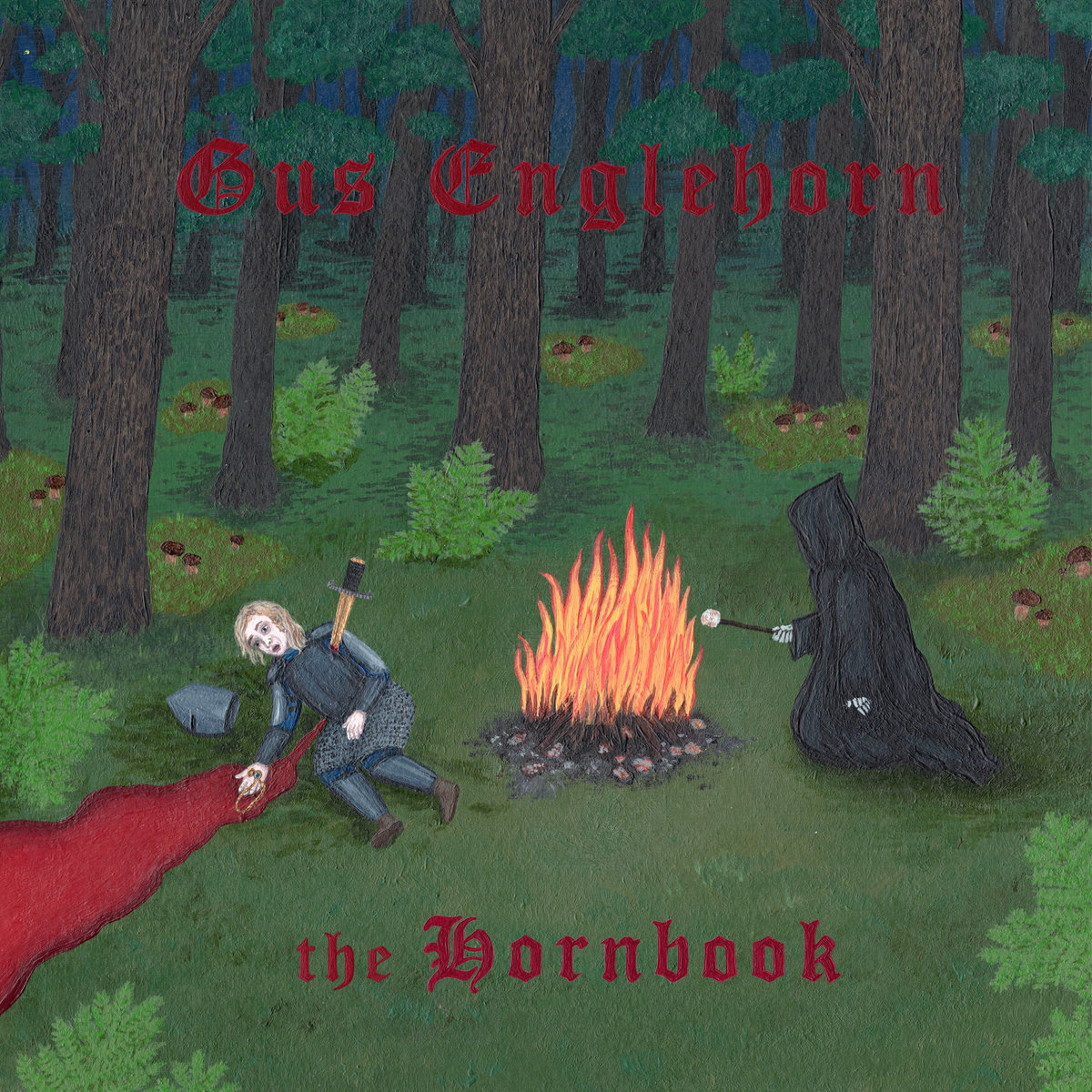
Ahead of his headlining Taverne Tour show, we quickly spoke to Gus Englehorn about his latest full-length album, The Hornbook. Building off of his whimsical garage rock tales found in the albums Dungeon Master, and Death & Transfiguration, The Hornbook is filled with stories about knights, ghosts, forlorn lovers, and other wacky goblins—all derived from Gus’ childlike imagination. Along with his songwriting/drumming/bandmate/life partner, Estée Preda, Gus has also dropped a treasure trove of DIY film music videos to follow The Hornbook. Catch these tales live at L’Escogriffe at 7 pm on Feb 6 with Gus Englehorn supported by Motherhood, and Gondola.
Until then, check out our interview with Gus below.
PAN M 360: What inspired these stories in The Hornbook?
Gus Englehorn: Many things! My dad’s name is Roderick, my brother was in the NYT for metal detecting, my mom has one eye and wears an eye patch (just kidding about that one). It’s only after the songs are about 80% completed that I usually start to get hints about their meanings, which I always assign afterward.
PAN M 360: Your songs always have these wacky, whimsical characters like One Eyed Jack, Roderick of the Vale, and Sweet Marie; do you find it easier to write with a visual character in mind?
Gus Englehorn: I never approach things straight on. Usually, I’m just playing whatever riff is the main riff of the song, and before I know it, words are coming out of my mouth. Just sounds at first. And then after a couple hundred hours, the sounds become words and the words turn themselves into stories.
PAN M 360: And “Sweet Marie” is inspired by a painting?
Gus Englehorn: Two of the songs on the record are inspired by paintings. Sweet Marie and The Whirlwind’s Speaking. Sweet Marie was inspired by a painting I found in a barn. I hung it up in my apartment and I would stare at it as I sat on the couch and played guitar. Eventually, a murder mystery emerged from the fog.
PAN M 360: Why did you call the album, The Hornbook?
Gus Englehorn: I thought of it as my ”Fables de La Fontaine’’. I thought to myself, if I was ever to write a children’s book, what would I call it? And I thought The Hornbook had a nice ring to it. Also, a hornbook was an educational tool for children from medieval times that they used to break over each other’s heads on the playgrounds. They were shaped like a wooden paddle and they usually had written upon them the alphabet, numbers, and a short Bible verse.
PAN M 360: Did you dive into old medieval folk songs at all while writing this one?
Gus Englehorn: I dove into Scarborough Fair, a medieval poem and some medieval French music while driving through the French countryside while starring at the castles and the green pastures.
PAN M 360: You have a huge visual side to your music with the low-budget film music videos. Can you talk about the process of making these videos? Maybe specifically the newest one, “The Itch”
Gus Englehorn: It all started when I read The Barebones Camera Guide, a really amazing book first published in the 80s that has a lot of amazing information about storyboarding, shooting sequences, and working with film in particular. Then I read another book called Lighting For Film. And then we were off to the races. I first start with a big brainstorm with Estée. Then we storyboard it all out as detailed as we can and then by the time we get to shooting we stick to that storyboard pretty closely most of the time. It really is a thrilling experience to pick up a guitar and start playing around with it and eventually to have a song emerge from the nether regions of yourself and for that song to then take on a visual form. Luckily in my case, my songs work pretty well as little scripts.
PAN M 360: Gus Englehorn is you, but is he also a sort of persona on stage?
Gus Englehorn: I think deep down it’s just little old me but that doesn’t mean that I’m not affecting things to get the story across. I’m just excited about trying new things and I love the feeling that art gives you, sort of like waiting through an ocean of possibilities, different ways of singing, and playing, and dressing, and moving, and filming and it goes on and on until infinity.
PAN M 360: Can you talk about your lyrical process, I always find your songs very easy to sing along with because of their use of rhymes. Kind of like a children’s book?
Gus Englehorn: Much like Jay-Z, I actually don’t write down any lyrics anymore. I just come up with them all off the top of my head as I play the guitar. But lyrics are most certainly my favorite part of the process. I don’t always feel like they’re under my control, they kind of just emerge from the murkiness of my subconsciousness and usually, I’m not happy until they tell a story that is easy to follow while retaining an element of mystery that leaves something up for interpretation.
PAN M 360: How do you measure success as an indie artist?
Gus Englehorn: Definitely still trying to piece that one together. But I have noticed that the more I focus on art and all its endless dimensions the more deeply enamored with it I become and the less commercial success seems to matter.
PAN M 360: What can we expect for the Taverne Tour show?
Gus Englehorn: The unexpected. Just kidding, just a really rusty, half a band, having a really good time playing.