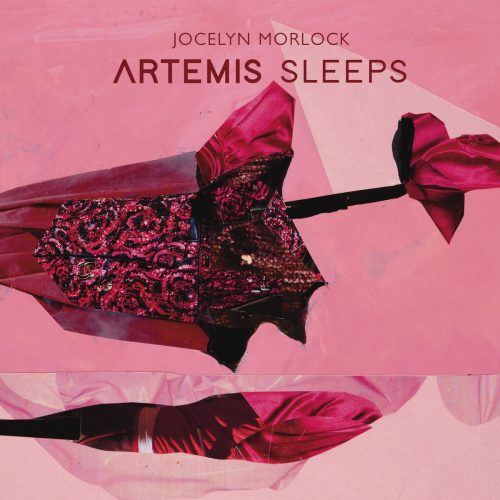
The beauty, intelligence, and allure of Jocelyn Morlock’s music (1969-2023) never cease to amaze me each time I encounter it. The Vancouverite, who passed away far too young at 53 in 2023, conquered the world of contemporary music creation with her artistic universe that brilliantly blends the demands of contemporary music with a lyricism and a deeply authentic attachment to sonic beauty.
The Vancouver label, Redshift Records, offers us here a first retrospective (there will be others, we are told) dedicated to chamber works that make extensive use of the flute, one of Morlock’s favourite instruments.
We are constantly enchanted by the interplay of colours, timbres, and textures in this music, which is both contemporary and deeply inspired by alluring worlds like those of Scriabin, Barber, Koechlin, etc.
Salamander evokes the well-known animal, in a serpentine manner. The weaving of flute voices (an octet formed of piccolos, conventional flutes, alto flutes, and bass flutes) creates a sound tapestry imbued with smoothness, complexity, and even a touch of enchantment (the salamander had an esoteric connotation in the Middle Ages).
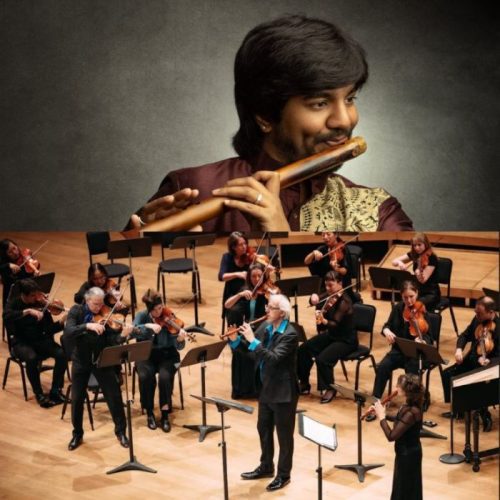
Velour is a series of variations for solo alto flute. Morlock uses some elements of extended techniques, such as frullato, but in a friendly manner, without sonic aggression. On the contrary, Morlock lets the flute sing, through the nuanced playing of Mark Takeshi McGregor. The naturally mellow sound of the alto flute also contributes to making the whole experience very pleasant. I love the alto flute!
In Forgiveness, Morlock adds to McGregor’s flute a guitar (Adrian Verdejo) and the voice of soprano Sarah Jo Kirsch. A powerful lyricism, tinged with nostalgia, emanates from the writing, where the delicacy of the composition meets the strength of expression. The lines of the three instruments intertwine with dexterity, but also with a great deal of elegance.
Vespertine is an enchanting tribute to the night and the creatures that move gently, slowly within it. For flute and harp, an intuitive combination, the piece unfolds slowly, with caress and tenderness, before becoming more dynamic, in an interweaving of delicate details. Magical.
Artemis Sleeps, also the title of the album, reflects the composer’s sustained interest in the world of Greek mythology, and especially the symbolic, expressive, and even spiritual possibilities associated with it. This piece does indeed have something of Debussy’s Syrinx, with contemporary extended techniques added on. Once again, Morlock does not let the experimental side of these avant-garde gestures take precedence over the aesthetic beauty of the music.
Unfurl is the most substantial piece in the program, with nearly 22 minutes. A true gem of chamber music for a wind quintet. Based on a poem by John O’Donoghue, and especially the phrase Unfurl yourself into the grace of beginning, Morlock has constructed a long symbolic discourse on transformation. One can sense a metamorphosis leading to renewal, a progression, like that of a butterfly, from larva to the ultimate stage of elegance. But transformation also means certain inconveniences, episodes of clumsiness, frictions, and imbalance. Dissonances and luminous harmonies sketch a panorama rich in emotions and impressions. Magnificent.
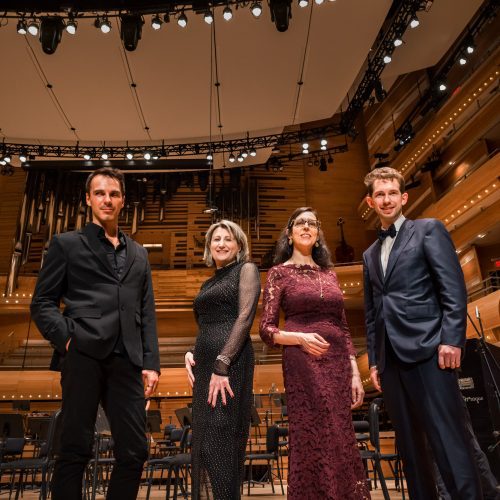
Every musician is excellent, especially Mark Takeshi McGregor, long-time friend of Morlock’s. He evidently shared the composer’s views and spirit of music-making. Added to a masterful control of his instrument, he is an ideal ambassador for Jocelyn Morlock long-lasting memory.
There are plenty of reasons to be happy, especially knowing that Redshift Records intends to offer us more retrospectives of the composer in the coming years.
An album that powerfully demonstrates Jocelyn Morlock’s exceptional contribution to new music in Canada.