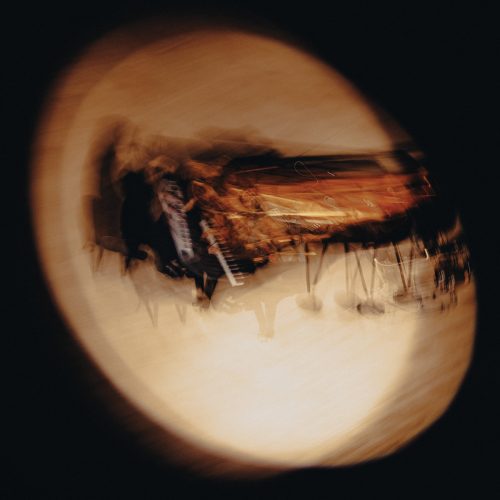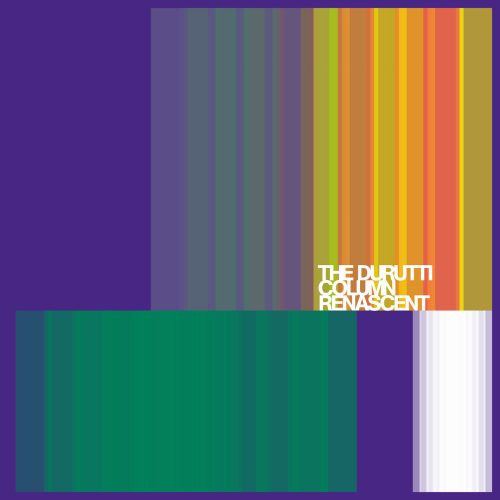
Renascent‘s been out a few weeks now, and I still don’t quite know what to do with the quiet it leaves behind. That’s the thing about Vini Reilly—his music never really hits you over the head; he just keeps turning the volume down on the world until all you hear is that clean, wounded guitar tone circling itself like a moth that’s given up trying to get anywhere near a flame.
This is the band’s 28th album, and their first collection of new material since 2010’s A Paean to Wilson — which means Reilly’s been quiet, by his standards, for the better part of two decades, which is fair. I think he’s 73 now? We did see him appear and most likely become known to a younger audience with the sample of “Sing to Me” on Blood Orange’s latest album, Essex Honey.
Still, this post-punk instrumental guru has been elsewhere and plagued by a series of strokes. A couple of years back, more or less, he told a journalist that he’d carried on after the strokes, but never got back to where he’d been. That’s a man being honest about his diminishment. And I bring it up not to make this record a sympathy card, but because Renascent doesn’t sound like diminishment. It sounds like someone who found a way to keep making the thing he wants to make with whatever hands he had left, in informal sessions, some of them in his own kitchen, with barely any studio equipment involved.
Factory Records gets flattened in the retelling into one that one Manchester sound — The Hacienda, The Mondays, the doom of Joy Division — and The Durutti Column, who always sat apart from all of it as this other thing entirely, all reverb and restraint where everyone else was noise or nihilism. That’s the legacy Renascent is quietly and unfussily extending. Bruce Mitchell’s still on drums, Keir Stewart’s still shaping the sound around him, and now there’s Caoilfhionn Rose’s voice drifting through “Agonistes” like someone singing to Reilly rather than with him,
The record doesn’t reach for anything. “Sargasso Sea” and “Scammer” are the tracks where the old physicality creeps back in under all that atmosphere, guitar lines that still remember how to walk even if they’re walking slower now. Elsewhere it’s mostly washes and piano and space, and if you came up on the early records, you’ll clock immediately that this isn’t a young man’s record pretending otherwise. It’s better than that. It knows what it is and what it needs to be. Call it Renascent because that’s the word for rebirth, and I won’t argue with the label on this one — it’s earned.