Additional Information
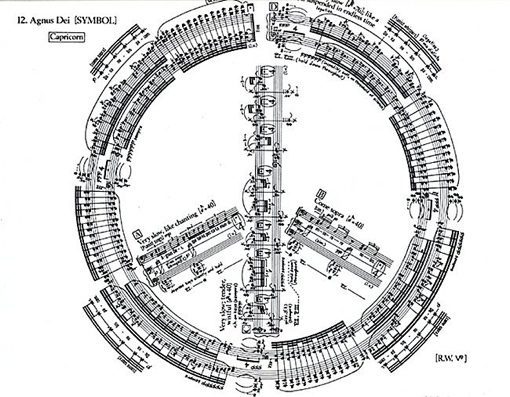
Composer George Crumb (1929-2022) was an iconoclast, a kind of UFO in the world of music. Somewhere between Henry Cowell and Ligeti, he was one of that breed of composers who knew how to be both avant-garde and appealing because of their deeply expressive approach to creative music. Where others would only do the bizarre for the lucky few who already thought the way they did, Crumb used sonic and interpretive innovations (such as his graphic scores in the form of spirals or Peace symbols) to create sound worlds in which music lovers could immerse themselves and feel a flood of emotions and sensations. In other words, he was a composer of the heart before he was a composer of the brain.
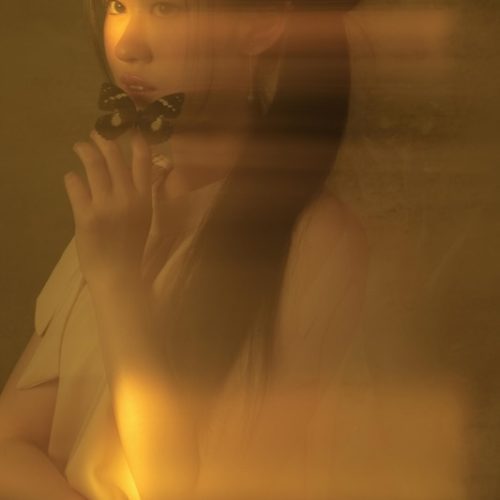
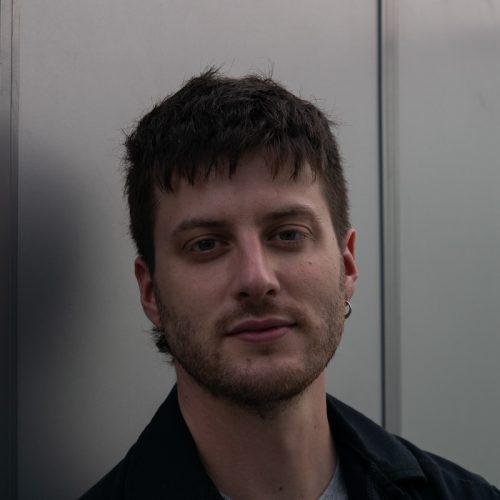
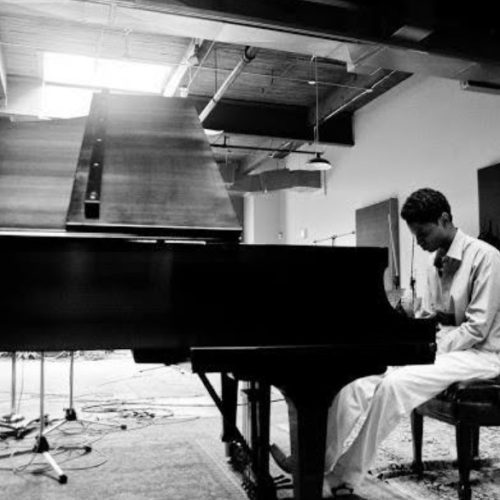
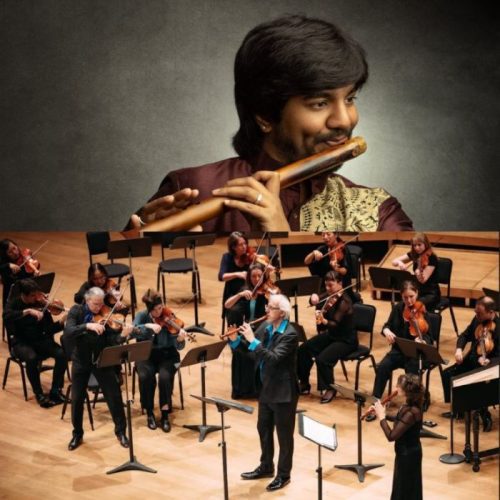
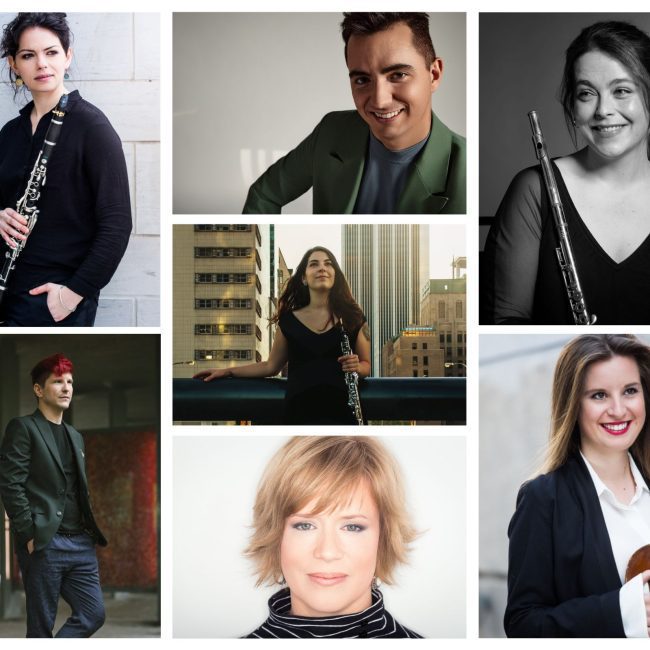
This Thursday, July 20, at the Festival de Lanaudière, we’ll be paying tribute to this exceptional creator, who is still under-performed on our stages. For the occasion, an ad hoc ensemble made up of Maude Paradis, mezzo-soprano, Olivier Hébert-Bouchard, piano, Diane Bayard, violin, Stéphane Tétreault, cello, Alex Huyghebaert, flute, Mélissa Tremblay, oboe and Charlotte Layec, clarinet, will perform a concert musically choreographed to create a narrative and dramatic framework linked to Crumb’s music, but also to that of composers from whom he drew inspiration, or even quoted.
PAN M 360 spoke to cellist Stéphane Tétreault about this concert.
PAN M 360: Hello Stéphane. What makes George Crumb’s music so special and interesting?
Stéphane Tétreault: Its originality, but also its surprising beauty. You don’t expect that when you look at his scores, which are so precise, so elaborate, almost scientific. But everything is designed to make the music attractive and remarkably expressive. Oh, not in the sense of easy melodies with mellow harmonies, but rather a transcendent, enigmatic and sometimes dreamlike beauty. It’s all about mystery. And certainly not in a cerebral, cold, mechanical way. It’s not dodecaphony or detached, formalist serialism. It’s about direct communication with the listener.
PAN M 360: People often talk about Crumb’s graphic scores. I put myself in the shoes of the layman, unaccustomed to contemporary music: what’s the point? Does it really influence the final result? Can you hear the difference?
Stéphane Tétreault: That’s a good question, of course. I think it does. Take, for example, a score like Makrokosmos, in the shape of a circle with central bars (a Peace symbol). It conveys an idea of infinity, of the continuation and fluidity of lines that you end up wanting to recreate in concert. In the end, perhaps we’re more successful in doing this than simply using words like Fluid written above the scores. As performers, we’re inspired by it in one way or another. And, in the end, it serves the music.
PAN M 360: What will you be playing?
Stéphane Tétreault: It will be a panorama of his production, conceived in a logical and thematic sequence by Olivier Hébert-Bouchard. There will be excerpts from Vox Balaenae, the Sonata for solo cello, Makrokosmos, Night of the Four Moons and lots of other things, but interspersed with excerpts from pieces by Chopin, Strauss and Bach. Crumb was strongly influenced by these composers of the past. The “scenario” of the concert, with no intermission, is based on the theme of death, a subject that was very much on Crumb’s mind. But not morbid death, no. Rather, death as transcendence, as hope for something else, perhaps, regardless of one’s beliefs. Death as a vector of the positive, of beauty. Beauty, once again.
PAN M 360: What can curious music lovers expect from the concert?
Stéphane Tétreault: I think people will be spellbound by this universe. Crumb is a creator of unique and captivating worlds, like Ligeti or Claude Vivier.
PAN M 360: He passed away last year. What legacy do you think he left to music?
Stéphane Tétreault: Two things. Firstly, a radical innovation in musical practice, and secondly, a warm, human side to contemporary music. Yes, it’s a demanding form of music, requiring concentration and investment of attention on the part of music lovers, but in return, it offers them deeply moving experiences.