A crucial work by the late Polish composer Krzysztof Penderecki (1933-2020), the St. Luke Passion was performed by the MSO as the season opener at the Festival de Lanaudière, and then a few days later in Krakow and Salzburg, under the direction of Kent Nagano. Penderecki was unequivocally delighted: “It was fantastic. His direction seemed to me very classical, very clean and not very dramatic. I really appreciated this very lyrical direction,” he told me in an interview the day after the European concerts, given in his presence. This is precisely what some might reproach: the relative clarity and tenacity of the drama. This is precisely what a conductor must do, with a work of this scale: give it a distinct style while respecting the score. Yet such a contemporary work, imagined in the mid-1960s despite its sacred character and the Christian faith of its creator, gives the performers greater freedom than a classical work in the pre-contemporary repertoire. Nagano is not given to dramatic paroxysm, his approach – naturally inclined to the meditative virtues of music, necessarily more reserved and intellectual – does not suit all the performers who work under his baton… which sometimes leads to underwhelming performances. Not in this case. This recording of the concert in July 2018 at the Salzburg Festival reveals all the qualities of the work and at the same time, expresses the singularity of Nagano’s conducting. Himself a child of the countercultural California of the 1960s, the MSO maestro knew how to whip up a froth at the right moment (for there are extremely intense moments in this performance), and choose a certain purity in the more spiritual passages of this St Luke Passion. Thus soloists Sarah Wegener (soprano), Lucas Meachem (baritone), Matthew Rose (bass), Slawomir Holland (narration), with the Warsaw Boys’ Choir and the Krakow Philharmonic Choir, are for the most part firmly invested in this titanic work, at once very contemporary and atypical of the 1960s for its sacred dimension.
Latest 360 Content

Interview Classical/classique
Guillaume Côté’s A Midsummer Night’s Dreams: the choreographer talks about his intimate relationship with music
By Frédéric Cardin
Concert review classique/Classical
SQMC/Chapelle Historique du Bon Pasteur: Discovering Quebec’s contemporary music
By Pietro Freiburger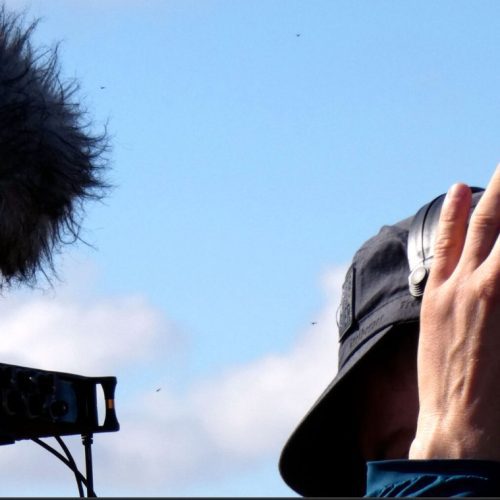
Interview
Akousma| Felix Deufel introduces us to the uncharted sonic richness of the Arctic
By Michel Rondeau
Interview Classical/classique/Electronic
Akousma | Les Artefacts sonores de Roxanne Turcotte
By Alexandre Villemaire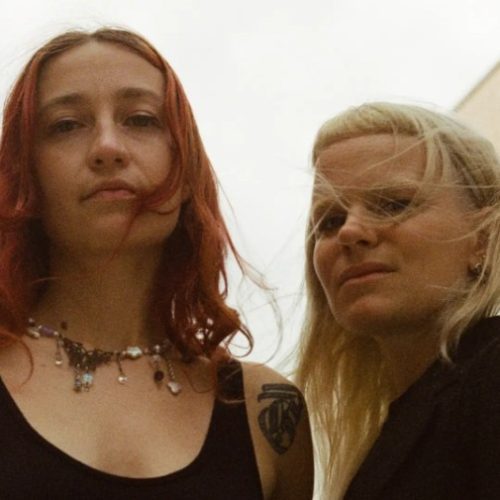
Interview Electronic/expérimental / contemporain
Akousma | The Audréanne Filion and Myriam Bleau Duo: Where Reality and the Virtual Merge
By Michel Rondeau
Interview Electronic/expérimental / contemporain
Akousma | Exzald S, la violence du calme
By Alain Brunet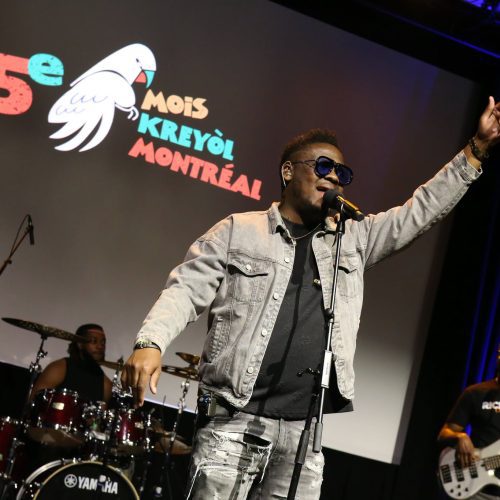
Concert review Caribbean
Mois du Créole 2026 | Richy Jay: Keeping Konpa and Zouk Alive in Montreal
By Juliana Cortes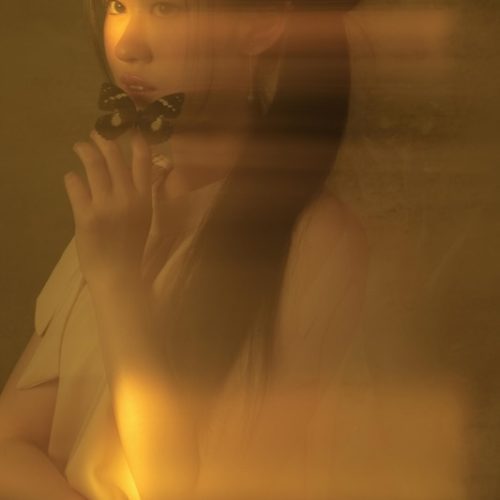
Interview arts numériques/Classical/classique/Électronique
Akousma | Melanie Zhou: Shaping Sound, Expressing Emotion
By Alexandre Villemaire
Interview arts numériques/Classical/classique/Électronique
Akousma | Alex Brisson et l’exploration musicale du feedback
By Alexandre Villemaire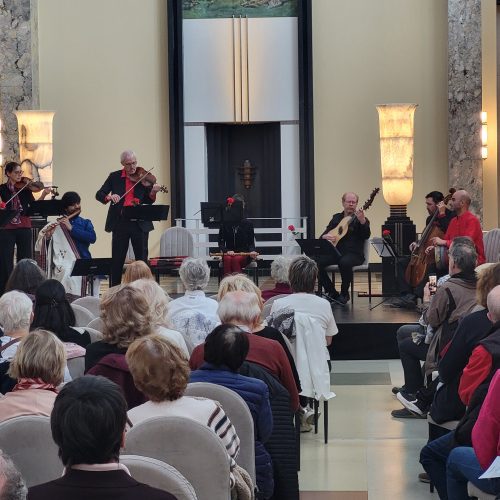
Concert review Classical/classique
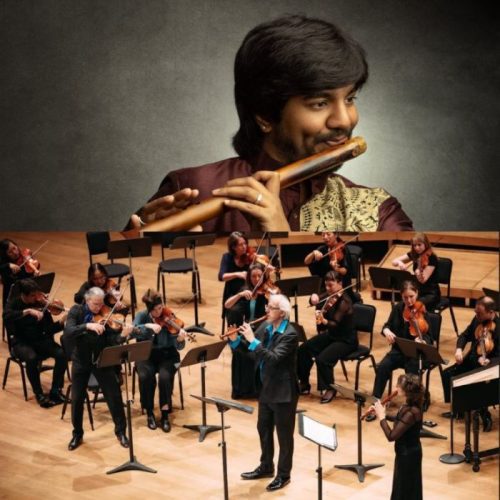
Caprice at the 9th Floor: a pleasant meeting between Baroque and Carnatic music
By Frédéric Cardin

Concert review Classical/classique
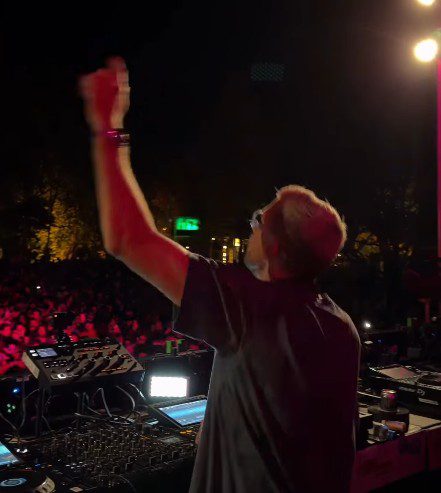
Arion: Cinderella has fun and unleashes her magic
By Frédéric Cardin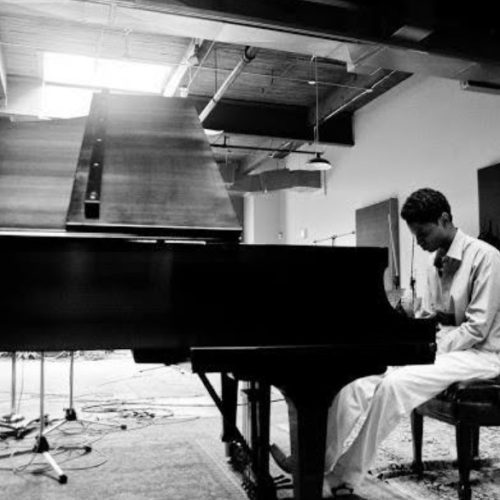
Interview Caribbean/Piano
Mois du Créole 2026 | David Bontemps: Between the Piano and Dessalines’ Legacy
By Sandra Gasana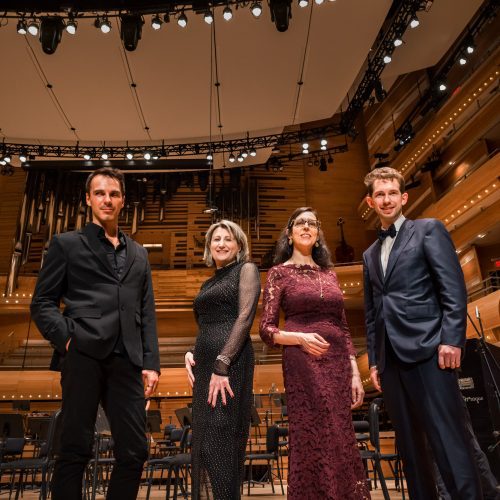
Concert review Classical/classique
Azrieli Prize 2026: The Four Pillars of the Temple
By Frédéric Cardin

Interview Classical/classique
Ensemble Caprice at the 9th: Dialogue with Carnatic India
By Frédéric Cardin
Interview Classical/classique
A resurrected and vocally spectacular Cinderella at Bourgie Hall
By Frédéric Cardin
Interview Caribbean
Mois du Créole 2026 | Pierre-Roland Bain: A Look Back and a Look Ahead
By Sandra Gasana