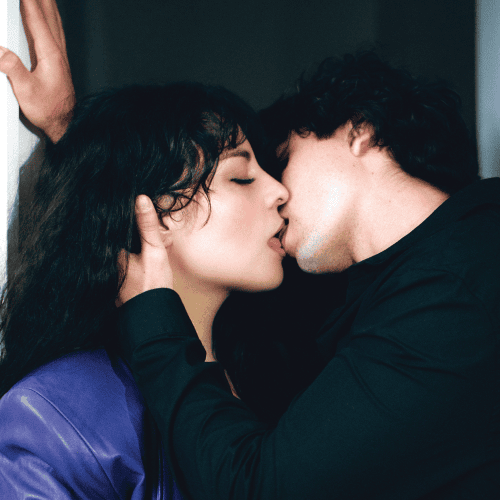
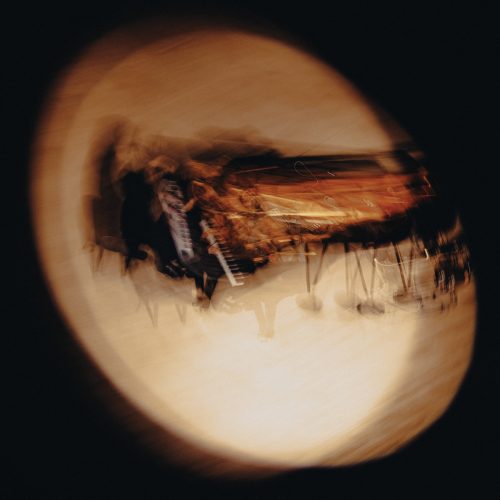
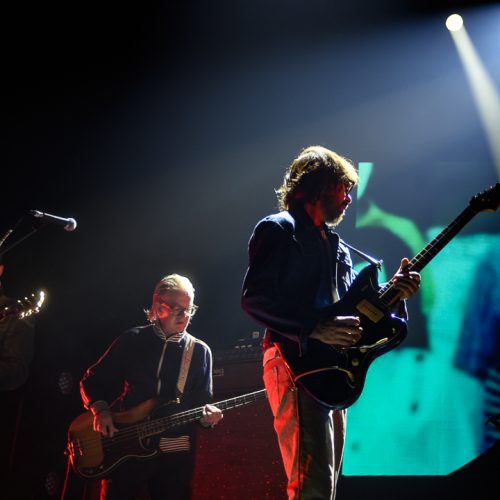
If bridging two musical universes – the Rebotini-Zanesi, Mills-Rudy, and Craig-Tristano tandems come to mind – is a complex yet often successful exercise, the Brubaker-Cooper pairing adds a not inconsiderable variable to the equation by tackling the solo piano works of Philip Glass, one of the creators of the American minimalist movement. The result is breathtakingly accurate and delicate. Piano and electronic machines are interconnected, each instrument, each gesture, each breath influencing each other, giving us to listen to the microevolutions of musical cells (the founding principle of repetitive music) in a new light. Man and machine are in dialogue. More than a simple reinterpretation, what the London producer and the American pianist propose is a mutation of Glass’ work. We plunge into a cinematic universe with “Two Pages” (although it’s not a work for solo piano, I can’t help but think of the use of “Music With Changing Parts” as the only soundtrack to the film Réalité, by Quentin Dupieux, aka Mr. Oizo). The dreamlike and poetic takes over with “Tirol Concerto”. In contrast to the delicate progressions resonating in the hollow of the ear, the five preludes bring us closer to a darker, acousmatic and multidimensional facet, both in form and substance. “Mad Rush” reveals itself as a quiet, hypnotic and swirling force. The two instrumentalists deliver music that is abstract yet so concrete that you could touch it with your fingertips.
Latest 360 Content

Interview Classical/classique
Guillaume Côté’s A Midsummer Night’s Dreams: the choreographer talks about his intimate relationship with music
By Frédéric Cardin
Concert review classique/Classical
SQMC/Chapelle Historique du Bon Pasteur: Discovering Quebec’s contemporary music
By Pietro Freiburger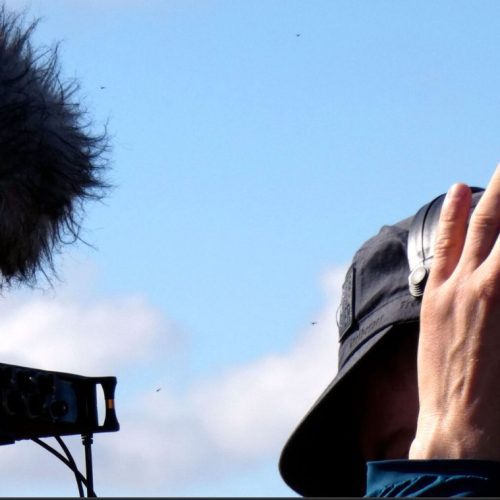
Interview
Akousma| Felix Deufel introduces us to the uncharted sonic richness of the Arctic
By Michel Rondeau
Interview Classical/classique/Electronic
Akousma | Les Artefacts sonores de Roxanne Turcotte
By Alexandre Villemaire
Interview Electronic/expérimental / contemporain
Akousma | The Audréanne Filion and Myriam Bleau Duo: Where Reality and the Virtual Merge
By Michel Rondeau
Interview Electronic/expérimental / contemporain
Akousma | Exzald S, la violence du calme
By Alain Brunet
Concert review Caribbean
Mois du Créole 2026 | Richy Jay: Keeping Konpa and Zouk Alive in Montreal
By Juliana Cortes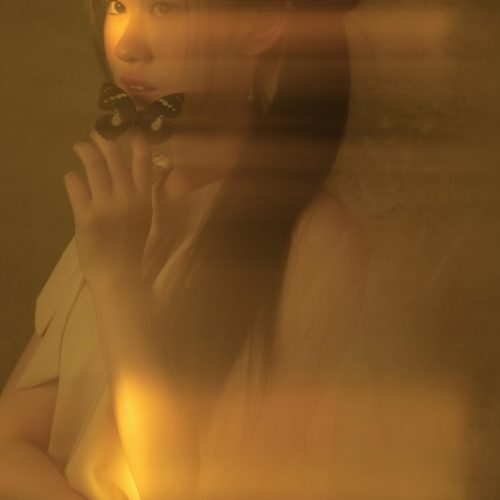
Interview arts numériques/Classical/classique/Électronique
Akousma | Melanie Zhou: Shaping Sound, Expressing Emotion
By Alexandre Villemaire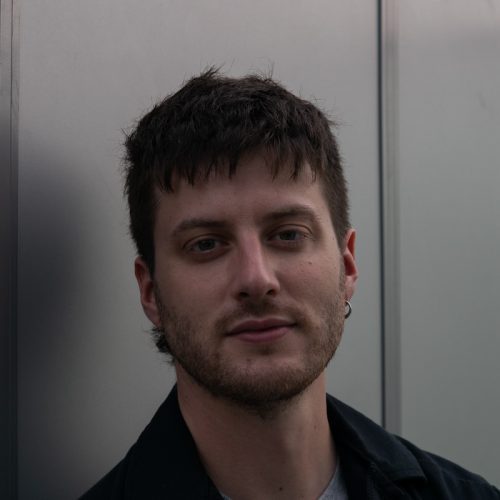
Interview arts numériques/Classical/classique/Électronique
Akousma | Alex Brisson et l’exploration musicale du feedback
By Alexandre Villemaire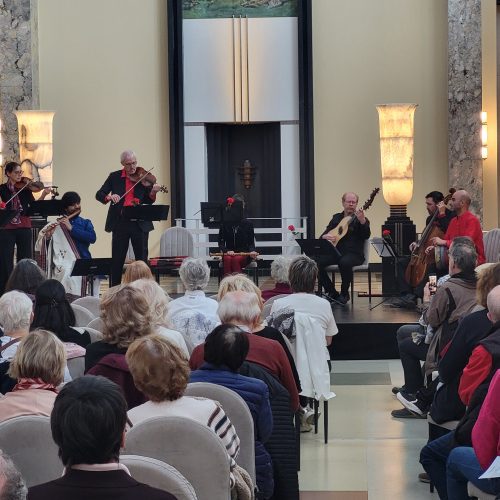
Concert review Classical/classique
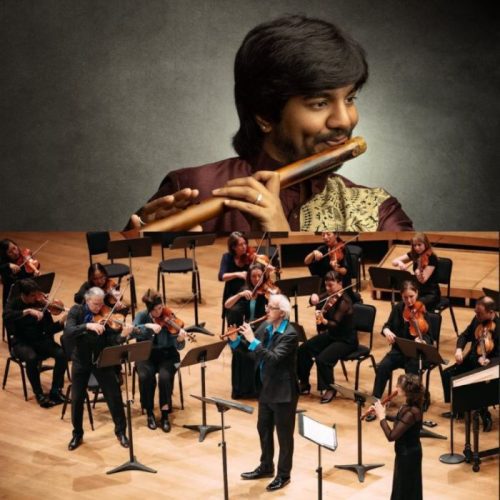
Caprice at the 9th Floor: a pleasant meeting between Baroque and Carnatic music
By Frédéric Cardin

Concert review Classical/classique
Arion: Cinderella has fun and unleashes her magic
By Frédéric Cardin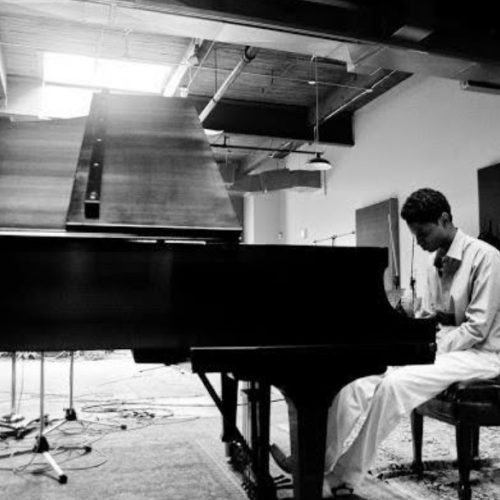
Interview Caribbean/Piano
Mois du Créole 2026 | David Bontemps: Between the Piano and Dessalines’ Legacy
By Sandra Gasana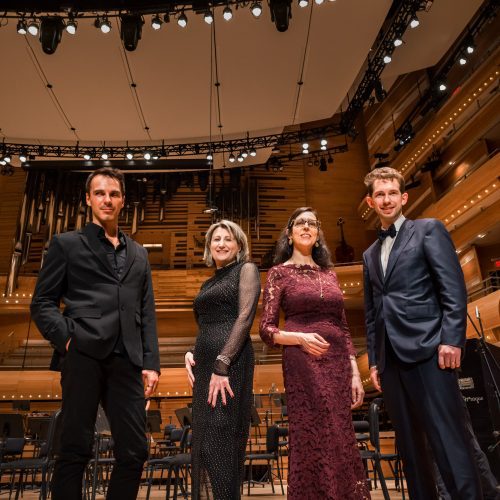
Concert review Classical/classique
Azrieli Prize 2026: The Four Pillars of the Temple
By Frédéric Cardin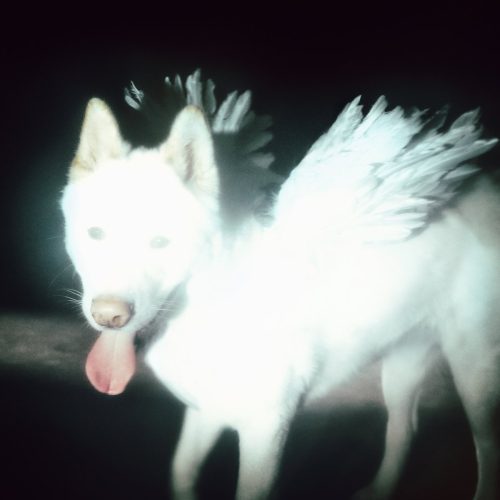
Interview Classical/classique
Ensemble Caprice at the 9th: Dialogue with Carnatic India
By Frédéric Cardin
Interview Classical/classique
A resurrected and vocally spectacular Cinderella at Bourgie Hall
By Frédéric Cardin
Interview Caribbean
Mois du Créole 2026 | Pierre-Roland Bain: A Look Back and a Look Ahead
By Sandra Gasana