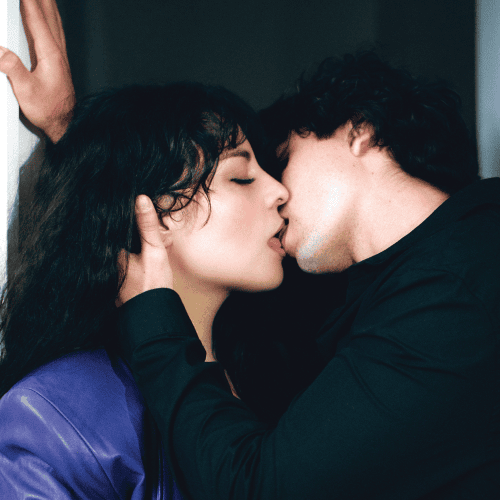
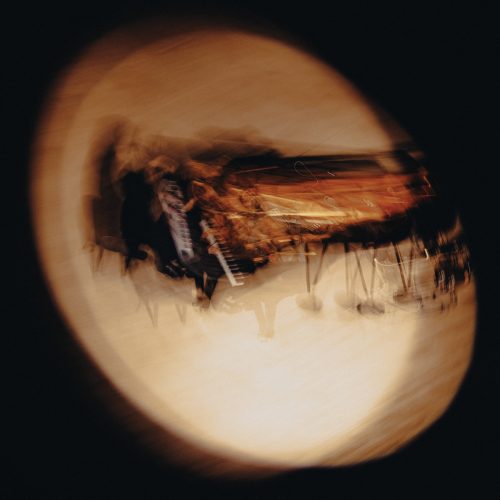
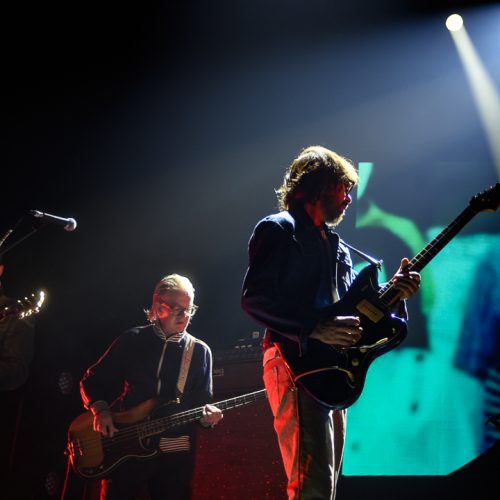
Directed by Mark Pallman, the documentary Universal Beings is based on the title of a major album by percussionist and visionary Makaya McCraven. The camera follows the American musician and his colleagues in Los Angeles, Chicago, London, and New York. McCraven’s biographical elements and explanations of his music lead to a better grasp of the small revolution he is leading on the jazz planet. Needless to say, the form is in dire need of new conceptual leaders, and McCraven is one of them. Universal Beings E&F Sides arrives in the context of this documentary film, a superb complement to the original album and also the material for the film’s soundtrack, providing 14 other reasons to swoon. As was the case in the original album, the Chicago jazzman and his colleagues create formidable miniatures, very short pieces (in the context of jazz) ranging from 1 minute 27 seconds to 4 minutes 36 seconds. Based on spectacular polyrhythmic cells and melodic-harmonic motifs, these new or redesigned compositions perfectly integrate the practices inherent in digital culture. Thus, the instruments involved in this ensemble reproduce the processes of filtering, rewinding, texturing, looping, remixing, and reconstituting musical works, as is the case in hip hop or electro, the difference that these processes are performed in real time by old-world instruments and musicians experienced in jazz practice, integrating improvisation with virtuoso interpretation – drums, double bass, saxophone, keyboards, harp, vibraphone, strings, etc. – and the use of the digital technology. It’s been claimed for some time now that Makaya McCraven is an authentic gamechanger – here’s another opportunity to recognize it.
Latest 360 Content

Interview Classical/classique
Guillaume Côté’s A Midsummer Night’s Dreams: the choreographer talks about his intimate relationship with music
By Frédéric Cardin
Concert review classique/Classical
SQMC/Chapelle Historique du Bon Pasteur: Discovering Quebec’s contemporary music
By Pietro Freiburger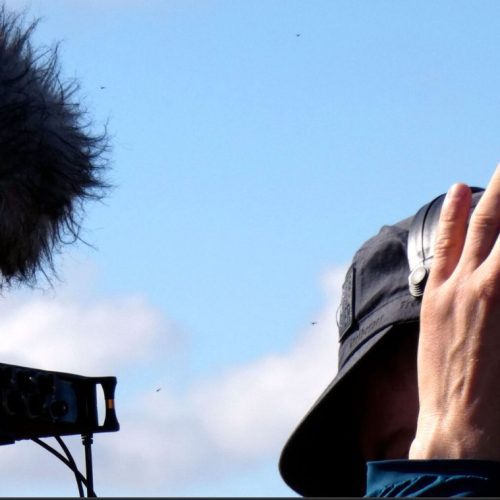
Interview
Akousma| Felix Deufel introduces us to the uncharted sonic richness of the Arctic
By Michel Rondeau
Interview Classical/classique/Electronic
Akousma | Les Artefacts sonores de Roxanne Turcotte
By Alexandre Villemaire
Interview Electronic/expérimental / contemporain
Akousma | The Audréanne Filion and Myriam Bleau Duo: Where Reality and the Virtual Merge
By Michel Rondeau
Interview Electronic/expérimental / contemporain
Akousma | Exzald S, la violence du calme
By Alain Brunet
Concert review Caribbean
Mois du Créole 2026 | Richy Jay: Keeping Konpa and Zouk Alive in Montreal
By Juliana Cortes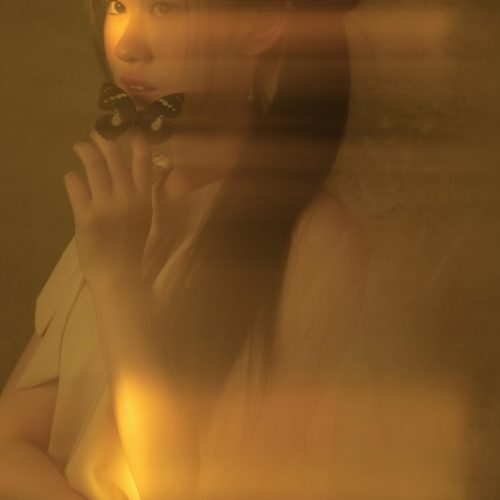
Interview arts numériques/Classical/classique/Électronique
Akousma | Melanie Zhou: Shaping Sound, Expressing Emotion
By Alexandre Villemaire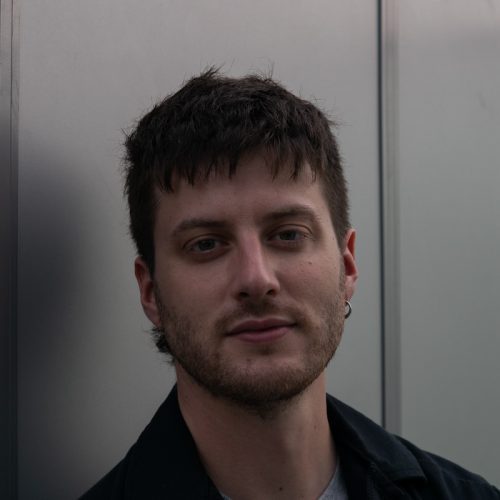
Interview arts numériques/Classical/classique/Électronique
Akousma | Alex Brisson et l’exploration musicale du feedback
By Alexandre Villemaire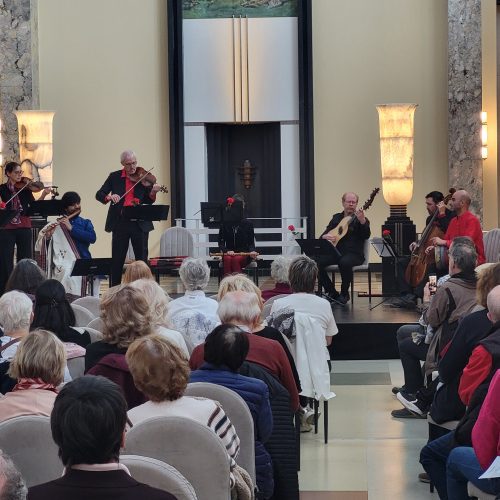
Concert review Classical/classique
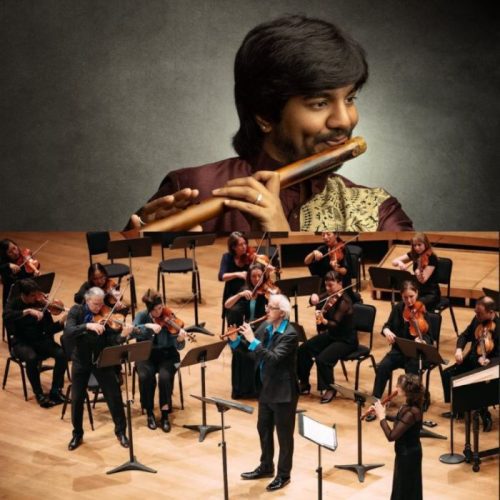
Caprice at the 9th Floor: a pleasant meeting between Baroque and Carnatic music
By Frédéric Cardin


Concert review Classical/classique
Arion: Cinderella has fun and unleashes her magic
By Frédéric Cardin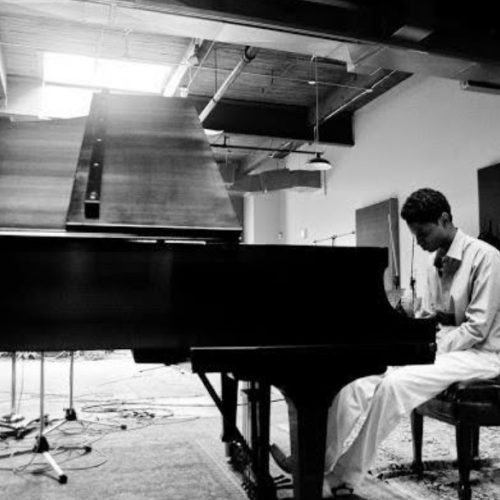
Interview Caribbean/Piano
Mois du Créole 2026 | David Bontemps: Between the Piano and Dessalines’ Legacy
By Sandra Gasana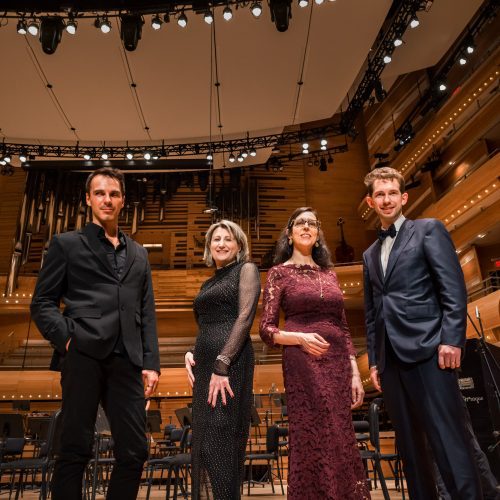
Concert review Classical/classique
Azrieli Prize 2026: The Four Pillars of the Temple
By Frédéric Cardin

Interview Classical/classique
Ensemble Caprice at the 9th: Dialogue with Carnatic India
By Frédéric Cardin
Interview Classical/classique
A resurrected and vocally spectacular Cinderella at Bourgie Hall
By Frédéric Cardin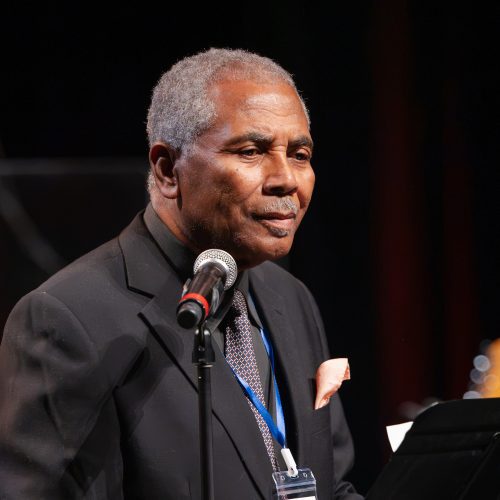
Interview Caribbean
Mois du Créole 2026 | Pierre-Roland Bain: A Look Back and a Look Ahead
By Sandra Gasana