Additional Information
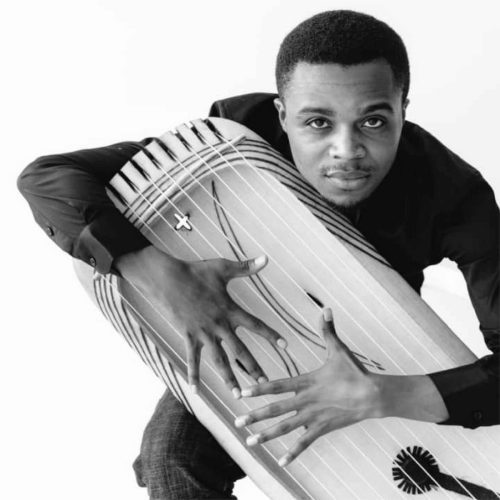
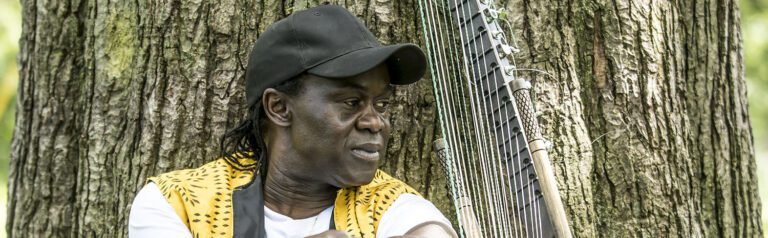
Zal Sissokho is very active on the Montreal music scene. Heir to the Mandingo musical tradition, the singer-songwriter has been working with various Québec musicians since 1999 to promote this music. With his kora, Sissokho travels between tradition and modernity, questioning the history of music and human nature. His songs, sung in the Mandiko language, deal with a wide variety of themes, but always have one thing in common: they tell a story.
In the early 2000s, Sissokho founded the group Buntalo, with whom he recorded several albums. The band’s latest, La Source, will be launched on September 9 at Club Balattou. In anticipation of this event, PAN M 360 had the chance to speak with Zal Sissokho about the creation of the album and his music, which brings together several musical traditions.
PAN M 360: Hello! Your new album, La Source, will be out very soon. On September 9th. How are you feeling?
ZAL SISSOKHO: I feel great! I can’t wait for it to come out. After all the work that went into making this album, me and my little gang are really looking forward to it.
PAN M 360: In 2020, you released the album Kora Flamenca, then in the meantime, there was the pandemic. And now there’s La Source. What was your creative path between these two albums?
ZAL SISSOKHO: La Source is a very different album from Kora Flamenca. Kora Flamenca was an encounter with another milieu, another culture. Then, La Source is a return home, where I wanted to play a little more of the music of the Mandinka Empire and the music of the kora. The music of my roots, where I come from, the music of the griots. That’s what makes the difference between Kora Flamenca and La Source.
PAN M 360: Listening to the album, you can hear this return to the traditions of the kora repertoire. But there’s also something modern and contemporary about it…
ZAL SISSOKHO: Absolutely! But Zal Sissokho and Buntalo, which is my own band, is really what we’re doing. It’s Afro-Mandingo, “tradimodern”. The instrument I play, the kora, is a typically traditional instrument, but it’s also very well suited to all styles of music.
PAN M 360: Speaking of Buntalo… It’s been a while since you recorded with them, hasn’t it?
ZAL SISSOKHO: Yes, indeed. We’ve recorded three albums already, and La Source is our fourth. The last one was in 2018, La Palabre. I’m very lucky because I formed this group in 2003-2004, and to this day, it’s always the same musicians who are with me. When I need them, they’re here, they’re present. It’s a real honour for me.
PAN M 360: What inspires you when you compose for Buntalo?
ZAL SISSOKHO: For the few albums I’ve done with Buntalo, they’ve been compositions linked to what surrounds me, my human relationships, the encounters I’ve made during my travels and my shows, here and elsewhere. That’s what inspires me, and that’s why the music is inspired by culture, tradition and modernity. That’s why, in my compositions, there’s piano, drums, bass and everything… Every time I think of making an album with Zal Sissokho and Buntalo, that’s how I want it because I want two cultures to come together. I come from Senegal, but now I live here. So I’m trying to make it 50-50, a bit for home and a bit for where I live, which is here.
PAN M 360: And what inspires you in the local music ecosystem?
ZAL SISSOKHO: It’s very rich. We’re very lucky in Quebec, we find a variety of professional artists who come from all over the world, and who live here. So it makes it easier to meet people. Because if you want to touch something, there’s someone who knows it. Especially in this album, La Source, with the collaboration of my Senegalese brother, Élage Diouf, who took part in co-producing it, we put together the ideas to be able to give something great to our friends! Our friends who follow us, the public who follow us.
PAN M 360: You’ve described your music as “tradimodern”. Is this a term that has stuck with you since the start of your career?
ZAL SISSOKHO: I’d say so because I’ve always wanted to go a bit further with my instrument. The kora, in other circumstances, is a bit more limited. You can’t change tonality as you please. But I’ve always wanted to reach out to other cultures with my instrument, to make other encounters. These exchanges are shared with other artistic milieus, other cultures, and other styles of music. Because with every encounter, you learn a lot. You contribute, but at the same time, you also learn and receive a lot. I’ve always wanted that to be my label.
“Tradimodern” and tradition are very sacred to me because that’s where I come from. The repertoire is immense, and you could play it for thousands of years. We’ll never be able to perform the entire repertoire of the Mandingo Empire. But at the same time, to be able to reach a wider audience, I want to mix it with a bit of modern music to go even further. That’s what’s followed me since the start of my career here in Quebec.
PAN M 360: Let’s get back to your new album, La Source. Is there a theme that runs through the whole album? What inspired you to write it?
ZAL SISSOKHO: There’s a lot of variety on this album. There are songs about human dignity. There’s another one about not knowing what’s going to happen tomorrow. And La Source is above all a return, a tribute to our great-grandfathers, grandfathers, fathers and mothers. Then there are several tracks that tell a story. The story of an encounter, of the environments I share, of what I see.
When I came here, I was already an adult. There are stories I don’t want to lose, even if I stay here for 100 years. There’s that side of me that will always stay with me. But if you want to integrate into a country, you have to make up your mind, take on certain habits, and accept certain things, so as to be able to settle in and be part of the environment around you. So this is it. It’s an album that I really enjoyed making, because the themes are varied, and I want to make people aware of the role of the griot, a role that still exists, and get people to live in harmony.
PAN M 360: So this would be an album that recognizes where the kora repertoire comes from and honours it, but at the same time looks to others and the future?
ZAL SISSOKHO: Exactly. It’s amazing because human beings have always been nomads. For centuries, people have been travelling to somewhere better. Every time we go somewhere that’s not our home, we come back. And we always continue to settle somewhere else to fight, because life is a fight, every day, anyway. There’s nothing for free in the world.
PAN M 360: Finally, what can you expect when you come to the launch concert?
ZAL SISSOKHO: Only fun! Everyone’s going to be there to present these new songs on stage. It’s a party as if a new baby had just arrived! It’s a way for me to say to people, “Come and join the party! I’m going to take the time to introduce and explain the lyrics because I sing in my native Mandiko language. It’s not easy for some people to understand the messages I’m putting across, but I always take the time to explain. So, on September 9, I’m inviting everyone, music lovers, those who like what I do, and those who want to discover my music. Everyone is welcome!
Zal Sissokho will take to the Club Balattou stage on September 9 at 9pm to launch his new album La Source. The album will be available in digital format from September 8. INFO AND TICKETS HERE!