Additional Information
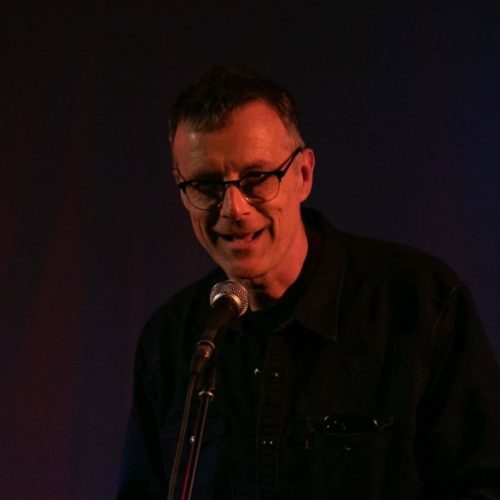
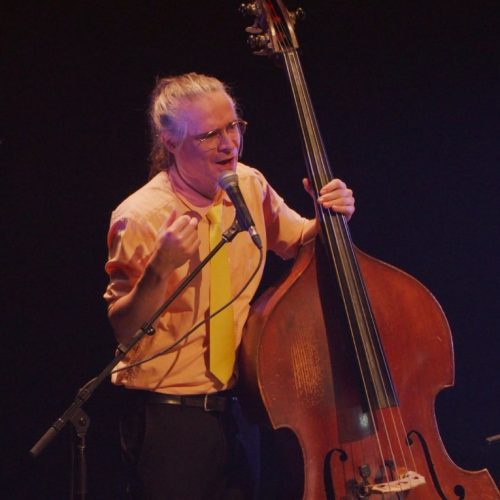
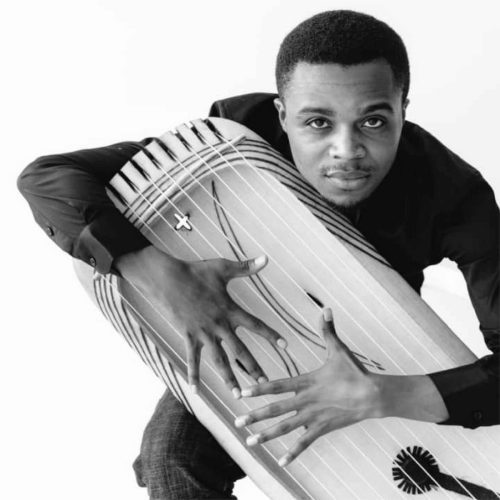
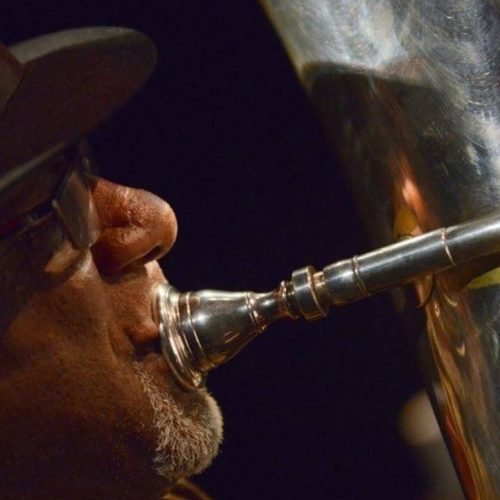
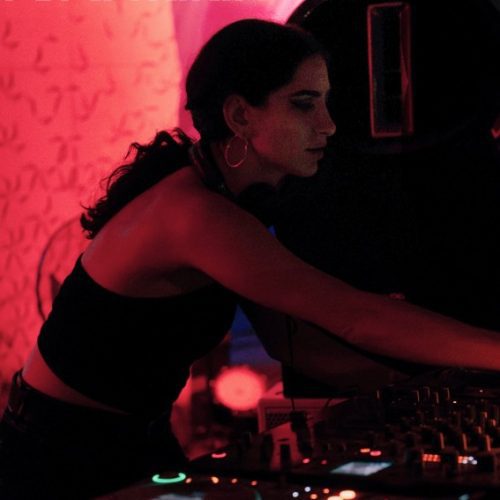
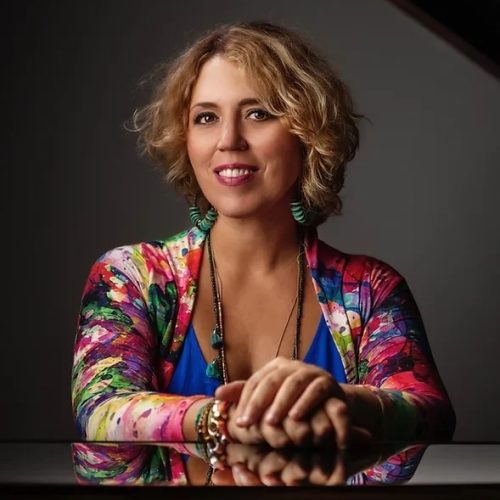
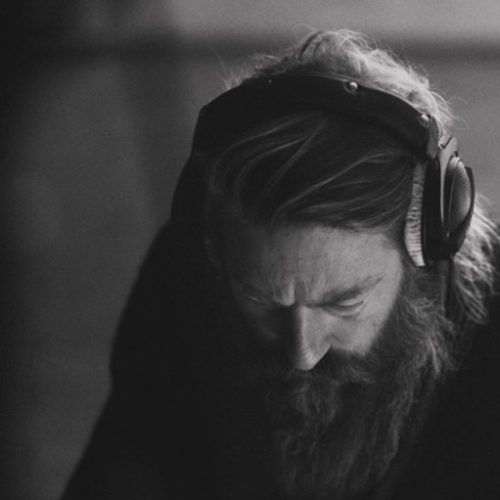
This Saturday, July 11th at MTELUS, Sia Tolno, Degg J, AK, Manamba Kanté, Soul Bang’s, Habib Fatako, proud representatives of the Guinean pop elite, pay tribute to Lamine Touré.
Our man is affectionately known as the “night baobab,” without whom Balattou, Nuits d’Afrique Productions, and the Nuits d’Afrique International Festival would never have existed in Montreal. Four decades later, the extended Nuits d’Afrique family still carries the torch, and Touré still stands guard at the Balattou entrance, at the corner of Saint-Laurent and Marie-Anne. Cigarette in hand, he unfailingly displays his youthful energy and his leadership of the organization he founded and developed with his partner, Suzanne Rousseau.
He is still here, our “father” of African culture, to use a Guinean expression reserved for respected elders. He is so present that we are honoring him this Saturday, an initiative undertaken in conjunction with the Guinean government. Organized in collaboration with the Guinean Ministry of Culture, Tourism, and Handicrafts, and the Arts and Culture Development Fund (FODAC), this tribute evening brings together the elite of Guinean pop music. The State of Guinea will be represented by Thierno Hamidou Bah, Chief of Staff to Minister Moussa Moise Sylla.
We know that this large West African country is the homeland of Touré, who became a citizen of the world while he was a dancer and choreographer with the National Ballet of Guinea. Settling in Quebec after an initial period of migration to France, Lamine Touré eventually became a concert and festival promoter, club owner, record producer, and more.
Four decades after the festival’s founding, its unwavering commitment to Guinea’s musical culture is celebrated, among its efforts to promote African and Afro-descendant cultures worldwide.
Since this is an official tribute combined with a major lineup of artists gathered at MTELUS, PAN M 360 brought together with Touré high-ranking professionals in Guinea: Malick Kébé, Director General of the Arts and Culture Development Fund (FODAC), as well as Moussa Mbaye, artist and producer who manages an important cultural space in Konakry, but also very close to Productions Nuits d’Afrique since he lives part-time in Montreal.
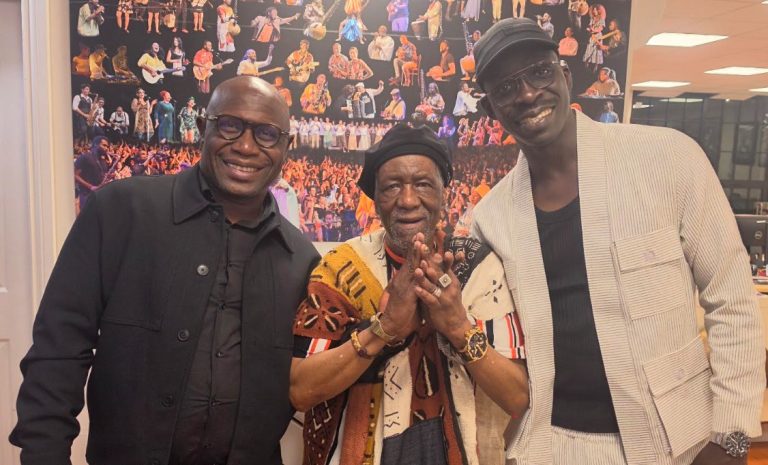
Photo (Alain Brunet) from left to right: Malick Kébé, Lamine Touré, Moussa Mbaye
PAN M 360: I’ve known Lamine Touré since the 80s, the days of Café Créole. But I really met him during an African week at SRC that I led as a researcher for a program hosted by the late Chantal Jolis, L’Oreille musclée. So, from PAN M 360’s perspective, you’ll understand that we know Touré’s essential role in promoting African culture in general, and we know his loyalty to Guinean culture, and that’s what’s so interesting about this evening. We’re happy to bring people from Guinea together to honor Lamine Touré.
Malick Kébé: I am the Director General of the Arts and Culture Development Fund. I came with the Chief of Staff of our department to represent the Republic of Guinea. For your information, the Arts and Culture Development Fund, which I have the high responsibility of managing, has existed since 2017. Its mission is to finance projects for the promotion and development of the entire cultural sector.
PAN M 360: And how was the Fund able to gradually grow?
Malick Kébé : It began with the allocation of funds from the national budget. Today, we are also trying to mobilize international institutions for our funding efforts. And right now, we are finalizing a support program, funded by the International Organisation of the Francophonie. This project concerns the universal identification of all our cultural products in order to track their circulation and value. We also want to implement highly structured training in sound engineering, lighting techniques, and stage management. Why? Because we have a glaring lack of expertise in this area of the cultural industry in our country. So, this is to tell you that FODAC has a busy agenda for the development and promotion of our culture.
PAN M 360: It is reported that your government has recently shown a renewed interest in funding culture, and for the best of reasons.
Malick Kébé: And amidst all this activity, we are very happy to be here at Balattou and the International Festival of African Nights. I thank you, by the way, for this opportunity you are giving us, namely, to be able to talk about Mr. Lamine Touré. Because he dedicated practically his entire life to promoting African culture in general, and Guinean culture in particular.
Lamine Touré is a true product of the Ballets de Guinée, which first brought him renown. Today, we all know what ballet, percussion, and dance represent for the Republic of Guinea. The very first ballet in Francophone Africa, in Black Africa, I would say, was Guinean. Created by the Guinean Keïta Fodéba, may his soul rest in peace, the Ballet initially bore his name. Even before the advent of our independence, Keïta Fodéba had offered his Ballet to the Republic of Guinea; the name had then changed to: African Ballets of the Republic of Guinea. That was in 1954, I believe.
PAN M 360: A pure product of the Ballets de Guinée as you say, Lamine Touré continued in music, with the results we know.
Malick Kébé: And so it is extremely important for me today to have come all the way here to Montreal to celebrate and honor Mr. Touré, because he has been one of the greatest ambassadors of our culture. And here, for 40 years, he has ensured that one of the world’s largest festivals, the Festival Nuits d’Afrique, has been able to establish itself here and give unprecedented exposure to African culture. Forty years isn’t 40 days, 40 weeks, or 40 months. It’s 40 years!
Throughout all this time, he persevered, against all odds, overcoming every conceivable difficulty, to make this festival, to make African culture a reality. On the walls of these Nuits d’Afrique offices where we are, you can see how many artists have passed through. Each year, dozens of artists come from all over to showcase African culture. To highlight this rich and diverse expression.
PAN M 360: For a country like Guinea, this aid is invaluable!
Malick Kébé:Today, we have come on behalf of the people of Guinea. We have been mandated by the highest authorities of our country, namely Mr. Moussa Moise Sylla, Minister of Culture, Tourism and Handicrafts, who was supposed to be here, but who, given his rather busy schedule, was unable to find a time slot.
PAN M 360: You are also based in Conakry, I imagine.
Malick Kébé : Yes, absolutely.
PAN M 360: You’ve been here before, I imagine, because you have a long-standing relationship. The Guinean state, or rather its cultural branch, has attended the Nuits d’Afrique festival over time, I imagine.
Malick Kébé : Yes, indeed. And even through this participation of Guinean artists, 2003 was able to lead to creation, to encounter, to the residency for creation.
PAN M 360: And you, Moussa Mbaye, you are also part of the Guinean delegation. In what capacity?
Moussa Mbaye : I’m a singer-songwriter and a cultural operator. I used to live here; I have family in Montreal. I also worked for the Nuits d’Afrique festival, in programming. So I’m here as an artist for this evening, and since I travel back and forth between Conakry and Montreal, I’m a kind of bridge between Nuits d’Afrique and Guinea.
PAN M 360: So now, Touré, tell us about your enduring ties to your homeland.
Lamine Touré : I’d been in France for a while, after traveling around Europe. A friend, Tony, told me about a place in America where they spoke French. I went to the Canadian embassy to find out more, and I came for a month to check it out. I bought a round-trip ticket and came here to see how things were, to see how things worked. I realized something was missing here: fashion. So I called two friends there, and we started a small jeans business on Mont-Royal Street, on the third floor of a building.
Around that time, I met Alex Boicel, Doudou Boicel’s son. I was dancing with him one evening, and I was looking for a tropical bar. Alex told me there weren’t any, and that’s when we created Café Créole in the early 80s. Balattou came later, two years after we left Café Créole, which I felt had become more of a reception center than a cultural space. Two years later, there were already tropical venues in Montreal, so we launched Balattou to also help the next generation emerge. Because we always need new talent.
PAN M 360: Little by little, things progressed and here is the monument you have become today, Lamine Touré! And so, this Saturday, it will be an evening where Guinean artists will be able to commemorate this formidable trajectory.
Lamine Touré : As they say, it’s a once-in-a-lifetime opportunity. I’ll never forget the happiness it will bring me.