The OSM has made an enlightened choice to present the works of Alma Mahler and those of her husband, Gustav, in the same concert to inaugurate 2025. The performance of Alma’s works alongside those of her illustrious husband is a contemporary nod to a time when many female musicians are giving up their careers to support those of their husbands.
At the age of twenty-three, Alma, née Schindler, frequented the Viennese artistic scene, composing lieder and insisting on her artistic and intellectual independence. She met Gustav Mahler in November 1901. Twenty years her senior, he made a deal with her: to become his wife, she had to give up her aspirations as a composer. Passionately in love, she accepted, and the marriage was celebrated on March 9, 1902.
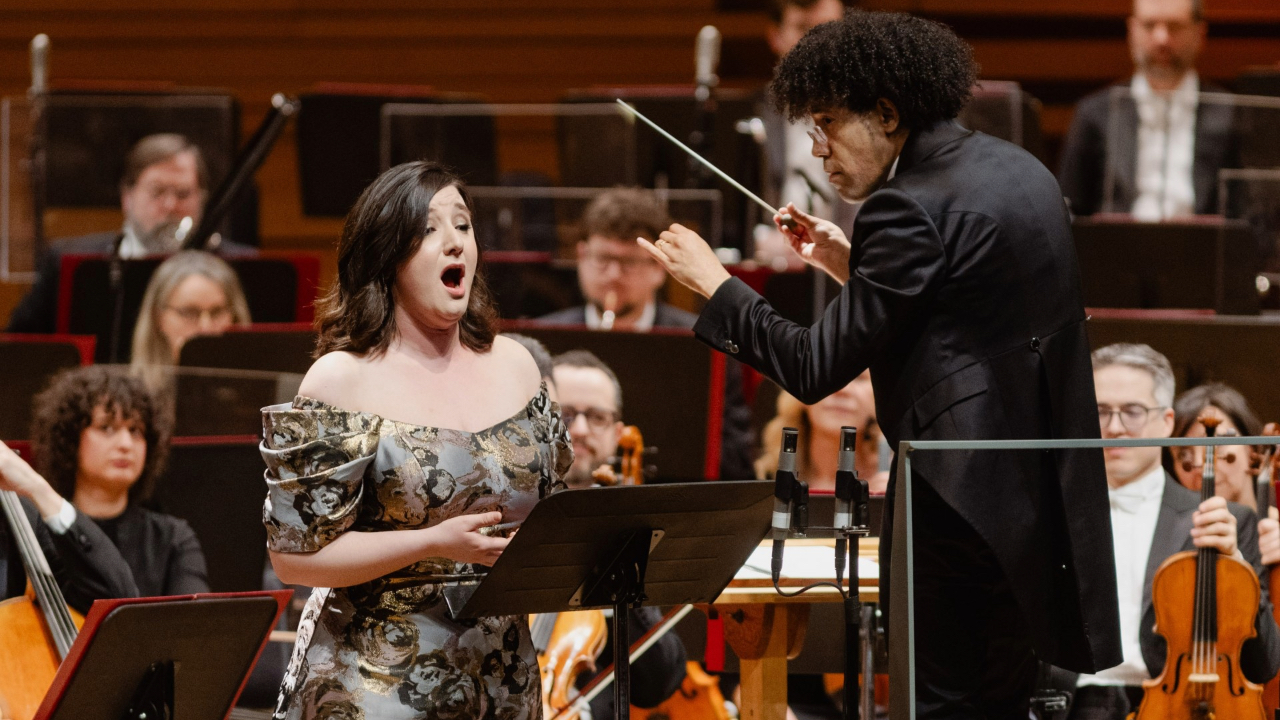
Despite this “ban” on composing, Gustav suggested that Alma rework the lieder and have them published (in the program notes, Catherine Harrison-Boisvert notes that “Gustav seems to have wanted to make amends”). It is fortunate that Alma’s Lieder have been rescued from anonymity in this way. Their performance is a first for the OSM. With these 5 lieder, the orchestra offers a sensitive listening experience, and, in my case, one of discovery. In meins Vaters Garten (In my father’s garden) is particularly touching. Mezzo-soprano Beth Taylor’s deep, radiant voice is enhanced by the composer’s expressive writing. My only downside? The orchestration by Colin and David Matthews. A slight mismatch between the two scores is unfortunately to the detriment of the voice.
Of the Sixth Symphony, called “Tragic”, Alma writes that it is her husband’s most personal work, the one that sprang most directly from his heart. She also reports that in writing the Sixth Symphony, Gustav anticipated his own life in music. Three blows of fate, symbolized by as many hammer blows in the finale – only two of which are retained – also befell him: the loss of their daughter Maria to scarlet fever, a diagnosis of incurable heart disease, and the loss of his position at the Vienna Opera. As Mahler’s Sixth was written before these events, this interpretation is debatable. But the story is worth telling, if only to stir the imagination! And perhaps also a little to allow ordinary people to become a little more attached to the composer?
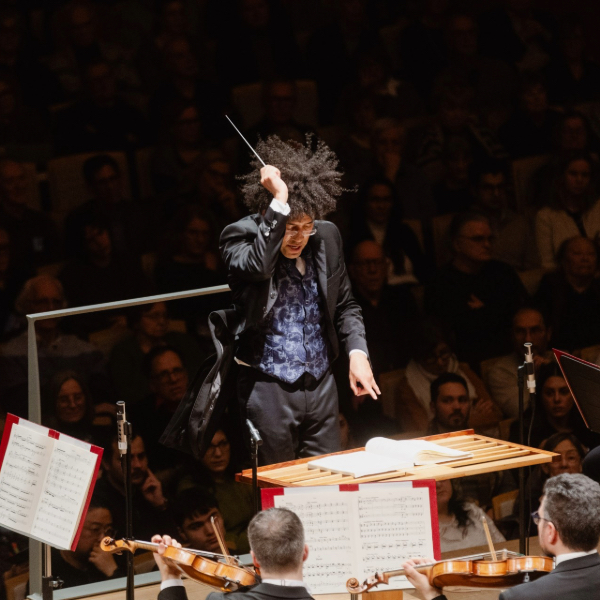
Speaking of attachment, the OSM and Payare, in their interpretation, go the right way. From the very first bar, the tempo is energetic without being frantic. The tone is set. The first movement unfolds between the military and the evocation of Alma, embodied by the strings. The orchestra alternates between rumble and light. Payare seems to play with rhythm. Though regulated like a metronome, time with him seems more supple, more alive. The beautiful pages of the second movement feature a dialogue between woodwinds and brass, in which the orchestra’s playing is limpid. The third movement, almost dreamlike, and the finale follow one another without a break. This sequence seems to allow the orchestra to bewitch us, before plunging us into an emotional stampede in the style of “being Gustav Mahler” right to the end. Just writing it makes me breathless – the energy deployed by the conductor must be the envy of the greatest sportsmen and women. Tragic” symphony, you say? Between enchantment, sweetness and tragedy, one does not leave the symphonic house completely unscathed.
Photo Credit: Gabriel Fournier