Additional Information
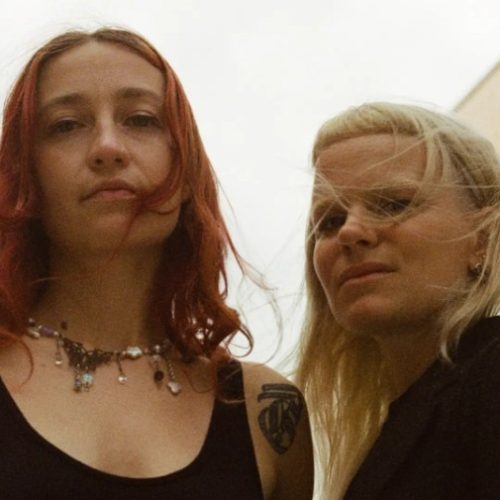
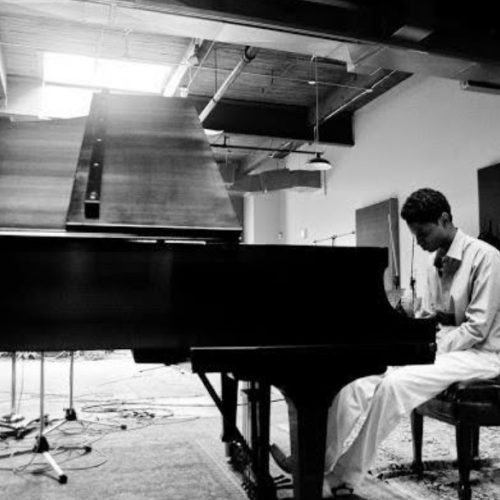
At this year’s Classica Festival, the acclaimed duo Stick&Bow is set to deliver an exhilarating program that traces the artistic journey of one of the most intriguing composers of new music, Astor Piazzolla. Joined by the distinguished pianist, John Roney, the duo of Canadian marimba player Krystina Marcoux and Argentinian cellist Juan Sebastian Delgado, will explore Piazzolla’s dynamic evolution, from his early influences in New York’s jazz scene to his innovative tango compositions in France.
PAN M 360 : Hey thanks for taking time! Looks like an amazing program. Perhaps we could start by delving into your personal connection with Piazzolla’s music. What does it represent to each of you personally?
Juan Sebastian Delgado : Oh, that’s a good question, if a long one! How much time do we have? Well, though Montreal has become my home for the past 12 years, I hail from Argentina originally. So Piazzolla’s music is deeply ingrained in me because of my Argentine roots. But honestly, you don’t have to be from there to appreciate his brilliance.
Krystina Marcoux : That’s right. Piazzolla’s style goes beyond just tango; it’s such a unique mélange of musical techniques and traditions, from European classical to jazz, to folk. There’s something there for everyone.
Juan Sebastian Delgado : His music is played even in academic contexts, which I find incredible and which he himself imagined impossible. I pursued my doctorate in performance at McGill, focusing on post-piazzolla tango. What to do after such an important genius? I love new music and tango, and Piazzolla bridges these aesthetics beautifully. He has been a part of many sound worlds and, although he was not born in New York, he spent 15 years there, which profoundly influenced his musical vision.
Krystina Marcoux : Yes, especially in the 1930s and 40s when jazz was booming.
PAN M 360 : So is this program specifically designed to trace his career and influences?
Krystina Marcoux : Well it’s not a complete picture that we’re able to give, but it’s definitely the starting point for our program. While we’ll focus on Piazzolla’s career trajectory, we’ll also highlight the broader influences of his era, showcasing composers like George Gershwin, who was a significant figure in New York during Piazzolla’s time there, or Nadia Boulanger in France.
PAN M 360 : Your firsthand experiences recording with Piazzolla’s former collaborators must have provided invaluable insights into his music. Could you share more about what that was like?
Krystina Marcoux : We’ve been so fortunate to collaborate with musicians who have deep connections to Piazzolla’s music, such as his pianist Gustavo Beytelman and bandoneonist Marcelo Nissiman. Through these collaborations, we gained valuable insights into the oral tradition of tango and the nuances of Piazzolla’s compositions, which go far beyond just reading the notes on the page. How fascinating to learn all this from people who lived through the golden age of this music. It’s not just about playing the notes. Tango is a unique style, with a distinct tradition and precise playing codes, which is distinguished from jazz or classical music. This concert aims to highlight these influences.
PAN M 360 : When I think of tango, Piazzolla is the first name that comes to mind. Yet it seems he was the black sheep of the tradition.
Juan Sebastian Delgado : Yes, internationally, Piazzolla is second only to Gardel in fame. And interestingly enough, when Piazzolla started innovating the tango, many in Argentina disliked what he was doing. He was seen as destroying the traditional tango.
PAN M 360 : That makes me even more excited for this concert. Piazzolla’s music and its unique instrumentation are fascinating. It seems his compositions lend themselves to some flexibility with the arrangements?
Juan Sebastian Delgado : Yes, similar to Bach, his pieces are arranged in numerous ways. For example, we use cello and marimba, which is rather unique.
Krystina Marcoux : : This flexibility is partly due to its jazz influence. He trusted his musicians and generally worked with the same instrumentalists for years, a bit like a jazz musician, to the point where a range of musical elements come from the musicians rather than the score.
Juan Sebastian Delgado : Exactly. To understand his music fully, you should listen to recordings of Piazzolla performing with his musicians. Their phrasing and style are exceptional.
PAN M 360 : How does the marimba fit into the program?
Krystina Marcoux : Piazzolla didn’t necessarily write for the marimba, but he wrote for the vibraphone, collaborating with musicians like Gary Burton. They even recorded an album together.
Juan Sebastian Delgado : Absolutely, it’s worth checking out. We’re also including a piece by Gerry Mulligan, who recorded with Piazzolla.
PAN M 360 : Both Mulligan and Burton are legends in the jazz world.
Juan Sebastian Delgado : Yes, and they both brought something unique to Piazzolla’s music. In the album notes, Burton mentioned he was initially intimidated, but Piazzolla reassured him to just play.
Krystina Marcoux : In our arrangements, the marimba often plays parts originally written for the violin. But it’s not always the case, we mix things up a lot, shifting roles between instruments.
Juan Sebastian Delgado : Yes, and John Roney, our pianist, is a big part of this program. He’s an example of a musician who is able to inhabit both the classical and jazz worlds simultaneously. He will be improvising on a Gershwin piece. It’s fantastic.
PAN M 360: Nadia Boulanger was of course mentor to so many titans of contemporary music, can you tell me more about the influence she had?
Juan Sebastian Delgado : Nadia Boulanger played a crucial role in Piazzolla’s career, encouraging him to embrace his unique vision of music that fused tango and classical composition. Initially, Piazzolla sought to distance himself from tango in pursuit of the latter, however, Boulanger recognized the authenticity in his bandoneon playing and encouraged him to infuse classical elements into his tango compositions.
Krystina Marcoux : That’s right. Piazzola had a deep love for Stravinsky, Ravel, and Bach, and I think it was in France that the classical influences began to take shape in his music alongside the tango.
PAN M 360: So what would you tell the audience to expect from this show?
Krystina Marcoux : We invite the audience to embark on a musical journey with us, exploring the lesser-known facets of Piazzolla’s repertoire. We won’t be playing Libertango, our program offers a fresh perspective, incorporating French influences and lesser-known compositions that showcase the breadth of Piazzolla’s genius and the many musical worlds he was a part of.
PAN M 360: And I’m really looking forward to it. Thank you both for taking the time to chat. Enjoy this beautiful Montreal day.
Juan Sebastian Delgado : Thank you, we will try but we have to go practice now!
PAN M 360: Of course.
Krystina Marcoux : Thank you and see you soon!