expérimental / contemporain

Semaine du Neuf: Architek Percussion au service de 2 architectures

by Alain Brunet

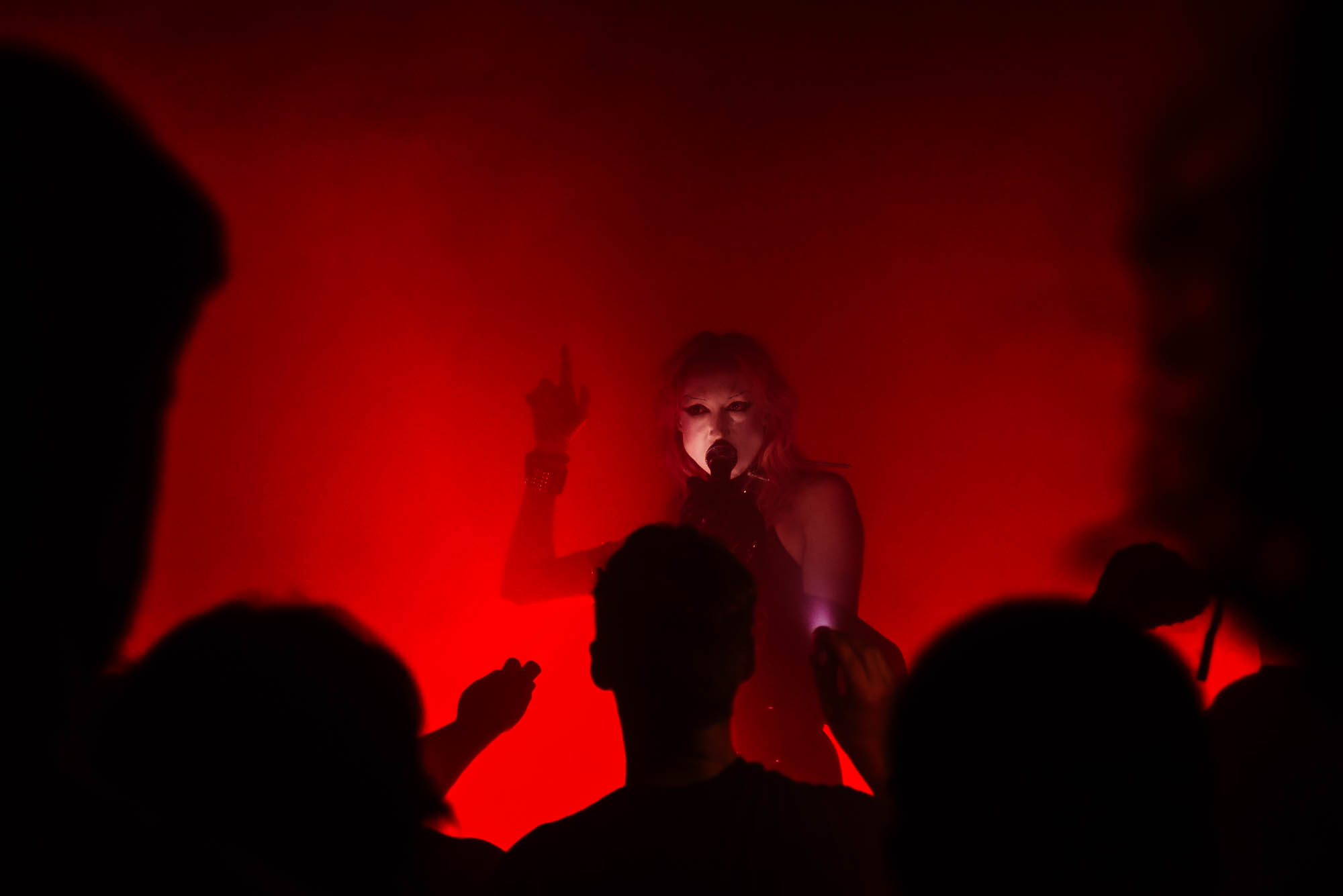
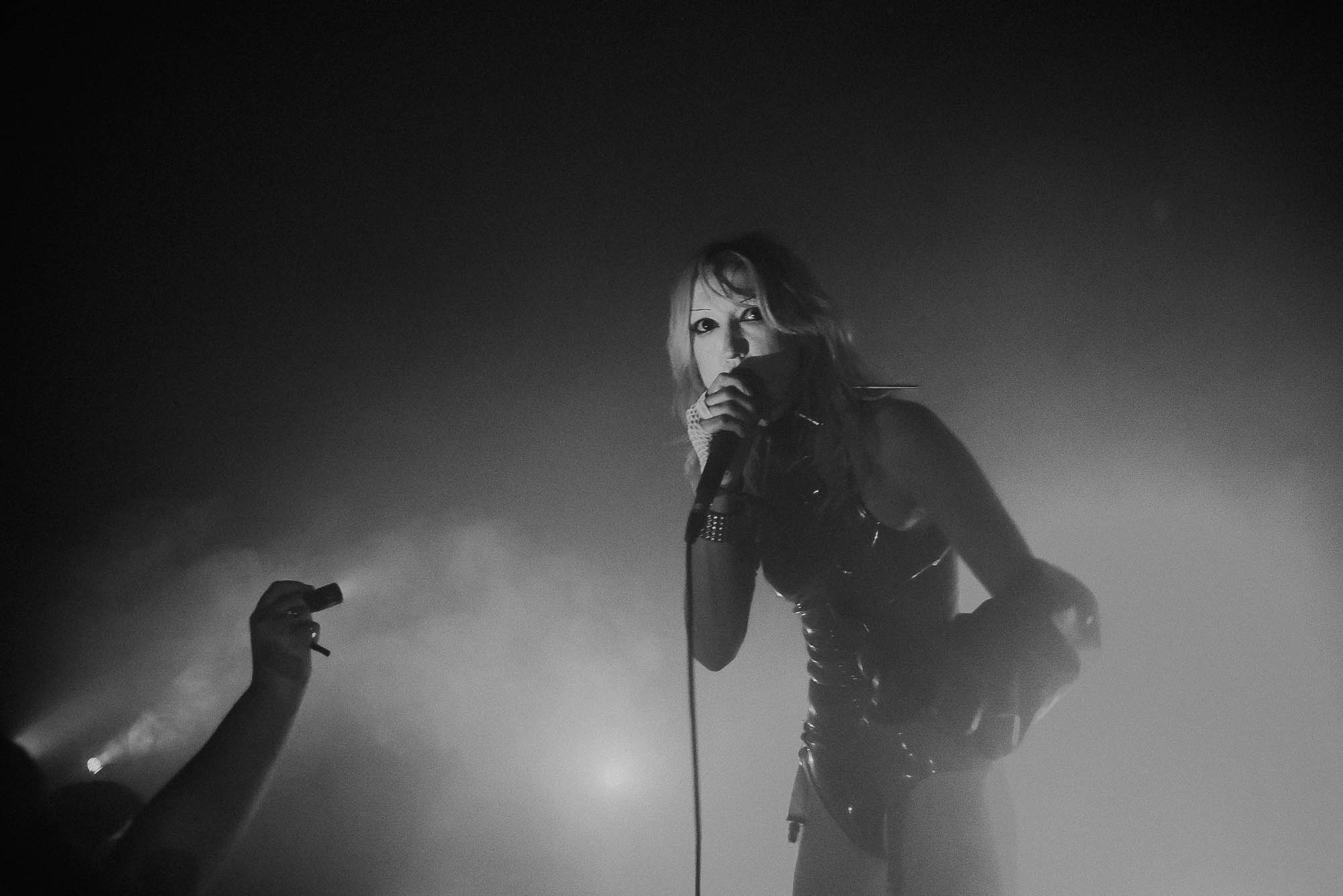
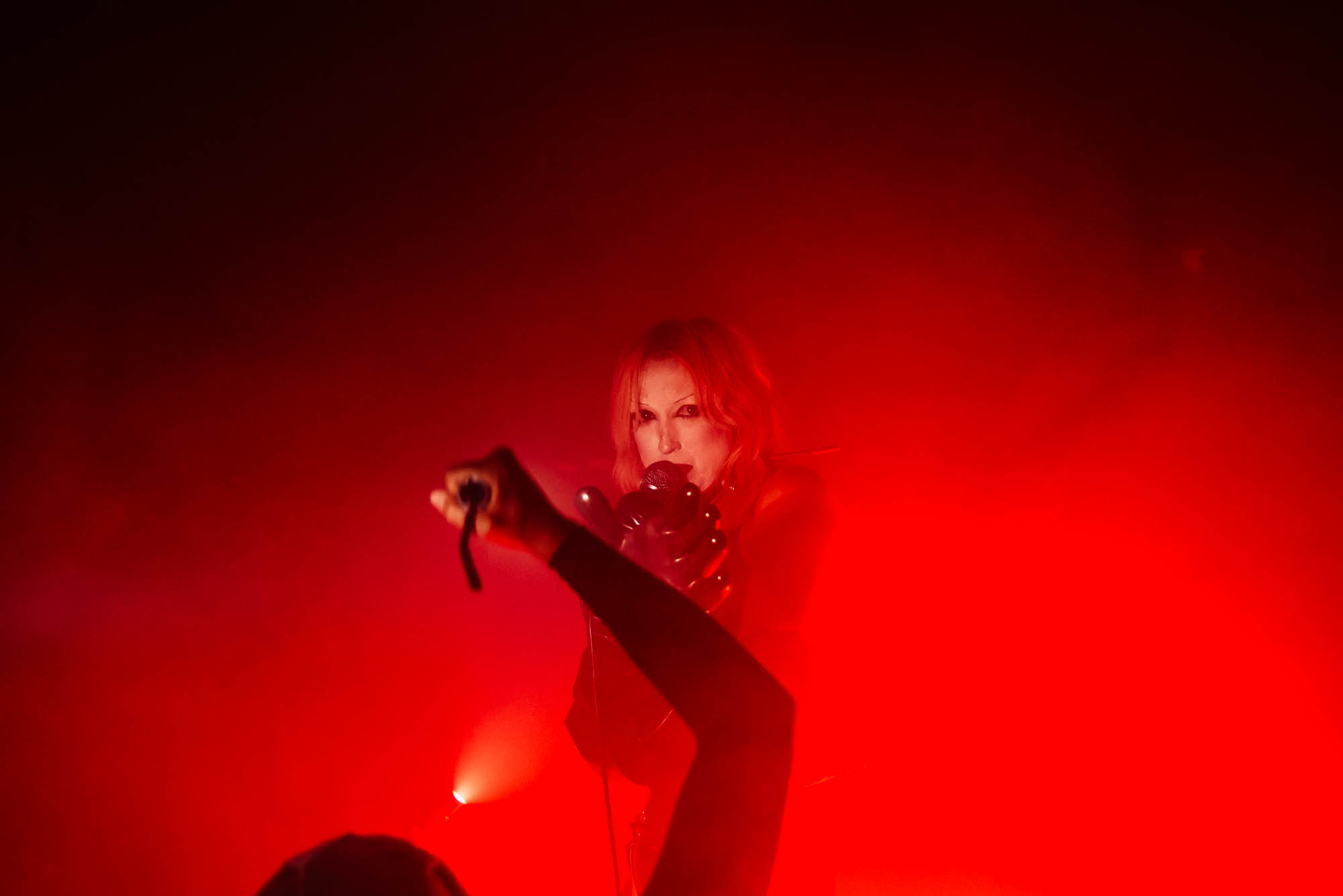
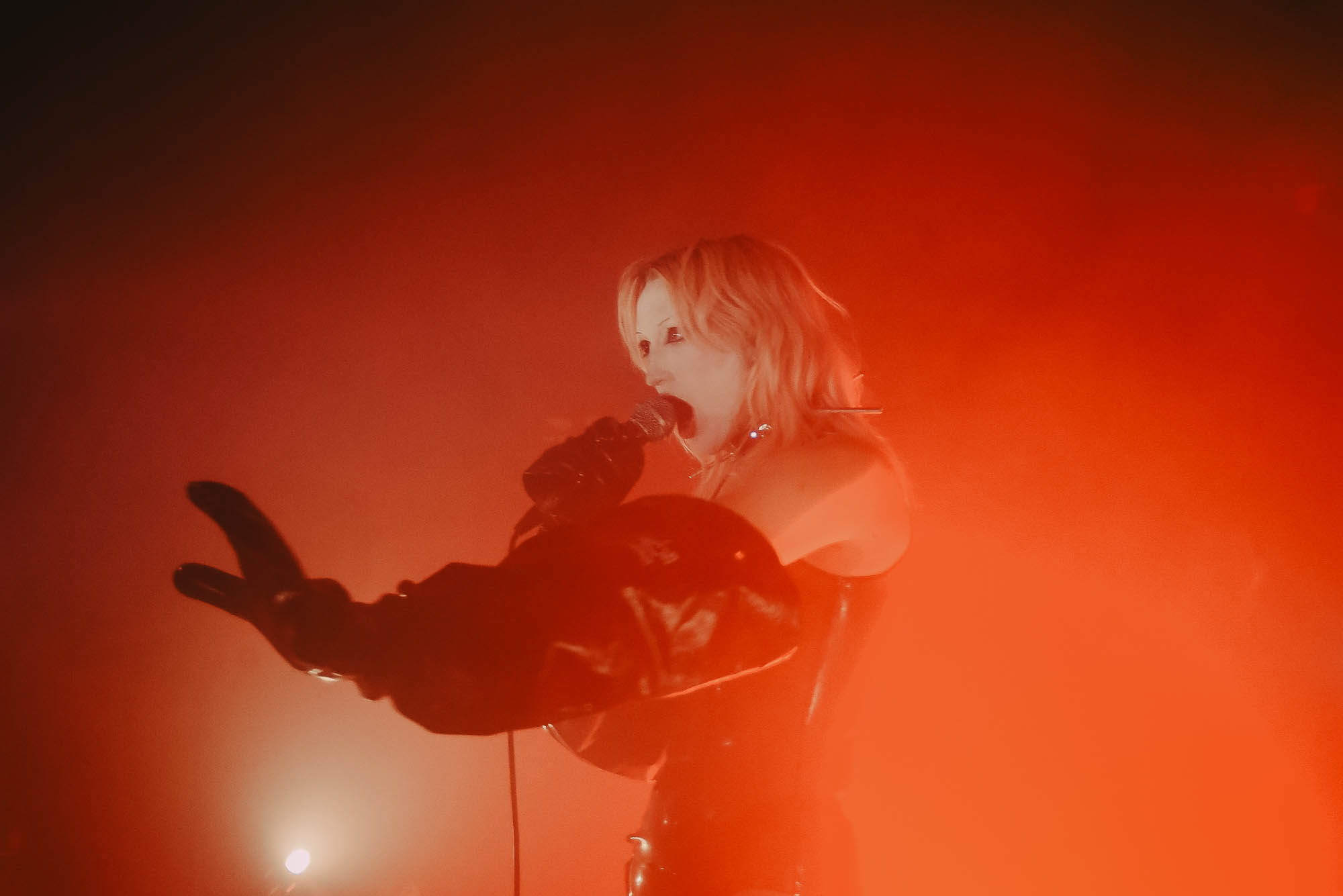
Architek Percussion se produisait lundi à la Salle Multimédia(MMR)  de l’école de musique Schulich de l’Université McGill, soit le plus formidable espace montréalais pour une sonorisation top niveau. L’Ensemble avait prévu un programme double amorcé par l’adaptation de Folk Noir / Canadiana par sa conceptrice Nicole Lizée, Montréalaise originaire des Prairies. Encore une fois, l’émerveillement. 

La compositrice est connue pour ses mashups hallucinants, sa capacité phénoménale de fondre dans sa musique les vidéos d’archive, le collage artisanal et autres formes DIY d’art visuel. Réécrite pour différents instruments de percussions ceci incluant les marimba / vibraphone permettant de produire de la matière harmonique, Folk Noir / Canadiana est rythmiquement puissante et d’autant plus exigeante, les patterns prescrits par la partition se fondent sur un langage polyrythmique complexe et exigeant. 

Qui plus est, ce langage des plus inspirés puise dans une grande diversité de styles populaires ou savants. Les ruptures du discours, digressions, virages à 180 et autres soubresauts y sont multiples, nous avons droit à une relecture foisonnante de canadiana dont de rigolos montages de Mr Dressup, animateur pour enfants ayant sévi à une lointaine époque et marqué des générations de téléphages canadiens.  Ce Nicole Lizée fait de tout ça est absolument brillant, son esthétique absolument unisque.

La deuxième partie du programme, soit Stircrazer I de la compositrice canadienne Sabrina  Shroeder (également prof à l’Université Simon-Frazer, en Colombie Britannique) n’a peut-être pas été aussi marquante dans le contexte d’une première partie aussi forte. Cette perception était probablement amplifiée par la linéarité de l’œuvre et la minceur relative de ses variations. 

On nous avais promis un trip, ce fut un trip assez calme, sauf exceptions – au moment, par exemple, où les grosses caisses étaient martelées par les pédales, technique empruntée au métal, et autres roulements sporadiquement exécutés sans compter quelques éruptions vers la fin. Ainsi, les infragraves et les bourdons dressaient la nappe à une série de vibrations générées par les tambours et les cordes frottées à l’archet au-dessus de leurs cadres.

Cette idée de long murmure/ vrombissment percussif  est tout à fait défendable en soi. Ainsi on pouvait d’abord ressentir que la proposition ici soumise manquait de trouvailles dans ses variations, pour finalement réaliser que l’économie de moyen pouvait faire partie du jeu.

Publicité panam
Publicité panam
Auteur Pop / Avant-Pop / Chamber Pop / Électro / Electronic / Experimental / Experimental / Contemporary

Erika Angell: Everybody, in trance!

by Frédéric Cardin

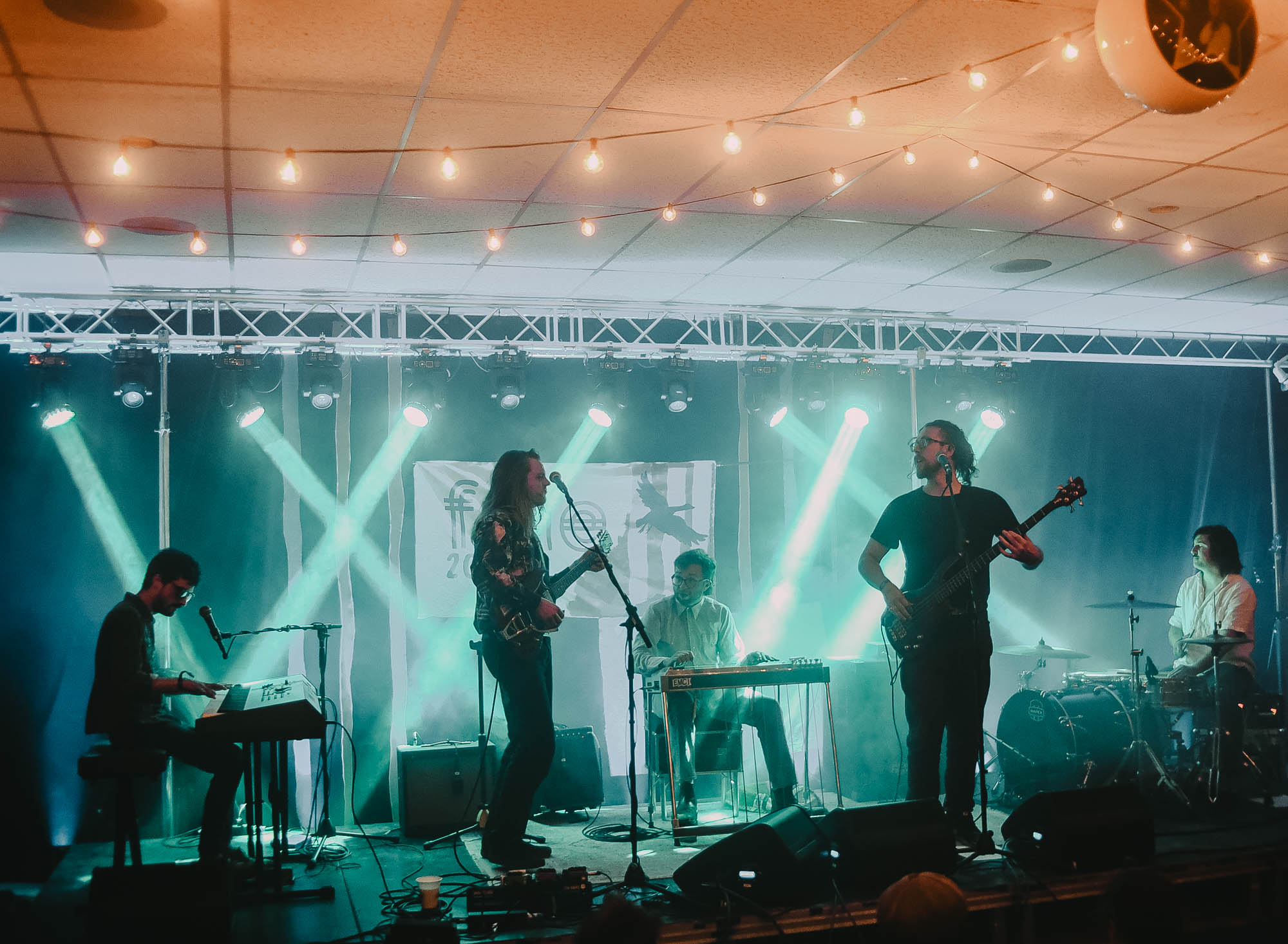
Last night at Montreal’s Ausgang Plaza, singer-songwriter Erika Angell (of Thus Owls fame) launched her debut solo album, The Obsession With Her Voice (which was discussed at length in my interview with the artist – listen to it here!) The packed house resonated to the sometimes soaring, sometimes spiritually incandescent waves of the Swedish-born Montrealer’s music. Her voice, beautiful and in tune, was regularly manipulated by electronic equipment. Next to her, Mili Hong’s drums (excellent) sometimes gave the impression of having an independent life. But this was intentional. To round things off, there was a string trio with two cellos (Audréanne Filion et Jean-Christophe Lizotte) and a viola (Thierry Lavoie-Ladouceur), favoring the lower notes. The packed audience listened with remarkable attention to music that is, after all, demanding and sometimes even difficult. Angell’s music is not about seductive pop. She explores the expressive possibilities of her own vocal abilities through long, spare lines, but harmonically steeped in sophisticated modernism. The lyrics, too, raise the bar with thoughtful symbolism. That said, against a backdrop of beat box pulses of various stripes, purring post-romantic strings and often arrhythmic drums, the artist convincingly won over the audience, who showed a remarkably interested and respectful ear. The audience was in a state of trance in front of the stage beauty, which reached a level of musical quality matched only by other artists like Björk, Joanna Newsom or Kate Bush (even if Erika is stylistically totally different). Not a bad line up to be part of.

The evening was part of the FIKA(S) festival devoted to Scandinavian/Nordic culture. SEE THE FIKA(S) PROGRAMME

expérimental / contemporain / musique contemporaine

Semaine du Neuf | VIVIERMIX // QUASAR + NEM + FIOLÛTRÖNIQ

by Varun Swarup

Hier soir, on nous a servi trois cours de musique numérique, chacun présenté par l’un des ensembles distingués dirigés par Le Vivier. Au cœur de cet événement, deux œuvres mixtes de l’invité d’honneur Pierre Jodlowski et une pièce de Cléo Palacio-Quintin résonnaient dans un mélange éclectique de sons et de récits transdisciplinaires.

Le premier cours a débuté avec « ALÉAS », de la compositrice et interprète elle-même, Cléo Palacio-Quintin à la flûte et son collègue Bernard Falaise à la guitare électrique. Ensemble, ils ont sonorisé en temps réel une projection visuelle ostensiblement d’eau qui coule, dans une invitation à redécouvrir le monde qui nous entoure à travers un prisme déformant de son et de poésie de Thierry Dimanche. Vous pouvez lire notre entretien avec Cléo ici.

André Leroux, l’un des saxophonistes du prestigieux quatuor Quasar, a été à l’honneur lors de la deuxième représentation, dans son interprétation de “Le dernier songe de Samuel Beckett”. Leroux a fait preuve d’une maîtrise considérable dans cette performance qui impliquait des lignes atonales araignées et de nombreuses techniques étendues. Avec son pied, il contrôlait une pédale qui déclencherait une piste d’accompagnement, des paysages sonores banals et effrayants dans cet hommage au dramaturge estimé.

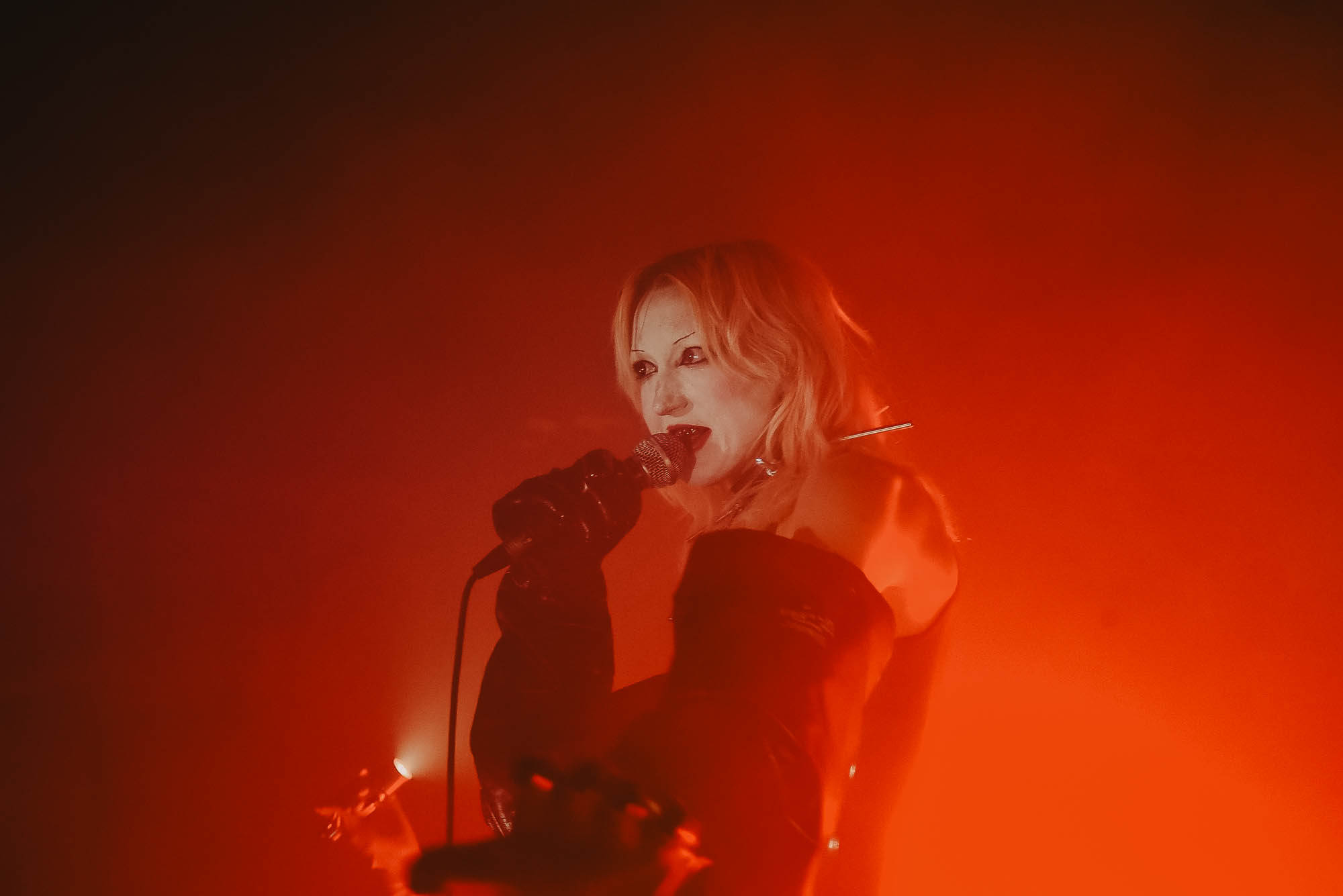
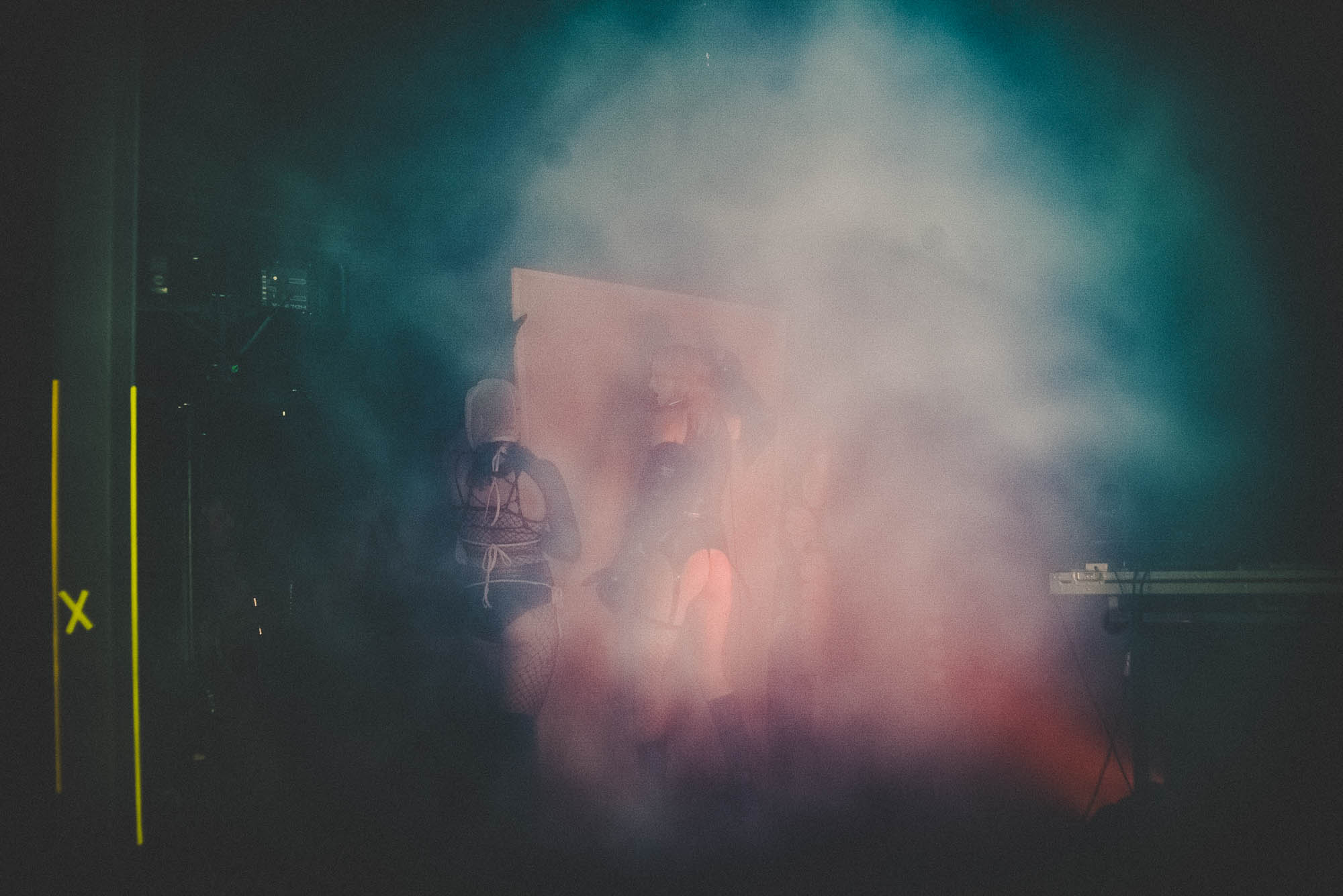
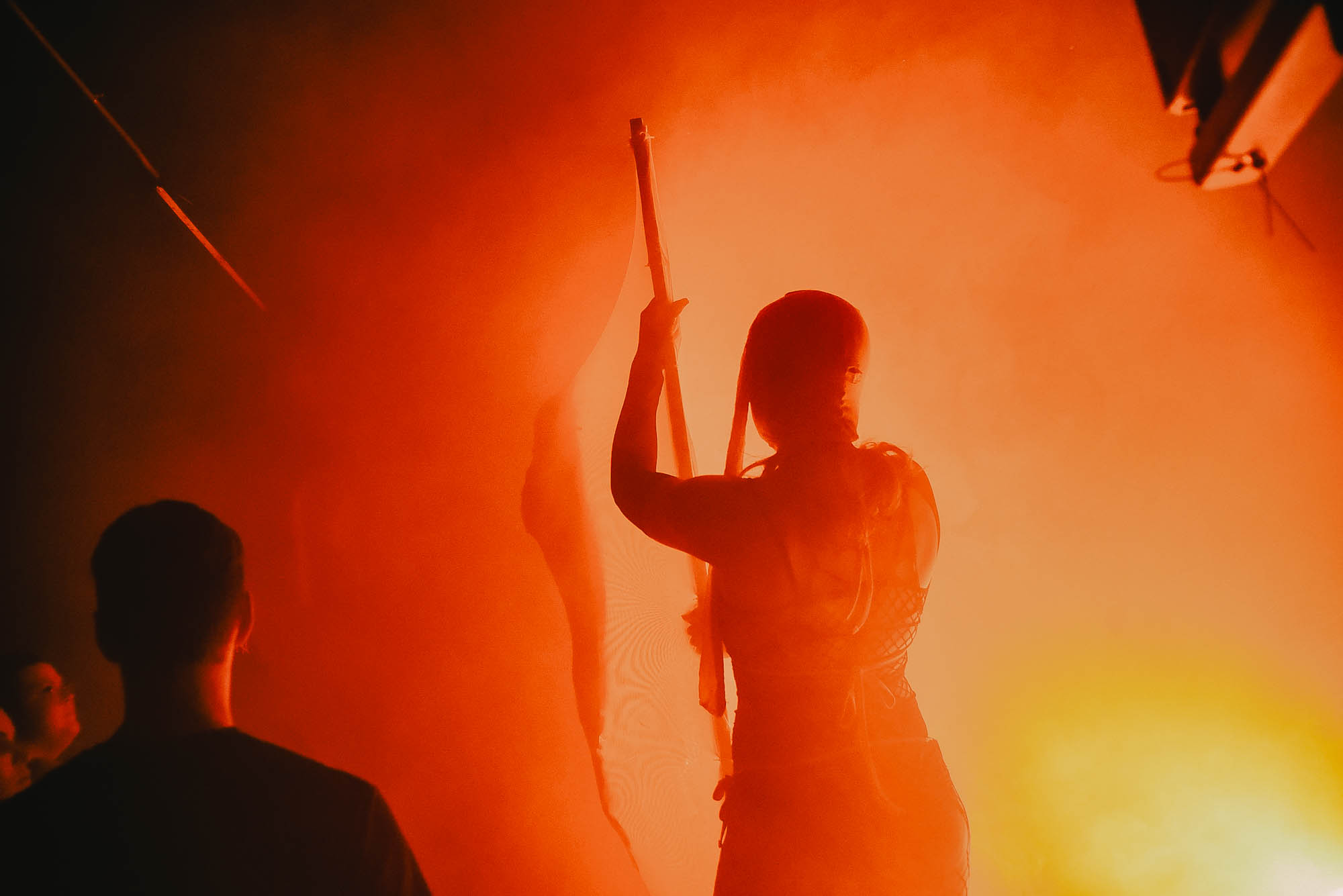
Pour moi, le point culminant de la soirée a été la représentation de l’œuvre de Jodlowski, “Respire”, interprétée par le Nouvel Ensemble Moderne. Il s’agit d’une œuvre qui semble explorer le mécanisme même par lequel nous nous maintenons en vie, notre respiration. Des corps humains sans visage se contorsionnent et bougent en synchronisation avec les sons hypnotiques de l’orchestre, parfois fous, mais parfois beaux dans cette danse entre son et silence. On peut certainement entendre l’influence du minimalisme à la Steve Reich, prononcée par les accords sublimes occasionnels du clavier. Un ouvrage vraiment envoûtant et qui fait réfléchir.

expérimental / contemporain / Modern Classical / musique contemporaine

Semaine du Neuf | Lascaux + Mad Max

by Varun Swarup

La Semaine de Neuf de cette année, présentée sous le cadre du Le Vivier, promet d’explorer les liens entre les arts numériques et la musique de création, donnant jusqu’à présent des résultats prometteurs. La représentation de ce soir, une double programmation, a été une autre soirée réussie pour le programme de cette année, qui comprend des performances à caractère multimédia et interdisciplinaire.

La première moitié du programme, Lascaux, a été interprétée et composée par deux artistes électroacoustiques italiens, Giulio Colangelo et Vittorio Montalti, qui cherchent à explorer le moment où l’étincelle créatrice est née dans ces célèbres grottes avec cette pièce. Il est difficile de dire si cet objectif ambitieux a été atteint ou non, mais considéré uniquement comme une expérience sensorielle et audiovisuelle, ce fut certainement un plaisir à vivre. Les deux artistes ont joué avec des sons et des bruits incroyablement tactiles et viscéraux grâce à la magnifique installation son et lumière de la salle du Conservatoire de Musique. Cependant, je n’ai pas été très convaincu par la narration de cette pièce ni ému par son arc, car il révèle beaucoup de choses dans les mêmes textures, mais c’était quand même très agréable.

Le point culminant de la soirée a été cette interprétation éclectique de Mad Max du compositeur français de musique mixte Pierre Jodlowsky, dont l’œuvre est à l’honneur cette année. Sa vision de ce héros hollywoodien est en fin de compte un examen brutal des défauts et des vices souvent associés à de tels personnages : violence, machisme, brutalité. Charles Rambaldo a livré une performance captivante en tant que personnage principal, se frayant un chemin non seulement à travers une post-apocalypse mais aussi une partition musicale incroyablement détaillée qui impliquait beaucoup de coordination de sa part. La composition commence avec l’interprète mimant la conduite d’une moto avec des détails convaincants, avant d’interagir avec une grosse caisse sur laquelle est projetée une bouche. La pièce monte en crescendo dans sa partie du troisième acte avec l’interprète se mettant enfin au vibraphone, menant au moment le plus « musical » de la partition invoquant les sons du gamelan. Certainement une performance très amusante et réfléchie, et qui rendait justice au matériel source explosif.

Contemporary

Semaine du Neuf | Ice, Creation, and Immersion

by Elena Mandolini

Saturday evening at the Centre PHI featured an immersive, contemplative concert presented by the Paramirabo ensemble. The program focused on three works by Quebec composer Jimmie Leblanc, which flowed together to create an intimate atmosphere. All in all, a very successful concert, with both visual and aural highlights.

From the moment we entered the hall, we could feel the desire to immerse the audience in the work, as Jimmie Leblanc spoke of in an interview with PAN M 360 earlier this week. The small room set up for the occasion at the Centre PHI is admittedly cramped, and we’re very close to our neighbours, but this contributes to our feeling of connection between members of the audience, but also with the artists. By literally sitting inside the art installation, we really feel part of the performance.

The first piece, …and the flesh was made word. has a very joyful, dynamic energy about it. There’s a sense of anticipation, as if something is in the making as if we’re witnessing the creation of something new. The work is rhythmic, guided by a single note repeated with relentless regularity on the piano. To this single note are added more or less dissonant chords. The next piece, Clamors of Being, follows on almost imperceptibly: a change in lighting and a change in the repeated note on the piano are the only means of realizing that we are in the second half of the concert.

It’s easy to see how the two works are related, with the latter complementing the former. Here, the melodic lines are more dynamic, with rapid arpeggios shared between piano and wind instruments. There’s a great lightness and delicacy to this work. You feel like you’re floating, guided by the swirling melodies. What these first two works have in common is the relentlessly repeated note, which acts as an anchor and landmark on which the entire score can be built.

The transition to the title piece, Ice, is unfortunately not without its pitfalls. We think we understand a technical problem, with technicians moving quickly around the hall and stage. Despite this, we try to keep the audience in the contemplative, immersive atmosphere that had been so well established. Pianist Palema Reimer and percussionist Krystina Marcoux continue to create a light soundscape, to avoid creating a cut in the sequence of the program and still enliven this moment of transition, of floating.

The program resumes under the direction of Cristian Gort for the piece Ice, born of a collaboration between Jimmie Leblanc, artist Fareena Chanda and physicist Stephen Morris. The audience is seated inside three metallic fabric curtains, onto which Fareena Chanda’s work is projected, while the Paramirabo ensemble musically evokes the formation of ice. In this work, too, the piano comes to the fore with a magnificent, highly melodic score. The piece is punctuated here and there by chords full of friction and dissonance. The mood is peaceful, contemplative and truly immersive. Throughout the evening, the performers’ playing is precise, in perfect cohesion. The challenge of immersion has been met.

It will be possible to experience the installation on Sunday, March 10 at the Centre PHI between 12.30 and 5.30 p.m., for free.

To find out all about the program for the Semaine du Neuf at Le Vivier, click HERE!

Contemporary / Post-Minimalist

The tranquil and (too) discreet music of Missy Mazzoli

by Frédéric Cardin

On Wednesday 28 February, Salle Bourgie welcomed violinist Jennifer Koh and composer and pianist (and keyboardist) Missy Mazzoli for a type of concert that is still rare in Montreal, hence the title of this article. It’s a discreet kind of music, because here in Montreal it’s still under-recognised. Yet Mazzoli is one of the most important musical creators of our time. Elsewhere in English speaking North America, she is a star. 

The programme presented in Montreal was part of a tour by the two musicians and friends celebrating fifteen years of collaboration. It featured works by Mazzoli either written for solo violin or as a duo with piano (or synthesiser keyboard). With perfect organic coherence, this programme was deployed like a great thin veil, with undulating movements that swell and deflate the sound fabric, in a stylistic whole that is quite soaring and resolutely post-minimalist.

The final result gives an imperfect idea of Mazzoli’s musical contribution to the early 21st century, for her output is far more complex and fleshed out than yesterday’s relatively monochrome programme. Listen, for example, to her superb Double Bass Concerto ‘’Dark With Excessive Bright’’, her opera Proving Up, or These Worlds in Us for orchestra, and you’ll get a better idea.

That said, this concert, full of beautiful moments of intangibility and contained spirituality, was important because it presented in Montreal a still too rare concert of what I would describe as real “music of our time”. Scholarly music that blends the need for a return to tonality with the sonic possibilities inherited from the modernist avant-garde, scholarly influences with vernacular, impressionistic and affective atmospheres with textures more akin to indie pop/rock or electro. But, because Montreal has been a strong continental hub of avant-garde post-Boulezian contemporary music, the awareness, even less the appreciation, of newer post-minimalist stuff has been slow coming.

This is not to say that this music is better than ‘traditional’ contemporary avant-garde music. Not. At. All. It’s just a paradigm shift. Traditional contemporary music, with its abrasive and abstract worlds, is in fact a tool, a way of doing things that is hyper-concentrated on intellectual formalism. The result can be works of fabulous, suprasensible beauty. New contemporary music, on the other hand, takes an infinitely more holistic (or inclusive) approach, aiming to create new worlds of sound and, above all, emotion, without denying itself any compositional tool or technique, and shunning concepts of High and Low art.

The first is fuelled by rigorous knowledge, and leads sometimes to emotions. The second is fuelled by emotions and imagination, using a large amount of knowledge that leads to transcendence.

I’d like to thank Olivier Godin, Artistic Director of Salle Bourgie, for his commitment to the development of a Montreal listening culture for this music that we can’t afford to ignore for long.

Africa / Afro Funk / Afro Fusion / Afrobeats / Dancehall / Kompa / Reggaeton / Soul/R&B

Burna Boy almost fills two Bell Centres: Nigeria on our doorstep!

by Alain Brunet

Over the past sixty years, Africa has popularized some of its most remarkable stars in the West: Miriam Makeba, Fela Kuti, Touré Kunda, King Sunny Adé, Alpha Blondy, Youssou N’Dour, Salif Keita, Angélique Kidjo, Oumou Sangaré and Yemi Alade. The last black, non-Western frontman to fill a major Canadian arena as a headliner was Bob Marley… who wasn’t a native of the continent of his forefathers, that’s saying something!

Outside Africa, where they easily fill stadiums, none of the artists mentioned has had such an impact in North America as that seen this week. There is now one exception, the first of many to come.

Burna Boy makes history this week, 18 months after his sensational performance at Osheaga (August 2022), a precursor to the Nigerian Afrobeats movement’s invasion of North America. The first African artist to play Bell centers twice in a row, the frontman embodies a global transformation of pop culture. Wow.

Over 30,000 fans will have flocked to the Bell Centre this week, two nights in a row, to applaud the biggest star of the Afrobeats movement, a non-Western style that has gone global. The influence of this style compares favorably with other powerful movements born outside the U.S. and Western Europe, starting with reggae and reggaeton.

On Thursday evening, the arena was packed with diversity. Predominantly populated by the 18-30 generation, the crowd sang along to the offerings of Lagos-based DJ Lambo, one of the opening acts in a wide-ranging program that began at around 7.40pm and ended shortly before midnight. Also from Nigeria, singer Nissi Ogulu did her best (with ups and downs, to put it politely) and the program’s first DJ, Spaceship Billy, returned to warm up the room before Burna Boy triumphed for two hours. Generous!

The playground is an urban setting inspired by a working-class district of Lagos. A telephone booth is set up in front of several local shops, including a barber and a grocery store. The 4 reeds and brass instruments overhang the stage on the right, while the 3 backing singers do the same on the left. Drums and percussion are arranged at the ends, with the harmonic core of 4 musicians (keyboards, guitars, bass) in the center. A string trio (violin, viola, cello) appears a few times, while 6 dancers express themselves throughout this highly ambitious show.

Burna Boy is frontman, bandleader, crooner, groover and sex symbol all rolled into one. His ascendancy over the female gender is more than obvious, with the ladies clearly in the majority singing along to his megatubes, particularly his romantic ballads.

On the PAN M 360 side, we preferred the mostly epidermal Afrobeats grooves, an infectious mix of dancehall, reggaeton, afro-funk, juju, konpa, soul/R&B or even jazz, matched with a significant layer of Nigerian culture.  Among the thirty or so songs on the program, we’ll have noticed the performance of the following hits: “I Told Them”(also the title of the tour), “Gbona”, “Pull Up”, “On The Low”, “On Form”, “Giza and more.

We all know that humanity is going through a critical period in its presence on Earth, but it’s not all bad news. The rebalancing of planetary cultural forces is good news! Burna Boy is here to remind us that there is always hope for humans of good will.

Photos by Stephan Boissonneault

Contemporary / musique contemporaine

“In the Half-Light” – Barbara Hannigan with Orchestre symphonique de Montréal

by Varun Swarup

Under the guidance of Rafael Payare, Barbara Hannigan, accompanied by the OSM, delivered an enthralling rendition of Zahra Di Castro’s composition, “In the Half-Light.” As title itself suggests, this work is an exploration of the liminal spaces of dusk and dawn, weaving a fragile narrative that gracefully shifts between moments of tension and resolution, between the light and the dark. The composition, a song-cycle featuring text by Malaysian writer Tash Aw, transcends mere musicality to delve into themes of human displacement, reflecting the aspirations and dreams of migrants, refugees, and those in search of a metaphorical light elsewhere.

The work, appropriately charged with tension, incorporates cinematic and impressionist textures reminiscent of Ravel and Lili Boulanger. Hannigan, renowned for her virtuosity and adept command of contemporary repertoire, skillfully brought to life the inherent drama embedded in Di Castro’s composition. Her vocal prowess, marked by a rich vibrato that effortlessly filled the Maison Symphonique, revealed not only technical mastery but also a profound emotional depth. Each note carried a sense of authenticity, resonating with the integrity with which Hannigan approached the performance.

While the overall impact of the piece was undeniably powerful, any potential criticism could be directed more towards the nature of the work itself than Hannigan’s execution. As is common in many contemporary compositions, “In the Half-Light” ventures beyond traditional tonal structures, embracing dissonance to convey broader thematic nuances. While this may not always align with conventional musical preferences, it serves a narrative purpose, underscoring the broader themes of the composition. Despite moments of dissonance, these choices only served to amplify the impact of the luminous moments, where the intricacies of Di Castro’s orchestration seamlessly merged with Payare’s direction and Hannigan’s delicate execution, creating moments that approached the sublime.

classique / Modern Classical / période romantique

Kevin Chen, or the challenges of an 18-year-old virtuoso

by Alain Brunet

Budapest Liszt Competition, Geneva Competition, Arthur Rubinstein Competition… Between the ages of 16 and 18, Alberta’s Kevin Chen has already won top prizes in these international competitions, not to mention honorable mentions in several others. Clearly gifted, this instrumentalist has only just passed the threshold of adulthood, and we present him to the music-loving public always eager to discover an emerging virtuoso in the context of a recital.

Too soon, we might say, after this program presented on Sunday by Pro Musica at Salle Pierre-Mercure, but…. If Kevin Chen has won these competitions, it’s certainly not for his technical skills alone. Musicality, emotion, grace – in short, all the characteristics that distinguish great musicians from the best technicians – must also be present.

And yet, on Sunday, the young man did not experience his best afternoon, that is to say, a moment of grace when all the values of great music come together. Should we conclude from this that it’s always the same on his side?

From a strictly technical point of view, the ivories are perfectly mastered, and both left and right hands do their job in this program. The articulation is very solid, the pedal play interesting, the sonority ample. The problem with this Sunday performance, in fact, is one of style, voluptuousness and even pianistic personality.

Here again, we can’t be peremptory on this question, as a musician of this age probably hasn’t yet acquired the consistency of his elders.  Nevertheless, we assume that he can sometimes be inhabited by the great spirits of music and … as was the case on Sunday, it happens that pressure, fatigue and other worries of life can block their harnessing on the performer.

Nevertheless, we assume that he can  sometimes be inhabited by the great spirits of music and … as was the case on Sunday, it happens that pressure, fatigue and other worries of life can block their harnessing on the performer.

At this early stage of a potentially remarkable career, Kevin Chen is not immune to the irritants that limit him to a clinical, albeit technically remarkable interpretation for anyone who rarely has access to such a level of execution. Although… I heard several doubts expressed, and these doubts did not come from the patented critics.

The 28th of Beethoven’s 32 piano sonatas, it has to be said,  is no mean feat to pull off early in one’s career, but one imagines he’s done it before since it was a big part of this program. Calculated risk? As for Felix Mendelssohn’s Fantaisie en fa dièse mineur, op.28, we felt he was more fluid, but not exactly on the side of magic and transcendence.  To conclude the first part, the version for solo piano of Ravel’s “La Valse”, a ternary course certainly influenced by the jazz of the 20s, starting with that of George Gershwin and the stride piano then in vogue in New York, is played with… abrupt precision. As if emotion exploded through a form of pianistic violence…

The second part was dedicated to Franz Liszt, who was himself a piano virtuoso and part of the obligatory career path of every aspiring concert pianist. He played three sonnets from the Années de pèlerinage, taken from the 2nde year of the cycle, nos. 47, 104 and 123.  And concluded with Réminiscences de Norma, S.394, also by Liszt. At the encore, he will play Liederkreis, Op. 39: XII. Frühlingsnacht, by Robert Schumann, arranged by Liszt.

In short, we’ve seen Kevin Chen’s immense talent, but we haven’t yet seen the immense musician he could become. High virtuosity in classical music is more and more remarkable in this world, and never before have so many musicians reached such a level, but… life must take its toll, and the challenge for the best like Kevin Chen lies in the quest for style and personality. Let’s bet he’ll be different and better by his next recital, of course, if he’s aware of these issues and those around him grasp them too.

Classical / Modern Classical

Friday night at OM: spectacular violin and Fairy sand tales

by Frédéric Cardin

Another symphonic evening that fills the music-loving heart with hope and pride. The Maison symphonique in Montreal was packed to capacity on Friday evening. A colorful, well-diversified crowd, with many young people in attendance. The Orchestre Métropolitain (OM) attracts, and what’s more, with a program of works largely unknown to the general public. Something very positive is happening in Montreal for the future of classical music. In short, my first impression of this evening: a success.

Now for the program and the rendering. Let’s say it right away: it was very enjoyable. Conductor JoAnn Falletta, a pioneer of female conducting in the U.S., addressed the audience in a very correct, respectful French. She set the scene for what was to come with sobriety.

The evening opened with Gustav Holst’s Winter Idyll. A short symphonic poem with a pastoral feel, but with a broad, sometimes cinematic deployment. It evokes a picture of wintry England, shrouded in snow. ‘’A bit like Quebec,” the intro says. I doubt it. Holst wouldn’t have written such relatively serene music if he’d known the Canadian cold. Nonetheless, it’s very pretty and Falletta leads with precision, albeit with a little too much reserve, in my opinion.

The first of the evening’s two “stars” arrived for the second course: the flamboyant violinist Nemanja Radulovic. Long hair down to the middle of his back, wide-ankled pants almost reminiscent of a dress, he represents what in another era purists would have loved to hate. Fortunately, we’re not there anymore. What counts is the music. This one, Aram Khachaturian’s Violin Concerto, clearly required this kind of performer. Movements 1 and 3 are furiously expressed, often bringing us back to the energy of his famous Saber Dance. Then, a central movement full of tenderness but also sadness, with exquisite triple pianissimos from the soloist. I was expecting, however, a brighter, more propulsive sound from him. Instead, he sounded veiled, especially at the beginning of the score, resulting in some imbalances between him and the orchestra, which buried his speech on a few occasions. Things settled down along the way, and the musician’s technical fireworks (what diabolical mastery of his instrument!) lifted the crowd into, shall we say, delirium.

I’d like to note the exceptional playing of a few of the Orchestra’s first chairs: horn player Louis-Philippe Marsolais, who performed to perfection a monstrously difficult solo in the 1st movement, and then, in the same movement, clarinetist Simon Aldrich, in an intimate exchange with Radulovic, who was very attentive (the violinist turned around for this passage, with his back to the audience to better converse with Aldrich). A beautiful moment. 

After a prolonged standing ovation, Radulovic finally gave an encore: Što Te Nema by Aleksandar Sedlar, a Bosnian mourning song in which the Serbian violinist demonstrated that he cannot be reduced to a media circus virtuoso. In this piece, which oozes melancholy, he achieves an almost unimaginable degree of dynamic sweetness. What, four or five pianissimos? A needle hitting the carpet would have outdone him. Impressive. Thanks to the Maison symphonique’s mesmerizing acoustics, such incredible music-making can be heard in all its finesse. This piece can be found on Radulovic’s Roots album.

The evening’s other star soloist is not a musician, but a visual artist. Ukrainian sand artist Kseniya Simonova has been travelling the world for several years. She has taken part in, and sometimes won, all kinds of popular competitions such as Got Talent in several countries (Ukraine, Britain, America, etc.). Her work is very beautiful, with a more fluid and animated resemblance to shadow theater techniques.

Last night, she was given the challenge of bringing visual life to the score of Zemlinsky’s The Little Mermaid (Die Seejungfrau). Of course, the subject itself was already well-suited to this kind of animation: a classic fairy tale, evocative visual accompaniment, everything was in place for a relevant marriage. I must admit, I didn’t expect it to be so successful and enchanting. Not only does Zemlinsky’s undulating, post-romantic, impressionistic-tinged music have what it takes to transport the mind and heart, but the virtuoso’s visual artistic technique is perfectly suited to it. Kseniya Simonova, too, transforms her canvas with magical fluidity to the ever-changing music. The beard of Neptune, god of the seas, can become, with remarkable ease and speed, a ship carried by the waves or a starry sky. Before our very eyes, the mermaid’s tail becomes a pair of elegant legs. And so on, so that the audience fully understands what the music is telling (although everyone present must already have known the story by heart).

The beauty of the setting is amplified by the slightly golden color of the tabular backlighting, on which the grains of sand manipulated by the artist twirl, lending an ancient, even timeless aspect to the fantastic panorama unfolding before our eyes. All of this projected onto a giant screen for an enthralled symphony house. 

Nemanja Radulovic JoAnna Falletta Orchestre Métropolitain cr.: François Goupil

As I said, the Orchestre Métropolitain outdid itself. But I’d also like to highlight JoAnn Falletta’s clear, solid direction. Without being breathtaking, the conductor imposed order and confidence, leaving enough room for the musicians’ expressiveness. A no-nonsense maestra, devoted to the music and leaving the “show” to those who are paid to do it.

I had a very strong feeling that the largely unaccustomed audience came away from this adventure with a shared sense of satisfaction and wonder. Bravo to OM, that’s exactly what music is for.

8th annual ViU concert | The Different Avenues of the Next Generation

by Elena Mandolini

Since 2015, Le Vivier has been the umbrella organization for the Vivier Interuniversitaire (ViU), a group that aims to create links between the various institutions of higher education in music in Montreal, to stimulate and give visibility to up-and-coming artists and their creations. Last night too place the ViU’s 8th annual concert, which featured some interesting and, above all, highly diverse discoveries.

The six works on the program were intended for a variety of musical formations. The first, Canción by Tomás Díaz Villegas, was for trumpet, accordion, two cellos and conductor. The great control of all the instrumentalists is particularly noticeable in the pianissimo moments. The trumpet takes pride of place, with melodic lines taking center stage, while the other three instruments accompany. The accordion, with its complex sound, acoustically bridges the gap between trumpet and strings, adding another dimension to the work. A very well-thought-out composition.

The second piece, As The Light Shines Through by David C. Gale, for electronics, requires no stage presence. The sound recording is launched, and the audience listens, absorbed, in the near-darkness of the auditorium. This is a spatialized work, with a three-dimensional soundscape. This highly evocative work explores sonorities. A steady beat is heard throughout the work, but this beat transforms, develops and moves around the room. This work is unsettling, in the best sense of the word.

Studies for the Second Womb, by Yulin Yan, is probably the most disconcerting piece on the program. Inspired by the universal (but forgotten) sensory experience of the moment spent in our mother’s womb, this work is composed of noises, onomatopoeia, clicks, echoes and breaths, partly produced by the performers, partly broadcast over loudspeakers. The saxophone and cello are given pride of place, but mainly to produce sounds outside the traditional repertoire of their respective instruments.

Philippe Mcnab-Séguin’s Generic Music 1: Trad drew the most enthusiastic response from the audience, and for good reason: it’s a surprising work that plays with our expectations of Quebec’s traditional music repertoire. This mixed composition combines a soundtrack with which the solo violinist plays. Just when you think you know where the melody is going, you branch off and go somewhere else entirely. We pass through trad music, of course, with great fiddling virtuosity, evoking the reels and other folk dances of Quebec. But we also explore prog rock, passing through metal with frantic distortions and rhythms.
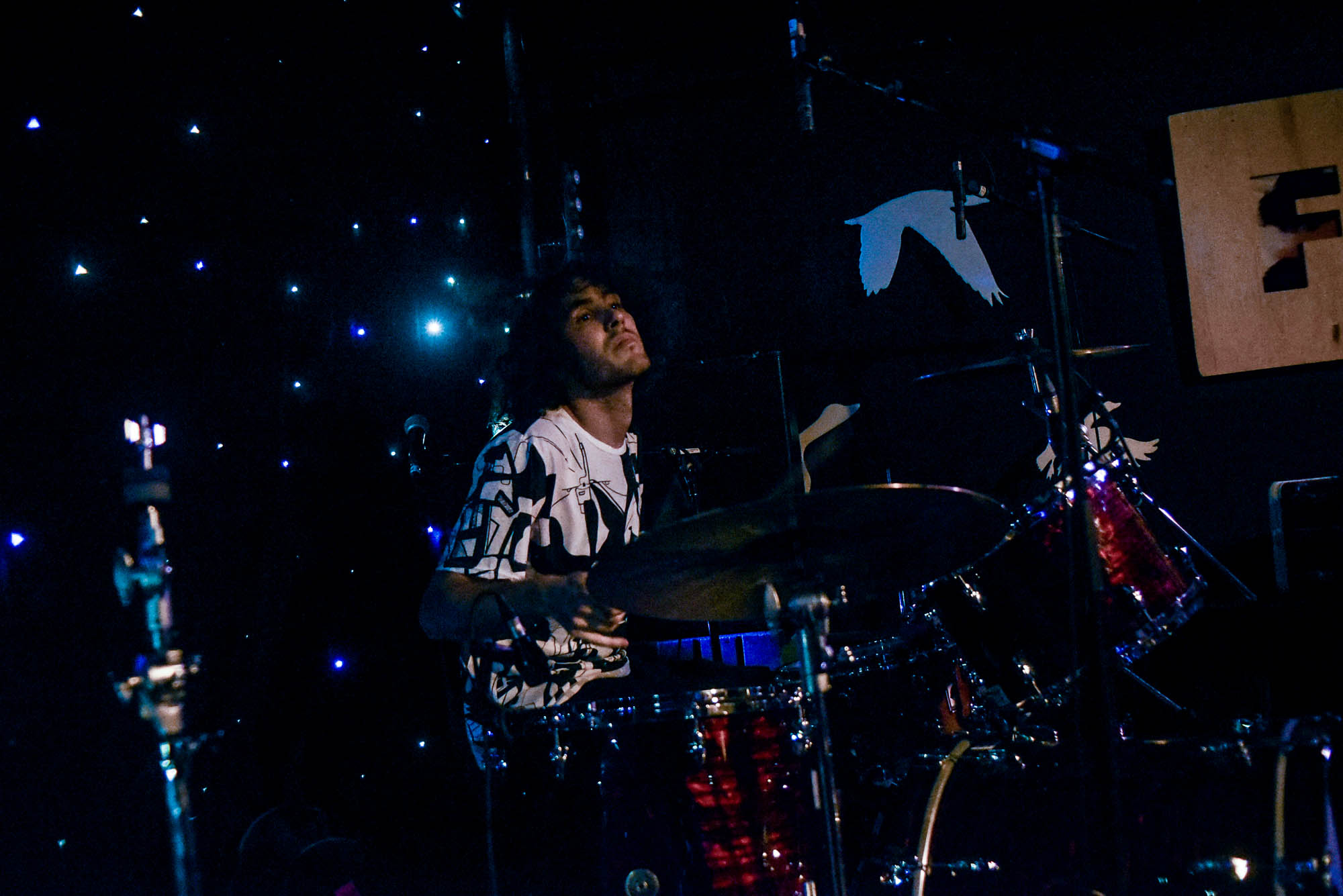
Ramification by Hannah Barnes is a piece for solo percussionist. Behind an installation of drums, gongs and chimes, the performer takes us into a world of sonic exploration. We hear ghostly noises and sounds that seem to have emerged from a science-fiction movie soundtrack. There are also beautiful moments of contemplation, followed by frenetic moments.

Finally, Florence M. Tremblay’s Insides is performed by a string quartet. This work, which explores the use of quarter tones, requires each performer to tune differently. The work opens with long, held tones, and chords that change and evolve slowly. The immense control of each performer is commendable: the notes are stable, impeccably stable, despite the very soft nuances and dissonances. The work ends with chromatic scales, where the instrumentalists come together for a fraction of a second, once in a while.

The evening’s varied program demonstrated the many different modes of expression in new music. The works were carried throughout the concert by remarkable performers. We can’t wait to see the careers of this brilliant new generation develop.

classique / Modern Classical / post-romantique

Barbara Hannigan, La voix… superhuman!

by Alain Brunet

Exploit. Prowess. Vision. Unprecedented. Extreme refinement. Superlatives are not enough to sum up this performance by Canadian soprano Barbara Hannigan, able to provide solid orchestral direction while magnificently interpreting La voix humaine, a text by Jean Cocteau (1889-1963) set to music by modernist composer Francis Poulenc (1899-1963), i.e. the nec plus ultra of French culture in the previous century. 

It could have been as simple as a technical feat: singing, playing a character and conducting an orchestra all at the same time are unprecedented. Yes, let’s face it, it’s been done before, but a form this accomplished  this virtuosic? Not likely.

From the outset, Hannigan conducted a post-Romantic work by Richard Strauss (1964-1949), composed in the twilight of his life at the end of the Second World War. Upset by the conflicts and by a Germany in perdition with dramatic consequences for its cultural facilities, including a Munich theater of which he was long artistic director, Strauss had taken refuge in Goethe’s writings, including The Metamorphosis of Plants, which is said to have inspired Metamorphoses TrV290,  a 26-minute continuous work for just over twenty instrumentalists, and whose purpose is to calmly and darkly express the cycle of life, even at the lowest level of existence.

We then have the opportunity to contemplate the relationship between the guest conductor and the OSM, very much in tune with the context  before the main course. Imagine an opera singer playing the role of this poor woman talking on the telephone to the man she loves so much, apparently on the other end of the line, communication occasionally interrupted by the technical problems inherent in the prehistory of the telephone – the late 20s. Throughout the drama, the woman abandoned by her lover multiplies her reproaches and supplications to the last degree of despair, while leaving some rubble of lucidity on the devastated site of her love drama. The soprano’s task, you will understand, is immense: with a symphony orchestra, she has to perform a major work lasting some forty minutes. Is that enough? Not at all.

Now imagine that, apart from this already complex task to honor, Barbara Hannigan conducts La voix humaine simultaneously with the Orchestre symphonique de Montréal. With complete fluidity! One imagines that a colossal amount of work had to be done to gracefully link the character’s gestures with those of the instructions given to the orchestra in real time. And it’s mission accomplished, in front of a stunned audience who applaud him wildly for long minutes at the end of this exceptional performance.

Given that she has been living in France since 2015, after a 6-year stay in Holland from 2009, and that her Canadian upbringing had already opened her up to bilingualism, Barbara Hannigan’s French is exemplary. What’s more, it adheres to the pronunciation rules of traditional French opera singing – notably those generously rolled R’s as they were once pronounced in a large part of the Hexagone. 

The theatricality of his performance is exemplary, magnified by a brilliant staging (Clemens Malinowski) and multi-image video capture superimposed in real time on a large screen (Denis Gueguin). It’s worth noting that the voice is amplified, and that it couldn’t be otherwise in such a context. Although the singer’s back is to the audience for most of the performance, amplification is essential if the soloist is to be intelligible to a symphony orchestra. This theatricality is sober, minimalist and highly refined. The interplay between screen and real-time performance is extraordinarily effective, and the sixty-strong orchestra responds perfectly to the maestra’s instructions.

For we are dealing here with a great maestra and a great soprano, so come and see and hear this woman of almost supernatural talent during her stay in Montreal!

Le même programme est présenté ce jeudi, 19h30, à la Maison symphonique, INFOS ET BILLETS ICI

Subscribe to our newsletter

Inscription
Infolettre

"*" indicates required fields

Type of Suscribers