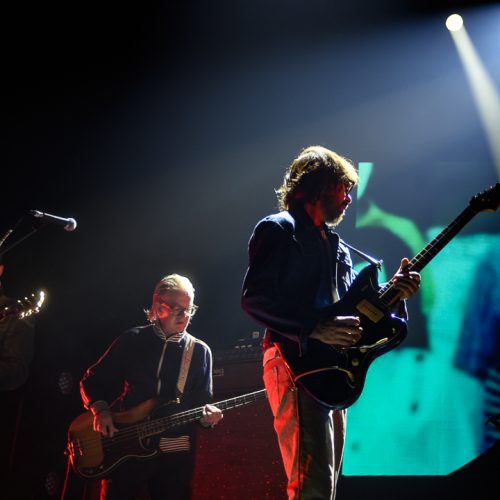
Nels Cline has led a double, even triple or quadruple musical life since his professional debut. As a rock soloist with Wilco, he also performs contemporary jazz, free improvisation, noise, avant-rock, avant-folk, electroacoustic, and contemporary music of European tradition. It would be a mistake to try to confine him to any one of those boxes. Cline is one of those visionaries evolving at the antipodes of any sectarianism. Fans of American rock recognise his singularity, fans of contemporary music follow his career with interest, practitioners of extreme eclecticism happily enter his universe. The Nels Cline Singers have already given some memorable concerts. Jazz is most probably their dominant idiom, but Share The Wealth includes several stops that have little to do with it. Like John Zorn’s projects such as Electric Masada and The Dreamers, this group embodies what jazz-fusion should have become long ago, before it was transformed into performance music, a forum reserved for virtuoso soloists whose playing too often unfolds at the expense of compositional vision. Luckily, new projects from the original jazz-fusion are emerging from amid the repetition and showboating. Cline is one of the key craftsmen of this trend, combining several traditions around a sort of jazz descending from the great electric sessions conducted in the late ’60s and early ’70s. Not only can we identify references to Miles Davis, Wayne Shorter, Josef Zawinul, Chick Corea, and John McLaughlin, but also to other compositional aesthetics. The Nels Cline Singers is a variable ensemble yet a well-oiled, quick-response machine. Surrounding Cline are saxophonist Skerik, keyboardist Brian Marsella, bassist Trevor Dunn, drummer Scott Amendola, and percussionist Cyro Baptista. No singers in the Nels Cline Singers! This work sits in the realm of human singing that human machines have extended since time immemorial.
Latest 360 Content

Interview Classical/classique
Guillaume Côté’s A Midsummer Night’s Dreams: the choreographer talks about his intimate relationship with music
By Frédéric Cardin
Concert review classique/Classical
SQMC/Chapelle Historique du Bon Pasteur: Discovering Quebec’s contemporary music
By Pietro Freiburger
Interview
Akousma| Felix Deufel introduces us to the uncharted sonic richness of the Arctic
By Michel Rondeau
Interview Classical/classique/Electronic
Akousma | Les Artefacts sonores de Roxanne Turcotte
By Alexandre Villemaire
Interview Electronic/expérimental / contemporain
Akousma | The Audréanne Filion and Myriam Bleau Duo: Where Reality and the Virtual Merge
By Michel Rondeau
Interview Electronic/expérimental / contemporain
Akousma | Exzald S, la violence du calme
By Alain Brunet
Concert review Caribbean
Mois du Créole 2026 | Richy Jay: Keeping Konpa and Zouk Alive in Montreal
By Juliana Cortes
Interview arts numériques/Classical/classique/Électronique
Akousma | Melanie Zhou: Shaping Sound, Expressing Emotion
By Alexandre Villemaire
Interview arts numériques/Classical/classique/Électronique
Akousma | Alex Brisson et l’exploration musicale du feedback
By Alexandre Villemaire
Concert review Classical/classique
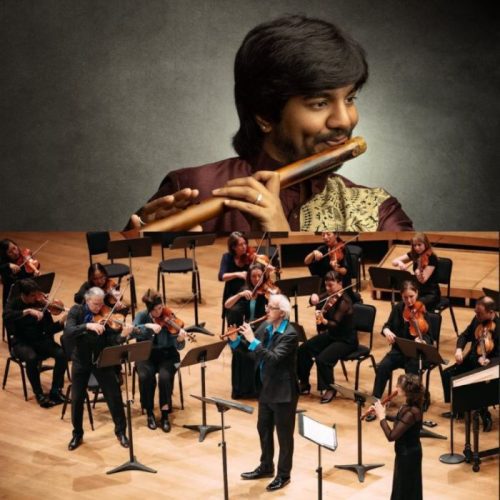
Caprice at the 9th Floor: a pleasant meeting between Baroque and Carnatic music
By Frédéric Cardin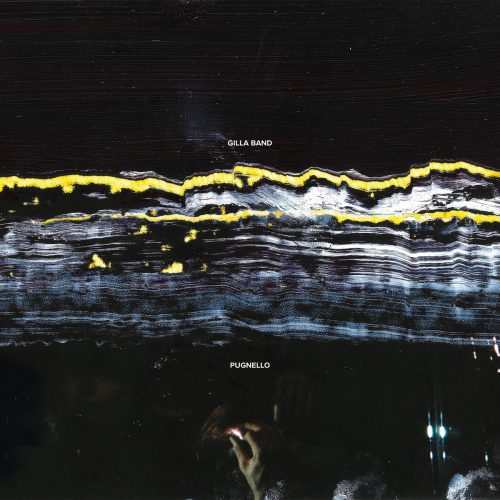
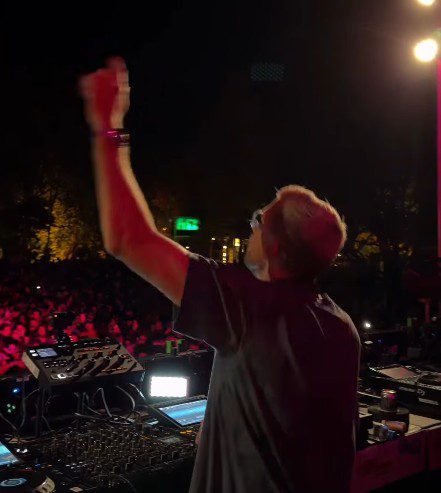
Concert review Classical/classique
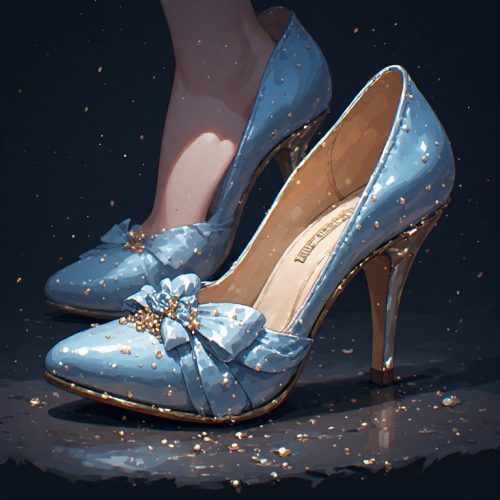
Arion: Cinderella has fun and unleashes her magic
By Frédéric Cardin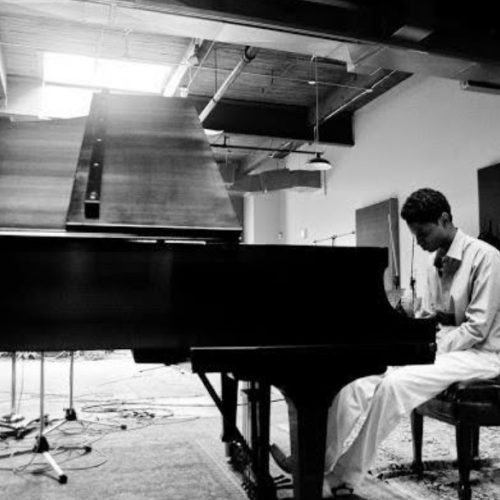
Interview Caribbean/Piano
Mois du Créole 2026 | David Bontemps: Between the Piano and Dessalines’ Legacy
By Sandra Gasana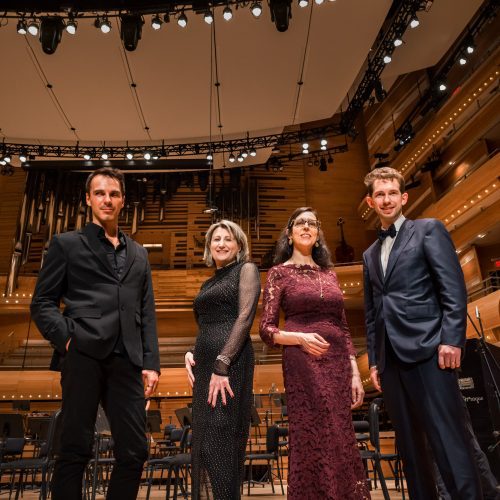
Concert review Classical/classique
Azrieli Prize 2026: The Four Pillars of the Temple
By Frédéric Cardin
Interview Classical/classique
Ensemble Caprice at the 9th: Dialogue with Carnatic India
By Frédéric Cardin
Interview Classical/classique
A resurrected and vocally spectacular Cinderella at Bourgie Hall
By Frédéric Cardin
Interview Caribbean
Mois du Créole 2026 | Pierre-Roland Bain: A Look Back and a Look Ahead
By Sandra Gasana