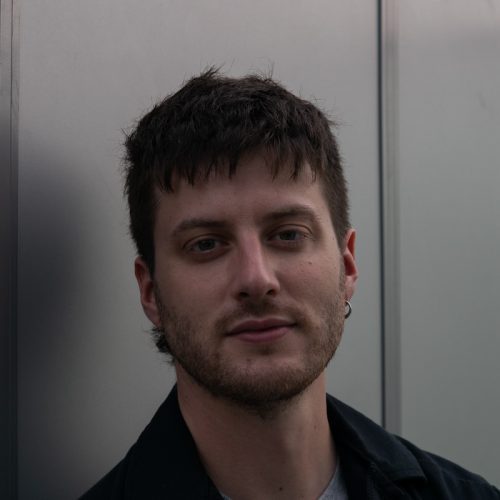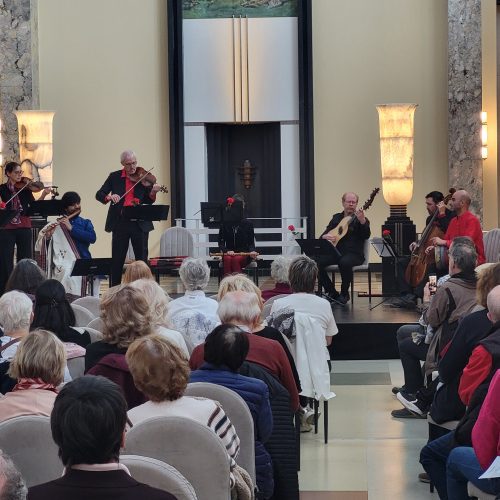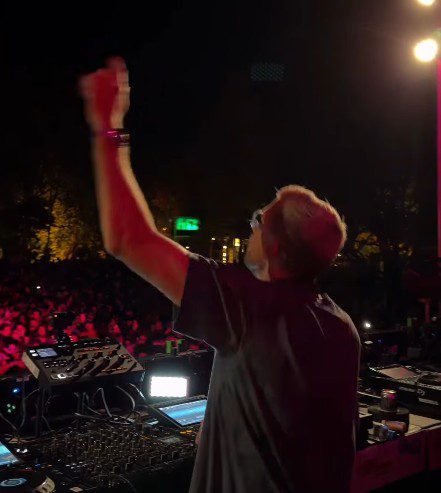
Damian Nisenson is a Montreal-based saxophonist and composer of Argentine origin. Those who hang out at stages where world/jazz fusion can be heard, such as the Maisons de la Cultures, the Centre des Musiciens du Monde, or several other similar spaces, will have already seen and heard him in multiple groups or under his own name. Nisenson is an experienced musician.
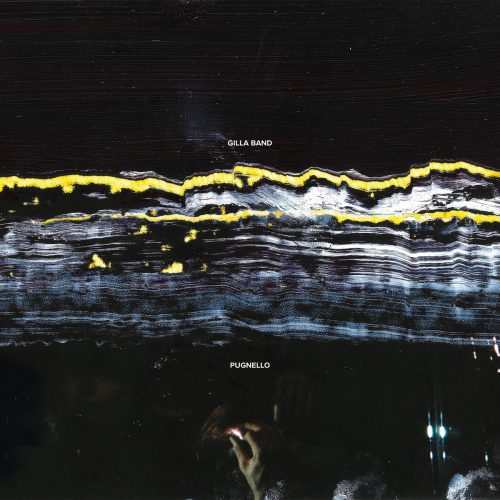
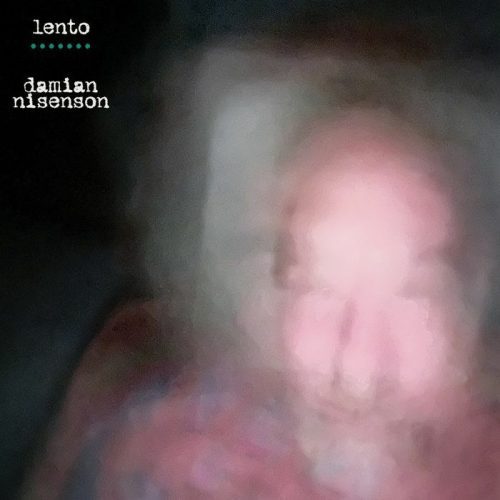
The release of Lento coincides with the 20th anniversary of the Malasartes label, founded by Nisenson, through which we have come to know ensembles like Kleyn Kabaret, Solawa, Cordâme over the years. About fifty albums, hundreds of concerts supported by the organisation, etc. The general aim is to promote original, sometimes surprising, visions in world music infused with jazz and classical music.
With Lento, Nisenson does not cause dissent. In a refined chamber format that does not neglect brisk rhythms here and there, accompanied by percussion sounds, he offers a beautiful dozen of lovely musical portraits, each a delicate and meticulous construction, proudly blended with a multitude of sources of inspiration. But it is the final coherence of the whole that is particularly satisfying. A coherence that attests to the solidity of Nisenson’s vision, while knowing how to leave enough space to create atmospheres that are sometimes strongly contrasted.
Lento y largo sets the tone with a shaded backdrop, filled with a bluesy groove and Morricone-like guitars. Luzauza continues with an engaged character, with a narrated text, in a spoken word style, telling us that everything burns, but what doesn’t burn is really very thirsty. Vengo me yendo presents an upbeat and smiling cadence, under an endearing melody, and beautiful saxophone solos. No Tsures is floating, hypnotic, and meditative, while in Qué suerte, a B3 organ unfolds like in an intimate scene from a Claude Lelouch film, with musico-spiritual echoes of Francis Lai.
El Vago resembles a bossa infused with Cuban son or mambo, while SpN is a distilled blues, with efflorescences of atmospheric guitars (Morricone, once again). Flamingo also exudes a bluesy vibe, but darker, and seems to wander defiantly through an urbanity of nocturnal alleys, while maintaining lighting that tentatively casts Latino and jazz rays. Romantikk follows detours of Arab classicism while dressing a sensual poetry.
The musicians surrounding Nisenson are largely the same ones who frequent Cordâme’s projects. It is therefore the same ecumenical spirit that supports the entire musical and aesthetic journey of the Montreal artist, and which at the same time ensures the same type of general pleasure felt in listening to it.
Damian Nisenson: composition, direction, voice, and saxophones
Bernard Falaise: guitar
Sheila Hannigan: cello
Miranda Nisenson: violin and voice
Chantal Bergeron: violin and mandolin
Alexis Dumais: Rhodes and Hammond B3
Daniel Serale: vibraphone
Jean Félix Mailloux: double bass
Pierre Tanguay: drums and percussion