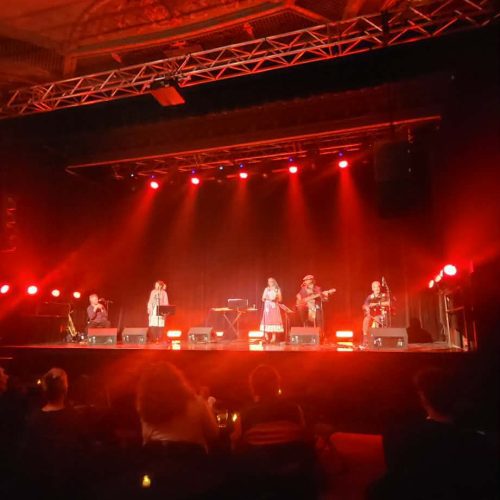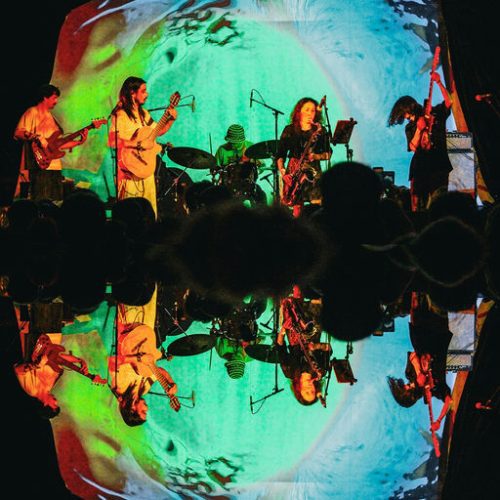
Last Thursday, November 12, during the Festival du Monde Arabe, the Toronto-based band Al Qahwa gave a performance filled with mysticism and hope.
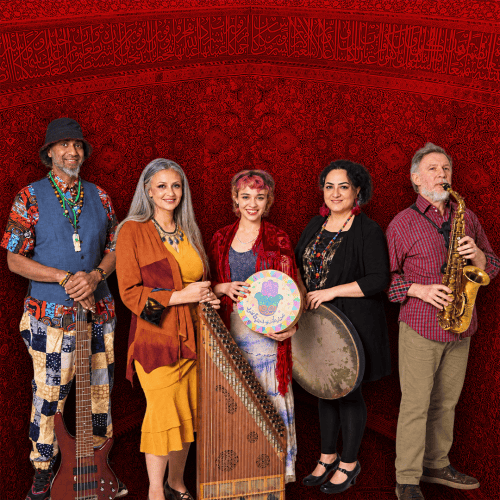
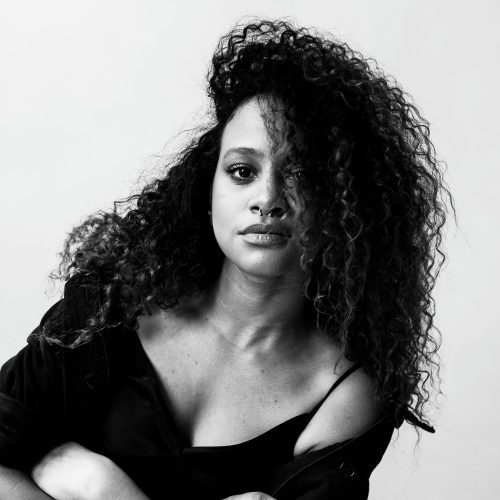
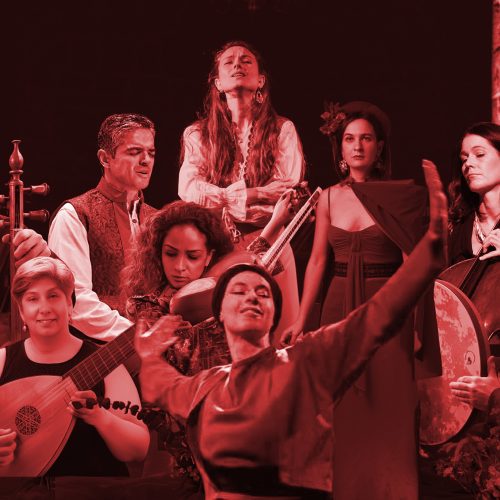
The band is led by Maryem Tollar, singer and qanun player. Of Egyptian origin, she has lived in different places across Canada and around the world. She chose to study Arabic music in her youth, and today she leads this project with elegance and devotion. Her wide vocal range and her skill on the qanun carried us away, filling the room with a sense of wonder and lightness. She is joined by her husband, Ernie Tollar, on wind instruments, and her daughter, Omneya Tollar, on vocals. Together, the family shares a special synergy that lets each of them shine in their own way. On percussion, Jaash Singh kept the rhythm with playfulness and interacted seamlessly with the other musicians, showing both his sense of humour and his gift for creating hypnotic sounds. On bass and vocals, Waleed Abdulhamid showed exceptional skill, and his deep voice kept the music grounded.
Al Qahwa means “the coffee house,” and the band truly lives up to its name. Their intimate energy and their complicity made us feel like old friends meeting up for coffee, the kind of gathering where you feel comfortable talking about politics or even the meaning of life.
The repertoire included Syrian muwashahat, Sufi devotional songs, popular Egyptian music and original compositions infused with jazz. This musical banquet left me in awe of the richness of music that was a whole new universe for me. The night was not only filled with mystical sounds rooted in the long history of Arab cultures. The second set focused on the band’s latest album, Weyn Allah (“Where Is God?”), which offers a deep reflection on the wars and conflicts that have affected the Arab world in recent decades, through songs such as “Farewell World,” “Freedom” and “What About Peace.”
Some of the compositions featured poems by Maryem’s uncle, Ehab Lotayef, a writer and activist who took part in the Gaza flotilla in solidarity with the people of Palestine. The night was a reminder that behind this music lies a long history and culture. Al Qahwa also paid tribute to those living under war, famine and isolation, the descendants of the people who created this music. We had a wonderful night, but I couldn’t stop thinking about this. We live in comfort and enjoy music, but we must not forget the people who, at this very moment, need our solidarity to end the wars.