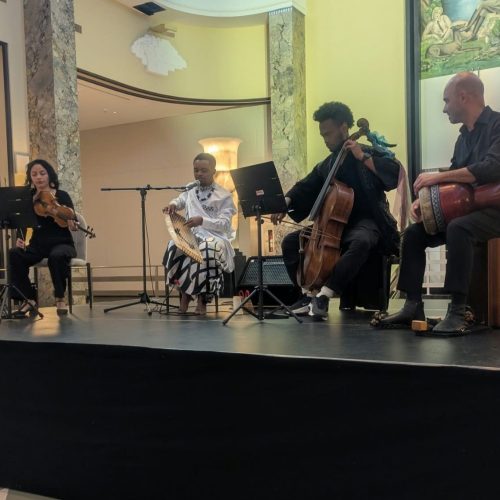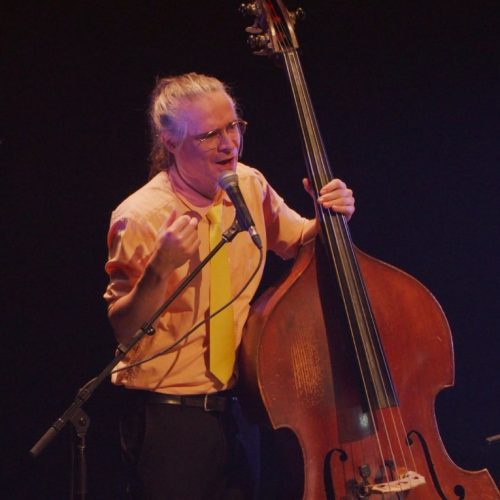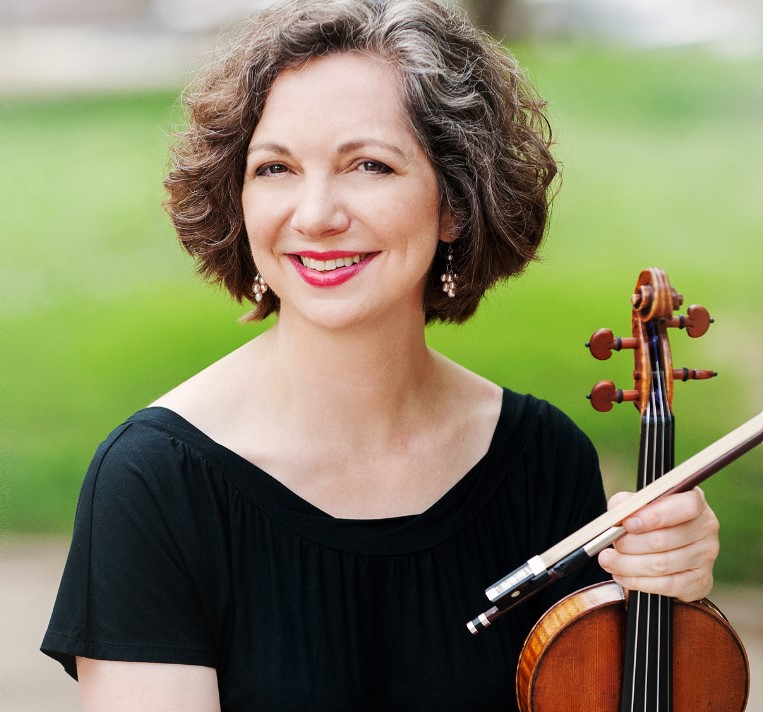
Last Saturday evening, January 13, in McGill University’s Pollack Hall, we were treated to an evening of music under the banner of femininity or even feminism. But far beyond these simplistic categories, it was first and foremost an evening of great music, performed by top-flight artists, professors and students, testifying once again to the very high quality of this music school, one of the best in America.
The programme included, in reverse chronological order, Amy Beach’s Piano Trio in A minor, Op. 150 (1938), Cécile Chaminade’s Piano Trio No. 1 in G minor, Op. 11 (1881) and Fanny Mendelssohn’s Piano Trio in D minor, Op. 11 (1847). A broad overview of the female compositional act, not only in temporal terms but also geographically (one American, one French and one German) and stylistically.
Amy Beach displays a treasure trove of colours and textures in her Trio, which is solidly structured in a classical manner, but bears witness to a romantic temperament and shows stylistic inclinations that are not only impressionistic but also, in the final movement, a stimulating Allegro con brio, discreet but notable nods to jazz and American folklore. All this was rendered with force and conviction by the artists, Violaine Melançon on violin, Joshua Morris on cello and Kyoko Hashimoto on piano.
Unlike Beach’s Trio, a mature work (in fact the composer’s last piece of chamber music), Cécile Chaminade’s Trio is an early work, her very first for chamber ensemble. In the young Chaminade (she was 24), there is a great deal of light, with very limpid phrasing and fine lines. Very French music, in short. There are passages both delicate and virtuosic that Fauré would have been proud to have written. Elsewhere, it is Schumann who would have appreciated the melodic turns. Even if the sound space created by the trio as a whole was a little denser and fleshier than one would expect in this kind of music, one must still note the impeccable technique of each artist and the attentive listening of each to the others. Kyoko Hashimoto’s piano playing was particularly scintillating.
Finally, the concert ended with Fanny Mendelssohn’s eminently romantic Trio, again a mature work by the composer (even though she was still young, she was to die shortly afterwards). Nothing to envy to bro Félix, or any other male of the era. Filled with engaging melodies and affects that are both highly personal and finely controlled, this is a genuine masterpiece of German Romanticism. The performance by McGill’s representatives was worthy of an evening that ended with brilliance and, above all, immense satisfaction.
In 2024, we now have the great good fortune to enjoy this kind of musical gem more and more regularly, for too long overshadowed by the bad faith and stupid prejudices of a male patriarchy jealous of its prerogatives and self-proclaimed and granted privileges. So much worse for those fools who have never been able to recognize the immense value of this music in the past (but too bad for the women who have suffered as a result…). Justice is finally starting to be done, not just for music, but especially for us music lovers!
For the complete events calendar at the Schulich School of Music, click HERE!