Ava Mendoza
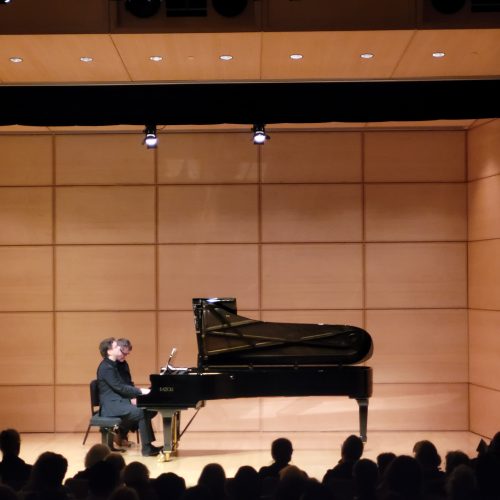
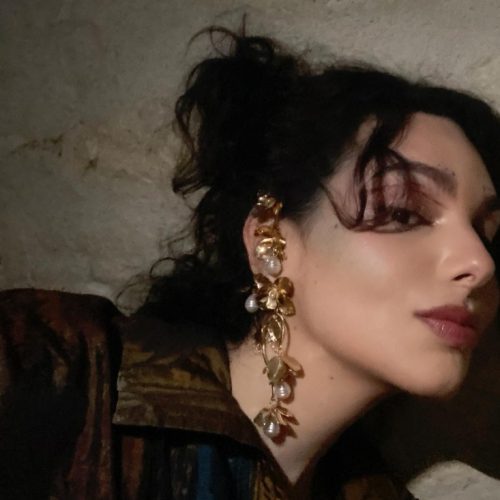
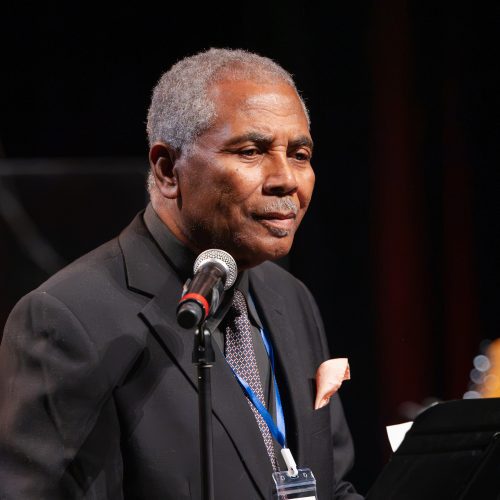
Ava Mendoza est une guitariste, chanteuse, autrice-compositrice et compositrice établie à Brooklyn. Principalement reconnue pour ses performances en solo à la guitare et à la voix, ainsi que comme fondatrice du groupe de rock expérimental Unnatural Ways, elle est saluée par la critique pour un jeu de guitare qui conjugue avec force virtuosité technique et impact viscéral. Quel que soit le contexte, elle insuffle à sa musique de l’expressivité, de l’énergie et d’une vaste palette sonore. Mendoza s’est produite en tournée aux États-Unis et en Europe. Elle a enregistré et joué avec de nombreux artistes, dont Carla Bozulich, Malcolm Mooney (CAN), Bill Orcutt, Abiodun Oyewole (The Last Poets), Mike Watt, Adele Bertei, Mick Barr, William Hooker, Nels Cline, Matana Roberts, John Zorn, Jamaaladeen Tacuma, Fred Frith, William Parker, Hamid Drake, ROVA, Negativland, Violent Femmes, ainsi que des membres de Caroliner. Ses enregistrements ont paru sur les étiquettes Tzadik, Astral Spirits, Weird Forest, Clean Feed, Resipiscent et New Atlantis. Le magazine Guitar World l’a notamment classée parmi les « 10 guitaristes féminines à connaître ».
Ava Mendoza is a Brooklyn-based guitarist, singer, songwriter and composer. Best known for her solo guitar and vocal performances, and as the leader of the experimental rock band Unnatural Ways, she has received critical acclaim for her guitar work’s compelling combination of technical virtuosity and visceral impact. In any context she is committed to bringing expressivity, energy and a wide sonic range to the music. Mendoza has toured throughout the U.S. and Europe and recorded/performed with musicians including Carla Bozulich, Malcolm Mooney (CAN), Bill Orcutt, Abiodun Oyewole (Last Poets), Mike Watt, Adele Bertei, Mick Barr, William Hooker, Nels Cline, Matana Roberts, John Zorn, Jamaaladeen Tacuma, Fred Frith, William Parker, Hamid Drake, John Zorn, ROVA, Negativland, the Violent Femmes, and members of Caroliner. Recordings are available on labels Tzadik, Astral Spirits, Weird Forest, Clean Feed, Resipiscent, and New Atlantis. She was featured as one of Guitar World‘s “10 Female Guitarists You Should Know”.
Soledad Coyoli
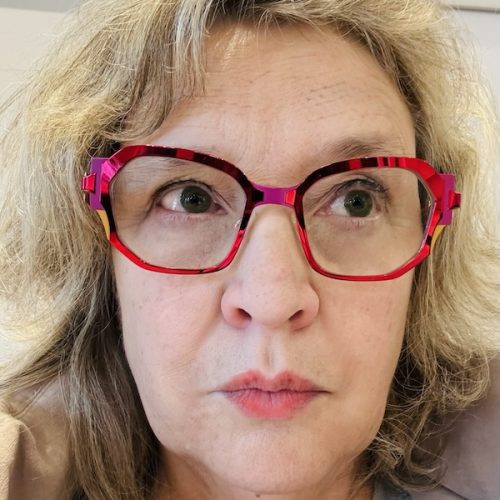
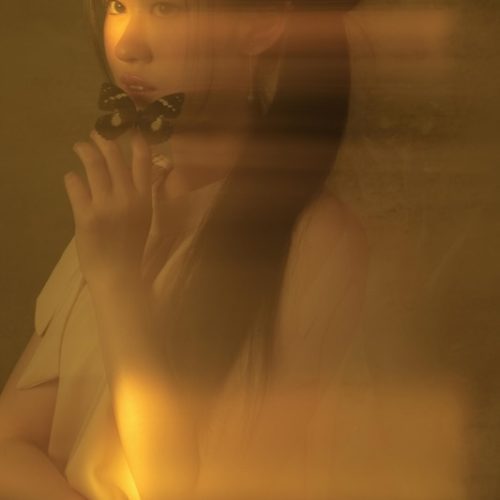
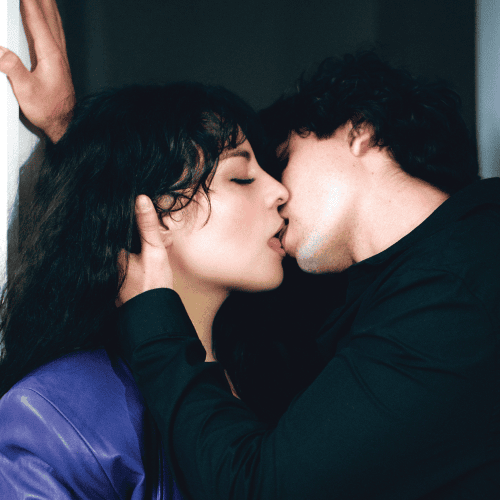
Lx artiste sonore Soledad Coyoli a grandi entre les peintures surréalistes de Leonora Carrington et Remedios Varo, les sculptures de sa grand-mère, la Malinche, la Llorona, les pièces détachées des robots que son oncle construisait et la musique sacrée que son père écoutait. Son travail sonore s’inspire de la tradition de la chanson mexicaine et latino américaine, et s’intéresse à la rencontre entre différentes voix / langues / cultures / technologies, ainsi qu’aux racines identitaires náhuatl (son nom signie « clochette » en náhuatl). Sa musique, lauréate de l’UNESCO-ASCHBERG en 2014, a été présentée dans certains des centres culturels les plus importants du Mexique, tels que le MUAC (Musée Universitaire d’art Contemporain), le musée Franz Mayer et le Centre de Culture numérique à la ville de Mexique. Depuis son arrivée à Tiohtiá:ke/Mooniyang/Montréal, son travail a trouvé une nouvelle orientation : la voix et le corps comme territoires uniques, propres et non répétables, mais aussi comme matières fluides, mystérieuses, mutantes et collaboratives. Soledad explore des territoires musicaux et corporels métisses, à la recherche d’une racine – d’une identité – d’un nepantla, un mot náhuatl qui signifie « la terre au milieu » qu’iel peut appeler « sa maison ».
Soledad Coyoli grew up surrounded by the surrealist paintings of Leonora Carrington and Remedios Varo, her grandmother’s sculptures, La Malinche, La Llorona, the robot parts their uncle used to build, and the sacred music her father listened to. Their sound work draws inspiration from the tradition of Mexican – Latin American song and explores the intersection of different languages, cultures, and technologies, as well as their Nahuatl roots (their name means “bell” in Nahuatl). Their music, recipient of the Unesco-Aschberg bursary in 2014, has been presented at some of Mexico’s most important cultural centers, such as the MUAC (University Museum of Contemporary Art), the Franz Mayer Museum, and the Center for Digital Culture in Mexico City. Since arriving in Tiohtiá:ke/Mooniyang/Montréal, their work has taken a new direction: the voice and the body as fluid, mysterious, mutable and collaborative materials. Soledad explores hybrid musical and bodily territories, in search of a root—an identity—a nepantla, a Nahuatl word often translated as “the land in the middle” that they might call “home.”
Acrostiche
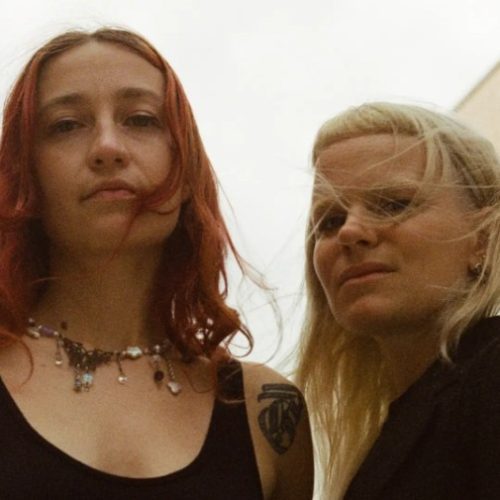
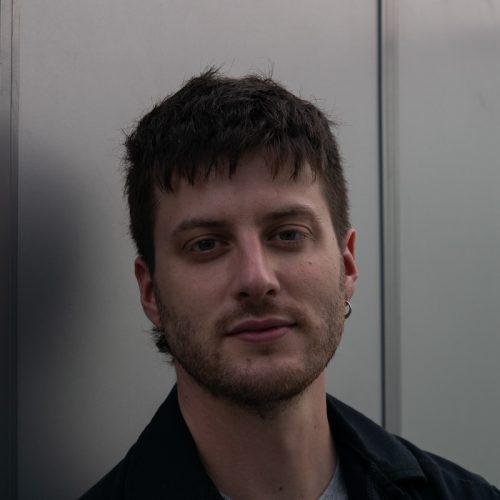
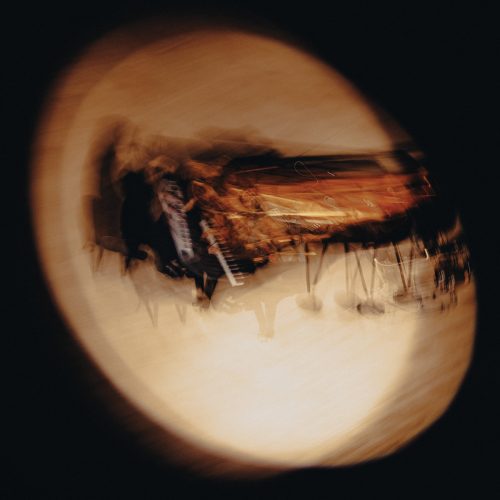
Entre synthétiseurs, électroniques, objets récalcitrants et machines plus ou moins domestiquées, le duo Acrostiche (Belinda Campbell et Raphaël Foisy-Couture) bricolent une musique de répétitions, de collisions et de tensions. Quelque part entre le jeu et le chantier, la précision et le débordement, ils assemblent en temps réel une mécanique sonore dont certaines pièces ont manifestement été montées à l’envers. Mais ça tourne… Un album sortira d’ailleurs quelque part en 2027. Campbell arrive avec une pratique pluri-(in)disciplinaire qui circule entre musique, performance et arts visuels; Foisy-Couture avec une longue fréquentation de l’improvisation, des détournements instrumentaux et des bidouillages en tous genres.
Using synthesizers, electronic devices, quirky objects, and machines that are more or less well-behaved, the duo Acrostiche (Belinda Campbell and Raphaël Foisy-Couture) crafts music built on repetition, collisions, and tension. Somewhere between play and construction work, control and overflow, they build a sound machine in real time — one whose parts occasionally seem to have been installed the wrong way around. Somehow, though, it still runs. An album is also expected to emerge from the process sometime in 2027. Campbell brings a multi-(in)disciplinary practice that moves between music, performance, and visual arts; Foisy-Couture brings a long involvement in improvisation, instrument repurposing, and tinkering of all kinds.
POUR ACHETER VOTRE BILLET, C’EST ICI!
Ce contenu provient d’Arts in the Margins et est adapté par PAN M 360