How can we miss this opus by Ed O’Brien, original member of Radiohead and… a valiant support staffer since the early teenage years of the famous band? Guitarist, backup singer, programmer of gizmos, EOB certainly contributed to the brilliant repertoire of the British band, but was never a crucial actor, the primary creative roles being occupied by Thom Yorke and Jonny Greenwood. And this solo offering will certainly not change that perception. Earth is a pretty cool album, representative of the positions of forty- and fifty-somethings in indie rock, space rock, indie electro, indie folk and indie pop. As with so many popular artists who started out with typical guitar-bass-drum-/keyboard instrumentation, EOB then converted to synths, frequency oscillators, sequencers, and production software. Like all members of Radiohead since the great era of Kid A, the musician evolves in a hybrid world between folk-rock and electronic experience. His reputation on the music planet allowed him to hire the world-famous Flood and Catherine Marks for the production, in addition to drummer Omar Hakim (ex-Weather Report), super bassist Nathan East, folk singer Laura Marling, guitarist Adrian Utley (Portishead), drummer Glenn Kotche (Wilco) and Radiohead colleague Colin Greenwood on bass. Of course, some passages of this album remind us of the famous Oxford quintet, impossible to avoid these subconscious overlaps, but we can’t accuse its creator of deliberately pastiching the manoeuvres of the flagship. In all honesty, Ed O’Brien chooses rather to express his own placidity, his bonhomie, his sensuality, his humanity… without generating any sort of wow by the umpteenth listen. Nice, honest,intelligent, in tune with his time, although conceptually disjointed… not of great interest? For those in search of outstanding music, still driven by Radiohead, it really doesn’t do anything special.
Latest 360 Content

Interview classique/Moyen-Orient / Levant / Maghreb
FMA 2026 | Amin Reihani: Making Music a Language of Peace
By Sandra Gasana
Album review Classical/classique 2026
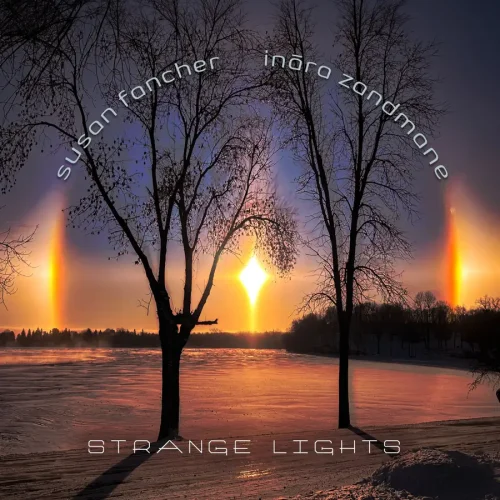
Susan Fancher/Ināra Zandmane – Strange Lights
By Frédéric Cardin
Interview Classical/classique
Guillaume Côté’s A Midsummer Night’s Dreams: the choreographer talks about his intimate relationship with music
By Frédéric Cardin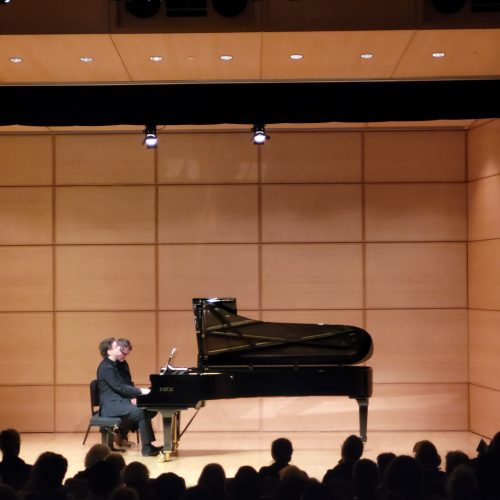
Concert review classique/Classical
SQMC/Chapelle Historique du Bon Pasteur: Discovering Quebec’s contemporary music
By Pietro Freiburger
Interview
Akousma| Felix Deufel introduces us to the uncharted sonic richness of the Arctic
By Michel Rondeau
Interview Classical/classique/Electronic
Akousma | Les Artefacts sonores de Roxanne Turcotte
By Alexandre Villemaire
Interview Electronic/expérimental / contemporain
Akousma | The Audréanne Filion and Myriam Bleau Duo: Where Reality and the Virtual Merge
By Michel Rondeau
Interview Electronic/expérimental / contemporain
Akousma | Exzald S, la violence du calme
By Alain Brunet
Concert review Caribbean
Mois du Créole 2026 | Richy Jay: Keeping Konpa and Zouk Alive in Montreal
By Juliana Cortes
Interview arts numériques/Classical/classique/Électronique
Akousma | Melanie Zhou: Shaping Sound, Expressing Emotion
By Alexandre Villemaire
Interview arts numériques/Classical/classique/Électronique
Akousma | Alex Brisson et l’exploration musicale du feedback
By Alexandre Villemaire
Concert review Classical/classique
Caprice at the 9th Floor: a pleasant meeting between Baroque and Carnatic music
By Frédéric Cardin
Concert review Classical/classique
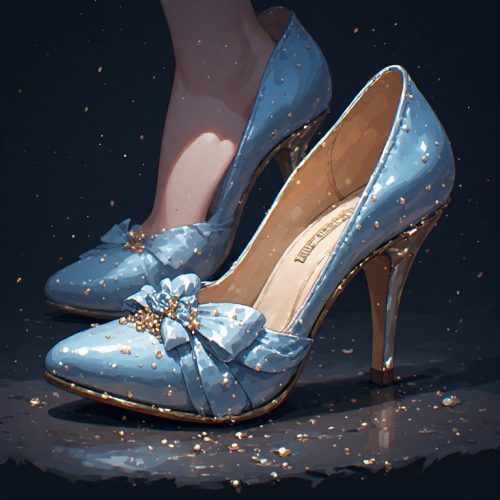
Arion: Cinderella has fun and unleashes her magic
By Frédéric Cardin
Interview Caribbean/Piano
Mois du Créole 2026 | David Bontemps: Between the Piano and Dessalines’ Legacy
By Sandra Gasana
Concert review Classical/classique
Azrieli Prize 2026: The Four Pillars of the Temple
By Frédéric Cardin
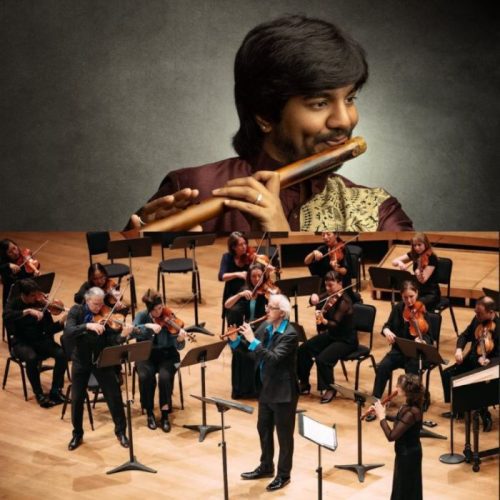
Interview Classical/classique
Ensemble Caprice at the 9th: Dialogue with Carnatic India
By Frédéric Cardin
Interview Classical/classique