Additional Information
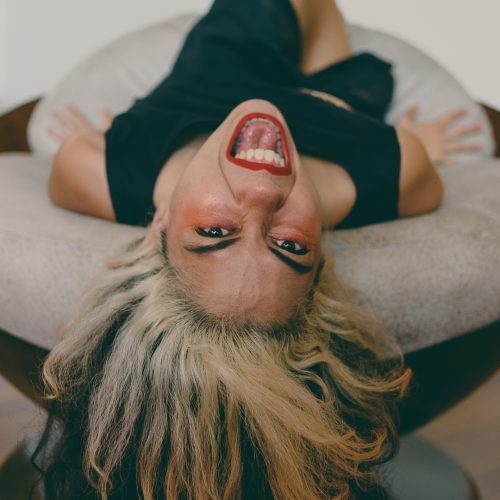
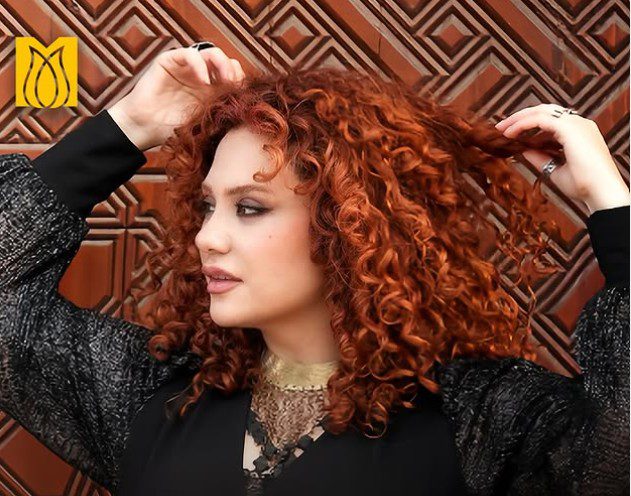
Lena Chamamyan is a regular at the FMA, having performed there since the 2000s. Her career began in Damascus and the Levant, long before the civil war forced her to leave her country to pursue her career outside the conflict zones. Now settled in France, where she obtained citizenship, Lena Chamamyan has allowed her art to evolve with her various migrations. She is increasingly drawn to new sounds, namely a blend of electronic and instrumental elements within the framework of Arabic pop music or even classical Arabic music, not to mention her explorations of flamenco and jazz. Returning to the FMA after an absence since autumn 2022, the Franco-Syrian singer intends to maintain her acoustic instrumental style. Electronic elements may follow in the coming years.
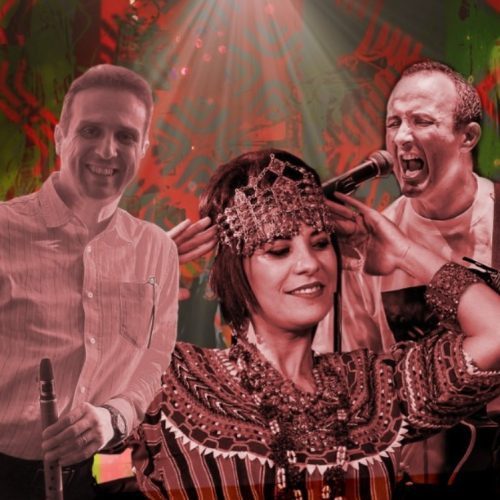
Photo tirée du compte Instagram de Lena Chamamyan
THIS SUNDAY, NOVEMBER 9TH, 5TH HALL OF THE PLACE DES ARTS
PAN M 360: How was your FMA program built?
Lena Chamamyan : It’s been a few years since I last performed my own concert here. But I haven’t stopped performing all over Europe during that time. For Montreal, I’ve prepared the same repertoire that I perform in Europe. These are songs dedicated to the Mediterranean diaspora.
PAN M 360: What do you mean by this commitment?
Lena Chamamyan: There are songs that are written for them. There are songs that tell the story of the diaspora. There are also new songs; I’m currently promoting songs from my new album.
PAN M 360: Speaking of your new album, how was it produced? What was the production process like? Who did you work with?
Lena Chamamyan : It’s a self-produced album. I enlisted producers of varying ages, from 19 to 50. I wanted to showcase the full spectrum of contemporary Arab culture while maintaining the use of Modern Standard Arabic in the lyrics. I wanted to ensure it worked seamlessly with different musical styles. So I blended genres within the songs; some folk songs were reworked, and the melodies were updated. I did this in several songs, updating my compositions and then entrusting them to Arab and North African producers of different ages and nationalities.
PAN M 360: What is the instrumentation?
Lena Chamamyan : It’s just me singing; there are guitars, keyboards, strings, oud, and electronics. There are producers from Algeria, Jordan, but especially Syrians in exile all over the world. I wanted to know their influence, and also the influence they’ve received within the diaspora. Producers like Maher El Mallakh, Omar Alkilani, George Koita, OBADA Q, Shady Moanes, Ghaleb Zidan, Hello Psychaleppo…
PAN M 360: For the most part, you’ve worked with up-to-date producers!
Lena Chamamyan : Yes, they are mostly producers who incorporate electronics into their work. Normally, I work primarily with acoustic instrumentation, but I changed my style for this album.
PAN M 360: And this Sunday at FMA? Will you be presenting your new equipment in electronic music mode?
Lena Chamamyan : No. It will be the acoustic version. There will be older, better-known songs, and there will be new ones that will be presented for the first time on stage, here in Montreal.
PAN M 360: So this won’t be the instrumentation of your latest album!
Lena Chamamyan : No, not at all. Up until now, I’ve maintained the acoustic version for my shows. I haven’t done a live electronic version yet, but we’re working on it.
PAN M 360: It would be very interesting to discover this aspect of your work.
Lena Chamamyan : Yes, this project could change things.
PAN M 360: Joseph Nakhlé, who is with us, you should think about presenting the electro version of Lena at Orientalys, the summer counterpart of FMA in August in the Old Port.
Joseph Nakhlé : Absolutely. Outdoors, we’ve already considered an electronic version of our artists invited to the FMA.
PAN M 360: And what about the version for Sunday, November 9th?
Lena Chamamyan : We tried, but the musicians we were considering didn’t get visas. I, on the other hand, have had French nationality since 2020.
Joseph Nakhlé : If I may digress for a moment, there have been more visa refusals this year, and we’re having a problem with the closing night. Even Moeen Shreif from Beirut, who is a mega pop star in Lebanon and the Arab world, hasn’t yet received his visa just days before the event. He’s performed in Canada several times before. We’re really struggling with this this year. It’s becoming ridiculous… If it jeopardizes our closing night, we’ll issue a press release and so on.
PAN M 360: What year was your last visit to the FMA?
Lena Chamamyan : I came here in 2022. I had also come a few times before that. Today I think there’s a big difference between my first shows at the FMA and my current show. In terms of the text, in terms of the music, in terms of everything.
PAN M 360: Since you have had French citizenship since 2020, do you live in France?
Lena Chamamyan : Yes, to a large extent. I live between Paris and Cairo, where I play in an apartment because I like to spend the winter there as it’s warmer and I have very good friends there. But in the summer, it gets too hot, so I’m mostly in Paris.
PAN M 360: There are many studios in Cairo, do you work there?
Lena Chamamyan : I work mostly in Europe and Turkey with musicians and producers.
PAN M 360: Yes, you’re a regular at FMA. I remember talking to you at the beginning of your career, when you were living in Syria.
Lena Chamamyan : Yes, my family lived in Damascus at the time. My father is from Aleppo, but I grew up in Damascus. In my early years, my songs were more melancholic and romantic.
PAN M 360: Back when you were doing your first concerts, it was different.
Lena Chamamyan : Now, my music has a lot more energy. I believe we need to celebrate joy. There’s a lot of positive energy, but there’s also a lot of negative energy that needs to be expressed. I think a concert is a music therapy session.
PAN M 360: The current context is so difficult for Syrians and their Arab neighbors, we must think about healing by expressing our anger and also our joy.
Lena Chamamyan : Exactly!
Lena Chamamyan’s musicians at the FMA concert:
Arden Arapyan: Piano and musical direction
Marwan El Boukhari: Bass
Nizar Tabcharani: Qanoun
Phyras Haddad: Percussions
Fadi Machreki: Percussions
Raffi Kevork Chouljian: Drums
Nawar Helala: Trumpet