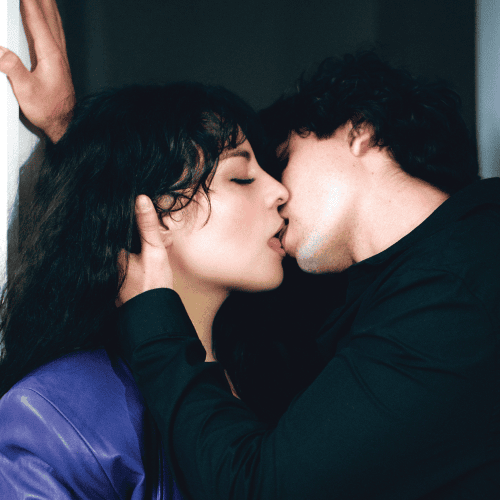
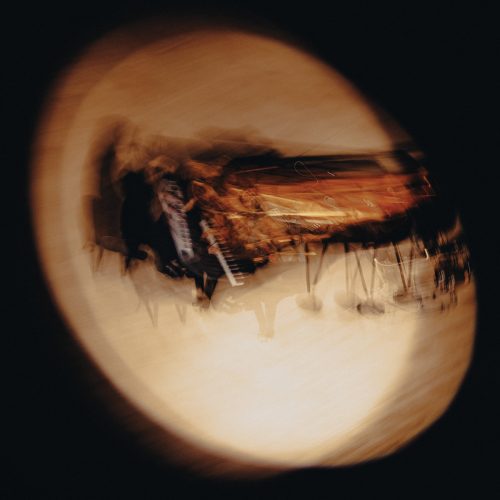
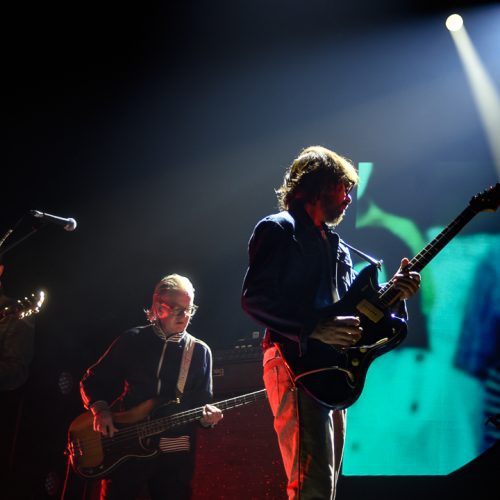
Since Björk, FKA Twigs and other pre-pop stars have called on her immense production talent, transgender artist Alejandra Ghersi has proved to be one of the great revelations of electronic music. One can swoon over Arca’s world, over her explosive proposals, rhythmic refinement by way of the latest technologies, magnificent superimpositions of synthetic textures, and very tender moments. Prone to violent disturbances, her sonic discourse does not exclude grace, voluptuousness, or unconcealed vulnerability. Thus, over the course of four albums including the one in question here, one could sense Alejandra’s intimate struggles, observe the progressive assumption of a multi-gendered identity – Arca defines herself as both female and gay, given her sexual preference for men. Of Venezuelan origin, raised partly in the USA, now living in Barcelona after a stay in the U.K., she now presents KiCk i, certainly the most pop of her recordings, well outside the expectations of an audience accustomed to her more radical music. She subtly recycles the frenetic sequences that are her secret reciper; her electroacoustic explosions become the ornaments of a more welcoming work. Thus, her previous discoveries contribute to magnifying authentic melodic hooks and more pop constructions, even reggaeton. The songs are sung in Spanish and English, with prestigious guests such as Björk, Rosalia, Sophie, and Shygirl, making notable appearances in turn. By completing this transition of identity, spectacular to say the least, as clearly illustrated by the cover of KiCk i and “Nonbinary”, the first song on the program, could Arca finally return to her “natural” territory, with one foot in creative pop and the other in deep digs into electronic music? It’s better not to answer this question, and let time reveal what comes next.
Latest 360 Content

Interview Classical/classique
Guillaume Côté’s A Midsummer Night’s Dreams: the choreographer talks about his intimate relationship with music
By Frédéric Cardin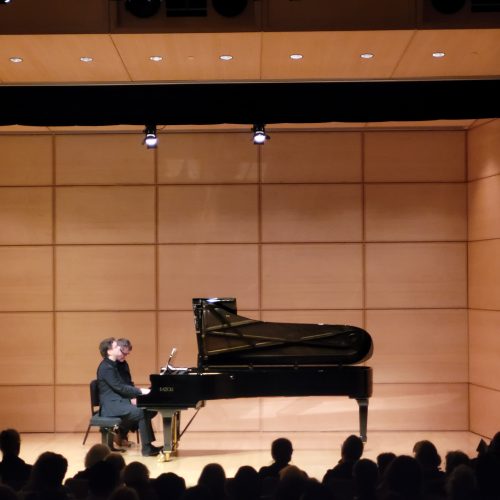
Concert review classique/Classical
SQMC/Chapelle Historique du Bon Pasteur: Discovering Quebec’s contemporary music
By Pietro Freiburger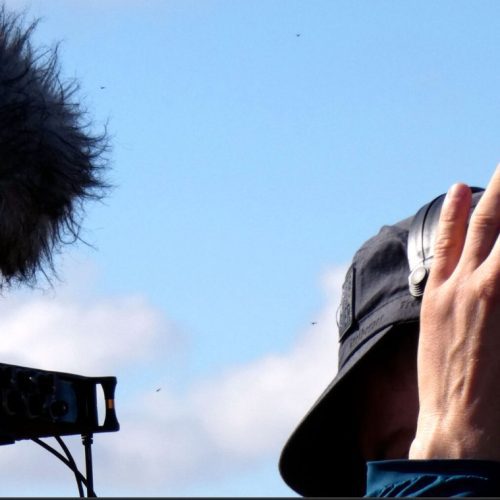
Interview
Akousma| Felix Deufel introduces us to the uncharted sonic richness of the Arctic
By Michel Rondeau
Interview Classical/classique/Electronic
Akousma | Les Artefacts sonores de Roxanne Turcotte
By Alexandre Villemaire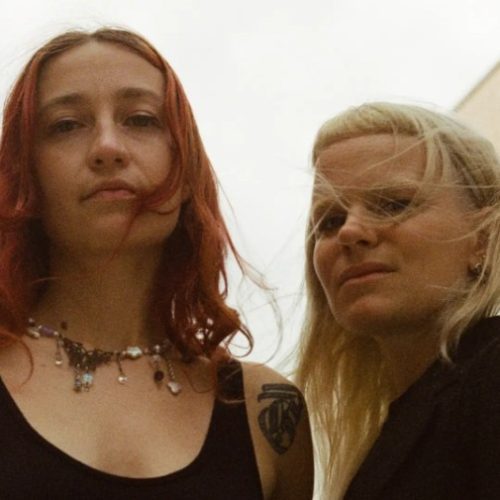
Interview Electronic/expérimental / contemporain
Akousma | The Audréanne Filion and Myriam Bleau Duo: Where Reality and the Virtual Merge
By Michel Rondeau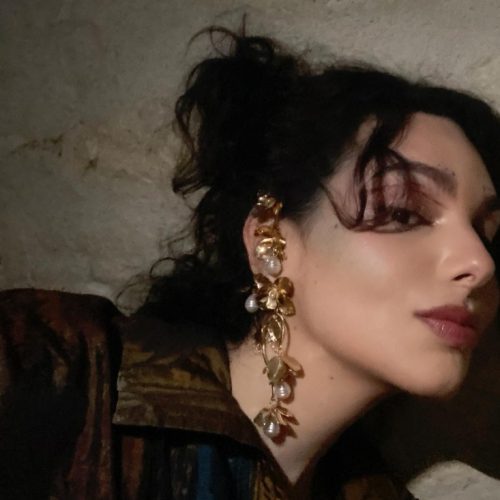
Interview Electronic/expérimental / contemporain
Akousma | Exzald S, la violence du calme
By Alain Brunet
Concert review Caribbean
Mois du Créole 2026 | Richy Jay: Keeping Konpa and Zouk Alive in Montreal
By Juliana Cortes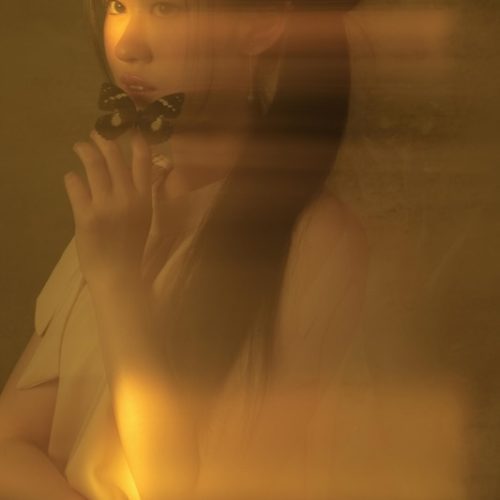
Interview arts numériques/Classical/classique/Électronique
Akousma | Melanie Zhou: Shaping Sound, Expressing Emotion
By Alexandre Villemaire
Interview arts numériques/Classical/classique/Électronique
Akousma | Alex Brisson et l’exploration musicale du feedback
By Alexandre Villemaire
Concert review Classical/classique
Caprice at the 9th Floor: a pleasant meeting between Baroque and Carnatic music
By Frédéric Cardin
Concert review Classical/classique
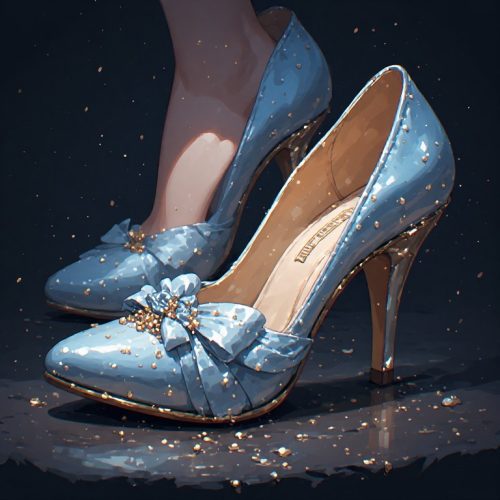
Arion: Cinderella has fun and unleashes her magic
By Frédéric Cardin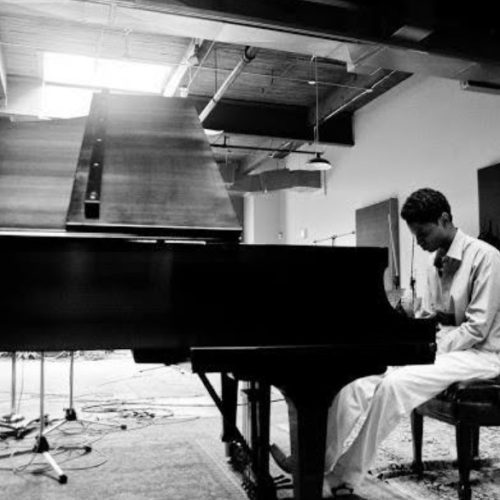
Interview Caribbean/Piano
Mois du Créole 2026 | David Bontemps: Between the Piano and Dessalines’ Legacy
By Sandra Gasana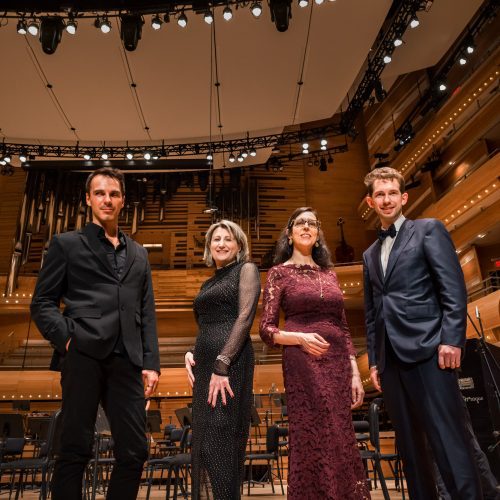
Concert review Classical/classique
Azrieli Prize 2026: The Four Pillars of the Temple
By Frédéric Cardin

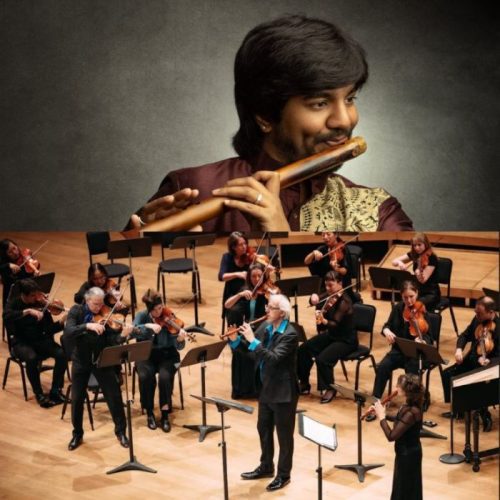
Interview Classical/classique
Ensemble Caprice at the 9th: Dialogue with Carnatic India
By Frédéric Cardin
Interview Classical/classique
A resurrected and vocally spectacular Cinderella at Bourgie Hall
By Frédéric Cardin
Interview Caribbean
Mois du Créole 2026 | Pierre-Roland Bain: A Look Back and a Look Ahead
By Sandra Gasana