Analekta launches the second part of the complete sonatas for violin and piano by Beethoven, performed by two leading Montreal performers, among the Canadian and even world elite: Andrew Wan, concertmaster of l’Orchestre symphonique de Montréal, and Charles Richard-Hamelin, winner of the silver medal and the Krystian Zimerman Prize at the Frederic-Chopin International Piano Competition in Warsaw in 2015. This new installment of the complete works includes the three sonatas of Op. 12 as well as the Sonata No. 5 in F major, Op. 24, known as “Spring”. Two years after their brilliant performance of Sonatas 6, 7, and 8, the duo continues a collaboration that has become major. Until now, Wan has favoured a solo violin career under the direction of Kent Nagano – who knows if he’ll stick with it for the rest of his career? One thing is certain, he’s one of the few Canadian violinists to have acquired such experience and maturity, hence his predisposition for an international career. His playing here is very sober, very elegant, impeccably respectful of the works on the program, performed with undoubtedly the best Quebec pianist of his generation. With few exceptions, musicologists and chroniclers don’t hold these chamber-music works among the most important of the German composer’s (Nos. 1, 2, and 3 were written between 1796 and 1803, and No. 5, the best known on the program, was written in 1812). They rightly prefer his piano sonatas and string quartets, which in no way detracts from the absolute qualities of this suave music, played in tandem by high-flying performers capable of giving them an enviable balance between rigour and sensuality. Time will tell whether the pair will be able to establish themselves among the leading historical recordings of these sonatas for piano and violin (Kremer and Argerich, Zukerman and Barenboim, Szigeti and Arrau, etc.), but the qualities of these performances don’t lie, for anyone who appreciates the genial Beethoven far beyond his “hits”.
Latest 360 Content
Album review expérimental / contemporain/Classical/classique/Experimental / Contemporary 2026
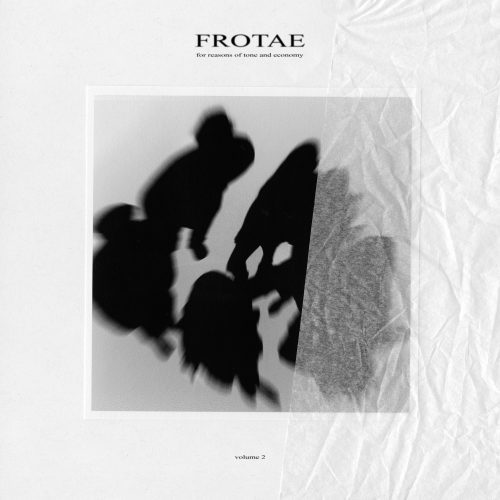
Liberté Anne & Frotae – Volume 2
By Frédéric Cardin
Interview Jazz/expérimental / contemporain/Spoken Word
FLUX 2026 | Kim Zombik’s Origin Stories with Silvervest Quartet at Sala Rossa
By Alain Brunet
Concert review Classical/classique/Africa
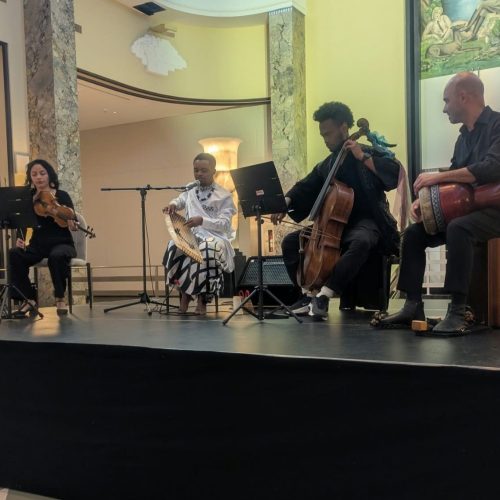
Concert at the 9th Floor : the African essence of the chaconne
By Frédéric Cardin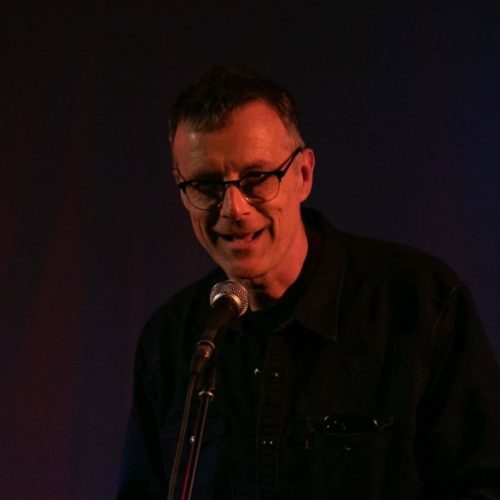
Interview expérimental / contemporain
Flux 2026 | 2nd week according to Peter Burton
By Alain Brunet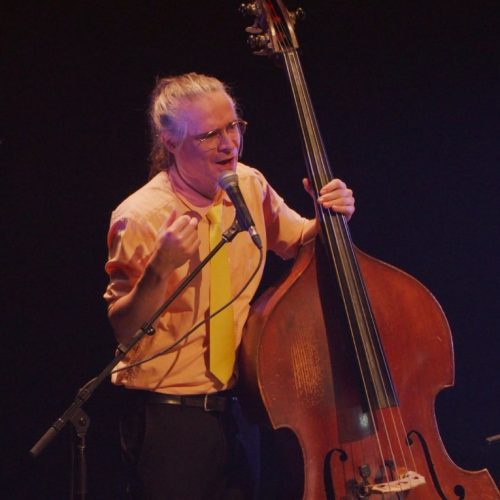
Interview Jazz/expérimental / contemporain
QMP 2026 | Hugo Blouin, spoken words and played words
By Frédéric Cardin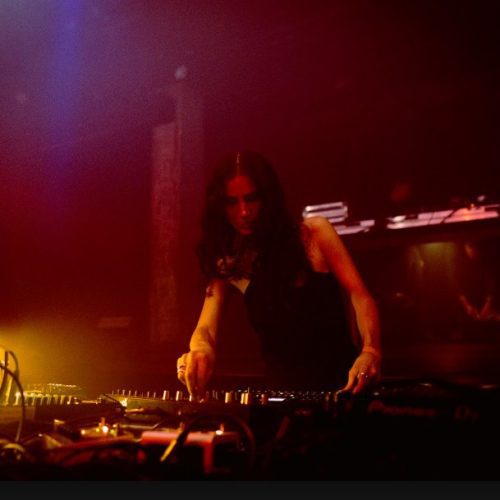
Concert review Electronic
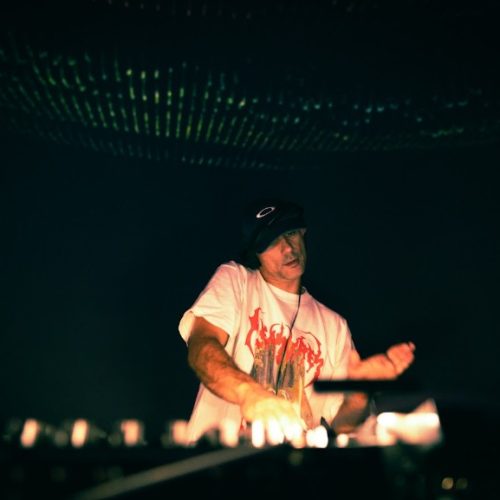
SAT X Making Time | Aurora Halal, dark, pulsating, sensual vibe with mystery and emotion.
By Julius Cesaratto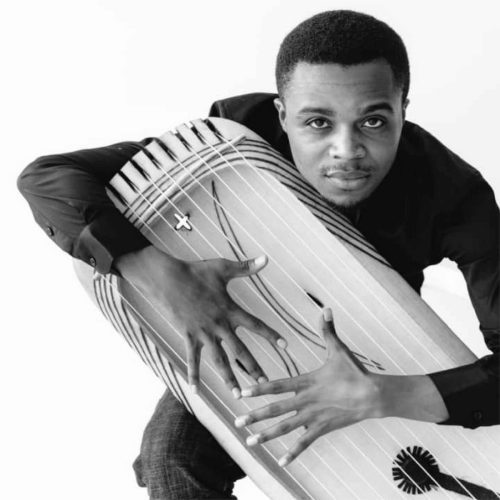
Interview Africa
VoixMonde on the 9th: meeting with the traditions of Rwanda with Deo Munyakazi
By Frédéric Cardin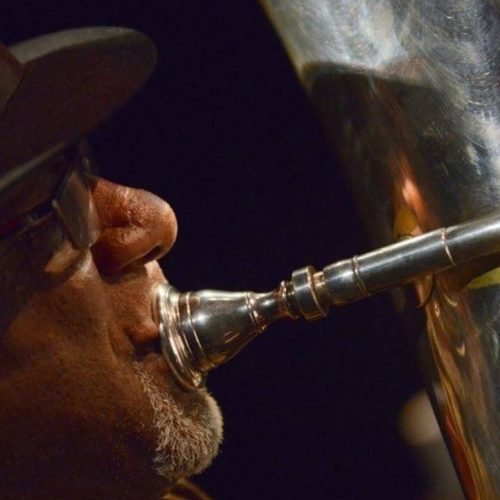
Interview Jazz
Flux 2026 | Bob Stewart, the most senior jazz tuba player performing this week in MTL
By Michel Rondeau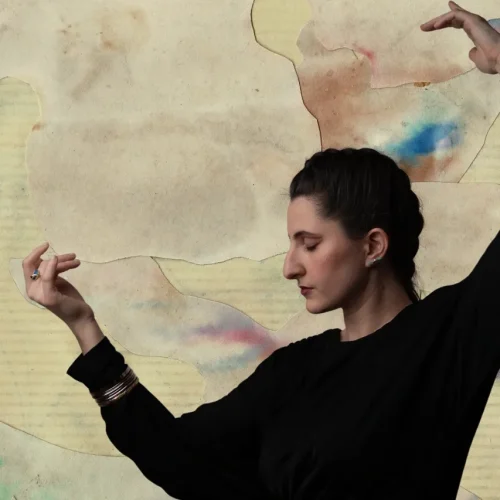
Interview Classical/classique/Experimental / Contemporary/expérimental / contemporain
Flux 2026 | Liberté-Anne presents Frotae vol. 2
By Frédéric Cardin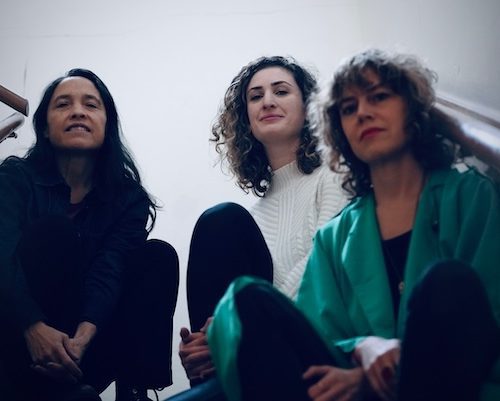
Interview Pop/Classical/classique/expérimental / contemporain/Experimental / Contemporary
Flux 2026 | No Hay Banda invites Erika Angell and pays tribute to Suoni per il popolo
By Frédéric Cardin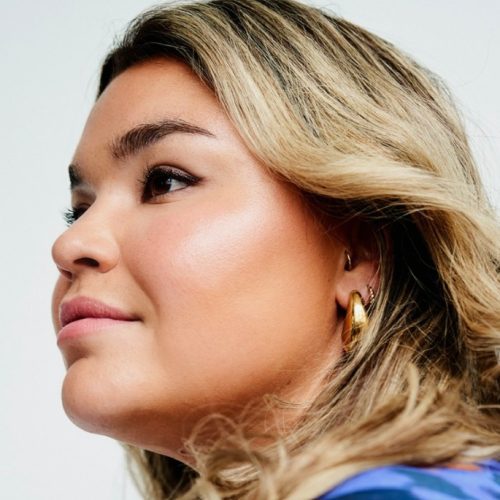
Interview classique
Nicolas Ellis, Elizabeth St-Gelais, and the Orchestre de l’Agora at Bourgie: Under the watchful eye of the Moon, angels pass by
By Frédéric Cardin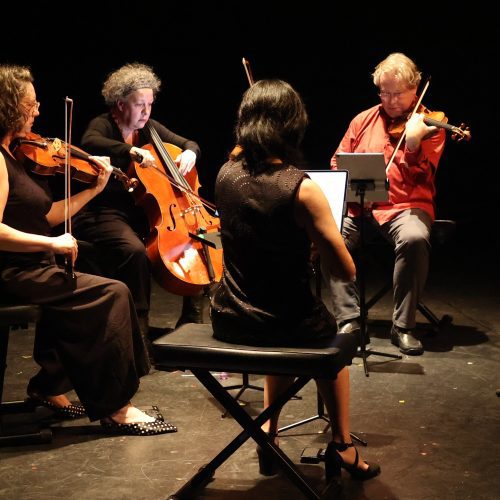
Concert review Classical/classique
QMP 2026 | Épatants quatuors de George Lewis par Bozzini
By Frédéric Cardin
Interview Electronic
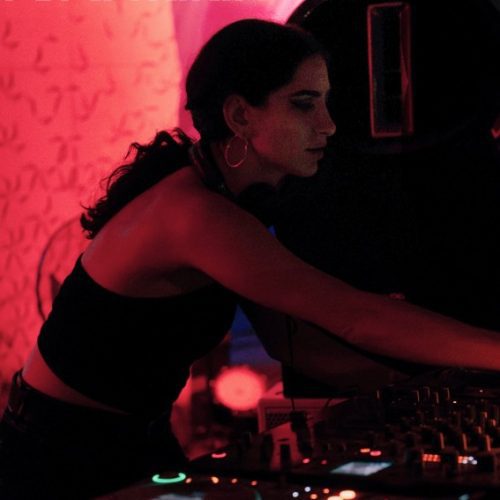
SAT/ Making Time |Aurora Halal’s One-hour Hardware Live Set Upcoming
By Julius Cesaratto
Interview Jazz/Experimental / Contemporary/expérimental / contemporain/Rock
Flux 2026 | 1st week-end according to Peter Burton
By Alain Brunet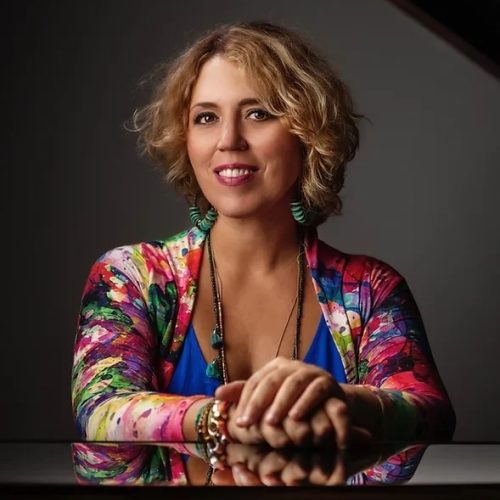
Interview classique/Classical
Between Shostakovich and improvisation, Gabriela Montero speaks of freedom
By Alexandre Villemaire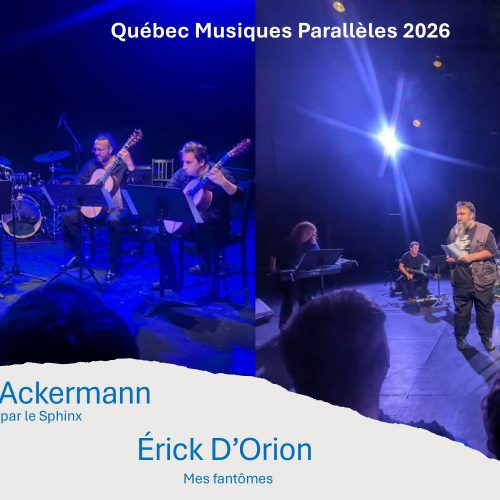
Concert review Rock/Classical/classique/Jazz/free-rock/Experimental / Contemporary/expérimental / contemporain
QMP 2026 | Ackermann and D’Orion : the Complementarity of Extremes
By Frédéric Cardin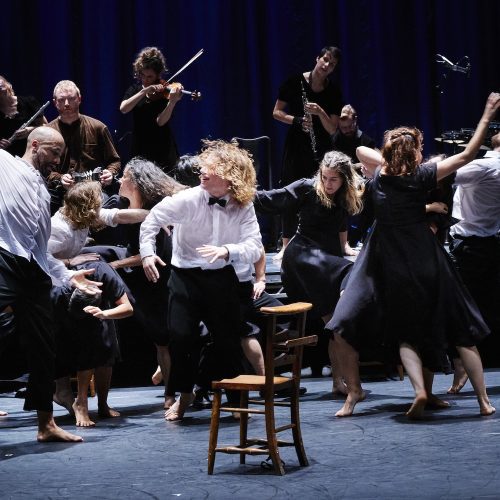
Concert review Classical/classique/Traditional
MÁM from Teaċ Daṁsa: The Ireland of All Dreams
By Frédéric Cardin
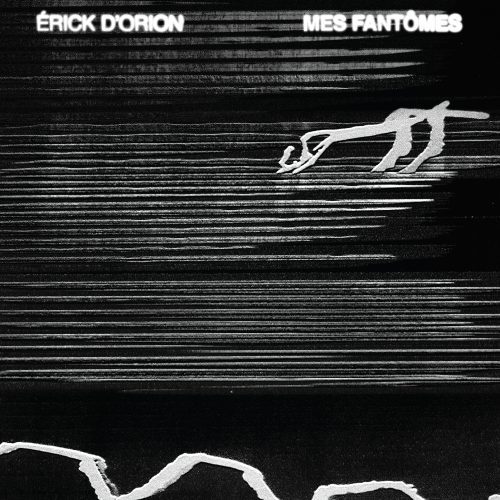
Album review Rock/Classical/classique/expérimental / contemporain/Experimental / Contemporary 2026
Erick D’Orion – Mes fantômes
By Frédéric Cardin