American minimalism has spawned three generations of composers, with Faten Kanaan emerging from the last wave. Interestingly, the Brooklyn resident loops her proposals without using samplers, sequencers, or arpeggiators. Specifically, she strives to create variations based on the contrapuntal repetition and interweaving of musical phrases, narrative wefts gently elongated and placed on our eardrums, but uses synthesizers, oscillators, and other machines to create her strings of richly textured patterns. At the extreme end of the spectrum of this circular mythology, two motets; choral singing is the probative material of an eminently contemplative art, close to the natural cycles observed at dusk and deep within oneself, in the depths of dreams traversed by Sumerian and Greek myths – she herself says so! Echoes of ancient and sacred music also haunt her works, which are generally agreeable, yet imbued with mystery and innovative textures. Like many contemporary composers, Kanaan seems to be fascinated by both the latest technological processes and the earliest forms of sound creation; her fascination with the myths of ancient Greece and Mesopotamia is understandable. This first album is also an autobiographical diffraction transposed into music, “a story of movement, migration and return. Renewed hope in the face of political and environmental struggles,” she says. Beyond the meaning associated with the work, the more one listens to Faten Kanaan’s work, the more one discovers its depth and mysterious contours.
Latest 360 Content
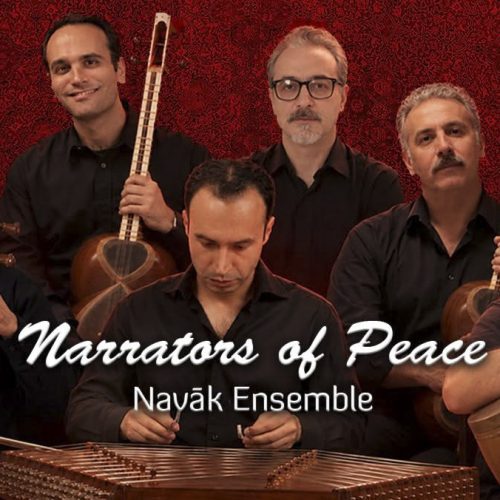
Interview classique/Moyen-Orient / Levant / Maghreb
FMA 2026 | Amin Reihani: Making Music a Language of Peace
By Sandra Gasana
Album review Classical/classique 2026
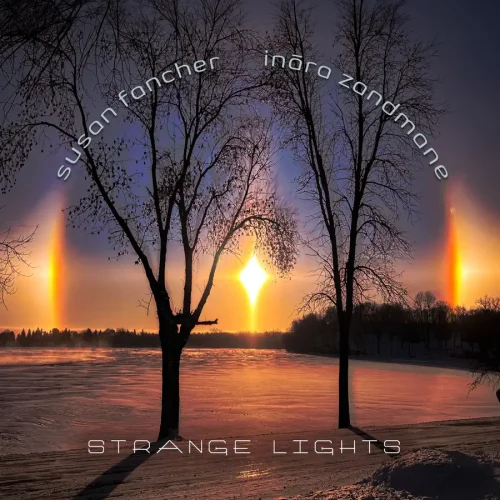
Susan Fancher/Ināra Zandmane – Strange Lights
By Frédéric Cardin
Interview Classical/classique
Guillaume Côté’s A Midsummer Night’s Dreams: the choreographer talks about his intimate relationship with music
By Frédéric Cardin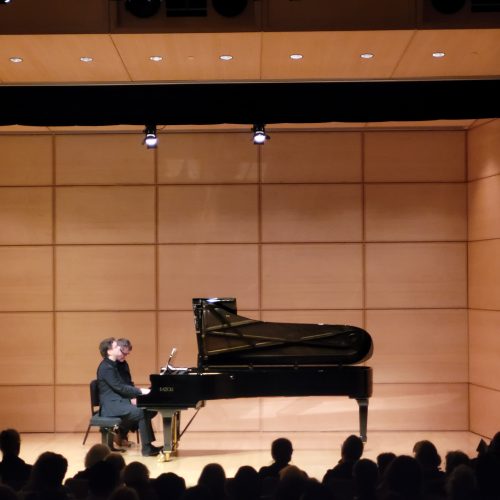
Concert review classique/Classical
SQMC/Chapelle Historique du Bon Pasteur: Discovering Quebec’s contemporary music
By Pietro Freiburger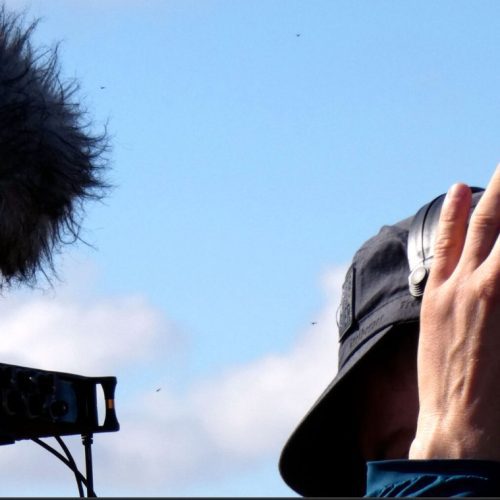
Interview
Akousma| Felix Deufel introduces us to the uncharted sonic richness of the Arctic
By Michel Rondeau
Interview Classical/classique/Electronic
Akousma | Les Artefacts sonores de Roxanne Turcotte
By Alexandre Villemaire
Interview Electronic/expérimental / contemporain
Akousma | The Audréanne Filion and Myriam Bleau Duo: Where Reality and the Virtual Merge
By Michel Rondeau
Interview Electronic/expérimental / contemporain
Akousma | Exzald S, la violence du calme
By Alain Brunet
Concert review Caribbean
Mois du Créole 2026 | Richy Jay: Keeping Konpa and Zouk Alive in Montreal
By Juliana Cortes
Interview arts numériques/Classical/classique/Électronique
Akousma | Melanie Zhou: Shaping Sound, Expressing Emotion
By Alexandre Villemaire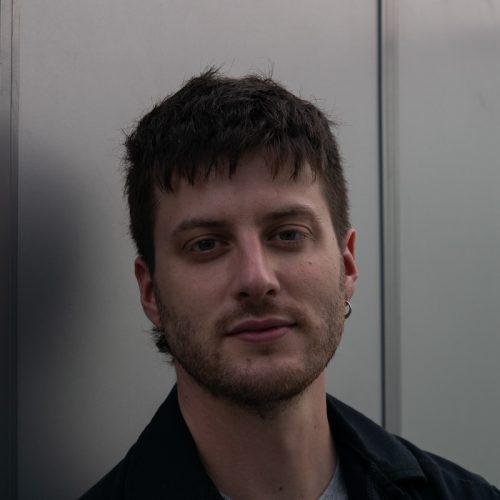
Interview arts numériques/Classical/classique/Électronique
Akousma | Alex Brisson et l’exploration musicale du feedback
By Alexandre Villemaire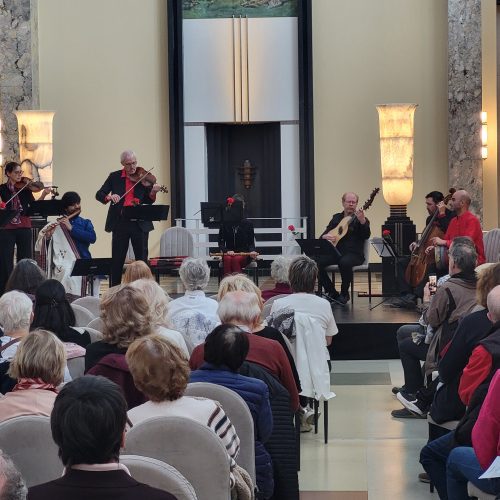
Concert review Classical/classique
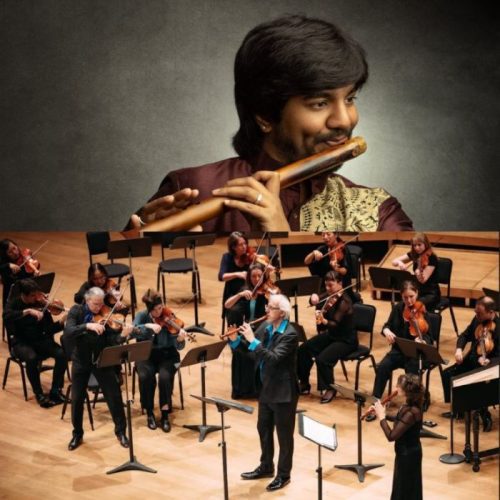
Caprice at the 9th Floor: a pleasant meeting between Baroque and Carnatic music
By Frédéric Cardin


Concert review Classical/classique
Arion: Cinderella has fun and unleashes her magic
By Frédéric Cardin
Interview Caribbean/Piano
Mois du Créole 2026 | David Bontemps: Between the Piano and Dessalines’ Legacy
By Sandra Gasana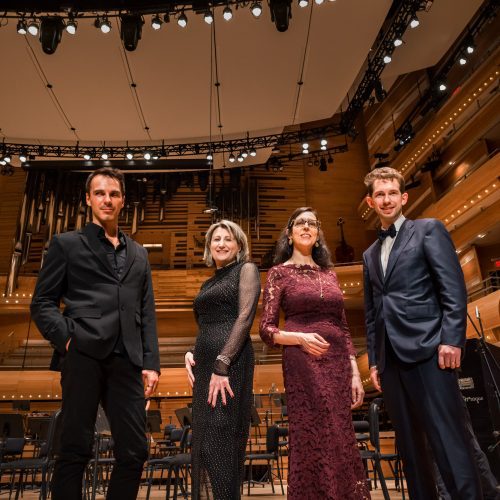
Concert review Classical/classique
Azrieli Prize 2026: The Four Pillars of the Temple
By Frédéric Cardin
Interview Classical/classique
Ensemble Caprice at the 9th: Dialogue with Carnatic India
By Frédéric Cardin
Interview Classical/classique