American minimalism has spawned three generations of composers, with Faten Kanaan emerging from the last wave. Interestingly, the Brooklyn resident loops her proposals without using samplers, sequencers, or arpeggiators. Specifically, she strives to create variations based on the contrapuntal repetition and interweaving of musical phrases, narrative wefts gently elongated and placed on our eardrums, but uses synthesizers, oscillators, and other machines to create her strings of richly textured patterns. At the extreme end of the spectrum of this circular mythology, two motets; choral singing is the probative material of an eminently contemplative art, close to the natural cycles observed at dusk and deep within oneself, in the depths of dreams traversed by Sumerian and Greek myths – she herself says so! Echoes of ancient and sacred music also haunt her works, which are generally agreeable, yet imbued with mystery and innovative textures. Like many contemporary composers, Kanaan seems to be fascinated by both the latest technological processes and the earliest forms of sound creation; her fascination with the myths of ancient Greece and Mesopotamia is understandable. This first album is also an autobiographical diffraction transposed into music, “a story of movement, migration and return. Renewed hope in the face of political and environmental struggles,” she says. Beyond the meaning associated with the work, the more one listens to Faten Kanaan’s work, the more one discovers its depth and mysterious contours.
Latest 360 Content

Interview Classical/classique
Esteban la Rotta: Back to the Ancient Origins of the Lute
By Frédéric Cardin

Interview Jazz
We’re talking with John Sweenie about Mysticism for Intellectuals, an album that will make the “Best of” list for 2026.
By Frédéric Cardin
Interview Classical/classique
Beethoven and Brahms: First and Last Flames of Musical Passion on the 9th Floor
By Frédéric Cardin
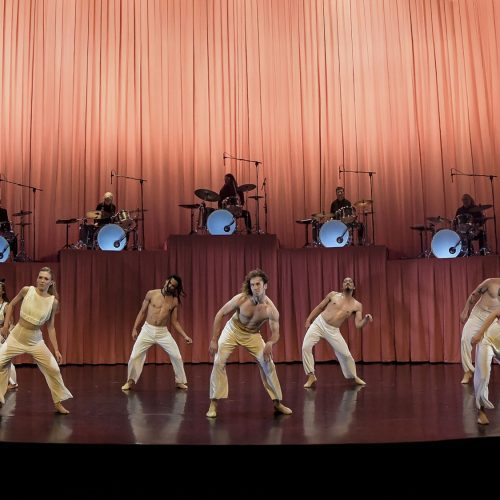
Concert review Classical/classique/danse
Stephanie Lake Company: Symbiosis of Strike and Movement
By Frédéric Cardin
Concert review Western European/latino/Pop/Rock
Maruja Limón, Weapon of Mass Construction!
By Alain Brunet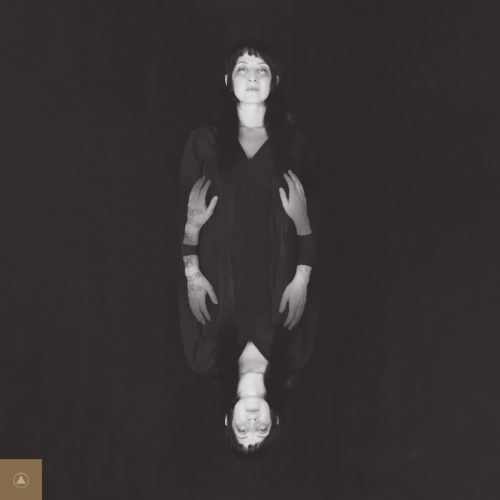
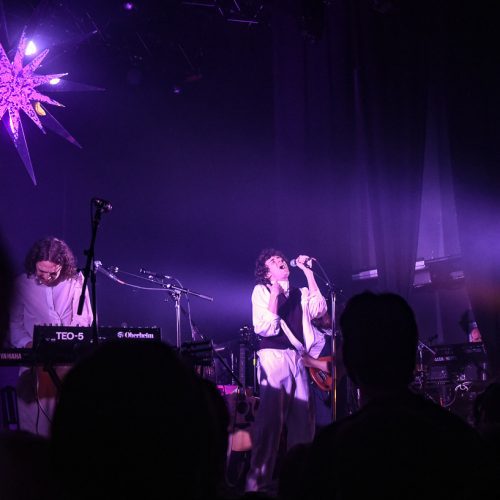



Concert review Jazz
Hilario Durán and The UdeM Big Band: Caliente at Claude-Champagne Hall!
By Michel Labrecque


Interview Reggae
David Cairol and Taïro Unveil “Ticket pour Mars”, A Socially Conscious Reggae Single
By Sandra Gasana
Album review Classical/classique 2026
Esteban La Rotta – Orbus Ille Germanus : L’art du luth allemand au XVe siècle
By Frédéric Cardin
Album review Electronic/Classical/classique/expérimental / contemporain/musique de film 2026
Colin Stetson – Something Very Bad Is Going to Happen
By Frédéric Cardin

Album review Classical/classique 2026
Ksenija Sidorova – Prophecy : Tüür, Kõrvits, Vasks
By Frédéric Cardin
Album review Dark Trance/Psytrance/Electronic 2026
Mirror Me – When Voodoo Hoodoo Meets Mirror Me
By Frédéric Cardin