For the 37th Folk Alliance International, a major international folk gathering held in Montreal this year, a new wave of Portuguese Alt folk broke through. Michel Labrecque went to meet them while we waited to see them play at home.
When we associate music with Portugal, we immediately think of Fado, those lament-like songs that tear at hearts and souls. The genre has its devotees, and there is some very good Fado out there. But this week I discovered that Portuguese folk music is much richer, and that a group of Portuguese musicians is reinventing the genre in a modern context.
I didn’t expect to talk politics so quickly in my encounters with these artists, who are featured at this year’s Folk Alliance International.
“You have to understand that, during the years of dictatorship, the rulers didn’t like folklore, which was often very percussive and galvanized the citizens,” singer-songwriter Joana Alegre tells me. “They preferred Fado, which was more individualistic than collective, and I think Portugal still bears traces of this today.
Portugal was a dictatorship from 1926 to 1974. Last year, it celebrated the fiftieth anniversary of its return to democracy.
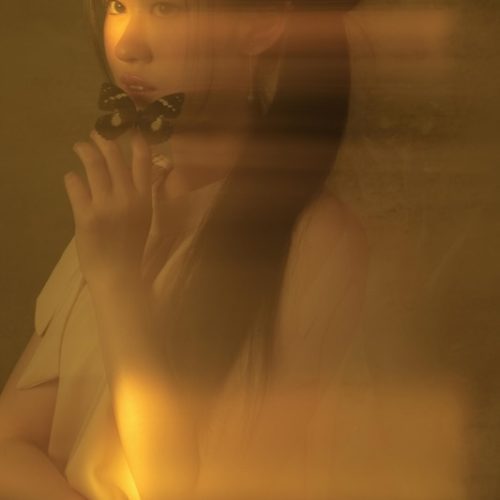
In 2024, Joana Alegre released Luas, a luminous folk-pop album that epitomizes this new wave. It features electro effects and traditional Portuguese instruments fused with rich vocal harmonies. “I’m in between different genres and I like it,” says the young woman with a background in classical music and jazz.
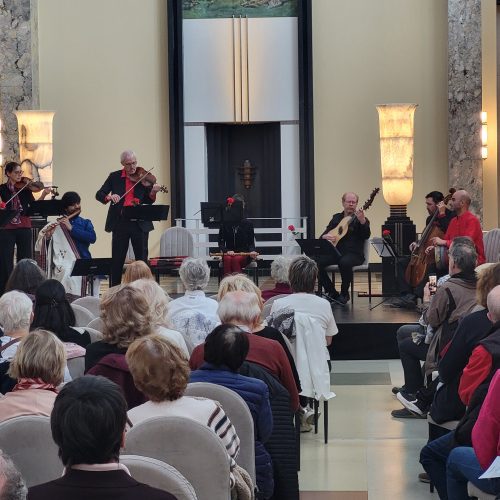
Small Portugal boasts a staggering number of traditional instruments. Starting with these very special guitars, called “violas”. They have between four and eighteen strings, come in different sizes and have a very distinctive sound. There’s the viola braguesa, the campanica, the de arame, and several others, not to mention the cavaquinho, which also exists in Brazil and which, in Hawaii, has become the Ukulele.
“I knew absolutely nothing about all these guitars,” says O Gajo, whose real name is João Morais. “Then one day I discovered this sound and fell in love with it. O Gajo is a kind of Bob Dylan in reverse: a former rocker and punk in many bands, he has abandoned and sold his electric guitars in favor of his country’s violas. Need I remind you of the story of Bob Dylan, who was booed off the stage at the 1965 Newport Folk Festival for adopting the electric guitar? Very well told in the recent film “A Complete Unknown”.
Since his acoustic conversion, O Gajo has embarked on an odyssey aimed at pushing his viola into uncharted territory. In some pieces, you almost feel like you’re in an Indian râga. In others, you can still feel the breath of rock, embodied in an acoustic mode. In his latest opus, Terra Livre (2024), O Gajo converses with Ricardo Vignini, a Brazilian who plays the viola caipirinha, the Brazilian cousin of the Portuguese viola. The result is a long, fascinating introspection between two Portuguese speakers from opposite sides of the Atlantic, who merge musically.
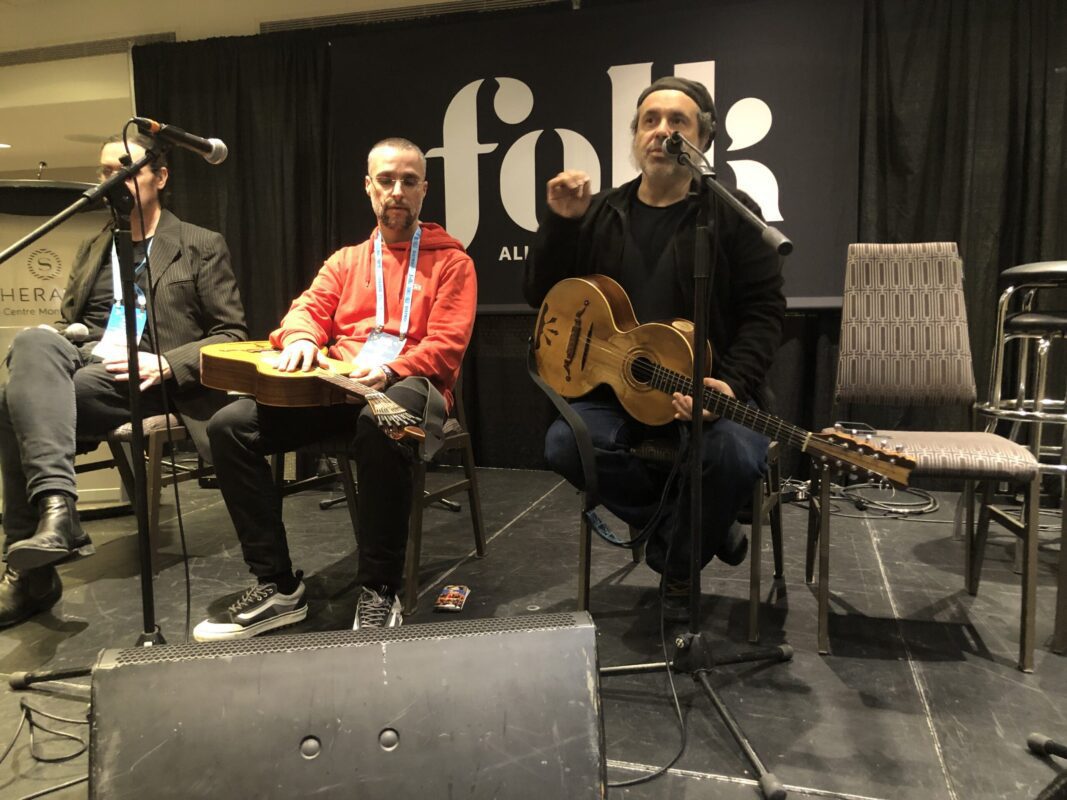
“You should know that these instruments almost disappeared,” says Antonio Bexiga, aka Tó-Zé, from the group RAIA, during a workshop-conference on these ‘cordophones’, the generic name given to these traditional violas. “No one was interested in these instruments anymore. Only the viola braguesa was still played during the dictatorship.
RAIA, like Bicho Carpintero, are other groups who take traditions into new territories, mixing genres and influences. Portugal is this year’s guest country of Folk Alliance International. This gives us the opportunity to discover the impressive quality of its music.

“It’s really a new Portuguese scene, and these artists tend to collaborate with each other, which enriches the whole,” Nuno Saraiva, a Canadian-Portuguese who worked to set up this musical mission abroad, tells me. A musician himself, he plays in the group Lusitanian Ghosts, a musical folk-rock UFO that sings in English while using traditional Portuguese guitars.
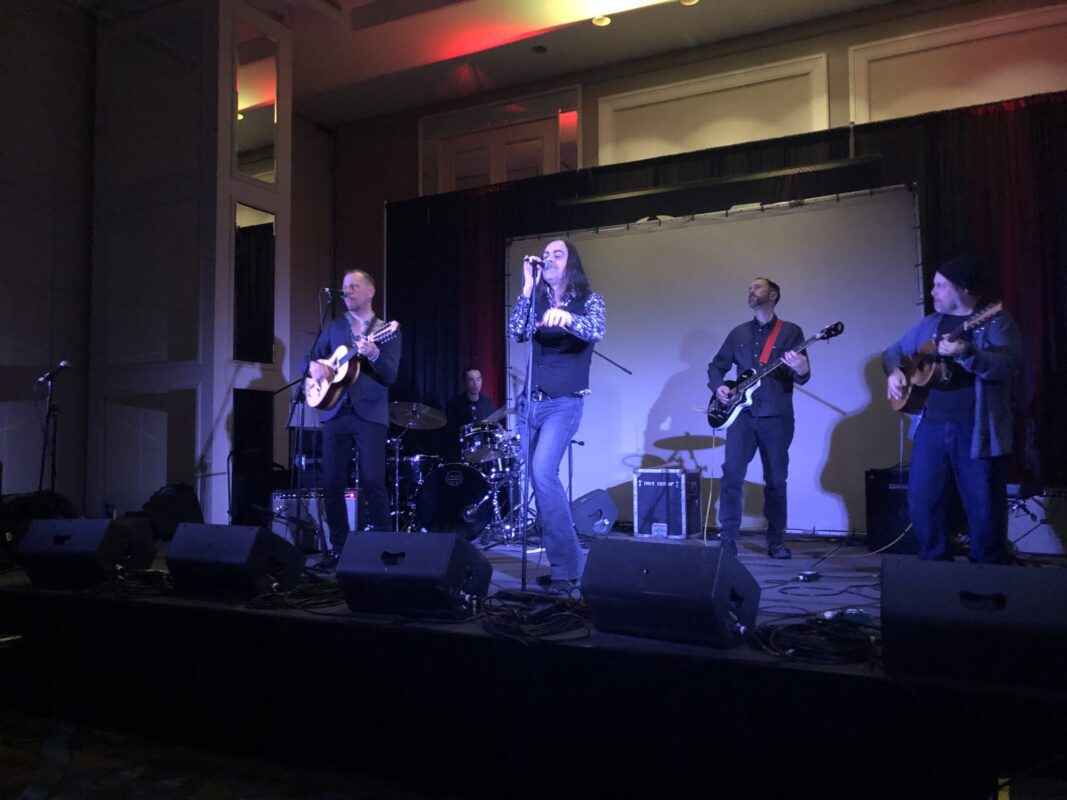
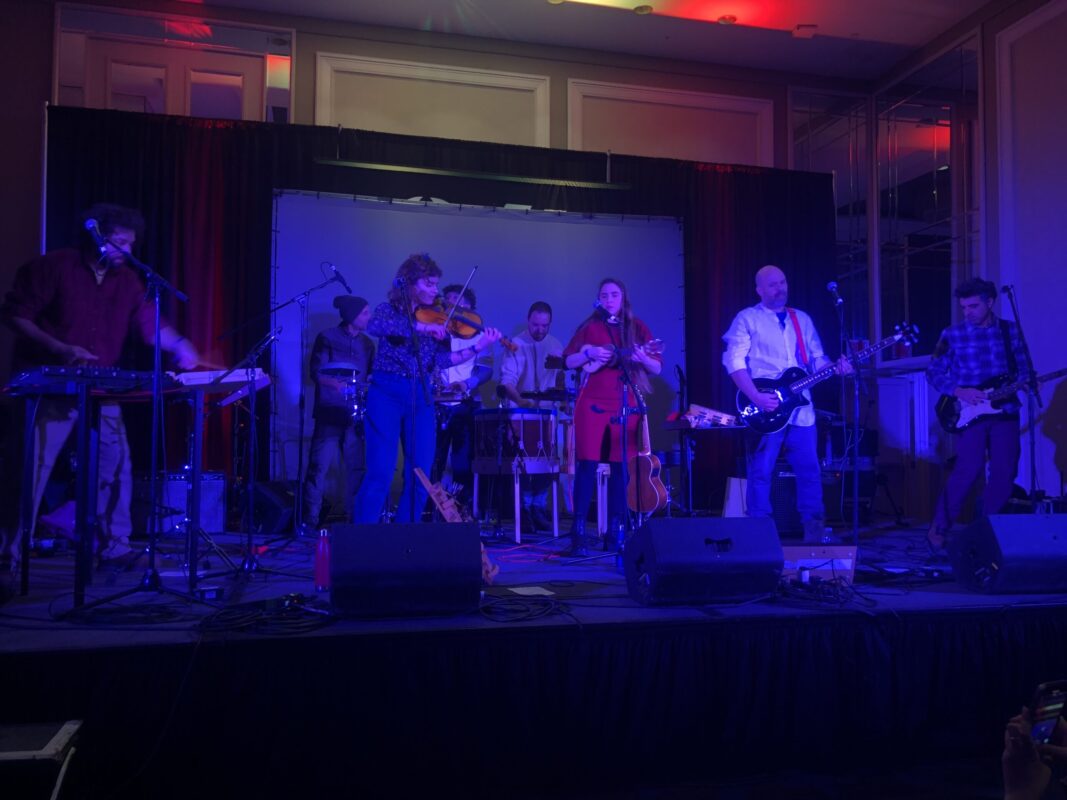
We must also mention Retimbrar, a percussive and playful group from Porto. There are eight of them, two women and six men, six of whom sometimes sing polyphonically. With a bevy of percussion instruments, from small castanets to huge drums. And it moves furiously, as they demonstrated on a private Folk Alliance stage. In addition to traditional instruments, they also play keyboards and electric guitars.
I’m telling you: there’s a lot of innovation in this Portuguese Alt Folk movement.
Let me finish with three more innovators at the extremes of the genre.
João Diogo Leitao is a classical guitarist who has reinvented himself by writing compositions for Portuguese viola. His album Por Onde Fica a Primavera (2020) is a jewel of meditative, complex folk, with refined compositions that demonstrate the guitarist’s classical training. The guitar is often reverberated, taking us directly into the stratosphere…
Marta Pereira Da Costa is the Pat Metheny of Fado. The first woman in Portugal to become a backing guitarist for Fado singers, she has chosen to broaden her instrumental repertoire, drawing inspiration from jazz, Brazilian and Latin music. Her latest offering, Sem Palavras (2024), is a rich dialogue with Cuban-born pianist Ivan Melon Lewis. Marta Pereira Costa plays the Portuguese guitar, a different instrument from the violas mentioned above.

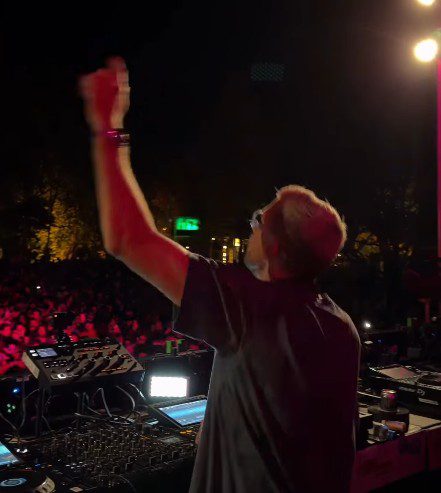
Finally, another UFO: Omiri. Real name Vasco Ribeiro Casais, is both a DJ and an ethnologist. He travels around the countryside collecting traditional songs and instruments and filming people. He then samples all this material and composes rhythms and melodies. Afterwards, he plays the instruments live, while behind the scenes we see videos that correspond to the samplings made. Often, his traditional instruments are electrified. So much fun!
I was delighted to discover these artists. I hope we’ll be able to see them live on home soil again soon. Obrigado por ler. Thanks for reading.