musique du monde / Samba / trad québécois

Festival International Nuits d’Afrique : Raíz Viva à la scène Loto-Québec

by Rédaction PAN M 360

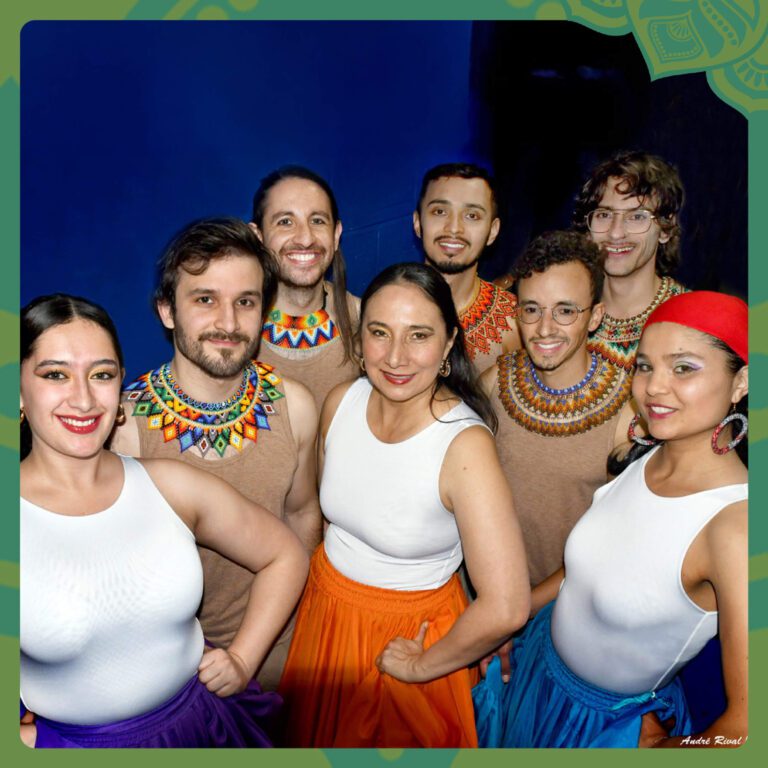
“Brut, aux rythmiques élaborées, le jeu de Raíz Viva invitait à une sorte de transe” (Le Devoir, 2025). Récipiendaire du Syli d’argent 2025 de la musique du monde, ce quintette dont le nom signifie “racines vivantes” donne dans une diversité des rythmes, qui tous ramènent à leur cumbia originelle! Misant sur les instruments à vent et les percussions, leur musique du terroir, profondément inscrite dans les traditions afro-colombiennes, dans l’esprit de fête, la célébration de la nature et le partage communautaire, rallie chalupa, bullerengue, tambora, samba brésilienne et trad québécoise.

“Raw, with elaborate rhythms, Raíz Viva’s performance invited a kind of trance” (Le Devoir, 2025). Winner of the Syli d’argent 2025 for world music, this quintet, whose name means “living roots”, offers a diversity of rhythms, all of which lead back to their original cumbia! Featuring wind instruments and percussion, their music is deeply rooted in Afro-Colombian traditions, the spirit of festivity, the celebration of nature and community sharing, and brings together chalupa, bullerengue, tambora and even Brazilian samba and Quebecois trad.

CE SPECTACLE EST GRATUIT!

Ce contenu provient du Festival International Nuits d’Afrique et est adapté par PAN M 360

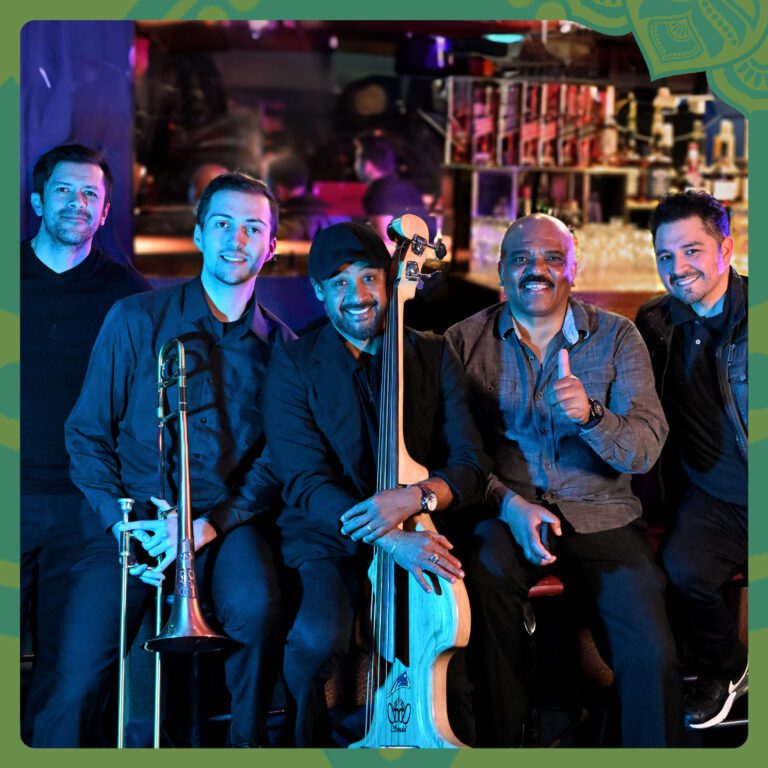
Jazz / latino / Salsa

Festival International Nuits d’Afrique : Team Salsa Sextet à la scène TD

by Rédaction PAN M 360

“La Salsa n’est pas un rythme. C’est un concept” (Willie Colón, pionnier du New York Sound dans les années 70). Cette musique de la rue, née dans la Grosse Pomme, est une musique d’immigrés. Une musique entrelaçant différents rythmes, propulsée par la diaspora latine, particulièrement cubaine et portoricaine, dans une tentative éperdue de se forger une identité propre, sur fond de revendications sociales. Aussi inspirée par la liberté d’improvisation du jazz et du rock, la salsa met en valeur les rythmes afro-descendants qui ont pollinisé les folklores caribéens dès le 16e siècle. Elle défie tous les codes. C’est cette fureur de vivre, d’exister, de danser, que cultive Team Salsa Sextet à la ferveur des percussions et à la puissance des cuivres.

“Salsa is not a rhythm, it’s a concept” (Willie Colón, pioneer of the “New York Sound” in the 1970s). Salsa emerged organically from immigrant communities in the heart of the Big Apple, with a melting pot of rhythms propelled by the Latin American diaspora, especially Cuban and Puerto Rican, in a bursting effort to forge a distinct identity against a backdrop of social demands. Inspired by the improvisational spirit of jazz and rock, it is a fusion of genres that emphasize the African roots of the traditional rhythms that have shaped Caribbean folk music since the 16th century. Team Salsa Sextet cultivates this passion for life, for being alive and for dancing, through the fervour of percussion and power of brass vibes.

CE SPECTACLE EST GRATUIT!

Ce contenu provient du Festival International Nuits d’Afrique et est adapté par PAN M 360

Blues / Jazz / Reggae

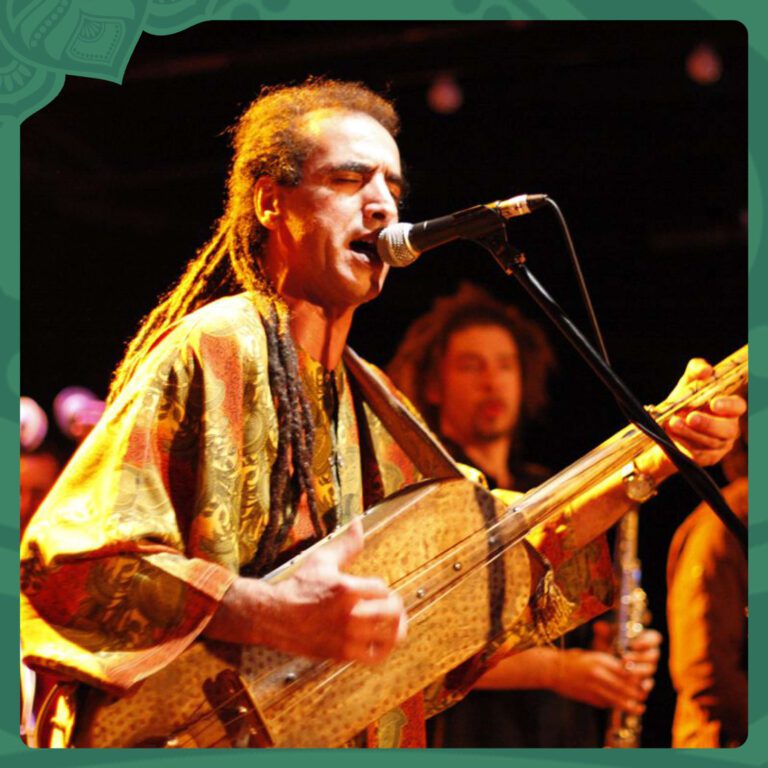
Festival International Nuits d’Afrique : Saïd Mesnaoui & Transe Gnawa Fusion au théâtre Fairmount

by Rédaction PAN M 360

Saïd Mesnaoui a fait ses premières scènes à la fin des années 70, flanqué de son guembri et avec l’intention de promouvoir la musique gnawa. Non seulement son héritage millénaire, mais aussi l’immense liberté qu’elle permet, son potentiel créatif. Avant de partir poursuivre sa carrière en France, en 1998, il a été l’un des pionniers de la musique du Maghreb à Montréal ; l’un des artistes à avoir participé aux premières éditions du Festival, aux tout premiers spectacles au Club Balattou. Au fil des ans, il a exploré les rythmes ghiwane, sahraoui, berbère et gnawa, a ouvert le dialogue avec le rock, le reggae, le blues ou le jazz, sans jamais sacrifier l’authenticité.

His guembri always at the ready, Saïd Mesnaoui began performing towards the end of the 1970s, determined to promote gnawa music, not only by sharing its thousand-year-old heritage but revealing its creative potential and the immense freedom it allows for. Before heading to France in 1998 to continue pursuing his musical career there, Mesnaoui was among the first musicians to introduce North African music to Montreal, where he participated in the earliest editions of Festival Nuits d’Afrique and performed some of the first shows ever to be presented at Club Balattou. Over the years, he has explored a variety of music styles, such as ghiwane, Sahraoui, berber and, of course, gnawa, incorporating their rhythms into rock, blues and jazz without ever compromising their authenticity.

POUR ACHETER VOTRE BILLET, C’EST ICI!

Ce contenu provient du Festival International Nuits d’Afrique et est adapté par PAN M 360

Africa / conte / Hip Hop / percussions

Nuits d’Afrique | Les mamans du Congo x Rrobin: A Successful Bet!

by Sandra Gasana

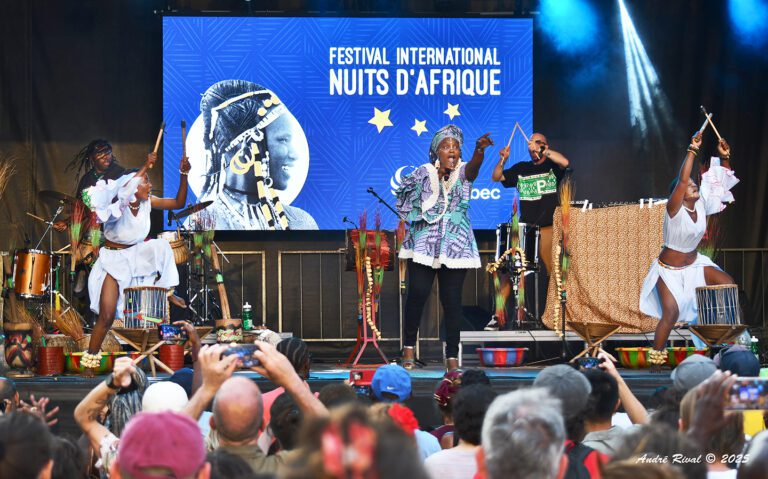
With a dance-based introduction, we first hear recorded ambient noises, mixed with sounds played by the DJ and his percussion. It’s only then that Gladys Samba, the band’s leader, appears on stage, blowing into a saucepan whose dust we can see.

The two dancers, on either side of the artist, are talented: they sing, they play characters, they dance, while Gladys alternates between hip-hop, singing, storytelling, and shares engaged messages, mainly honoring women or denouncing violence against women.

“Matondo means thank you in my language,” she tells us between songs.
Movements from everyday life have found a way of integrating with the music offered by this band. The dancers, for example, are seen pounding millet to the same rhythm played by the DJ and percussionist.

Gladys is also an actress, judging by the little scene played out with the two dancers. So we moved from dance to theater, storytelling, singing and percussion. A whole range of arts came together in this hour-long performance, under a blazing sun.

We were treated to several traditional lullabies but revisited, “not to make you sleep, but to make you smile”, she announced, while getting the crowd involved in the song dedicated to her sister Tombo.

The second part of the concert focused on the return to the village and the vital role of mothers, with a climactic finale featuring drumming by all the artists, followed by a gentle closing, swapping the drum for maracas.

Photo Credit: André Rival

Publicité panam
Cumbia / latino

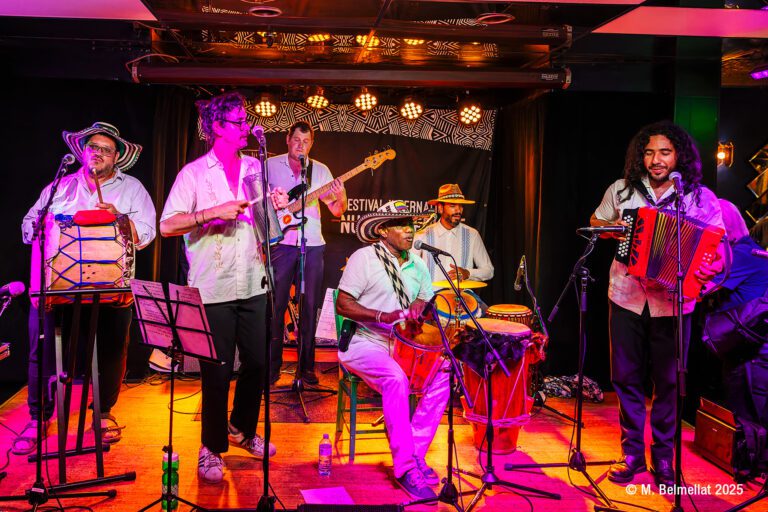
Nuits d’Afrique | Less Toches: A Latin-Montreal Fusion Worth Discovering

by Michel Labrecque

The Montreal cumbia group Less Toches performed three times at Nuits d’Afrique. Each concert was different, with special guests, allowing us to explore the diversity of this style… while getting everyone dancing.

It all began on July 13 with a Vallenato evening featuring Remberto Zuniga, a veteran singer and percussionist based in Montreal. Vallenatos are a kind of Colombian griot who travel from village to village singing.

After five minutes, no one was sitting down anymore, even though the crowd was small on this late evening of torrential rain. This concert would have to be repeated in a different context.

The second concert on July 14 aimed to bring cumbia closer to traditional Quebec music. The special guest was Alice Bro, a tattooed banjoist with a radiant, contagious smile and a husky voice, who offered a Tom Waits version of trad-keb. The mix wasn’t perfect, but it was very promising. To be explored further. The crowd, significantly larger than the previous day, danced enthusiastically, including a Serbian university professor whom we met by chance. These concerts provide opportunities for unexpected encounters.

The third concert, on the 15th, was the only one I missed. The guest was Ons Barnat, a musicologist, professor at UQAM, and reggae and dub music enthusiast. Another bold choice, which must have brought a lot of people to the dance floor at Balattou.

Less Toches are anthropologists of cumbia. Daniel Rodriguez, the percussionist and flutist who perfectly imitates birdsong, tells you, in impeccable French, lots of stories about the different styles and their more recent adaptations. A bottomless well of knowledge.

Less Toches is a gathering of new Montrealers of Colombian, Argentinean, Cuban, and Mexican origin. Unlike other recent cumbia offerings, such as Brussels-based Chiva Gantiva, heard at Nuits d’Afrique on July 8, Less Toches does not mix cumbia with electronic music. Nor does it mix it with brass instruments. The group is based on multiple percussion instruments and the accordion, with electric bass providing support and sometimes the traditional flute. But it hits the mark.

It will be interesting to follow Less Toches in the coming months. The group is currently working on its first full-length album. In the meantime, it will be performing at numerous festivals this summer. Get ready to “cumbier”!

Photo Credit: M. Belmellat

Publicité panam
Afro House / DJ set / Hip Hop

SAT : Dômesicle x Nuits d’Afrique — Aunty Rayzor (live) (NG) • Maya Kamaty (live) (FR) ++

by Rédaction PAN M 360

En partenariat avec le Festival international Nuits d’Afrique et sa série Sound System, le Dôme va vibrer dans une soirée de danse effrénée portée par trois artistes puissantes aux univers solides!

In partnership with the Festival international Nuits d’Afrique and its Sound System series, the Dome is set to vibrate with an evening of unbridled dance, brought to life by three powerful artists with solid universes!

Aunty Rayzor

Bisola Olungbenga a commencé à écrire de la musique à l’âge de neuf ans, encouragée par sa mère qui jouait du piano. Se produisant aujourd’hui sous le nom d’Aunty Rayzor, elle est l’une des artistes émergentes les plus dynamiques du Nigeria, mêlant hip-hop, afrobeat, R&B et sons expérimentaux pour dresser un portrait énergique du Lagos contemporain. Son premier album, « Viral Wreckage », fait suite à l’hymne de rue viral de 2021 « Kuku Corona ». Les producteurs Titi Bakorta, III Gee, Scotch Rolex, DJ Cris Fontedofunk, Debmaster, Slimcase et Kabeaushé y participent. Son premier album, « Stuttrap », nous entraîne dans son univers sonore avec des raps en yoruba-anglais sur des rythmes trap ; « Doko » balance des rythmes d’Afrique de l’Ouest avec Slimcase ; “Bounce” enflamme un shuffle néo-baile ; et « Fall Back » fait un clin d’œil à l’afrobeat d’antan. L’éclectisme d’Aunty Rayzor transparaît tout au long de l’album.

Bisola Olungbenga began writing music at nine, encouraged by her piano‑playing mom. Now performing as Aunty Rayzor, she’s one of Nigeria’s most vibrant emerging artists, blending hip‑hop, Afrobeat, R&B and experimental sounds into an energetic portrait of contemporary Lagos. Her debut album, “Viral Wreckage,” follows the viral 2021 street anthem “Kuku Corona.” It features producers Titi Bakorta, III Gee, Scotch Rolex, DJ Cris Fontedofunk, Debmaster, Slimcase and Kabeaushé. Opener “Stuttrap” pilots us into her sonic universe with Yoruba‑English raps over trap beats; “Doko” swings West African rhythms with Slimcase; “Bounce” ignites a neo‑baile shuffle; and “Fall Back” nods to vintage Afrobeat. Aunty Rayzor’s eclectic focus shines throughout.

Maya Kamaty

Il paraît loin le temps où la « môme Pounia », alors étudiante, faisait ses premiers pas sur scène comme choriste. Depuis, Maya a retrouvé son île et s’est emparée de la langue créole et du maloya. Ses parents et les “dalons” se sont battus pour que cette musique ne meurt pas. Maya choisit « Kamaty », en hommage à une femme debout du village de Grand Bois. Son premier album, Santié Papang, « Coup de cœur » de l’Académie Charles Cros, l’emmène de l’Inde à l’Australie, du Maroc à la Chine. Son maloya réinventé appartient au monde, tout en gardant l’émotion et la force de la langue créole. La tournée de son deuxième album Pandiyé traverse l’Europe et le Canada jusqu’à l’ouverture des Vieilles Charrues en 2021. L’arrêt du monde lui offre un temps précieux pour écrire Sovaz (EP), « Kreol Urban pop » brut et syncopé. Elle y propose un répertoire minimaliste, flirtant avec hip‑hop, trap et pop atmosphérique, d’une profondeur rare.

The days of “la môme Pounia,” a young student taking her first steps on stage as a backup singer, seem long gone. Since then, Maya has returned to her island and embraced Creole and maloya. Her parents and “dalons” fought to keep this music alive. She chose the name “Kamaty” in tribute to a proud woman from the village of Grand Bois. Her debut album Santié Papang — a “Coup de cœur” from the Académie Charles Cros — took her from India to Australia, Morocco to China. Her reinvented maloya now belongs to the world, while holding onto the emotion and strength of the Creole language. The tour for her second album Pandiyé spanned Europe and Canada, all the way to the opening of the Vieilles Charrues festival in 2021. When the world came to a halt, she used the moment to create Sovaz (EP), a raw and syncopated take on “Kreol Urban Pop.” In it, she explores a minimalist soundscape that flirts with hip-hop, trap, and atmospheric pop — a rare kind of depth.

Molyness

Molyness est une DJ et productrice maroco-allemande basée à Montréal. Après avoir étudié l’électroacoustique, Molyness a développé une profonde appréciation pour les sons purs et bruts. Elle combine et explore ces sons avec des rythmes et des tonalités inspirés par ses origines multiculturelles, fusionnés avec des lignes de basse groovy qui emmènent l’auditeur dans un voyage unique et éclectique. L’évolution de sa carrière artistique est étroitement liée à ses concerts, à ses interactions avec le public et à l’énergie qui se dégage de cette relation. Molyness a honoré les scènes d’événements et de festivals renommés tels que Cercle, Burning Man, Igloofest, Piknic Électronik, ouvrant pour des artistes tels que Solomun, Tiësto, Tale of Us, et bien d’autres encore.

Molyness is a Moroccan-German DJ and producer based in Montreal. After studying Electroacoustic, Molyness has developed a deep appreciation for pure and raw sounds. She combines and explores these sounds alongside rhythms and tones inspired by her multicultural background, merged with groovy basslines that take the listener on a unique and eclectic journey. The evolution of her artistic career is closely tied to her live performances, her interactions with the crowd, and the energy embodied in that relationship. Molyness has graced the stages of renowned events and festivals including Cercle, Burning Man, Igloofest, Piknic Electronik, opening for artists such as Solomun, Tiësto, Tale of Us, and many more. As a woman and foreigner, Molyness aims to express the power of identity in the electronic music industry, both locally and worldwide.

POUR ACHETER VOTRE BILLET, C’EST ICI!

Ce contenu provient de la Société des arts technologiques et est adapté par PAN M 360
Africa / chaoui / Raï

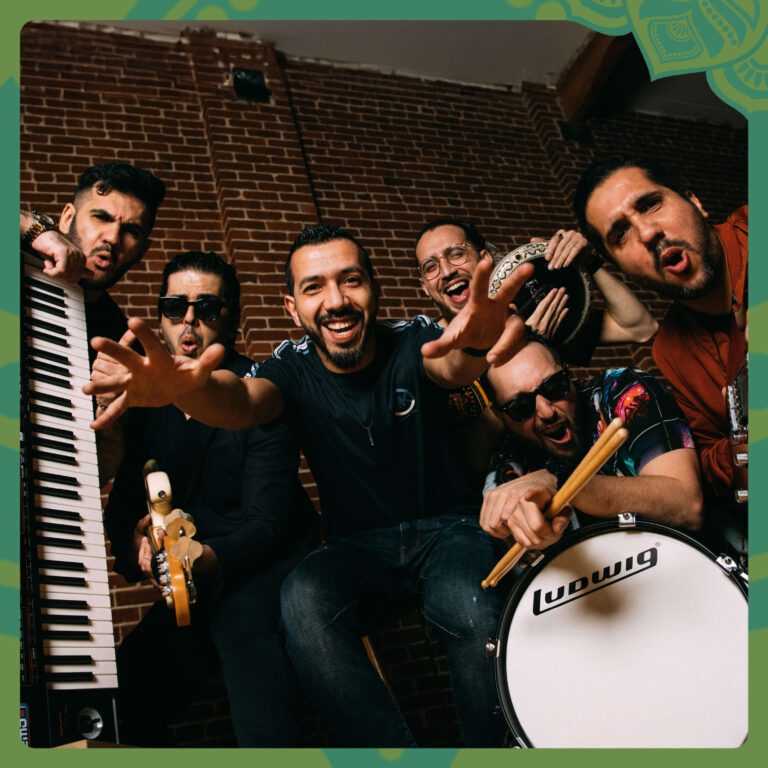
Festival International Nuits d’Afrique : AfirkA à la scène Loto-Québec

by Rédaction PAN M 360

Pivot du projet d’AfirkA, le partage généreux avec le public du doux souvenir d’insouciantes et chaleureuses soirées remplies de joie et de rires ; de fêtes rassembleuses, libératrices et décomplexées, cadencées par les musiques populaires d’Algérie, défiées par les longs youyous enthousiastes. Authentiques et énergiques, s’appuyant sur une instrumentation composée de la darbouka, de la mandole, de la guitare et du violon, leurs reprises passionnées et urbaines de succès aux intonations raï, chaoui et kabyle rappellent à quel point les rythmes de leur pays sont cosmopolites par essence.

At the heart of AfirkA is the shared experience of exhilarating, carefree evenings filled with joy and laughter; inclusive, liberating, exuberant celebrations, pulsating with Algeria’s rhythmic pop sound and punctuated by long, enthusiastic ululations and a cheering crowd. Passionate, urban and energizing, the band features the darbouka, mandola, guitar and violin while its covers of raï, chaoui and kabyle hits are a wonderful reminder of the inherently cosmopolitan nature of Algerian rhythms.

CE SPECTACLE EST GRATUIT!

Ce contenu provient du Festival International Nuits d’Afrique et est adapté par PAN M 360
Afro Funk / Afrobeat / Jazz

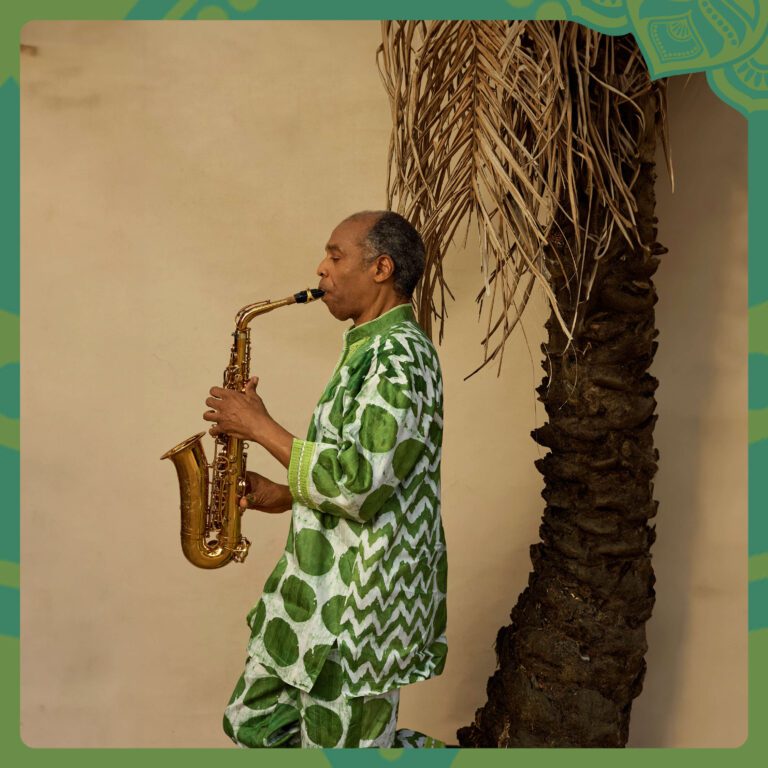
Festival International Nuits d’Afrique : Femi Kuti & The Positive Force à la scène TD

by Rédaction PAN M 360

Un “chaudron bouillonnant où l’on retrouve l’énergie et la transe qui animent le New Afrika Shrine, le club de Lagos que Femi Kuti dirige et où il se produit plusieurs fois par semaine” (RFI, 2024). Chacune des visites à Montréal de Femi Kuti & The Positive Force, six fois nominé aux Grammy Awards, est un événement qui rassemble les foules. Depuis plus de trois décennies, une douzaine d’albums et des milliers de concerts à son actif, Femi poursuit fièrement l’œuvre de son père, le légendaire Fela, en défendant sans relâche sur la scène internationale l’afrobeat qu’il a créé. Déploiement puissant de cuivres et de percussions, foisonnant, énergique, hypnotisant, urbain, porteur d’un message de paix, d’unité et de résistance, l’afrobeat allie funk et jazz aux traditionnels rythmes yorubas. Femi Kuti & The Positive Force s’amène avec son nouvel opus, Journey Through Life, sorti au printemps 2025.

A “simmering cauldron of energy and trance,” is how Femi Kuti describes New Afrika Shrine, the Lagos club that he helps runs and where he performs several times a week” (RFI, 2024). Femi Kuti & The Positive Force have racked up six Grammy Award nominations, and each time they play in Montreal they draw enthusiastic crowds. For over three decades, with a dozen albums and thousands of concerts to his credit, the artist has proudly continued the legacy of his legendary father Fela Kuti, fervently championing the afrobeat sound Fela launched on the global music stage. Rich, energetic, hypnotic and urban, afrobeat erupts in a powerful explosion of brass and percussion that combines soul, funk and jazz with traditional Yoruba music to convey a message of peace, unity and resistance. Femi Kuti & The Positive Force are back in town with their new album, Journey Through Life, released in the spring of this year.

CE SPECTACLE EST GRATUIT!

Ce contenu provient du Festival International Nuits d’Afrique et est adapté par PAN M 360

Africa / Reggae

Festival International Nuits d’Afrique : Kabey Konaté au Balattou

by Rédaction PAN M 360

N’est pas n’importe qui qui fait les premières parties d’Alpha Blondy et de Tiken Jah Fakoly ! Le reggae du charismatique Kabey Konate, établi à Montréal depuis 2017, est ponctué de sonorités traditionnelles mandingues qui lui donnent une saveur particulière, celle d’être imprégné par la sagesse des anciens. Celui qui se définit comme le Griot du reggae offre des prestations hautes en couleur, ses propos engagés pour la paix et l’unité étant portés par un enthousiasme contagieux, par l’entrain et la gaieté dans sa voix. À l’occasion du 35e Festival international Nuits d’Afrique, il a composé une chanson hommage à l’événement avec les artistes Kayiri et King Shadrock.

It’s not just anyone who gets to be the opening act for the likes of Alpha Blondy or Tiken Jah Fakoly! The reggae style of this charismatic musician, who has been living in Montreal since 2017, is punctuated with mandinka rhythms, giving it a unique flavour—that of being steeped in the wisdom of the Old Ones. Considered the griot of reggae, Kabey Konate delivers an extremely colourful performance, while his lyrics advocating unity are carried by the infectious enthusiasm in his voice and his spirited joyful presence. In 2021, along with Kayiri and King Shadrock, composed and performed a song in honour of Nuits d’Afrique’s 35th anniversary.

POUR ACHETER VOTRE BILLET, C’EST ICI!

Ce contenu provient du Festival International Nuits d’Afrique et est adapté par PAN M 360

Afro Rap / Reggae / Slam

Festival International Nuits d’Afrique : Lydol à la scène Loto-Québec

by Rédaction PAN M 360

“Lydol est toujours là où on ne l’attend pas” (RFI, 2024) Spontanée, naturelle, et engagée, Lydol, finaliste des prix Découverte RFI 2019, écrit ce qu’elle éprouve et dépose ses mots sur des rythmes populaires camerounais, du rap et du reggae. La slameuse, reconnue comme jeune leader africaine dans le cadre du Mandela Washington Fellowship en 2024, met la musique au service de ses textes scandés et parfois carrément chantés, voyant dans cette façon de faire un moyen de démocratiser son art. Son dernier EP, Fragile (2024), est disponible sur toutes les plateformes.

“Lydol is always where you least expect her” (RFI, 2024). Spontaneous, natural and committed, the 2019 Prix Découverte RFI finalist writes what she feels and sets her words to popular Cameroonian rhythms, rap and reggae while always taking esthetic appeal into account. The slam artist, recognized as a Young African Leader by the Mandela Washington Fellowship in 2024, uses music to support her chanted and sometimes outright sung lyrics, seeing this as a way of democratizing her art. Her latest EP, Fragile (2024), is available on all platforms.

CE SPECTACLE EST GRATUIT!

Ce contenu provient du Festival International Nuits d’Afrique et est adapté par PAN M 360

Caribbean / Dancehall / Reggae

Nuits d’Afrique | Blaiz Brought The “Fayah” to The TD Main Stage

by Sandra Gasana

He lives up to his name. Fayah, or fire pronounced in Jamaican, was not chosen at random in my opinion, because as soon as he arrived on stage, the temperature, which was already high, exploded. We were treated to pure, unadulterated shatta, the Martinican dancehall style that is so successful.

The artist’s official DJ played an instrumental role in getting the crowd ready and in the right mood to welcome Blaiz. Like Mo’Kalamity and several other artists interviewed for this edition, this is his first visit to Canada. He came accompanied by his two dancers and all the musicians, guitarist, and drummer, and they had a dress code: white and blue, the colors of the fleur-de-lys flag that he wore at times. Indeed, wings could be seen on the back of his T-shirt, the one whose career has been taking off for several years now.

The crowd went wild when the guitarist started playing kompa rhythms, which he seemed to master very well. The DJ and Blaiz even started dancing with the dancers, imitated by several festival-goers. Probably one of the highlights of the evening, just like when the artist and his DJ took a dip in the crowd at the end of the concert.

“This is my first time here, and I want us to remember it for the rest of our lives,” he said, putting a little pressure on his new audience.

We were treated to a few pull-ups, which aim to interrupt the song a few seconds after it starts, to go back and redo it until the end this time.

We were treated to all of his hits, and there are many, including Money Pull Up, Gimme This, LifeStyle, and Best Gyal, during which the dancers put on quite a show. Several tracks from his latest album, Shatta Ting, were featured, but that wasn’t all.

He takes the time to thank the fans, who were numerous to my surprise, acknowledging that it is thanks to them that they exist. What is impressive about this artist is that he can sing in both high and low registers, sometimes switching between the two in the same song. This is the case in Bubble and Wine, where the chorus is sung in a high register while the verses are sung in a low register.

My favorite part of the evening: the only song I really knew, Propaganda, which is simply impossible to sit still to. It came right after One Life, which he performed as a calm reggae song, against a red backdrop, with guitar.

By the end of the concert, Blaiz Fayah had won over his audience, who were ready to do anything he asked, even when he asked them to “move back, move forward, jump, and shout.”

Not only did festival-goers enjoy the show, they also danced from start to finish, as they simply couldn’t help themselves. The evening was fayah, both literally and figuratively.


Photo Credit: Production Luna

Publicité panam
Reggae / Roots Reggae

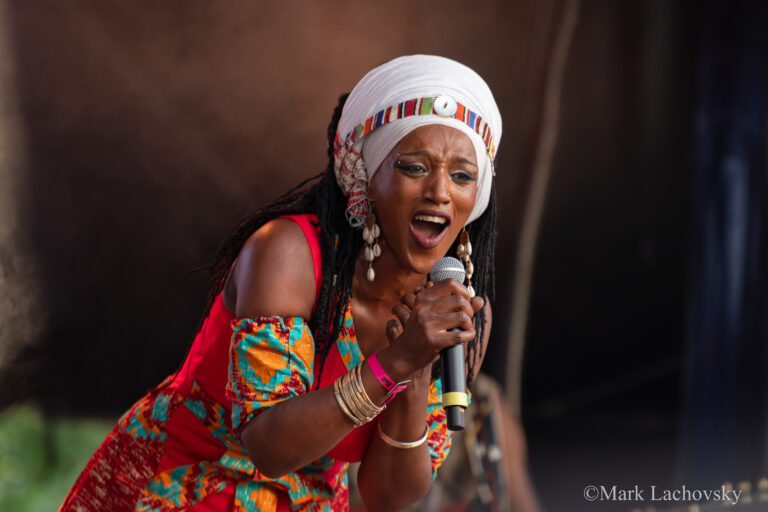
Nuits d’Afrique | Far From Being a Calamity, Mo’Kalamity Was a Blessing.

by Sandra Gasana

Despite the sweltering heat, Mo’Kalamity still managed to heat up the Loto Québec stage during her very first Montreal performance. For the occasion, she was accompanied by two guitarists, a stylish flutist who also provided backing vocals, a drummer, a bassist, and a keyboardist. She appeared on stage dressed entirely in red, wearing her famous headscarf, which has become her signature look.

Throughout the concert, she danced with a smile on her face, clearly delighted to meet her new Montreal audience, which grew larger and larger as the evening progressed. We were treated to several tracks from her latest album, Shine, as well as other classics from the 2007 album Warriors of Light and the 2013 album Freedom of the Soul.

“Good evening, Montreal! Are you ready for a trip to Kingston?” she asks us, just before Gotta Get Away. She addresses the audience in French but also in English, while the intensity increases from one song to the next, sometimes without transition. The song What A Time was well received, probably because it is so relevant in the current context.

Of course, a song in Portuguese had to be included in the set list, and she chose Cima Vento from the album Freedom of the Soul. She took the opportunity to honor her guitarist by inviting him to the front of the stage for an electrifying solo. She did the same with her flutist, who treated us to a lively dancehall number that was greatly appreciated by the audience. We would have benefited from more moments like this. In fact, the flute blended perfectly with the electric guitar effects in the song Shine. She even got the crowd singing along to this last song, a gamble that paid off handsomely.

The microphone had a minor technical issue in the middle of the concert, but fortunately, it only lasted a few seconds. This may be her first concert in Montreal, but I wouldn’t be surprised if she comes back very soon, now that her career has been relaunched after what I consider to be a too long pause.

Photo Credit: Mark Lachovsky

Publicité panam
Subscribe to our newsletter