Any connoisseur of electronic music knows that Autechre, an English tandem once associated with the IDM trend, is a must. For three decades, the duo has been offering major works and performances. Here we are at the 14th studio album from Rob Brown and Sean Booth, and… Sign requires several listens before any conclusion can be drawn. We start in electroacoustic abstraction, sensinga beautiful spirit of research, and… the more we advance through the 11 pieces on the program, the more the proposal becomes short of breath. Why this impression? Nobody’s reproached Autechre for over-complicating things for at least a decade now, and many will be delighted by the return of melody, of convivial motifs, of the reduction of textural exploration in favour of more digestible ambient compositions. On the other hand, others will be chilled by what they consider a return to the past or, worse still, a stroll down easy street. Here we are again in the midst of the enduring conflict between pop culture’s rejection of sustained attention to structure in the listener, and the advocates of fundamental research and historical advances in composition in the digital age. These days, the first trend largely prevails over the other, and it can be assumed that Autechre have taken note of this, hence the return to more consensual forms. The harmonies and melodies presented here are rather banal, strings of motifs repeated on the synthesizer, accompanied by synthetic ornaments serving harmonic progressions no more complex than those of instrumental pop intended for mass audiences. The problem here is not so much the return to melody and consonant harmony as their slightness and triviality. A balance between accessibility and exploration was probably desired, but the predictability of the forms persists. A sign of the times?
Latest 360 Content
Interview Classical/classique
Esteban la Rotta: Back to the Ancient Origins of the Lute
By Frédéric Cardin

Interview Jazz
We’re talking with John Sweenie about Mysticism for Intellectuals, an album that will make the “Best of” list for 2026.
By Frédéric Cardin
Interview Classical/classique
Beethoven and Brahms: First and Last Flames of Musical Passion on the 9th Floor
By Frédéric Cardin
Concert review Classical/classique/danse
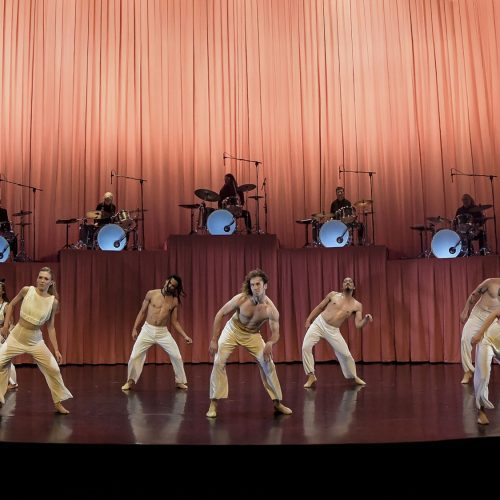
Stephanie Lake Company: Symbiosis of Strike and Movement
By Frédéric Cardin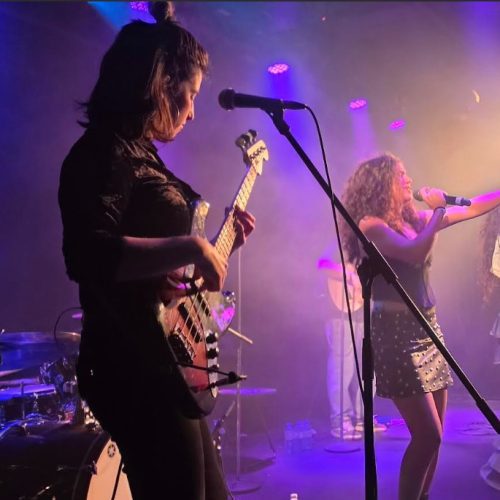
Concert review Western European/latino/Pop/Rock
Maruja Limón, Weapon of Mass Construction!
By Alain Brunet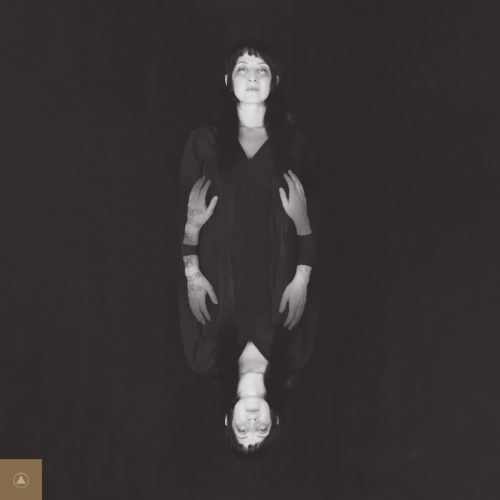

Concert review Jazz
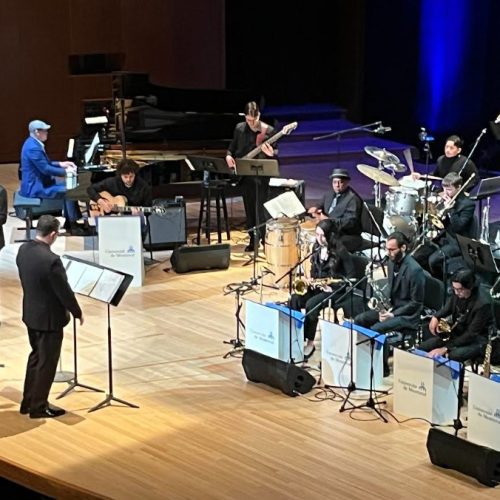
Hilario Durán and The UdeM Big Band: Caliente at Claude-Champagne Hall!
By Michel Labrecque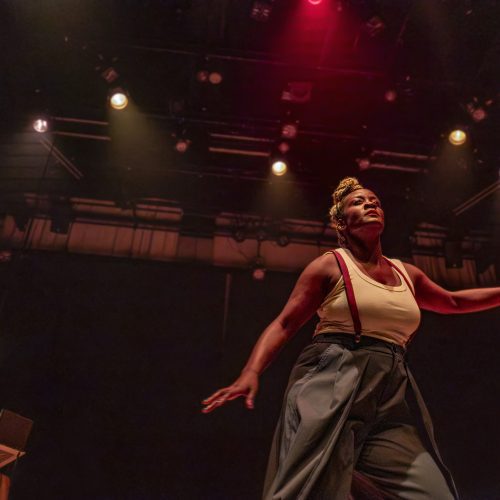


Interview Reggae
David Cairol and Taïro Unveil “Ticket pour Mars”, A Socially Conscious Reggae Single
By Sandra Gasana
Album review Classical/classique 2026
Esteban La Rotta – Orbus Ille Germanus : L’art du luth allemand au XVe siècle
By Frédéric Cardin
Album review Electronic/Classical/classique/expérimental / contemporain/musique de film 2026
Colin Stetson – Something Very Bad Is Going to Happen
By Frédéric Cardin

Album review Classical/classique 2026
Ksenija Sidorova – Prophecy : Tüür, Kõrvits, Vasks
By Frédéric Cardin
Album review Dark Trance/Psytrance/Electronic 2026
Mirror Me – When Voodoo Hoodoo Meets Mirror Me
By Frédéric Cardin