With the wind in his sails, promoted by the biggest names in the industry, Pop Smoke aspired to restore the Brooklyn crest and reign over American rap. Fate would have it otherwise. He was murdered earlier this year by four burglars in his luxurious Los Angeles home. Planning to soon release his first studio album, the 20-year-old New York MC left his label with a large bundle of tracks. A few months later, this much-anticipated opus was released, not without pitfalls. First version of the cover rejected, a title criticized for its sappy connotations, a delayed release date, even the planets seemed to have united against Shoot for the Stars Aim for the Moon. Relying on the legendary 50 Cent as executive producer, the album manages to do justice to Pop Smoke’s impressive talent. However, this posthumous rap work is diluted by an overabundance of collaborations, sometimes repetitive, the whole becoming a rather homogeneous set of 19 tracks. A pioneer of drill, a subgenre of trap popularized in Chicago and New York, the late rapper shines with his sudden changes in flow and sung verses, without ever being robbed of the spotlight by the guest superstars. As long as its title, the album accumulates heavy sounds and hymns to epicureanism, Pop Smoke’s specialty. It would be a trap, however, to dwell only on the superficiality of the work, when it has become an important symbol for underprivileged New York youth. In reality, the major weaknesses of the album lie in the decisions made by the label, which unduly stretched the final product to make Pop Smoke’s demise as profitable as possible. A “deluxe” version is even already planned…
Latest 360 Content


Interview classique/Musiques du Monde
Festival du Monde Arabe 2026 | MaqaMorphose, or the dream of an oriental chamber music
By Frédéric Cardin
Concert review Electronic/Classical/classique
Guillaume Côté bewitches the Grands Ballets and the Montreal audience
By Frédéric Cardin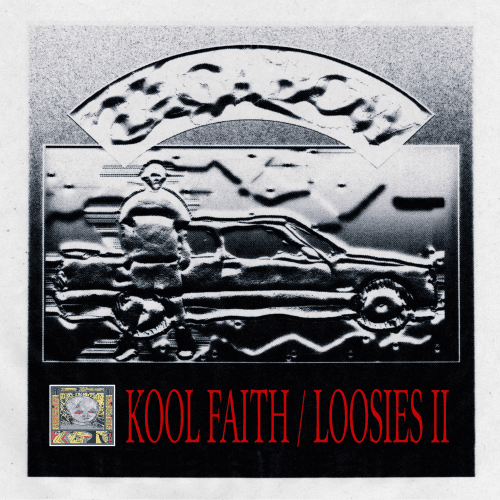
Album review Rock/Pop 2026
They Are Gutting a Body of Water – KOOL FAITH / LOOSIES II
By Stephan Boissonneault
Interview classique/Moyen-Orient / Levant / Maghreb
FMA 2026 | Amin Reihani: Making Music a Language of Peace
By Sandra Gasana

Concert review Électro
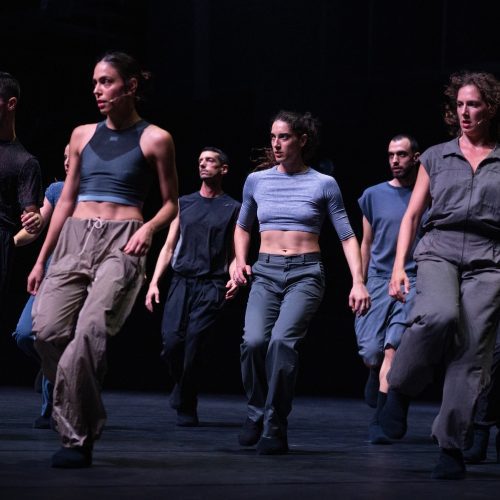
My Fierce Ignorant Step at Danse Danse: the seduction of emptiness
By Frédéric Cardin
Interview Jazz
Can You Hear the Birds ? The art of the trio according to Gentiane MG
By Alain Brunet
Album review Electronic/Classical/classique/Musiques du Monde 2026
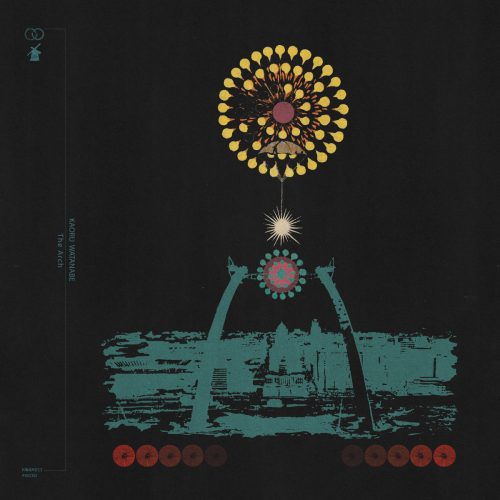
Kaoru Watanabe – The Arch
By Frédéric Cardin
Concert review Classical/classique
Molinari-Mondrian: an excellent meeting of eyes, ears, Quebec, and the Netherlands
By Frédéric Cardin
Interview expérimental / contemporain/Classical/classique
Judith Fliedl, invited by Le Vivier: I love producing sounds that are not “normal.”
By Frédéric Cardin

Album review Classical/classique 2026
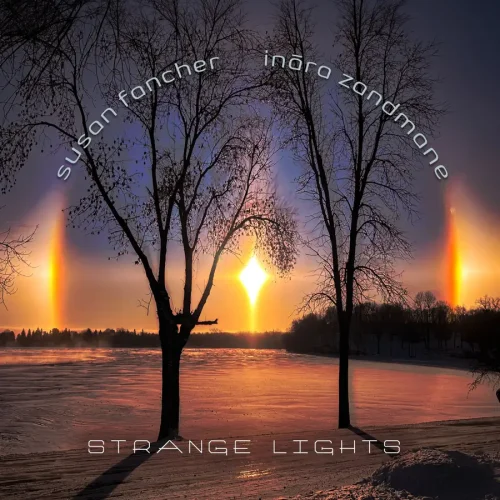
Susan Fancher/Ināra Zandmane – Strange Lights
By Frédéric Cardin
Interview Classical/classique
Guillaume Côté’s A Midsummer Night’s Dreams: the choreographer talks about his intimate relationship with music
By Frédéric Cardin
Concert review classique/Classical
SQMC/Chapelle Historique du Bon Pasteur: Discovering Quebec’s contemporary music
By Pietro Freiburger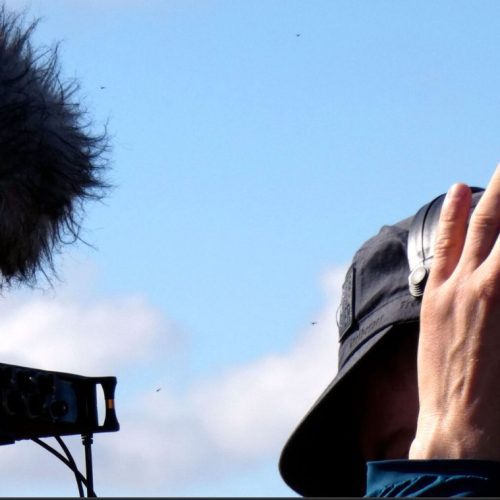
Interview
Akousma| Felix Deufel introduces us to the uncharted sonic richness of the Arctic
By Michel Rondeau
Interview Classical/classique/Electronic
Akousma | Les Artefacts sonores de Roxanne Turcotte
By Alexandre Villemaire
Interview Electronic/expérimental / contemporain
Akousma | The Audréanne Filion and Myriam Bleau Duo: Where Reality and the Virtual Merge
By Michel Rondeau
Interview Electronic/expérimental / contemporain