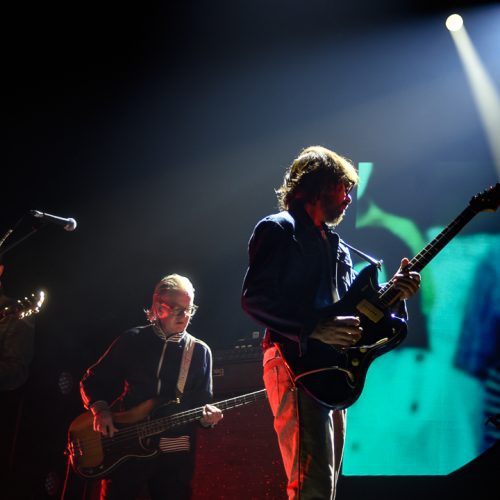
The guitar-instrumental genre was already outdated when Joe Satriani – in his thirties at the time – landed not one, but three singles from Surfing with the Alien (1987) in the Top 40. He did it again with Flying In A Blue Dream in 1989. The feat was unheard of since Classical Gas, and remains so today. Satriani, in contrast to the cheap, metalized aesthetic of his Shrapnel Records emulators, never distanced himself from the sound and the Silver Surfer iconography on which his success was founded, even if the genre is quite dead. Nevertheless, he’s back at it with Shapeshifting. Everything evokes his halcyon days: a pose recalling Flying In a Blue Dream, lyrical lines, microtonality, saturated and compressed timbres on the neck pickup, square, Eliminator-style rhythms, pop sensibility, a nuanced harmonic vocabulary, but above all a youthful glee in “playing fast” (and damn well). The single “Nineteen Eighty” sets the tone by referring to AC/DC, Van Halen and… Satriani. It would be unfair to reproach him for self-reference when, despite his erudition and his professorial influence, he never gambled on audacity: the album doesn’t sink into self-pastiche, although the weaker tracks of the album, intending to be more ambitious, recycle some old tricks. The “Satch” recipe is revisited; “All for Love” and “Perfect Dust” are redos of “Always With Me, Always With You” and “Satch Boogie”. The title piece is an obvious quote from The Extremist (1992). Satriani, however, flirts with self-deprecation by inviting the “real” Nigel Tufnel (yes, that one!) to join him on the last track. Shapeshifting could have been released 30 years ago – we’re certainly talking asset management here. Is it any good? At times. If the work as a whole runs out of steam, some of the more indulgent kid-stuff tracks will certainly find a good fit in a Mustang convertible.
Latest 360 Content

Interview Classical/classique
Guillaume Côté’s A Midsummer Night’s Dreams: the choreographer talks about his intimate relationship with music
By Frédéric Cardin
Concert review classique/Classical
SQMC/Chapelle Historique du Bon Pasteur: Discovering Quebec’s contemporary music
By Pietro Freiburger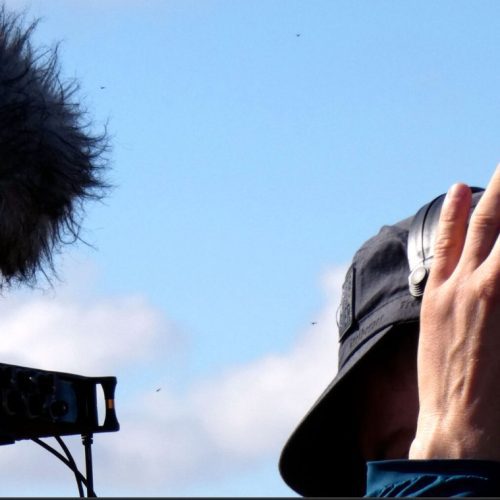
Interview
Akousma| Felix Deufel introduces us to the uncharted sonic richness of the Arctic
By Michel Rondeau
Interview Classical/classique/Electronic
Akousma | Les Artefacts sonores de Roxanne Turcotte
By Alexandre Villemaire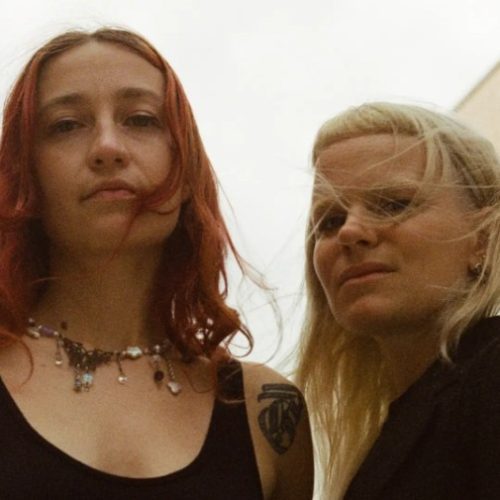
Interview Electronic/expérimental / contemporain
Akousma | The Audréanne Filion and Myriam Bleau Duo: Where Reality and the Virtual Merge
By Michel Rondeau
Interview Electronic/expérimental / contemporain
Akousma | Exzald S, la violence du calme
By Alain Brunet
Concert review Caribbean
Mois du Créole 2026 | Richy Jay: Keeping Konpa and Zouk Alive in Montreal
By Juliana Cortes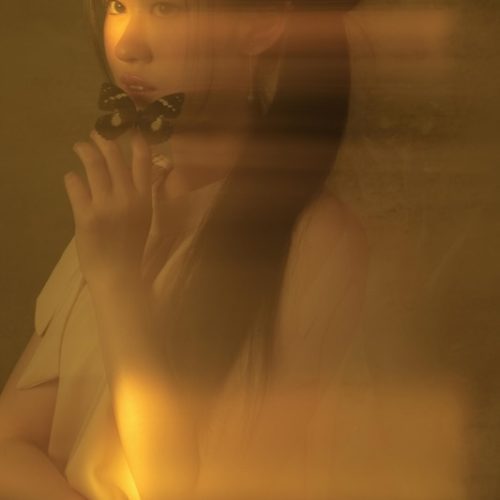
Interview arts numériques/Classical/classique/Électronique
Akousma | Melanie Zhou: Shaping Sound, Expressing Emotion
By Alexandre Villemaire
Interview arts numériques/Classical/classique/Électronique
Akousma | Alex Brisson et l’exploration musicale du feedback
By Alexandre Villemaire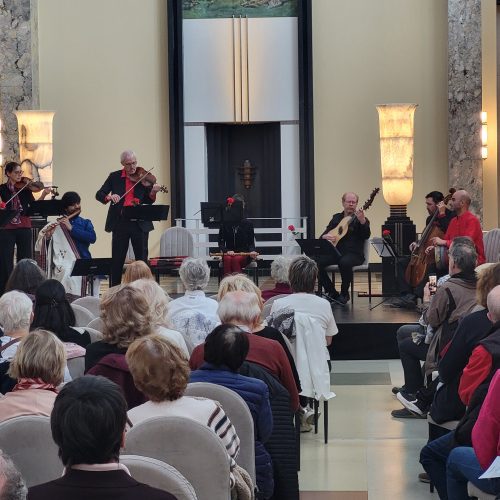
Concert review Classical/classique
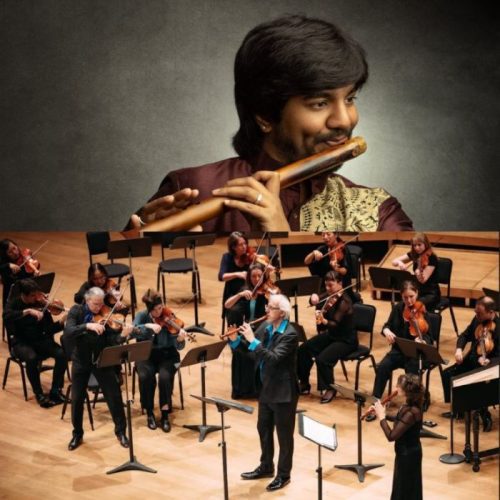
Caprice at the 9th Floor: a pleasant meeting between Baroque and Carnatic music
By Frédéric Cardin

Concert review Classical/classique
Arion: Cinderella has fun and unleashes her magic
By Frédéric Cardin
Interview Caribbean/Piano
Mois du Créole 2026 | David Bontemps: Between the Piano and Dessalines’ Legacy
By Sandra Gasana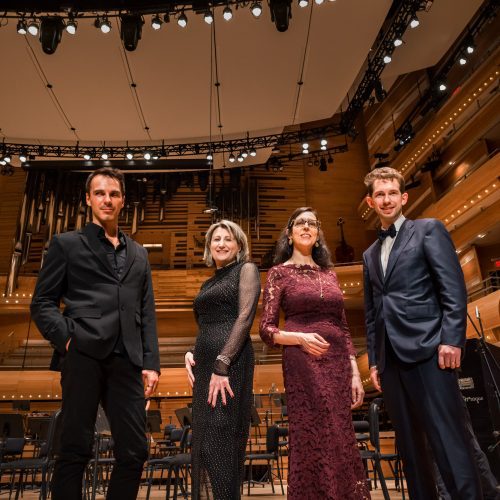
Concert review Classical/classique
Azrieli Prize 2026: The Four Pillars of the Temple
By Frédéric Cardin
Interview Classical/classique
Ensemble Caprice at the 9th: Dialogue with Carnatic India
By Frédéric Cardin
Interview Classical/classique
A resurrected and vocally spectacular Cinderella at Bourgie Hall
By Frédéric Cardin
Interview Caribbean
Mois du Créole 2026 | Pierre-Roland Bain: A Look Back and a Look Ahead
By Sandra Gasana