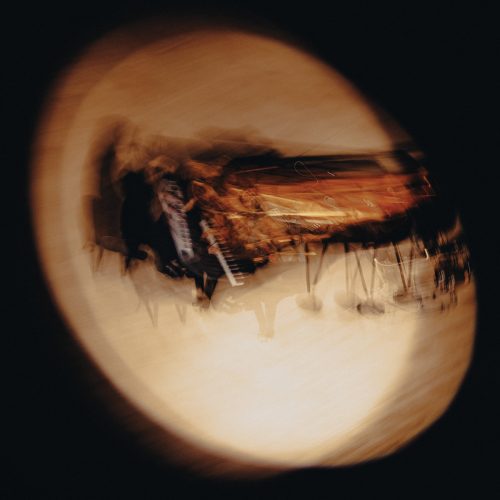
Rather than offering a single 75-minute disc (or a double album of two LPs, since vinyl has regained favour), Hassell preferred to split Pentimento‘s pieces into two volumes. Most of the tracks on this second volume were therefore recorded at the same time as those on the first, but when Hassell listened to them again after letting them rest for a while, he was not entirely satisfied. So he began to rework them. As a result, on this second volume, we can “see through the sound”, as the title rightly indicates, these levels in the background. The elements in the foreground seem to stand out even more clearly, and the textures are at once better defined, more varied and even more abundant. In the first piece, “Fearless”, for example, there’s the sound of flowing water, a raspy intermittent drone that sounds like a contrabass clarinet note, a rhythmic pattern provided by a guitar and keyboards, chords that evoke Portishead, some machine sounds and above it, Hassell’s hovering trumpet. Then in the back, at times, layers of another pattern appear and, in the distance, Hugh Marsh’s violin… Some pieces are vaporous, like “Timeless” and “Moons of Titans”, others are more rhythmic and bumpy, like “Unknown Wish” or “Reykjavik”, with their more experimental sound fragments and glitch. On the gliding “Delicado”, we even think we recognize, in the filigree, the echo of some of the trumpet player’s old pieces. On the aptly named “Lunar”, the judicious yet abundant use of echo really transports us to another planet. The last one, “Timeless”, is an utterly hypnotizing ballad with intersecting melodic lines, enhanced by all sorts of little rhythmic noises, some of which evoke teletype machines, with the various patterns seeming to fluctuate from one level to another. As long as you listen carefully, the whole thing will leave you dumbfounded.
Latest 360 Content

Interview Classical/classique
Guillaume Côté’s A Midsummer Night’s Dreams: the choreographer talks about his intimate relationship with music
By Frédéric Cardin
Concert review classique/Classical
SQMC/Chapelle Historique du Bon Pasteur: Discovering Quebec’s contemporary music
By Pietro Freiburger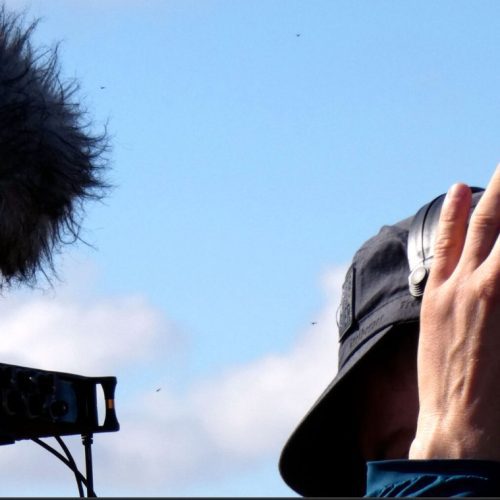
Interview
Akousma| Felix Deufel introduces us to the uncharted sonic richness of the Arctic
By Michel Rondeau
Interview Classical/classique/Electronic
Akousma | Les Artefacts sonores de Roxanne Turcotte
By Alexandre Villemaire
Interview Electronic/expérimental / contemporain
Akousma | The Audréanne Filion and Myriam Bleau Duo: Where Reality and the Virtual Merge
By Michel Rondeau
Interview Electronic/expérimental / contemporain
Akousma | Exzald S, la violence du calme
By Alain Brunet
Concert review Caribbean
Mois du Créole 2026 | Richy Jay: Keeping Konpa and Zouk Alive in Montreal
By Juliana Cortes
Interview arts numériques/Classical/classique/Électronique
Akousma | Melanie Zhou: Shaping Sound, Expressing Emotion
By Alexandre Villemaire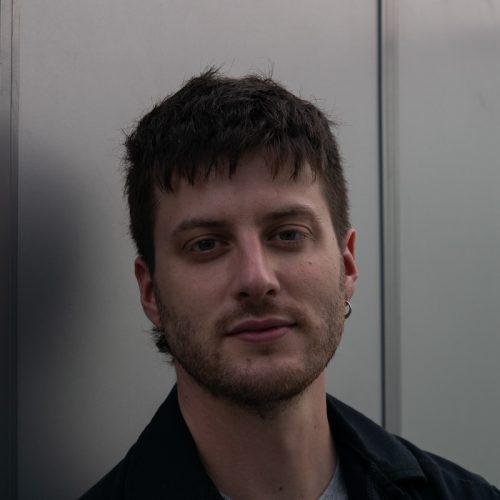
Interview arts numériques/Classical/classique/Électronique
Akousma | Alex Brisson et l’exploration musicale du feedback
By Alexandre Villemaire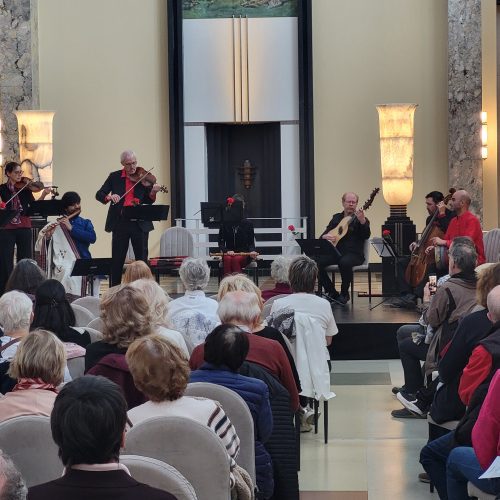
Concert review Classical/classique
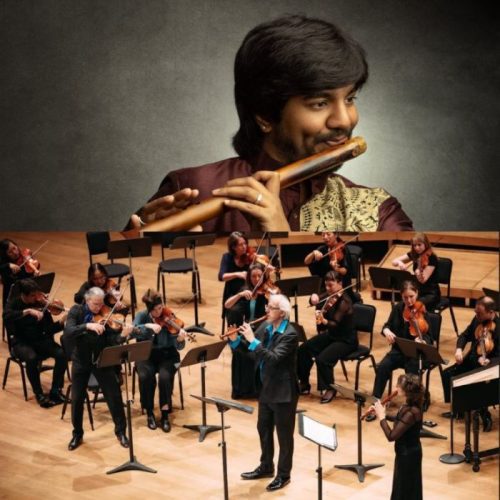
Caprice at the 9th Floor: a pleasant meeting between Baroque and Carnatic music
By Frédéric Cardin


Concert review Classical/classique
Arion: Cinderella has fun and unleashes her magic
By Frédéric Cardin
Interview Caribbean/Piano
Mois du Créole 2026 | David Bontemps: Between the Piano and Dessalines’ Legacy
By Sandra Gasana
Concert review Classical/classique
Azrieli Prize 2026: The Four Pillars of the Temple
By Frédéric Cardin
Interview Classical/classique
Ensemble Caprice at the 9th: Dialogue with Carnatic India
By Frédéric Cardin
Interview Classical/classique
A resurrected and vocally spectacular Cinderella at Bourgie Hall
By Frédéric Cardin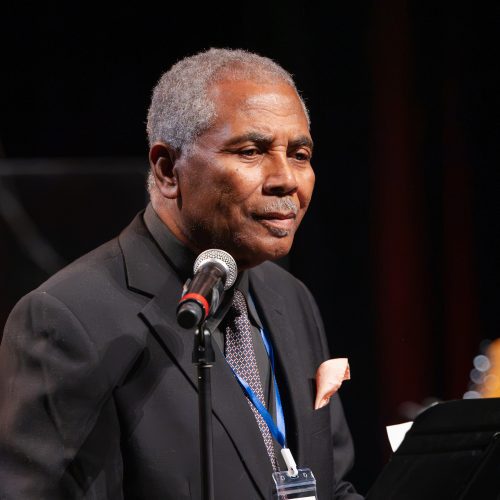
Interview Caribbean
Mois du Créole 2026 | Pierre-Roland Bain: A Look Back and a Look Ahead
By Sandra Gasana