Late Inspirations is the second album of the twelve planned in this complete set of Franz Schubert’s piano works, recorded by Quebec pianist and emergency physician Mathieu Gaudet. It includes the Sonata No. 3 in E major D. 459, the Ungarische Melodie D. 817, and the Drei Klavierstücke D. 946. This arrangement is a good representation of the system Gaudet chose to present his complete works: a very popular piece, accompanied by others less well known from the composer. The fact that Schubert’s repertoire is familiar in its entirety to the pianist is certainly reflected in his interpretation – one can perceive, through his highly precise playing and musical direction, the comprehensive grasp that the performer has of the great Viennese composer’s oeuvre. Gaudet’s virtuosity can also be heard through his ability to incorporate a dose of intense vitality into the tensions contained in the harmonic discourse of the pieces he lingers on. When these tensions are resolved, they provide the listener with a true sense of calm. Schubert’s repertoire, faithful to the traditions of the first half of the 19th century in Vienna, is full of them. The listener can therefore enjoy this game of tension and relaxation. Finally, the clear definition of the different musical strata is a gift for those who are keen on musical analysis, as it clearly shows the foundations of Schubert’s various works, which are very often the key to understanding his language. The beauty of this album certainly suggests that this complete set of Schubert’s piano works, as interpreted by Gaudet, will be a true musical treasure.
Latest 360 Content

Interview Classical/classique
Esteban la Rotta: Back to the Ancient Origins of the Lute
By Frédéric Cardin

Interview Jazz
We’re talking with John Sweenie about Mysticism for Intellectuals, an album that will make the “Best of” list for 2026.
By Frédéric Cardin
Interview Classical/classique
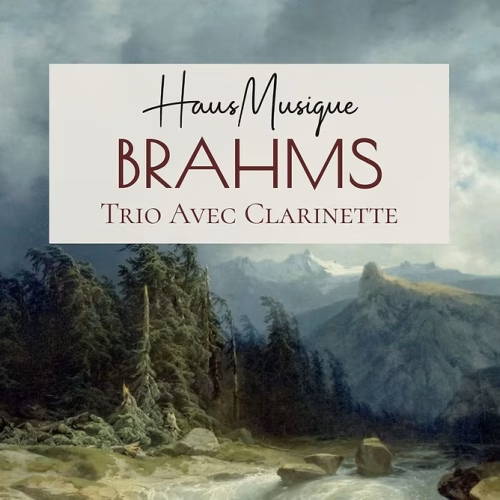
Beethoven and Brahms: First and Last Flames of Musical Passion on the 9th Floor
By Frédéric Cardin
Concert review Classical/classique/danse
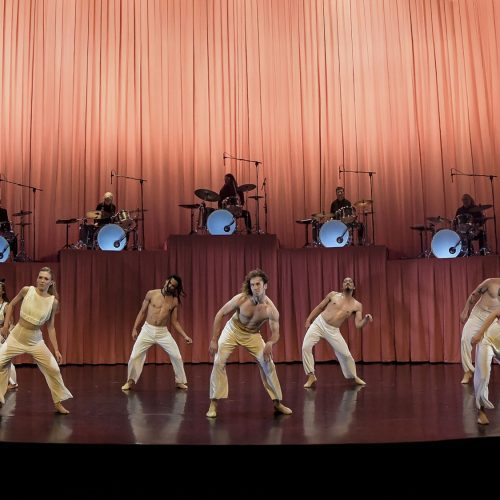
Stephanie Lake Company: Symbiosis of Strike and Movement
By Frédéric Cardin
Concert review Western European/latino/Pop/Rock
Maruja Limón, Weapon of Mass Construction!
By Alain Brunet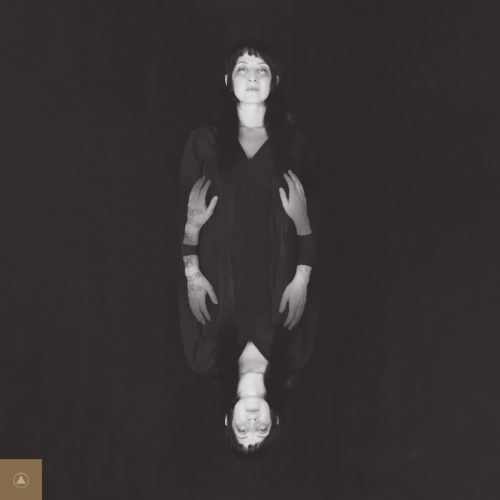



Concert review Jazz
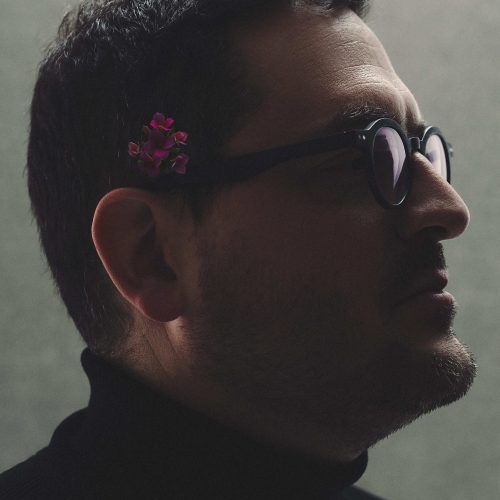
Hilario Durán and The UdeM Big Band: Caliente at Claude-Champagne Hall!
By Michel Labrecque


Interview Reggae
David Cairol and Taïro Unveil “Ticket pour Mars”, A Socially Conscious Reggae Single
By Sandra Gasana
Album review Classical/classique 2026
Esteban La Rotta – Orbus Ille Germanus : L’art du luth allemand au XVe siècle
By Frédéric Cardin
Album review Electronic/Classical/classique/expérimental / contemporain/musique de film 2026
Colin Stetson – Something Very Bad Is Going to Happen
By Frédéric Cardin
Album review Classical/classique 2026
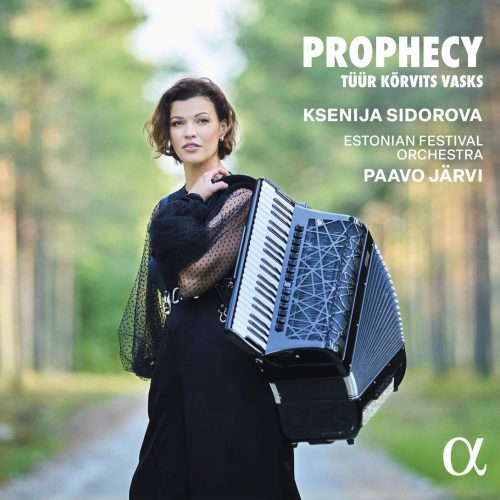
Ksenija Sidorova – Prophecy : Tüür, Kõrvits, Vasks
By Frédéric Cardin
Album review Dark Trance/Psytrance/Electronic 2026
Mirror Me – When Voodoo Hoodoo Meets Mirror Me
By Frédéric Cardin