The Latin word cantus refers to singing, and the expression descant means a melody in the high register, usually sung or played over a basic melody. This is a two-voice polyphonic process developed in France and Italy nearly a thousand years ago. Inspired by this ancient concept, Sarah Davachi offers 17 pieces that are contemplative, meditative, sensual, conducive to meditation and relaxation. With a few exceptions, the Californian’s new project evokes sacred music from the Baroque and pre-Baroque eras… or perhaps not, on closer inspection. The frequent use of pipe organs leads to this perception, but it’s soon clear that the minimalist linearity of the proposals, the nature of their harmonic structures, and the superimposition of other electronic or instrumental sources (mellotron, piano, modular synthesizer, voice) testify to a truly contemporary compositional thought. That being said, these works aren’t very dissonant, generally subscribing to pre-contemporary melodic scales. Their textural treatment, however, has little to do with the Middle Ages or the Renaissance. In the last few years, moreover, it’s becoming clear that the organ is making a strong comeback in the world of contemporary music (instrumental or electronic), and Sarah Davachi is certainly part of this movement, as is Canadian composer Kara-Lis Coverdale, for example. Once again, we can see the astonishing affinity between early music and contemporary music, and Sarah Davachi provides luminous proof of this.
Latest 360 Content

Interview Moyen-Orient / Levant / Maghreb/classique/Arabic
FMA 2026 | Walaa Al Jundi’s Beautiful Voice, Craft And Refinement… Despite Deep Suffering In Her Region
By Alain Brunet
Concert review expérimental / contemporain/Classical/classique/Experimental / Contemporary
Le Vivier | Unleashing the Squid
By Frédéric Cardin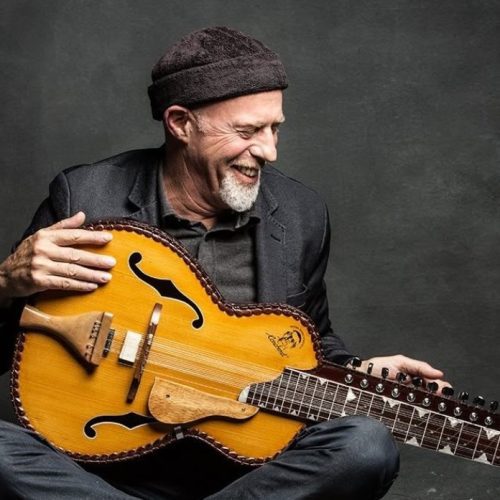
Interview Americana/Indian Classical/classique
Palais Montcalm | Harry Manx about “Falling Upwards”, contemplation, humility, wisdom
By Alain Brunet
Interview Classical/classique
Voces Boreales | Tempus Fugit, “to experience time differently”
By Alain Brunet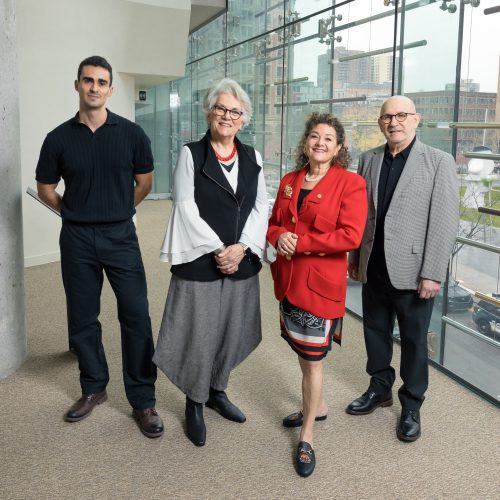
Concert review Classical/classique
Azrieli Prize: Next stop 2028, with Linda Bouchard, Luis Arias, and Matthew Rosenblum!
By Frédéric Cardin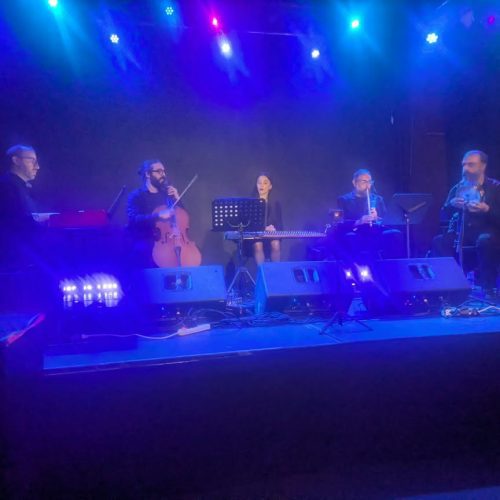
Concert review classique/Musiques du Monde
FMA 2026 | MaqaMorphose presents Abdelwahab, Romantic Composer
By Frédéric Cardin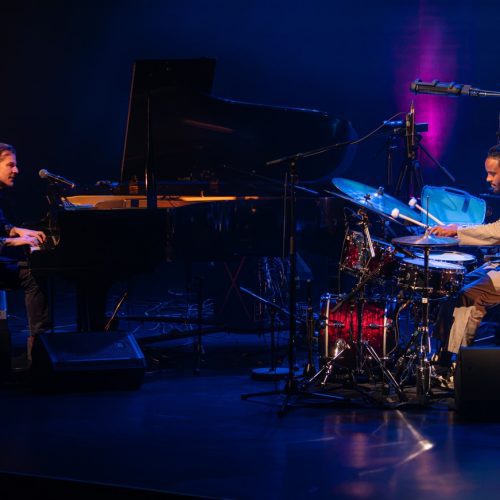
Concert review Jazz
Jazz@Vue | Impressive Léno duo and the elegance of Gentiane MG
By Frédéric Cardin

Album review Pop/Club/Electronic 2026
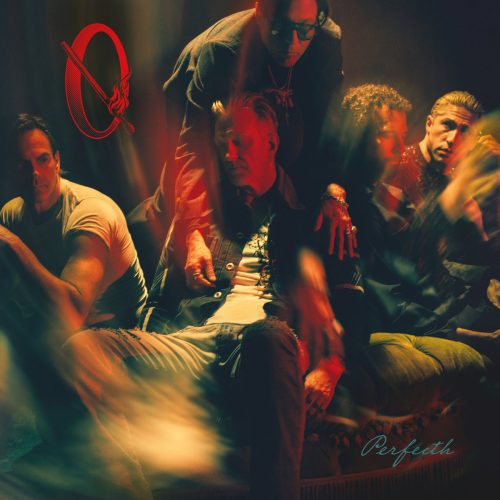
Sophia Stel – the greatest album of all time
By Stephan Boissonneault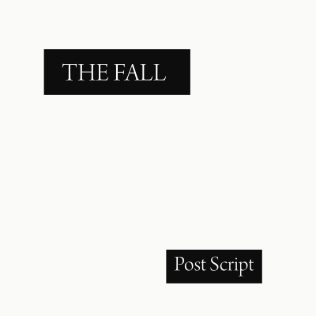
Concert review expérimental / contemporain/Classical/classique
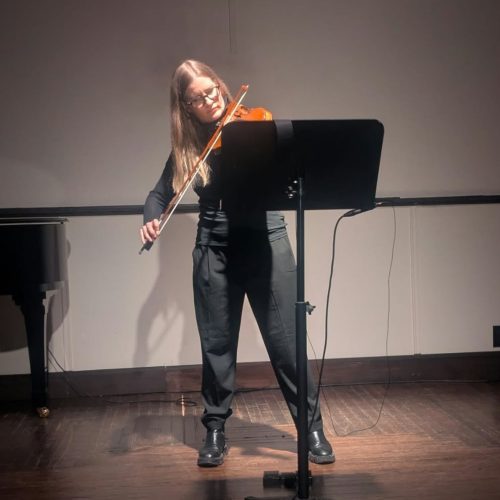
Le Vivier: Judith Fliedl’s Super Ultra Violin
By Frédéric Cardin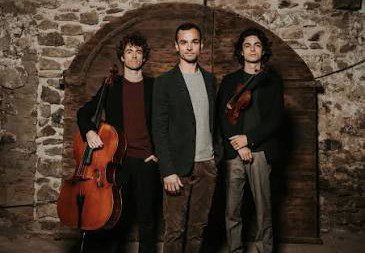
Interview classique/Musiques du Monde
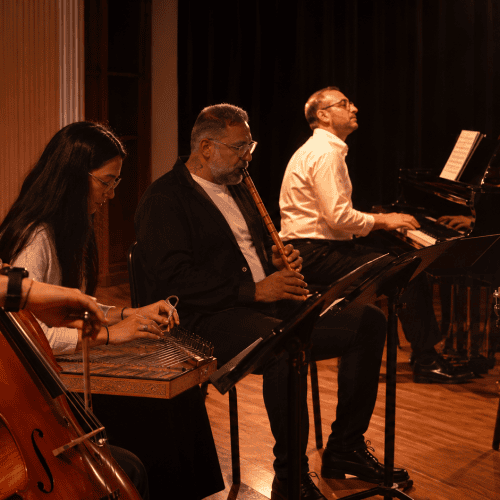
Festival du Monde Arabe 2026 | MaqaMorphose, or the dream of an oriental chamber music
By Frédéric Cardin
Concert review Electronic/Classical/classique
Guillaume Côté bewitches the Grands Ballets and the Montreal audience
By Frédéric Cardin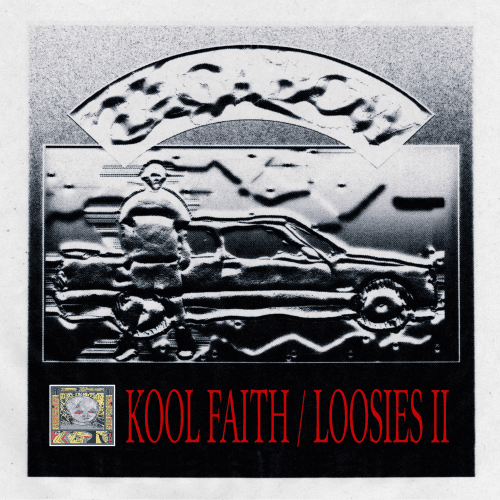
Album review Rock/Pop 2026
They Are Gutting a Body of Water – KOOL FAITH / LOOSIES II
By Stephan Boissonneault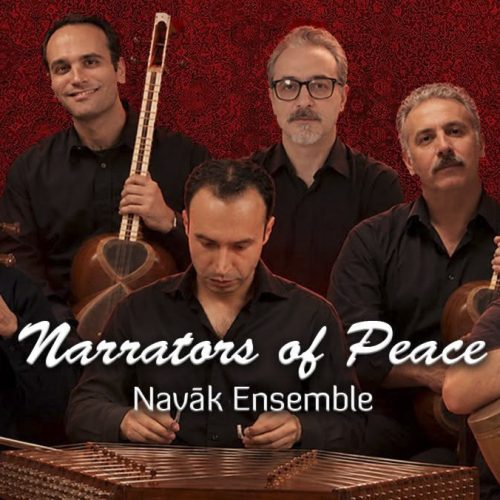
Interview classique/Moyen-Orient / Levant / Maghreb
FMA 2026 | Amin Reihani: Making Music a Language of Peace
By Sandra Gasana
Concert review Électro
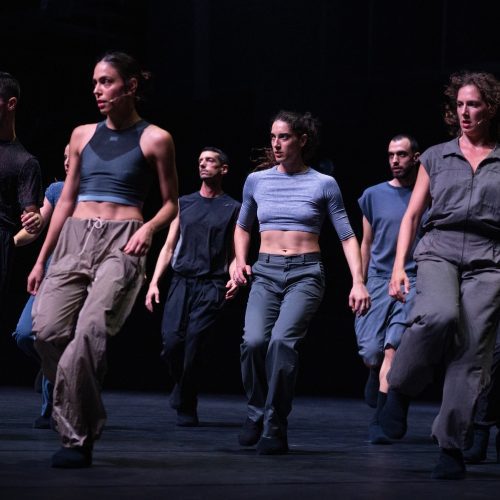
My Fierce Ignorant Step at Danse Danse: the seduction of emptiness
By Frédéric Cardin
Interview Jazz
Can You Hear the Birds ? The art of the trio according to Gentiane MG
By Alain Brunet