Additional Information
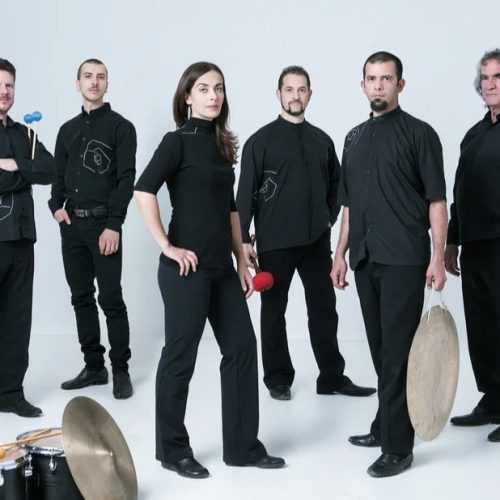
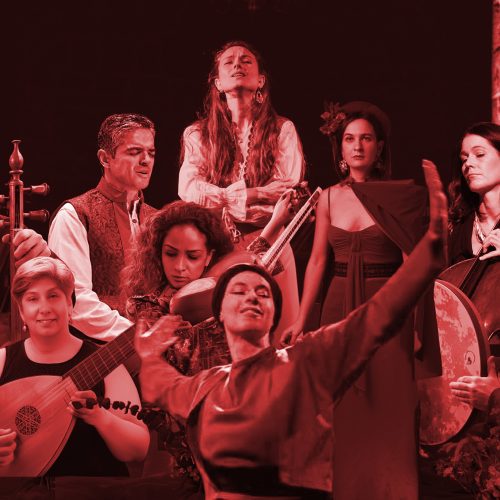
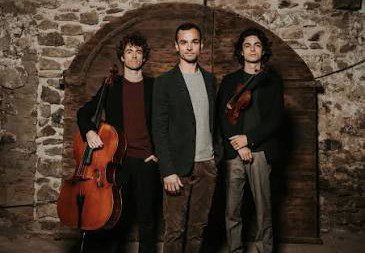
The music scene in Montreal, circa 2007, welcomed a new unorthodox, one-of-a-kind chamber music quartet whose members went on to collaborate with artists such as Arcade Fire, Hey Rosetta, The Barr Brothers, Sarah Pagé, Chilly Gonzales, Patrick Watson, etc. This quartet is called the Warhol Dervish String Quartet, and is more of a collective—a rotating cast of chamber music players, that in the beginning, cut their teeth in punk rock DIY arts venues around Montreal and now often tour as the strings section for a number names in the music world.
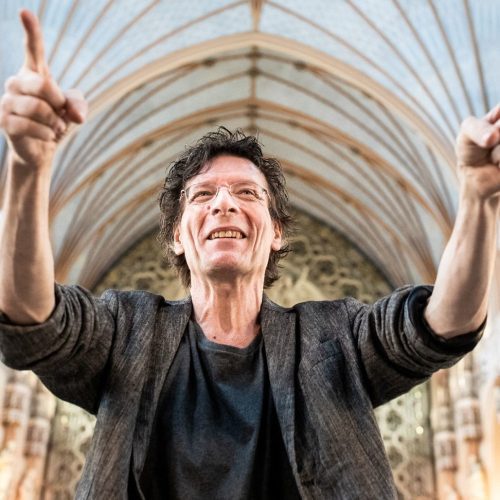
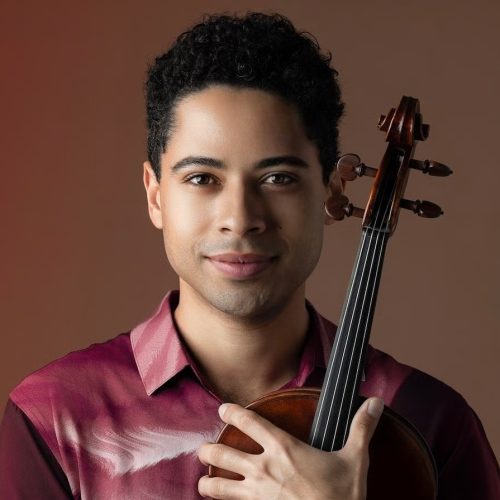
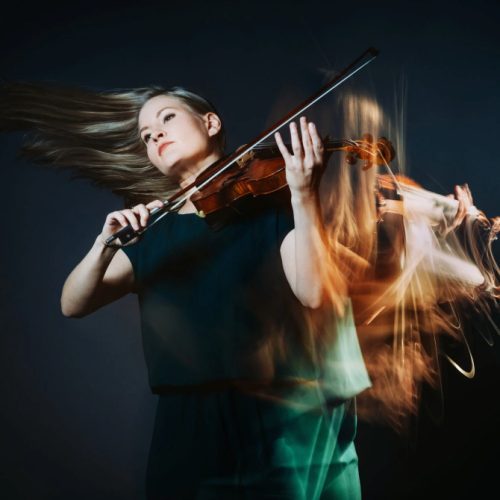
Violist and director of Warhol Dervish, Pemi Paull, has been with the collective since day one. Along with the collective, his performances over the next few weeks are during a concert series called Beethoven Mystique. The concert series is a collaboration between Warhol Dervish and local acts Paper Beat Scissors (Mar 23) Katie Moore (April 20), Brad Barr (May 1), Sarah Pagé (May 11), and Thanya Iyer (June 22). The idea is to put new life into the last string quartets of one of history’s greatest composers while conveying the synergy and potential of chamber music and contemporary music artists.
PAN M 360 spoke with Pemi Paull ahead of the second Beethoven Mystique show, about the inspiration behind the concert series, choosing which artists to feature, and the gradual shift of acceptance for chamber music and contemporary collaborations in North America.
Beethoven Mystique Concert Dates at La Chapelle Scènes Contemporaines
Wednesday, April 20th – Quartet No 15, Op. 132 + Katie Moore
Sunday, May 1st – Quartet No 14, Op. 131 + Brad Barr
Wednesday, May 11th – Quartet No 16, Op. 135 + Sarah Pagé
Wednesday, June 22nd – Quartet No 13 and 17, Op. 130/133 + Thanya Iyer
PAN M 360: Hey Pemi how are you today?
Pemi Paull: I’m OK. Sorry, my voice is a little off today ‘cause I’m on the tail end of COVID. I just got back from touring on Monday with another group and like half of us got COVID.
PAN M 360: That definitely seems to be the reality of touring nowadays. Which group was that?
Pemi Paull: Ensemble Caprice. It’s a baroque music collective. So we lost a singer at the beginning of the tour and then a trumpet player and yeah, it was COVID. Some of the people in my Warhol Dervish group were on tour as well, and five of them got COVID last week as well.
PAN M 360: I guess you’ll all be cured by the times of the shows though?
Pemi Paull: Yeah we’re gonna be super vaxxed by then. Have all three of the vaccines plus a case of COVID. So super immunity.
PAN M 360: So is Warhol Dervish like a rotating cast of players?
Pemi Paull: Yeah it’s a collection. It’s always been a collective, but there are certain core members in the string quartet and it’s flexible because we’re all over the place all the time doing a million different things. For this performance, we have four violinists that are rotating between shows.
PAN M 360: Where did the initial idea for this concert series come from?
Pemi Paull: Well we first made contact with theatre La Chapelle when we did a run of shows in 2017. And we talked about doing a series of concerts around some themes. I’ve always wanted to do a Beethoven cycle all my life. I’ve played all the Beethoven quartets and that’s the type of music that allows me to express myself as a classical player. These quartets are at the top of my musical repertoire.
So the theatre came back to us to do these shows and then COVID happened and I proposed five concerts around the five late Beethoven string quartets. Those pieces are like at the summit of chamber music, but they can be quite dense and profound so the idea was to be to experience these quartets with little breaks where people in the Montreal indie community play. The idea is to make the whole time listening to the music as enjoyable and flowing as possible, especially for people who have never heard them before.
PAN M 360: And how did you go about choosing with Montreal acts would be accompanying which quartet?
Pemi Paull: Well we’ve always collaborated with people outside of the classical world and made many musician friends along the way. But it’s different for everyone. Like Katie (Moore) is playing her own music and choosing her program more in reaction to the fact that we’re playing Beethoven’s Opus 132 rather than the other way around. So we play the quartet and then Katie performs a solo set she’s heard the quartet before, but I’m not even 100 percent sure what she will play.
PAN M 360: So it’s going to be pretty spontaneous?
Pemi Paull: Yeah and like when we did it with Tim (Paper Beat Scissors) it seems like it went even better than expected. Because I think the pacing is really good, where you have that kind of like really high-intensity chamber music that is very visceral, but it doesn’t last very long. The release comes without having to sit there for two hours. It’s very complimentary.

PAN M 360: You and other members of Warhol Dervish have classical, Conservatory training behind you. Has it been hard to kind of leave that when collaborating outside classical music?
Pemi Paull: The culture has really changed. There’s a lot more collaboration now. But I think for me,—I think I’m the oldest person of the Dervishes—I’m a real Gen X guy. There was a big separation when we were young, growing up with classical music and what it represented and what popular music represented. But I think our group was made up of a lot of people who probably had band aspirations, but we started out on string instruments, and the journey with stringed instruments invariably leads you into the classical world, at least at some point. We started at this anarchist art gallery called Zeke’s as the house band. So we were playing pretty independently, booking shows at La Sala Rossa and keeping away from the classical music world. It was easier to operate as a sort of band and play the music we wanted to.
PAN M 360: So back then, was there kind of a disconnect between you guys and your peers who were playing classical music in a different setting?
Pemi Paull: I think that everyone thought it was cool for the most part, but there is definitely an element of classical music that is all about status with fancy instruments and fancy education. And the way you promote yourself is with that fancy notoriety. But as soon as you start working with bands and things like that, people recognize you because of capitalism. It’s like ‘Oh, we have heard of the bands that you work with’ even more than our own repertoire. It’s just a different way into people’s consciousness.
But there’s a classical world that only wants to have chamber music with competitions and rich kids going to expensive music schools, and you know, it’s a very rarefied field. So I think in North America, it’s really changed. And I think it’s a lot easier to be who you are if you’re trying to promote your own group. And what you are is fine, but there’s also parallel to that—a network of concert series, and competitions, like a classical music establishment of chamber music—and we only have a peripheral amount to do with that.
PAN M 360: You mentioned fancy instruments and you yourself have a viola from the 18th century correct?
Pemi Paull: Yes so I do a lot of historical performances—which is to say that we play on old instruments and try to recreate the sort of conditions of 18th-century performance. So like using older bows and instruments and everybody in our group does that. Actually, Montreal is a pretty big centre for historical performance.
But yeah I bought a French viola that was built in 1789, the year of the French revolution, and the guy who built it was a revolutionary who got guillotined, so it has a great story behind it. It’s had a lot of mojo put into it and it’s my main instrument.