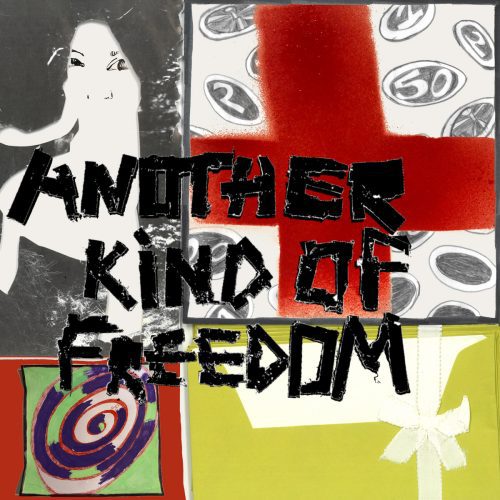
Like Sufjan Stevens, Grizzly Bear or Arcade Fire, The National is a cornerstone of the indie pop and rock of the 2000s. It’s time to ask the question: did these artists, so relevant, reveal everything of substance that they had? No one can affirm or predict it, but the stars of each generation inexorably follow this trend, with a few exceptions: after a few really inspired albums, the lyrics and interpretation must be exceptional to counter the obsolescence of the form… unless the songwriter can alter the envelope. This is precisely what Matt Berninger has attempted here. To vary his proposal and distinguish himself from The National, of which he’s the frontman, he called upon the legendary Booker T. Jones to produce this solo album. Thus, the septuagenarian from Memphis put himself at the service of the 40-year-old from Cincinnati, not to mention Matt Berrick (The Walkmen), Andrew Bird, and Scott Devendorf, who also helped out. The singer digs a big Americana groove, with a strong accent on country-folk, chamber folk, and southern soul. Berninger’s songs sport new clothes: country piano, Hammond B3, acoustic guitars, pedal steel guitar, a cloppity-clop rhythm from start to finish… Only the brass arrangements and the participation of singer and bassist Gail Ann Dorsey recall the indie style for which the singer is familiar. Whether one likes or dislikes this new envelope, it can’t be said that the singer, songwriter, and composer hasn’t tried something different. Dark, grey, rainy, anxious, sometimes self-derisory or even luminous, always honest, these new songs by Berninger teach us little we didn’t know about him, but nevertheless maintain our respect.
Latest 360 Content
Interview
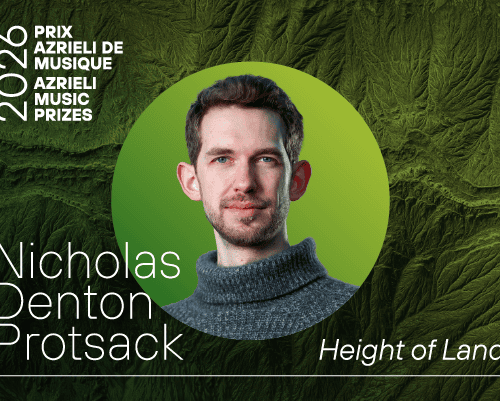
Azrieli Prize 2026 | Nicholas Denton Protsack : searching for an authentic symbiosis
By Frédéric Cardin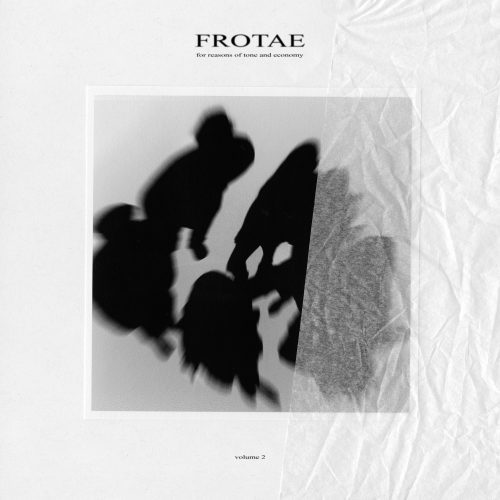
Album review expérimental / contemporain/Classical/classique/Experimental / Contemporary 2026
Liberté Anne & Frotae – Volume 2
By Frédéric Cardin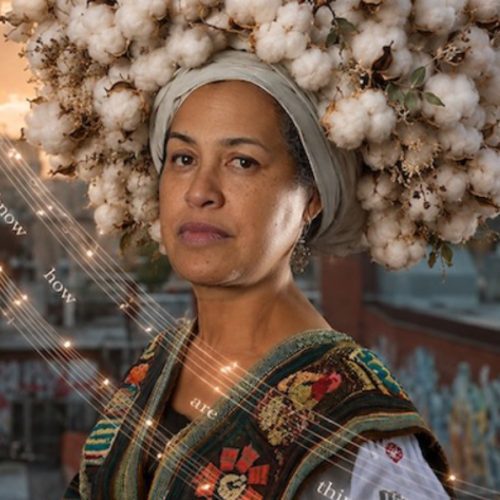
Interview Jazz/expérimental / contemporain/Spoken Word
FLUX 2026 | Kim Zombik’s Origin Stories with Silvervest Quartet at Sala Rossa
By Alain Brunet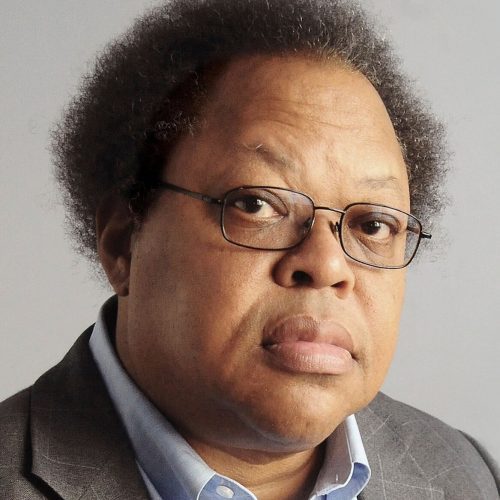
Concert review Classical/classique/Africa
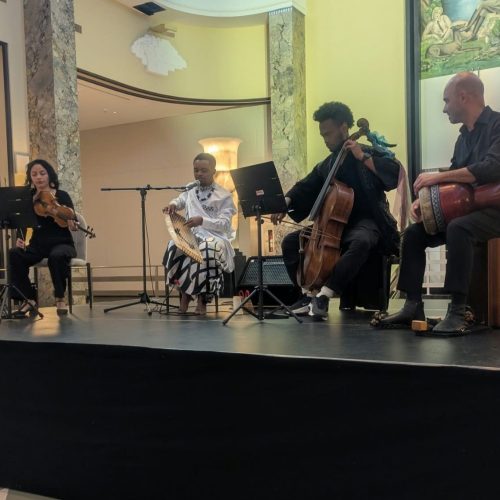
Concert at the 9th Floor : the African essence of the chaconne
By Frédéric Cardin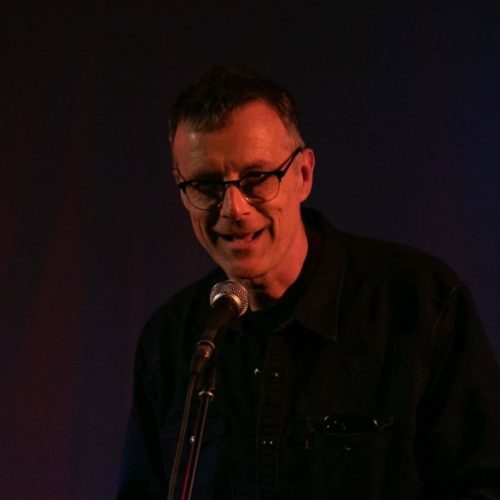
Interview expérimental / contemporain
Flux 2026 | 2nd week according to Peter Burton
By Alain Brunet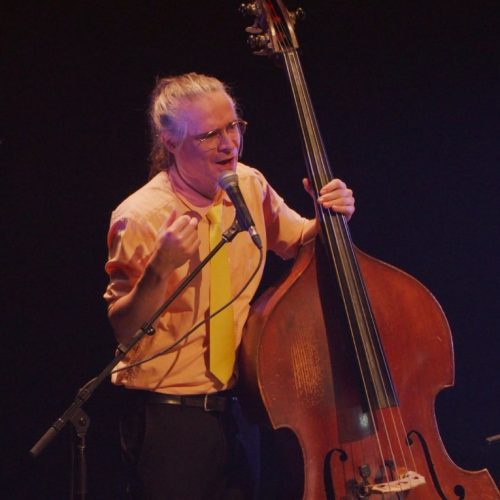
Interview Jazz/expérimental / contemporain
QMP 2026 | Hugo Blouin, spoken words and played words
By Frédéric Cardin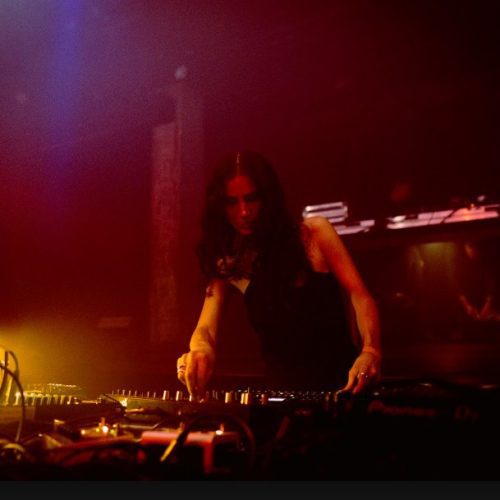
Concert review Electronic
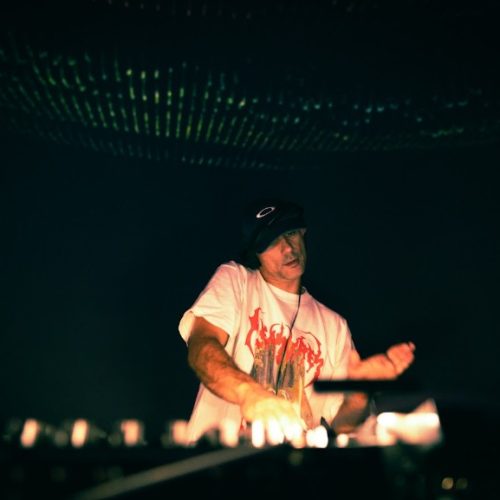
SAT X Making Time | Aurora Halal, dark, pulsating, sensual vibe with mystery and emotion.
By Julius Cesaratto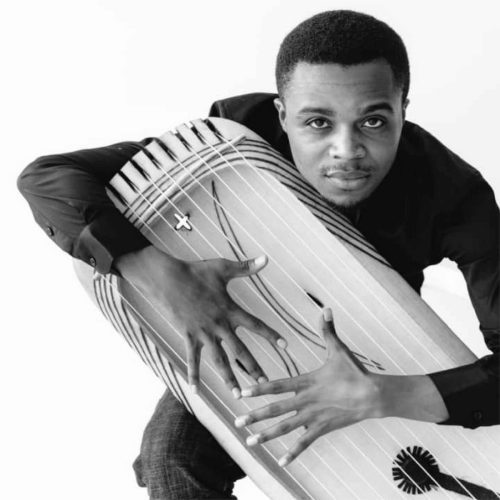
Interview Africa
VoixMonde on the 9th: meeting with the traditions of Rwanda with Deo Munyakazi
By Frédéric Cardin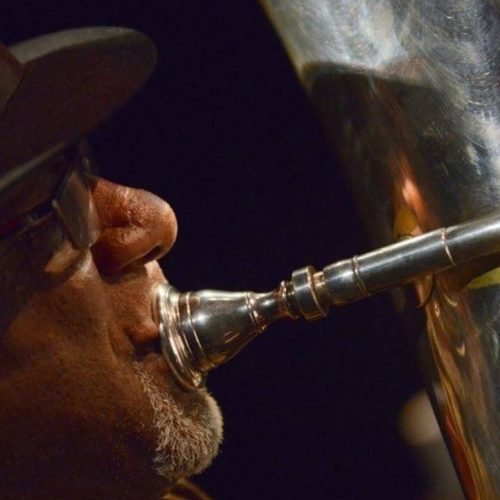
Interview Jazz
Flux 2026 | Bob Stewart, the most senior jazz tuba player performing this week in MTL
By Michel Rondeau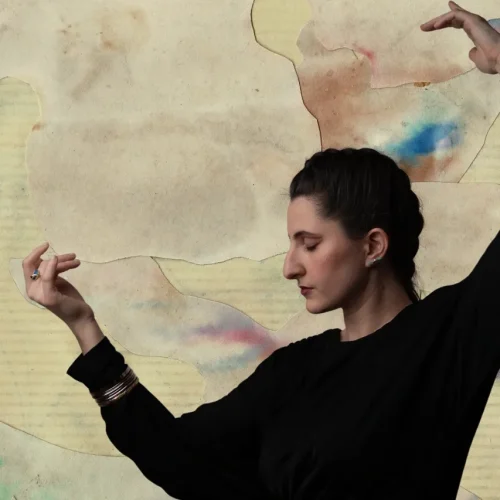
Interview Classical/classique/Experimental / Contemporary/expérimental / contemporain
Flux 2026 | Liberté-Anne presents Frotae vol. 2
By Frédéric Cardin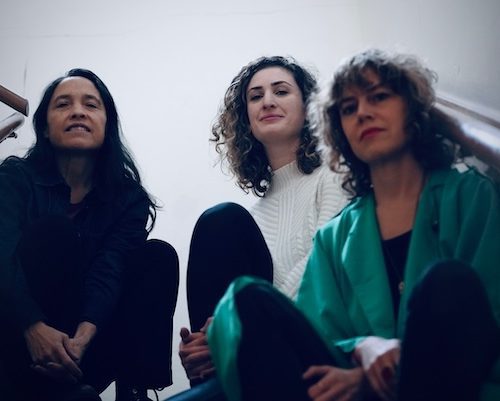
Interview Pop/Classical/classique/expérimental / contemporain/Experimental / Contemporary
Flux 2026 | No Hay Banda invites Erika Angell and pays tribute to Suoni per il popolo
By Frédéric Cardin
Interview classique
Nicolas Ellis, Elizabeth St-Gelais, and the Orchestre de l’Agora at Bourgie: Under the watchful eye of the Moon, angels pass by
By Frédéric Cardin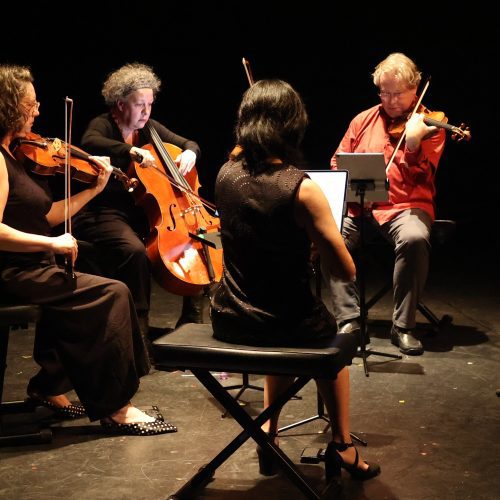
Concert review Classical/classique
QMP 2026 | Épatants quatuors de George Lewis par Bozzini
By Frédéric Cardin
Interview Electronic
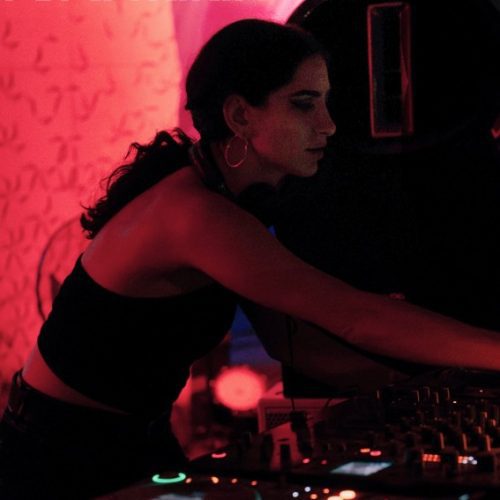
SAT/ Making Time |Aurora Halal’s One-hour Hardware Live Set Upcoming
By Julius Cesaratto
Interview Jazz/Experimental / Contemporary/expérimental / contemporain/Rock
Flux 2026 | 1st week-end according to Peter Burton
By Alain Brunet
Interview classique/Classical
Between Shostakovich and improvisation, Gabriela Montero speaks of freedom
By Alexandre Villemaire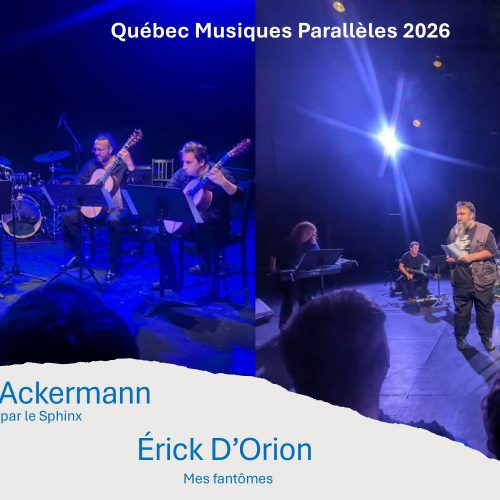
Concert review Rock/Classical/classique/Jazz/free-rock/Experimental / Contemporary/expérimental / contemporain
QMP 2026 | Ackermann and D’Orion : the Complementarity of Extremes
By Frédéric Cardin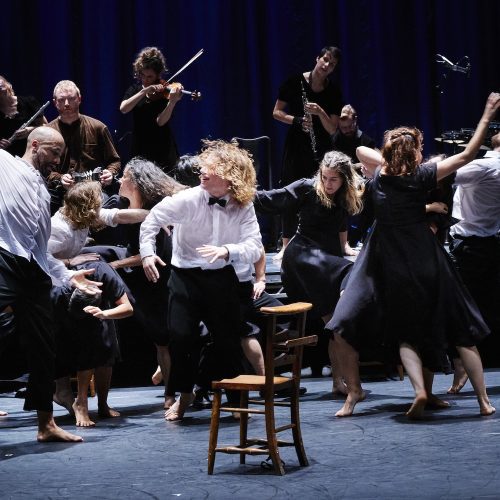
Concert review Classical/classique/Traditional
MÁM from Teaċ Daṁsa: The Ireland of All Dreams
By Frédéric Cardin