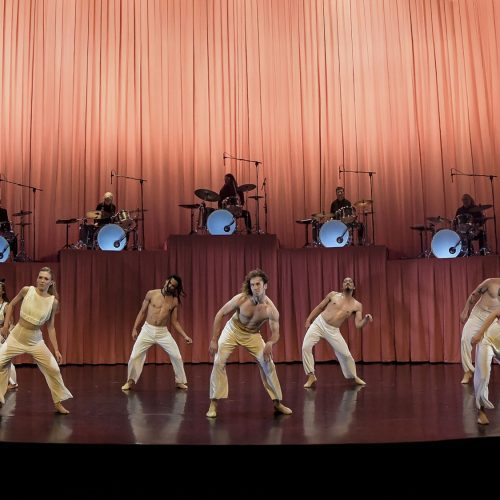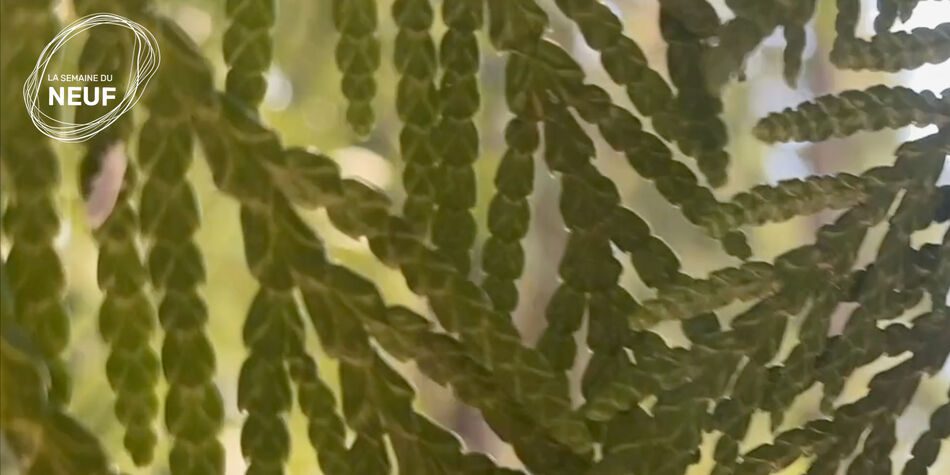
sxelxéles te tl’etl’áxel / designs for inviting est une performance qui s’interroge sur la manière dont les valeurs autochtones peuvent influencer la présentation de la musique nouvelle (mise en scène, formats de rassemblement) . En prenant comme point de départ des compositions de Linda Catlin Smith et Anna Höstman, Robinson collabore avec la chorégraphe Justine Chambers et le cinéaste Neven Lochhead pour explorer comment la préoccupation centrale de ces œuvres peut être approfondie à travers le geste et le film. Ensemble, les artistes cherchent à définir un nouvel espace de performance inspiré des valeurs autochtones (xwélmexw) de relation et des protocoles de rassemblement.
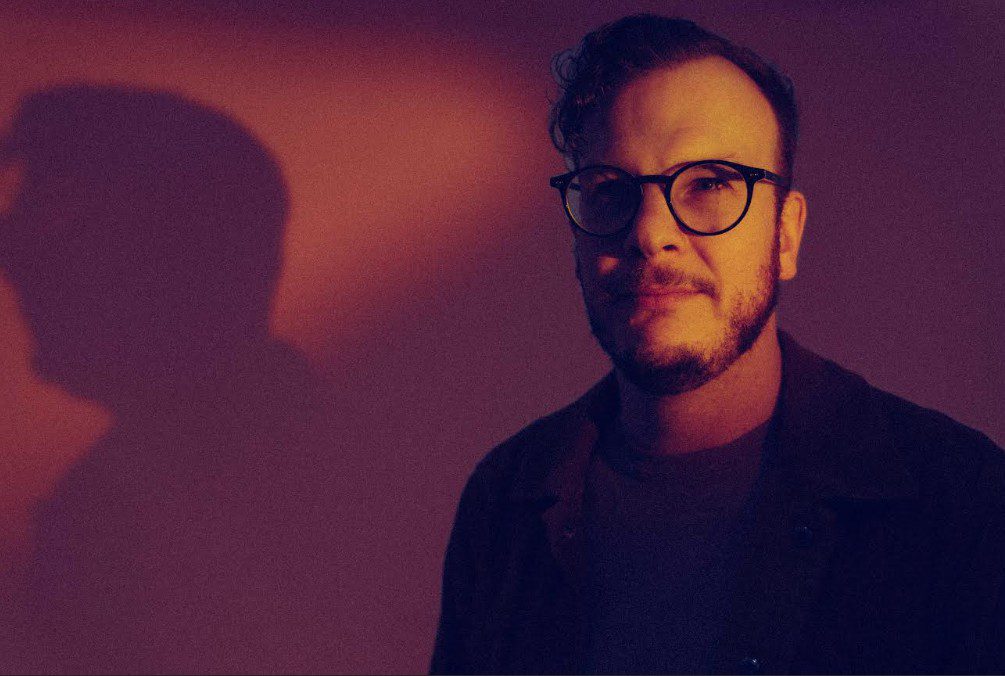
Jeffrey Stonehouse, directeur artistique de la Semaine du Neuf, nous en dit davantage:
« Ce concert est lié à un symposium que les vidéastes organisent sur le commissariat pour et par les artistes autochtones. C’est aussi une carte blanche donnée à Dylan Robinson, intellectuel autochtone de la nation Skwah et qui est professeur à l’Université de Colombie-Britannique (UBC). Il a écrit l’ouvrage Hungry Listening. Si vous n’avez pas lu ce livre, je le recommande fortement. »
Voici ce qu’en dit l’éditeur, University of Minnesota Press: Hungry Listening est le premier ouvrage à aborder l’écoute sous l’angle à la fois des peuples autochtones et des colons. Réponse critique à ce qu’on a appelé la « blancheur des études sonores », Dylan Robinson évalue comment les pratiques décoloniales d’écoute émergent d’une prise de conscience croissante de notre positionnement auditif.
« Dylan Robison, ajoute Jeffrey Stonehouse, modifie le point de départ, je pourrais dire. Il questionne les contextes dans lesquels la musique est présentée. Tout ça via un regard, en fait, non occidental. Il a choisi de programmer des œuvres de Linda Kaplan-Smith et d’Anna Hostman, deux compositrices canadiennes, une basée à Toronto, une sur la côte ouest. Elles travaillent avec un trio de musiciens: Pamela Reimer, claviers, Wesley Shen, clavecin, Anna Atkinson, qui est alto. Ces artistes ont déjà travaillé avec Dylan à Vancouver. Il y a deux autres concepteurs, conceptrices qui sont impliqués dans ce projet, la chorégraphe Justine Chambers et le cinéaste Nevin Lockhead. »
POUR ACHETER VOTRE BILLET, C’EST ICI!
Programme
- Anna Höstman: gestures: after the rain , 2025
- Anna Höstman: after the rain , 2021 pour viola, piano
- Linda Catlin Smith: gestures: brocade , 2025
- Linda Catlin Smith: Brocade , 2013 pour Piano, Harpsichord
Artistes
- Dylan Robinson (commissariat)
- Justine Chambers (chorégraphe)
- Neven Lochhead (conception vidéo)
- Pamela Reimer (piano)
- Wesley Shen (clavecin)
- Anna Atkinson (alto et mouvement)
sxelxéles te tl’etl’áxel / designs for inviting is a performance that questions how Indigenous values can influence the presentation of new music (staging, gathering formats). Taking as a starting point compositions by Linda Catlin Smith and Anna Höstman, Robinson collaborates with choreographer Justine Chambers and filmmaker Neven Lochhead to explore how the central concern of these works can be deepened through gesture and film. Together, the artists seek to define a new performance space inspired by Indigenous (xwélmexw) values of relationality and gathering protocols.
Jeffrey Stonehouse, artistic director of Semaine du Neuf, tells us more:
« This concert is linked to a symposium that the videographers are organizing on curating for and by Indigenous artists. It is also a carte blanche given to Dylan Robinson, an Indigenous intellectual from the Skwah Nation who is a professor at the University of British Columbia (UBC). He wrote the book Hungry Listening. If you haven’t read this book, I highly recommend it. »
Here is what the publisher, University of Minnesota Press, has to say about it: Hungry Listening is the first book to address listening from the perspective of both Indigenous peoples and settlers. A critical response to what has been called the “whiteness of sound studies,” Dylan Robinson assesses how decolonial practices of listening emerge from a growing awareness of our auditory positioning.
“Dylan Robison,” adds Jeffrey Stonehouse, « changes the starting point, I would say. He questions the contexts in which music is presented. All this through a non-Western perspective, in fact. He has chosen to program works by Linda Kaplan-Smith and Anna Hostman, two Canadian composers, one based in Toronto, the other on the west coast. They work with a trio of musicians: Pamela Reimer on keyboards, Wesley Shen on harpsichord, and Anna Atkinson on viola. These artists have already worked with Dylan in Vancouver. There are two other designers involved in this project, choreographer Justine Chambers and filmmaker Nevin Lockhead. »
Programme/program
-Anna Höstman: gestures… , 2025
-Linda Catlin Smith: gestures: after the rain/brocade , 2025
Program
- Anna Höstman: gestures… , 2025
- Anna Höstman: after the rain , 2021 for viola, piano
- Linda Catlin Smith: gestures: after the rain/brocade , 2025
- Linda Catlin Smith: Brocade , 2013 for Piano, Harpsichord
Artists
- Dylan Robinson (commissionership)
- Justine Chambers (choreographer)
- Neven Lochhead (video design)
- Pamela Reimer (piano)
- Wesley Shen (harpsichord)
- Anna Atkinson (viola and movement)