expérimental / contemporain / Piano

Le Vivier : Joseph Houston — Quietly Rising à l’espace Ste-Hilda

par Rédaction PAN M 360

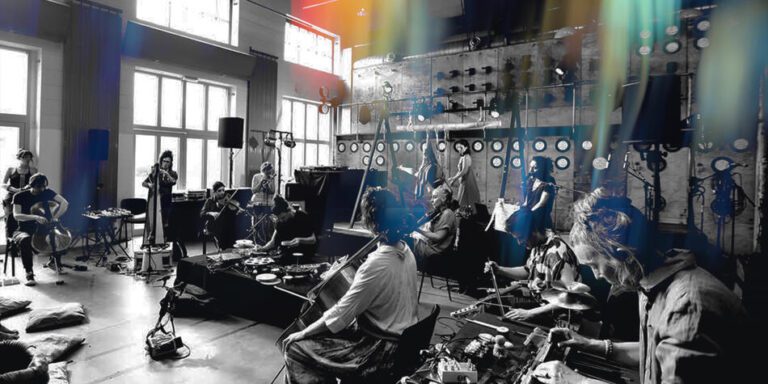
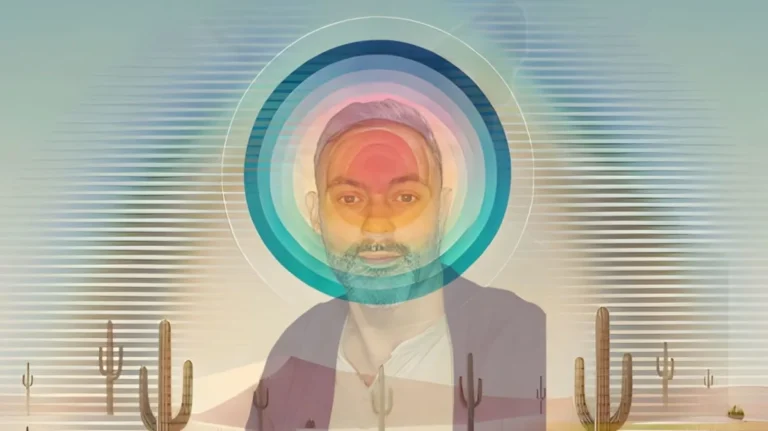
S’ouvrant sur le doux et lumineux Quietly Rising de Bryn Harrison, ce programme explore les profondeurs de résonance du piano. Tout au long du concert, l’instrument se transforme : l’électronique vient le doubler et le prolonger grâce à des ondes sinusoïdales et à des sons préenregistrés. Ces ajouts mettent en valeur certains aspects du piano tout en en révélant d’autres, plus cachés. La répétition, tour à tour méditative et exploratoire, est le fil conducteur de ces œuvres, qui se déploient progressivement jusqu’à l’aboutissement du programme, Philip the Wanderer de Cassandra Miller, une pièce portée par une énergie extatique.

Opening with Bryn Harrison’s soft and luminous Quietly Rising, this program explores the edges and depths of the piano’s resonance, uncovering hidden and hushed corners of sound and beauty in various guises. The use of electronics, including a blended doubling of the piano, sine waves, and other prerecorded electronics, illuminates both existing aspects of the instrument, as well as revealing dimensions previously obscured or unrealised. Repetition forms a central idea through which each of the works unfold, the program reaching its conclusion with the ecstatic energy of Cassandra Miller’s Philip the Wanderer. Consisting of a collection of repeated hushed phrases — each slower than the last — Bryn Harrison’s Quietly Rising is a restrained albeit spatially expansive release of the piano’s sonority. By meticulous use of the sustain pedal, a shimmering, gently sifting harmonic field is created of which a distinct aspect is revealed in each successive iteration. The second piece, Duo, sees the seamless melding of identical material presented by the acoustic piano and its pre-recorded acousmatic double. Eschewing any means of coordination however, these two lines necessarily diverge, constantly entering into and out of focus. Silence and vertical chords interrupt the landscape until finally a restless, but ultimately static, cloud of gradually shifting, nearly inaudible pitches takes over, drawing the ear into a flickering void. In her piece Constellations I-III, composer Chiyoko Szlavnics combines the piano with sine waves to create a delicate and fragile soundscape. Variously perceived as a single expanded instrument, or as distinct entities, Szlavnics painstakingly traces a beautiful and otherworldly sonorous architecture. The first half of the programme concludes with Linda Catlin Smith’s The Underfolding: a work whose multi-layered harmonies and colours establish a meditative and deeply textured landscape. The composer writes: « I wanted to find a way to condense the texture of my compositional world. Since the piano can sustain, there is an inherent possibility for the layering of sounds, like the undertones in painting, where many colours can be layered to create an overall hue or atmosphere….There is a sense of hidden or implied melody everywhere, clothed in the surrounding pitches and shades, though there is a line, a deep melody, that is unadorned.” Ágnes Wrote, by Max Murray, is a vertiginous exploration of the deep resonances of the piano. The sounds of prerecorded bass drums, piano resonance and sine waves envelop the acoustic instrument, slowly revealing a formal architecture at once tectonically vast, and intensely intimate, often held at the the threshold of the audible. The last piece in the programme, Cassandra Miller’s Philip the Wanderer, is a three-movement work based on transcriptions of Mandowa II, played by the Mozambican musician Zhukake Masingi. The piece begins in the lowest octave of the piano before a distant melody gradually moves to the sonorous fore. The second movement’s descending scales are interrupted by the increasingly ecstatic chords before the feverishly joyous world of the third movement drifts away into the piano’s upper octaves.

POUR ACHETER VOTRE BILLET, C’EST ICI!

Ce contenu provient de Le Vivier et est adapté par PAN M 360

expérimental / contemporain / improvisation libre / saxophone

Festival Flux : Camila Nebbia / Pablo Jiménez / Antoine Létourneau-Berger+ Eduardo Cossio + Jen Yakamovich/Roxanne Nesbitt à la Casa del Popolo

par Rédaction PAN M 360

Camila Nebbia

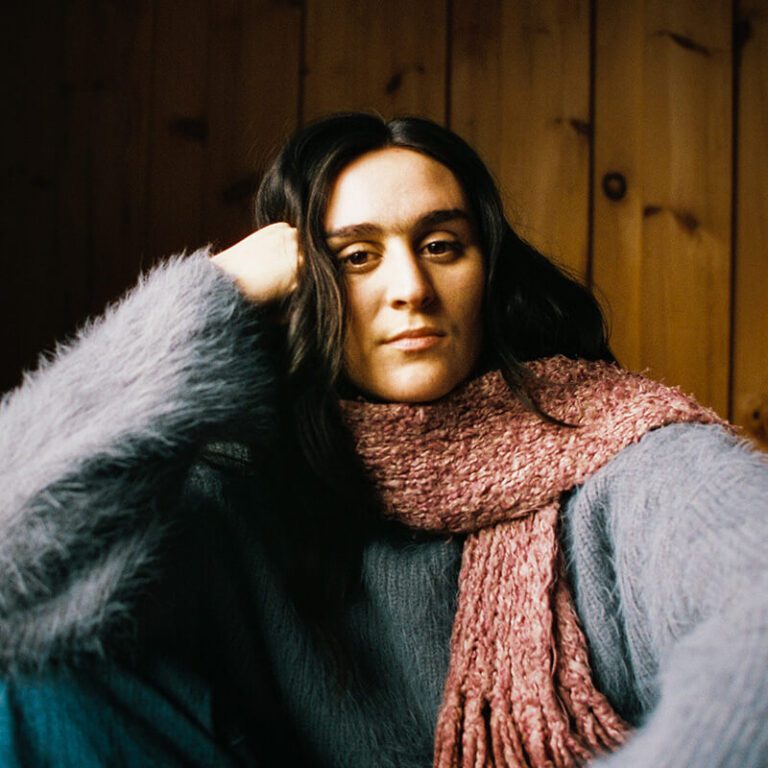
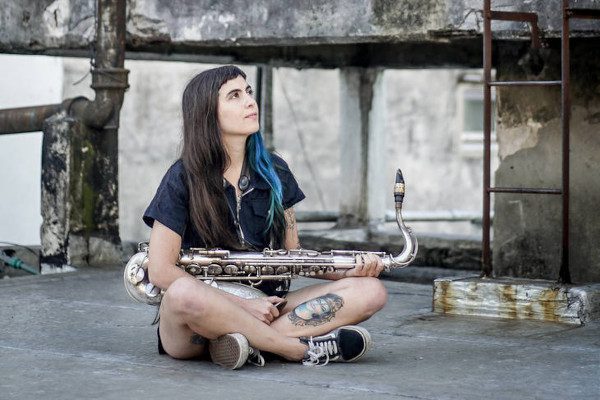
Camila Nebbia (saxophone ténor), originaire de Buenos Aires et installée à Berlin, est saxophoniste, compositrice, improvisatrice, artiste visuelle et commissaire d’exposition. Décrite par le magazine Jazz PT comme « une saxophoniste essentielle de notre époque ». L’artiste pluridisciplinaire fonde sa pratique sur la création et la destruction de la mémoire archivistique, explorant les concepts d’identité, de migration et de mémoire à travers son travail. Son dernier album solo – « una ofrenda a la ausencia » (une offrande à l’absence) sur Relative Pitch Records – a été décrit par le NYC Jazz Record comme un « album intrinsèquement humain et personnel, qui surprend les auditeurs par son approche passionnée du jazz ».

Camila Nebbia (tenor saxophone) from Buenos Aires, based in Berlin, is a saxophone player, composer, improviser, visual artist and curator. Described by Jazz PT magazine as “an essential saxophonist of our time”. The multidisciplinary artist layers her practice through the creation and destruction of archival memory, exploring the concepts of identity, migration, and memory. Her work includes improvised and composed music, film creation, and audiovisual performances, forming a constellation of interconnected practices. Her most recent solo album –’una ofrenda a la ausencia’ (an offering to absence) with Relative Pitch Records– was described by the NYC Jazz Record as an ‘innately human and personal album, surprising listeners with a passionate approach to jazz’.

Pablo Jiménez

Pablo Jiménez est contrebassiste et compositeur né à Bogota et établi à Montréal. Utilisant l’improvisation comme moteur créatif profond, son travail cherche à établir un langage musical rigoureux basé sur le mouvement. Il collabore souvent avec des ensembles et des musiciens de la scène des musiques actuelles et contemporaines au Québec et au Canada, dont l’Ensemble SuperMusique, Malcolm Goldstein, Lori Freedman et Scott Thomson. Il s’est produit et a participé à des festivals tels que le Festival International de Musique Actuelle de Victoriaville, Suoni per il Popolo, et les Darmstädter Ferienkurse, où il a étudié avec Anthony Braxton et interprété sa musique.

Pablo Jiménez is a double bassist and composer born in Bogota and based in Montreal. Using improvisation as a profound creative force, his work seeks to establish a rigorous musical language based on movement. He often collaborates with ensembles and musicians from the contemporary music scene in Quebec and Canada, including Ensemble SuperMusique, Malcolm Goldstein, Lori Freedman, and Scott Thomson. He has performed and participated in festivals such as the Festival International de Musique Actuelle de Victoriaville, Suoni per il Popolo, and the Darmstädter Ferienkurse, where he studied with Anthony Braxton and performed his music.

Antoine Létourneau-Berger

Antoine Létourneau-Berger (percussion) est un compositeur multi-instrumentiste originaire du Bas-Saint-Laurent. Percussionniste classique de formation, il poursuit ses études en composition de musique de film et développe un intérêt marqué pour la production sonore. Il porte selon l’occasion les chapeaux de réalisateur d’album, compositeur, concepteur et mixeur sonore autant que celui de musicien professionnel et improvisateur. Antoine est un touche à tout qui est aussi à l’aise avec les musiques expérimentales d’avant-garde que la chanson folk, le rock, le jazz ou encore les musiques électroniques. Il fait notamment partie des formations Talfast, Equse, Bascaille, Manta et GGRIL, en plus d’avoir produit 6 albums solo sous le nom de L’Oeil et le Monocle. De retour à Rimouski depuis 2014, il compose régulièrement pour le théâtre, le cinéma, la télévision, le cirque et la radio.

Antoine Létourneau-Berger (percussion) is a multi-instrumentalist composer from the Bas-Saint-Laurent region. Trained as a classical percussionist, he continued his studies in film music composition and developed a keen interest in sound production. Depending on the occasion, he wears the hats of album producer, composer, sound designer, and mixer, as well as professional musician and improviser. Antoine is a jack of all trades who is equally comfortable with avant-garde experimental music, folk, rock, jazz, and electronic music. He is a member of the bands Talfast, Equse, Bascaille, Manta, and GGRIL, and has produced six solo albums under the name L’Oeil et le Monocle. Back in Rimouski since 2014, he regularly composes for theater, film, television, circus, and radio.

Eduardo Cossio

Eduardo Cossio (cithares préparées et électronique) est un musicien et artiste visuel péruvien-australien basé à Boorloo (Perth, Australie occidentale). Sa musique s’inspire de la composition électroacoustique et expérimentale, et il se produit généralement avec des cithares, des harmonicas et des instruments électroniques. Eduardo s’est produit dans toute l’Australie, en Europe et à Taïwan. Il a collaboré étroitement avec Annette Krebs, Axel Dörner, Sabine Vogel, Alice Hui Shen Chang et Jim Denley. Il est également un organisateur prolifique, animateur de radio et écrivain. Son travail en art visuel a fait l’objet de trois expositions individuelles.

Eduardo Cossio (prepared zithers and electronics) is a Peruvian-Australian musician and visual artist based in Boorloo (Perth, Western Australia). His music draws from electro-acoustic and experimental composition, usually performing with zithers, harmonica and electronics. Eduardo has performed widely across Australia, Europe, and Taiwan. He has collaborated closely with Annette Krebs, Axel Dörner, Sabine Vogel, Alice Hui Shen Chang, and Jim Denley. He is also prolific organiser, radio broadcaster, and writer. His visual art has been the subject of three solo exhibitions.

Jen Yakamovich

Jen Yakamovich est une batteuse et improvisatrice basée à Vancouver qui travaille dans plusieurs disciplines en tant qu’interprète, compositrice, chercheuse et éducatrice. Elle considère sa relation avec la batterie, un système de sons et de parties interdépendantes, comme une exploration des relations entre son propre système interne et des réseaux socio-écologiques plus larges. Son approche de l’improvisation et de la composition spontanée trouve ses racines dans le Creative Music Workshop de Halifax, en Nouvelle-Écosse, où Yakamovich a grandi. De 2024 à 2025, Yakamovich a étudié avec la percussionniste, compositrice et preneuse de son Susie Ibarra (New York/Berlin).
Au cours de l’année écoulée, Yakamovich a travaillé avec le programme DAAD Artists-in-Berlin / bauhaus Campus Stadt Nature, Now Society’s 8east, Vancouver Coastal Jazz, Active Passive Performance Society, The Only Animal et grunt gallery. Elle a récemment contribué à des projets avec le percussionniste Adrian Avendaño (Vancouver), les artistes Roxanne Nesbitt et Ben Brown (Montréal), le guitariste Sam Wilson (Halifax), l’artiste psychédélique persan Niloo (Victoria), le groupe d’art rock Heaven For Real (Montréal), le producteur Miguel Maravilla (Vancouver), les improvisateurs Mustafa Rafiq (Edmonton) et Jairus Sharif (Calgary) pour Active Passive, et le groupe folk balkanique Fetele Din Balkani (Vancouver). Elle se produit régulièrement avec l’artiste pop expérimental Wallgrin (Vancouver) et a récemment formé le duo d’improvisation Notice Flower avec la pianiste Bahar Khazei. Elle mène également un projet folk expérimental en solo intitulé Troll Dolly.
Yakamovich souffre d’une déficience visuelle progressive appelée rétinite pigmentaire. Elle est titulaire d’une maîtrise en études environnementales de l’université Dalhousie.

Jen Yakamovich is a Vancouver-based drummer and improviser who works across disciplines as a performer, composer, researcher, and educator. She sees her relationship with the drum set—a system of interrelating sounds and parts— as an inquiry into relationships with both her own internal system and wider socioecological webs. Her approach to improvisation and spontaneous composition is rooted in the Creative Music Workshop in Halifax, NS, where Yakamovich grew up. From 2024-2025 Yakamovich studied with drummer, composer & field recordist Susie Ibarra (New York/Berlin).
Over the past year Yakamovich has worked with the DAAD Artists-in-Berlin / bauhaus Campus Stadt Nature program, Now Society’s 8east, Vancouver Coastal Jazz, Active Passive Performance Society, The Only Animal, and grunt gallery. She has recently contributed to projects with percussionist Adrian Avendaño (Vancouver), artists Roxanne Nesbitt & Ben Brown (Montréal), guitarist Sam Wilson (Halifax), Persian psych artist Niloo (Victoria), art rock group Heaven For Real (Montréal), producer Miguel Maravilla (Vancouver), improvisers Mustafa Rafiq (Edmonton) & Jairus Sharif (Calgary) for Active Passive, and Balkan folk group Fetele Din Balkani (Vancouver). She regularly performs with experimental pop artist Wallgrin (Vancouver), and recently formed the improvisation duo Notice Flower with pianist Bahar Khazei. She has a solo experimental folk project called Troll Dolly.
Yakamovich has a progressive vision impairment called retinitis pigmentosa. She holds a Master’s degree in Environmental Studies from Dalhousie University.

Roxanne Nesbitt

Roxanne Nesbitt est designer, compositrice et artiste sonore. Après des études en contrebasse classique et en architecture, Roxanne travaille entre les domaines de la musique et du design. Ses recherches explorent la conception d’instruments, le point de rencontre entre la composition et l’improvisation, la céramique sculpturale et les installations sonores participatives. Roxanne collabore avec des concepteur.ice.s d’instruments, des musicien.ne.s, des compositeur.ice.s et des chorégraphes pour créer ses œuvres.
Sa musique a été jouée à travers l’Europe et l’Amérique du Nord, notamment lors de performances au Gaudeamus Muziekweek à Utrecht, au November Music à Den Bosch, au Bauchhund à Berlin, au Western Front à Vancouver et au Center for New Music à San Francisco. Son processus de création célèbre l’intimité, la curiosité et l’exploration.

Roxanne Nesbitt is a designer, composer, and sound artist. Following formal studies in classical double bass and architecture, Roxanne works between the fields of music and design. Her research explores radical instrument design, the meeting place of composition and improvisation, sculptural ceramics and participatory sound installation. Roxanne collaborates with instrument designers, musicians, composers, and choreographers to create work.
Her music has been played across Europe and North America including performances at Gaudeamus Muziekweek in Utrecht, November Music in Den Bosch, Bauchhund in Berlin, Western Front in Vancouver, and the Center for New Music in San Francisco. She celebrates process making work that is intimate, inquisitive, and exploratory.

POUR ACHETER VOTRE BILLET, C’EST ICI!

Ce contenu provient du Festival Flux et est adapté par PAN M 360
expérimental / contemporain / improvisation libre

Le Vivier : GGRIL • C-IME • Ensemble Supermusique — Des nuées de ritournelles à la Chapelle Scènes Contemporaines

par Rédaction PAN M 360

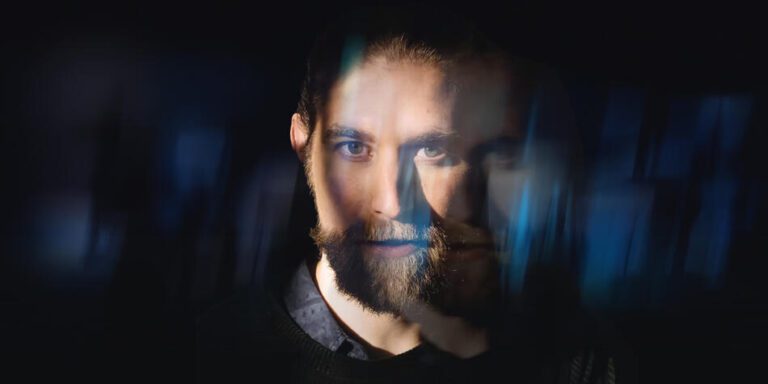
Rencontre entre les improvisateurs de l’ensemble rimouskois GGRIL et de l’Ensemble Supermusique, avec les musiciennes et artistes sonores du collectif belge C-IME. L’idée de ritournelle nous vient de la saxophoniste et compositrice belge Audrey Lauro. Bien qu’elle ne soit pas du voyage cette fois, son esprit nous accompagne pour ce concert pensé et repensé, tout fait d’improvisation, de fragilité et d’écoute. Des membres du GGRIL et de C-ÎME collaborent depuis quelques années grâce à une heureuse rencontre au festival Citadelic à Gand. En 2022, suite à une résidence à Rimouski, Audrey Lauro a composé Ritournelle Reverse, une pièce pour le GGRIL. Dans un fabuleux désir de collaborer au sein d’un processus créatif partagé où habiter l’espace et la physicalité du son, trois musiciennes de l’ensemble C-ÎME (Belgique), cinq musicien·nes du GGRIL (Rimouski) et deux invitées de l’Ensemble SuperMusique (Montréal) se rejoignent sur scène le temps d’une ritournelle montréalaise.

A meeting between the improvisers of the Rimouski-based ensemble GGRIL and Ensemble SuperMusique, together with the musicians and sound artists of the Belgian collective C-IME. The idea of the ritournelle comes from Belgian saxophonist and composer Audrey Lauro. Although she won’t be traveling with them this time, her spirit accompanies this concert—conceived and reconceived—made of improvisation, fragility, and attentive listening. Members of GGRIL and C-IME have been collaborating for several years, following a serendipitous encounter at the Citadelic Festival in Ghent. In 2022, after a residency in Rimouski, Audrey Lauro composed Ritournelle Reverse, a piece for GGRIL. In a marvelous desire to collaborate within a shared creative process—one that inhabits space and the physicality of sound—three musicians from C-IME (Belgium), five musicians from GGRIL (Rimouski), and two guests from Ensemble SuperMusique (Montréal) come together on stage for a Montréal ritournelle.

POUR ACHETER VOTRE BILLET, C’EST ICI!

Ce contenu provient de Le Vivier et est adapté par PAN M 360

classique / post-romantique

OSM : Ainsi parlait Zarathoustra

par Rédaction PAN M 360

Brian Manker et James Box sortent des rangs de l’Orchestre pour offrir des performances époustouflantes en tant que solistes. Ce programme fascinant explore des œuvres marquées par des influences philosophiques et spirituelles où Strauss, Wagner, Bloch et Moussa nous introduisent, à leur façon, à des thématiques profondes. L’œuvre de Strauss est un poème symphonique inspiré du livre philosophique de Friedrich Nietzsche. Son introduction majestueuse utilisée dans le film 2001: l’Odyssée de l’espace de Stanley Kubrick est devenue mondialement célèbre. Un concert incontournable, alliant musique saisissante, réflexion captivante et maîtrise impressionnante.

Brian Manker and James Box step out of their usual roles in the orchestra to deliver breathtaking performances as soloists. The program features works shaped by philosophical and spiritual influences, as Strauss, Wagner, Bloch, and Moussa each explore profound themes in their own unique way. Strauss’ piece, a symphonic poem inspired by Friedrich Nietzsche’s philosophical work Thus Spoke Zarathustra, opens with a majestic introduction made world-famous by Stanley Kubrick’s 2001: A Space Odyssey. An unmissable concert bringing together striking music, deep reflection, and masterful artistry.

Programme

Richard Wagner, Tannhäuser : « Ouverture » (12 min)
Samy Moussa, Concerto pour trombone « Yericho » (25 min)
Ernest Bloch, Schelomo, Rhapsodie hébraïque pour violoncelle et orchestre, B. 39 (20 min)
Richard Strauss, Ainsi parlait Zarathoustra, op. 30, TrV 176 (33 min)

Program

Richard Wagner, Tannhäuser, Overture (12 min)
Samy Moussa, Concerto for Trombone (“Yericho”) (25 min)
Ernest Bloch, Schelomo: Rhapsodie Hébraïque for Violoncello and Orchestra, B. 39 (20 min)
Richard Strauss, Thus Spoke Zarathustra, Op. 30, TrV 176 (33 min)

POUR ACHETER VOTRE BILLET, C’EST ICI!

Ce contenu provient de l’Orchestre symphonique de Montréal et est adapté par PAN M 360

Brésil / percussions

Lu Horta au Club Balattou

par Rédaction PAN M 360

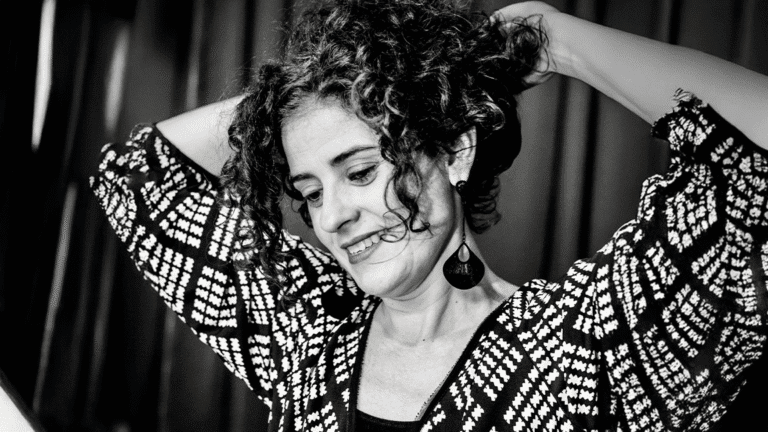
Lu Horta est une artiste brésilienne installée à Montréal, chanteuse, compositrice et spécialiste des percussions corporelles. Co-fondatrice du groupe Barbatuques, elle a collaboré à des films comme Rio 2 et Le Garçon et le Monde (nommé aux Oscars). En solo, elle signe des albums acclamés et s’engage dans des projets artistiques et pédagogiques avec la scène locale.

Lu Horta is a Brazilian artist based in Montreal — a singer, composer, and body percussionist. Co-founder of the group Barbatuques, she has contributed to films such as Rio 2 and The Boy and the World (Oscar-nominated). As a solo artist, she has released acclaimed albums and actively collaborates on artistic and educational projects with the local scene.

POUR ACHETER VOTRE BILLET, C’EST ICI!

Ce contenu provient du Club Balattou et est adapté par PAN M 360

classique

OSM : Schubert intensément!

par Rédaction PAN M 360

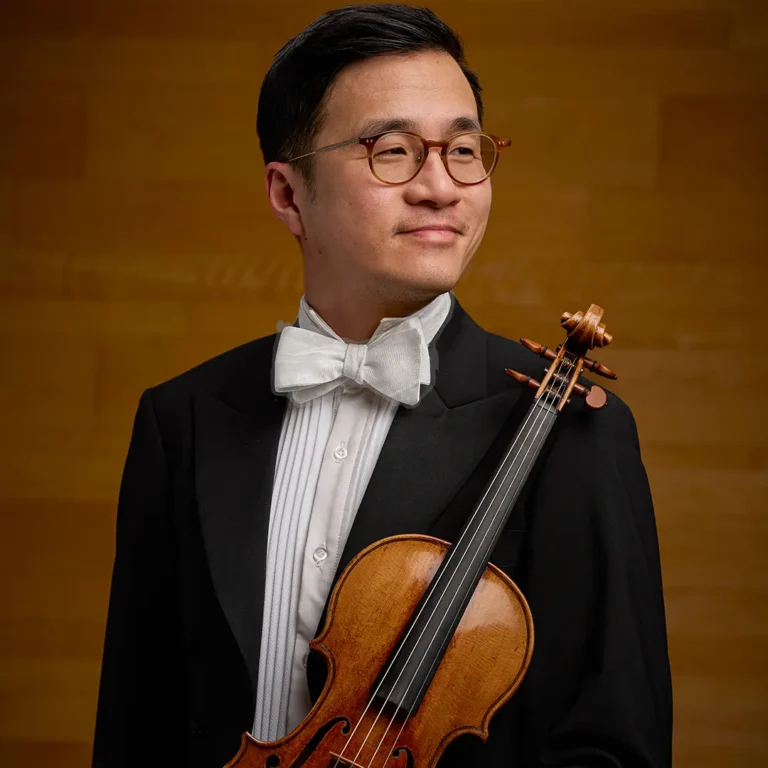
Grâce à l’ajout d’un second violoncelle dans son Quintette, Schubert redessine les frontières de la musique de chambre et donne à son œuvre une ampleur quasi orchestrale. Sommet d’expressivité, l’Adagio revêt un caractère intemporel.

By adding a second cello instead of the traditional second viola to his String  Quintet, Schubert redefined the boundaries of chamber music, giving his work an almost orchestral depth. The timeless Adagio is a pinnacle of expressiveness.

Programme

Franz Schubert, Trio pour cordes, D. 471 (12 min)
Franz Schubert, Quintette à cordes, D. 956, op. posth. 163 (55 min)

Program

Franz Schubert, String Trio, D. 471 (12 min)
Franz Schubert, String Quintet, D. 956, Op. posth. 163 (55 min)

POUR ACHETER VOTRE BILLET, C’EST ICI!

Ce contenu provient de l’Orchestre symphonique de Montréal et est adapté par PAN M 360

art rock / pop-rock / soft-rock

Chris de Burgh | 50LO à la salle Wilfrid-Pelletier

par Rédaction PAN M 360

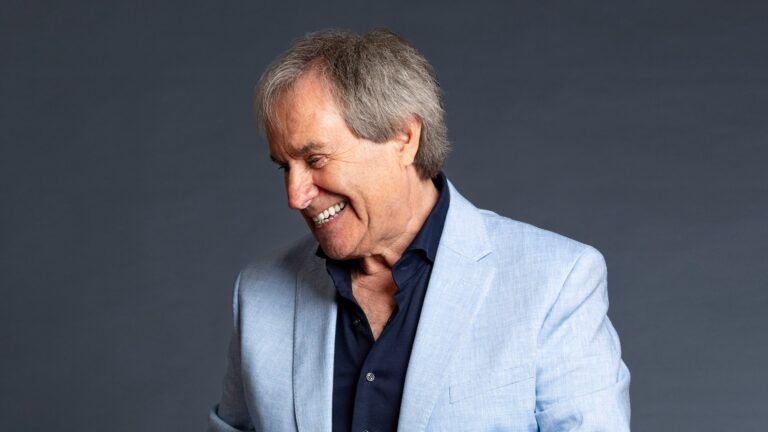
Pour célébrer son 50e anniversaire de carrière musicale, le légendaire chanteur-compositeur irlandais Chris de Burgh sera en tournée solo canadienne en 2026. Il offrira à ses mélomanes montréalais une performance unique en solo de tous ces succès incluant ses chansons populaires, tel que Spanish Train, Don’t Pay the Ferryman, A Spaceman Came Travelling, Patricia et naturellement son hit mondial Lady in Red qui célébra son 40e anniversaire en 2026.

To celebrate his 50th career anniversary, legendary singer/songwriter Chris de Burgh will be undertaking a Canadian solo tour in 2026. He will be offering his Montreal fans a unique solo performance of all his hits, including Spanish Train, Don’t Pay the Ferryman, A Spaceman Came Travelling, Patricia and naturally his worldwide hit Lady in Red which is celebrating its 40th anniversary in 2026.

POUR ACHETER VOTRE BILLET, C’EST ICI!

Ce contenu provient de la Place des Arts et est adapté par PAN M 360

alt-rock / Indie / post-rock

Stereolab au Théâtre Beanfield

par Rédaction PAN M 360

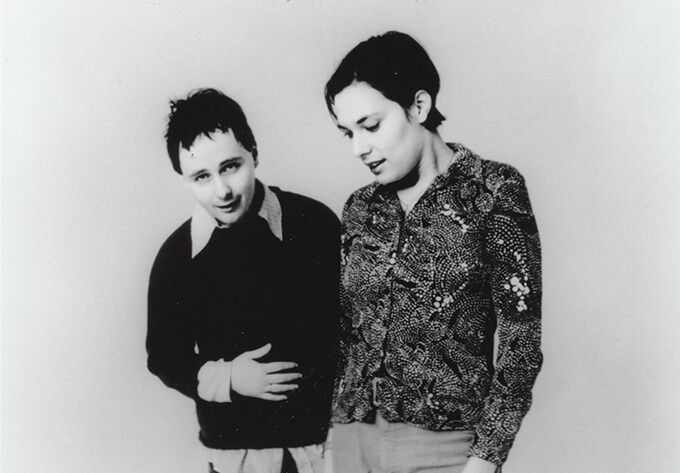
Avec leurs rythmes hypnotiques et leurs voix envoûtantes, Stereolab est devenu l’un des groupes les plus distinctifs et influents de l’indie lorsqu’ils ont émergé au début des années 90. Mené par Tim Gane et Laetitia Sadier, le groupe célébrait des genres musicaux – bossa nova, lounge-pop, bandes-son de films – qui étaient traditionnellement écartés de l’héritage du rock. Sur leurs premiers singles et albums comme Transient Random-Noise Bursts with Announcements (1993), Stereolab combinait des mélodies pop des années 60 avec une esthétique d’art rock empruntée aux groupes de Krautrock comme Faust et Neu! ; à l’époque de Emperor Tomato Ketchup (1996), leur son avait intégré le jazz, le hip-hop et la musique dance. Leur travail avec John McEntire et Jim O’Rourke sur Dots and Loops (1997) et Sound-Dust (2001) reflétait une approche de plus en plus complexe et expérimentale, mais après le décès de la membre Mary Hansen en 2002, ils sont finalement revenus à un style plus pop sur des albums comme Chemical Chords (2008). Le son inimitable de Stereolab a eu un impact durable : des contemporains comme Pavement et Blur ont imité leur style dans les années 90, tandis que des artistes de hip-hop tels que J Dilla et Tyler the Creator ont samplé leur musique ou collaboré avec ses membres dans les années 2000 et 2010. À la fin de cette décennie et dans les années 2020, la renaissance de Stereolab en tant que groupe en tournée et la sortie régulière de rééditions ont souligné leur réputation d’innovateurs.

With their hypnotic rhythms and mesmerizing vocals, Stereolab became one of indie’s most distinctive and influential bands when they emerged in the early ’90s. Led by Tim Gane and Laetitia Sadier, the group celebrated strands of pop music — bossa nova, lounge-pop, movie soundtracks — that were traditionally banished from rock’s lineage. On early singles and albums such as 1993’s Transient Random-Noise Bursts with Announcements, Stereolab combined ’60s pop melodies with an art rock aesthetic borrowed from Krautrock bands like Faust and Neu!; by the time of 1996’s Emperor Tomato Ketchup, their sound incorporated jazz, hip-hop, and dance music. Their work with John McEntire and Jim O’Rourke on 1997’s Dots and Loops and 2001’s Sound-Dust reflected an increasingly intricate, experimental approach, but following the 2002 death of member Mary Hansen, they eventually returned to a poppier style on albums like 2008’s Chemical Chords. Stereolab’s unmistakable sound had a lasting impact: Contemporaries like Pavement and Blur aped their style in the ’90s, while hip-hop artists such as J Dilla and Tyler the Creator sampled the band’s music or collaborated with its members in the 2000s and 2010s. Late in that decade and into the 2020s, Stereolab’s revival as a touring band and a steady stream of reissues underscored their reputation as innovators.

POUR ACHETER VOTRE BILLET, C’EST ICI!

Ce contenu provient d’AllMusic et est adapté par PAN M 360

britpop / dream pop / rock alternatif

Elbow au MTelus

par Rédaction PAN M 360

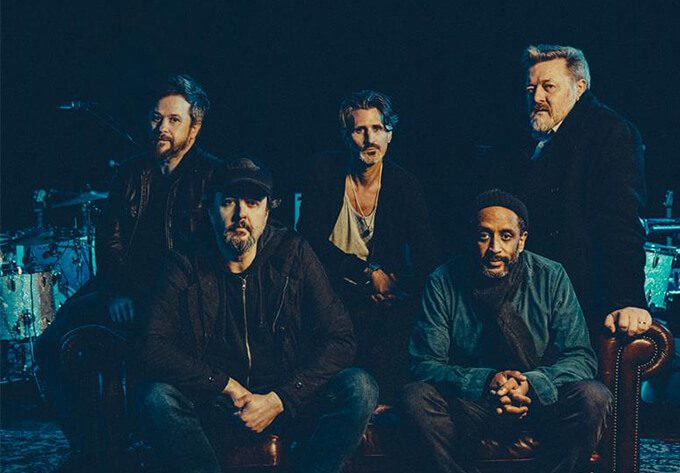
Avec un son cinématographique et une large palette d’émotions, le groupe britannique Elbow s’est fait connaître du grand public avec son premier album acclamé, Asleep in the Back (2001), et n’a cessé depuis de produire des albums tout aussi populaires et finement arrangés. Si leurs trois premiers disques leur ont permis de s’imposer sur la scène musicale britannique, c’est leur ambitieux quatrième album, The Seldom Seen Kid, qui a véritablement consacré leur statut, remportant le Mercury Prize en 2008 et établissant un modèle d’autoproduction pour le groupe. Cette approche a influencé leurs albums suivants, comme Build a Rocket Boys! (2011) et The Take Off and Landing of Everything (2014), ce dernier devenant leur premier album à atteindre la tête des classements au Royaume-Uni. Au fil des ans, Elbow a également remporté des Brit Awards et des prix Ivor Novello, tandis que leur musique a été largement mise en avant lors des Jeux olympiques de Londres en 2012, où ils ont joué lors de la cérémonie de clôture. Little Fictions (2017) et Giants of All Sizes (2019) ont eux aussi atteint la première place des charts britanniques. En 2021, ils ont sorti Flying Dream 1, enregistré au Theatre Royal de Brighton, avant de revenir en 2024 avec Audio Vertigo, un album dynamique et axé sur le groove.

Boasting an cinematic sound and tapping into a wide range of emotions, British band Elbow rose to public consciousness with their acclaimed 2001 debut, Asleep in the Back and have continued to make similarly popular and intricately arranged albums ever since. While their first three outings established them as significant players on the U.K. scene, it was their sprawling fourth LP, The Seldom Seen Kid, that cemented their status, winning the 2008 Mercury Prize and setting a precedent for the group’s self-production. It would inform their approach on subsequent albums like 2011’s Build a Rocket Boys! and 2014’s The Take Off and Landing of Everything, the latter of which became their first U.K. chart-topper. Along the way, Elbow collected Brit and Ivor Novello awards, and their music was featured heavily in the 2012 London Olympic Games, where they performed during the closing ceremony. Both 2017’s Little Fictions and 2019’s Giants of all Sizes reached number one in the U.K.. In 2021, they delivered Flying Dream 1, recorded at Brighton’s Theatre Royal, before returning in 2024 with the kinetic and groove-oriented Audio Vertigo.

POUR ACHETER VOTRE BILLET, C’EST ICI!

Ce contenu provient d’AllMusic et est adapté par PAN M 360

indie folk / reggae / rétro-soul

MUZ : Lapelúda, Cordâme, Umurutasaté, Nora toutain, Hendry Massamba et Raíz Viva au Studio TD

par Rédaction PAN M 360

Lapelúda

Nommée dans la catégorie Album de l’année au Latin Awards Canada pour son premier album Caídas (2022), Lapelúda fait sa place dans le cadre du festival POP Montréal en 2024. L’artiste colombo-québécoise incarne la nostalgie emblématique de la musique latino-américaine au travers de ses chansons indie-folk. C’est avec une vulnérabilité vocale percutante que l’artiste envoûte l’audience au-delà des barrières de langues. Elle tisse des liens à travers des chansons hautes en émotions et nourries de rythmes latins.

Nominated for Album of the Year at the Latin Awards Canada for her debut album Caídas (2022), Lapelúda made her mark at POP Montréal in 2024. The Colombian-Québécois artist embodies the emblematic nostalgia of Latin American music through her indie-folk songs. With a strikingly vulnerable vocal delivery, she captivates audiences beyond language barriers, weaving connections through emotionally charged songs infused with Latin rhythms.

Cordâme

Fleuve vous invite à une immersion profonde dans l’univers envoûtant de Cordâme, où les courants musicaux se rencontrent et s’entrelacent avec fluidité. Porté par les nouvelles créations de Jean Félix Mailloux, ce concert est un voyage sonore captivant, entre tradition et modernité, où chaque note évoque le mouvement et la richesse infinie des eaux qui nous entourent. Laissez-vous porter par ces harmonies envoûtantes, naviguant entre jazz, musique impressionniste et rythmes évocateurs. Une expérience incontournable pour les mélomanes avides de découvertes et d’émotions pures.

Fleuve invites you to a deep immersion into the enchanting world of Cordâme, where musical currents meet and intertwine with fluidity. Led by the new creations of Jean Félix Mailloux, this concert is a captivating sonic journey, bridging tradition and modernity, where each note evokes the movement and infinite richness of the surrounding waters. Let yourself be carried away by these mesmerizing harmonies, navigating between jazz, impressionistic music, and evocative rhythms. An unmissable experience for music lovers seeking discovery and pure emotion.

Umurutasaté

Umurutasaté est une auteure-compositrice-interprète originaire du Rwanda, exprimant son talent en huit langues et autant d’univers musicaux. Elle manie les rythmes et mélodies de ses ancêtres avec une voix suave et envoûtante. Sa musique, urbaine et métissée, est doublement influencée, aussi bien par les mélodies traditionnelles africaines que par celles occidentales, particulièrement le Jazz et le Reggae. Après une maîtrise en science politique, une vie professionnelle loin de la musique, Umurutasaté décide de répondre à l’appel de la musique depuis 2019.

Umurutasaté is a singer-songwriter from Rwanda, expressing her talent in eight languages and just as many musical worlds. She weaves the rhythms and melodies of her ancestors with a smooth, captivating voice. Her urban, cross-cultural music is shaped by a double influence: traditional African melodies and Western sounds, particularly Jazz and Reggae. After completing a master’s degree in political science and pursuing a professional life away from music, Umurutasaté chose to answer the call of music in 2019.

Nora toutain

Auteure-compositrice-interprète franco-marocaine de Montréal, Nora navigue dans un style éclectique et une fusion subtile entre rétro-soul, afro-jazz et pop, faisant écho à la multiplicité des univers culturels dans lesquels elle a baigné. Ses performances, portées par des rythmes ancestraux africains et amazighs associés à des sonorités soul, jazz et pop, offrent une véritable modernité à son héritage multiculturel et font d’elle une artiste qui se dit avec aisance en trois langues, français, arabe et anglais, lui permettant de créer ces passerelles musicales mais aussi humaines entre les peuples et les cultures. 

Montreal-based Franco-Moroccan singer-songwriter Nora moves within an eclectic style, blending retro-soul, afro-jazz, and pop, reflecting the multiple cultural worlds that have shaped her. Her performances, driven by ancestral African and Amazigh rhythms combined with soul, jazz, and pop sounds, bring a modern dimension to her multicultural heritage. Comfortable performing in three languages, French, Arabic, and English, she creates musical and human bridges between people and cultures.

Hendry Massamba

Originaire du Congo, Hendry Massamba est un musicien et percussionniste engagé dans une quête de transmission et de valorisation des langues anciennes africaines. À travers une musique dynamique, festive et rythmée, il cherche à éveiller les consciences et à créer des ponts entre l’héritage africain et les enjeux contemporains et mêle musicalement des sonorités traditionnelles à des influences modernes. Avec cette approche, Hendry Massamba aspire à offrir au public une expérience à la fois festive et introspective, où la musique devient un vecteur de changement et de réconciliation entre passé et présent.

Originally from Congo, Hendry Massamba is a musician and percussionist dedicated to preserving and promoting ancient African languages. Through dynamic, festive, and rhythmic music, he seeks to raise awareness and build bridges between African heritage and contemporary issues, blending traditional sounds with modern influences. With this approach, Hendry Massamba aims to offer audiences an experience that is both celebratory and introspective, where music becomes a vehicle for change and reconciliation between past and present.

Raíz Viva

Le nom Raíz Viva, « racine vivante » en français, symbolise l’engagement du groupe à honorer son héritage de racines africaines et indigènes qui ont sculpté la musique latino-américaine et à faire partie de l’évolution de la musique et de ses traditions. Leur démarche artistique vise à tisser des liens avec ces traditions venues du monde entier afin d’enrichir leurs créations musicales et promouvoir la diversité culturelle mondiale.

The name Raíz Viva, meaning “living root” in French, reflects the group’s commitment to honoring their African and Indigenous roots that have shaped Latin American music, while actively participating in the evolution of music and its traditions. Their artistic approach seeks to forge connections with these global traditions to enrich their musical creations and promote cultural diversity worldwide.

POUR ACHETER VOTRE BILLET, C’EST ICI!

Ce contenu provient de MUZ et est adapté par PAN M 360

chaâbi / électro-pop / jazz brésilien

MUZ : Marcia, Irem Bekter, Lasso, Meryem Saci, Floric Kim et Abdel Grooz au Studio TD

par Rédaction PAN M 360

Marcia

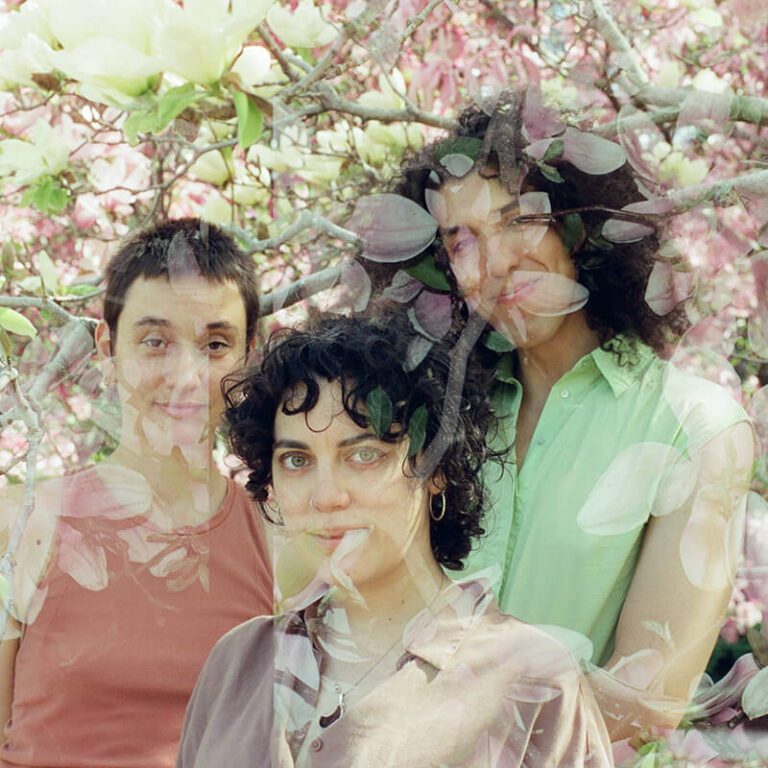
Trois musiciennes de la relève jazz montréalaise, Adele Levayer (flûte traversière et flûte alto), Julie Morisod (voix) et Mikhael Doudi (guitare) se réunissent depuis plus de deux ans, animées d’abord par l’exploration du vaste répertoire de la musique brésilienne, puis par la création collective autours d’influences communes: le jazz moderne et les rythmes brésiliens du nord-est du Brésil. De cette union est né Marcia. Inclassable, le jazz de Marcia est métissé, hybride et mouvant, à l’image des multiples parcours de ces artistes . Trio à l’instrumentation rare, Marcia se démarque sur scène par la symbiose et la sincérité musicale qui se dégagent des pièces. Le groupe a déjà eu l’occasion de partager sa musique au Québec mais également en Europe (France, Belgique, Suisse et Allemagne). Après deux années de complicité et de développement artistique, Marcia est fière de sortir son premier album de musique originale à l’été 2025.

Three emerging jazz musicians from Montreal, Adele Levayer (flute and alto flute), Julie Morisod (voice), and Mikhael Doudi (guitar), have been collaborating for over two years, initially driven by the exploration of the vast Brazilian music repertoire and later by collective creation around shared influences: modern jazz and the rhythms of northeastern Brazil. From this union was born Marcia.
Unclassifiable, Marcia’s jazz is mixed, hybrid, and fluid, reflecting the diverse paths of its members. As a trio with a rare instrumentation, Marcia stands out on stage for the musical symbiosis and sincerity that emanate from their pieces. The group has had the opportunity to share its music both in Quebec and in Europe (France, Belgium, Switzerland, and Germany). After two years of artistic collaboration and growth, Marcia is proud to release its first album of original music in the summer of 2025.

Irem Bekter

De son enfance à Istanbul, à ses années en Angleterre en passant par deux décennies en Argentine, jusqu’au Québec, sa dernière terre d’accueil, chaque étape avec une nouvelle langue, une nouvelle culture, fut une nouvelle couche à son identité qui se reflète profondément dans sa musique.
Son dernier album, This Winding Road marque une révélation audacieuse de ses œuvres originales. 
Sa musique, imprégnée de rythmes turcs et argentins, de pop britannique et d’électro, en tout respect de la société distincte qu’est le Québec français, évoque les époques, les lieux et les personnes qui ont marqué son parcours, de façon profondément personnelle et singulière.

From his childhood in Istanbul, to his years in England, through two decades in Argentina, and finally to Quebec, his current home, each stage, each new language and culture, added a layer to his identity that resonates deeply in his music.
His latest album, This Winding Road, represents a bold revelation of his original work. His music, infused with Turkish and Argentine rhythms, British pop, and electronic elements, while honoring the unique culture of French-speaking Quebec, evokes the eras, places, and people who have shaped his journey in a deeply personal and singular way.

Lasso

Salif Sanou, dit Lasso, est né dans une famille griotte du Burkina Faso. Il découvre très tôt ses talents pour plusieurs instruments traditionnels et pour le chant mais surtout développe une passion et une habileté incroyable pour la flûte peule (flûte mandingue ou encore flûte à parler). Arrivé au Québec en 2009, Lasso se produit dans plusieurs événements majeurs dont l’ouverture des Jeux Olympiques à Vancouver et de nombreux grands festivals. Avec ses musiciens, il fait naître un genre musical nommé FRAMM créant une fusion Reggae, afro-mandingue métissée.

Salif Sanou, known as Lasso, was born into a griot family in Burkina Faso. He discovered early on his talent for several traditional instruments and singing, but above all developed a remarkable passion and skill for the Fulani flute (Mandingue flute or “talking flute”). Arriving in Quebec in 2009, Lasso has performed at numerous major events, including the opening of the Vancouver Olympic Games and many large festivals. Alongside his musicians, he created a musical genre called FRAMM, a fusion of Reggae and Afro-Mandingue influences.

Meryem Saci

Meryem Saci est une chanteuse, autrice-compositrice né à Alger dont la voix vibrante reflète les influences multiples de son parcours. Son nouvel album est un véritable voyage sonique entre l’Afrique du Nord et l’occident. Une fusion de styles RnB, HipHop, Soul avec une touche de Chaabi algérien, Gnawa et electro. Le tout en 3 langues, entre chant et rap. Une rencontre entre les rythmes traditionnels et les productions digitales. Ses thèmes expriment l’expérience de déracinement, d’identité et les combats sociaux et internes le tout saupoudrés de chansons d’amour et de résilience. Elle s’est produite dans de nombreux festivals et tournées au Canada et en Europe. Elle a été invitée sur le dernier album du groupe IAM et ses pièces se retrouvent dans des séries télévisées très populaires.

Meryem Saci is a singer-songwriter born in Algiers, whose vibrant voice reflects the diverse influences of her journey. Her latest album is a true sonic voyage between North Africa and the West, blending RnB, Hip-Hop, and Soul with touches of Algerian Chaabi, Gnawa, and electronic music. Sung and rapped in three languages, her music brings together traditional rhythms and digital production.
Her lyrics explore experiences of uprooting, identity, and social and personal struggles, all while weaving in themes of love and resilience. She has performed at numerous festivals and tours across Canada and Europe, was featured on the latest album by the group IAM, and her songs have been included in widely popular television series.

Floric Kim

Originaire du Congo, Floric Kim est un artiste polyvalent qui incarne la nouvelle vague de la créativité africaine. Il porte un regard novateur sur la scène musicale dans une démarche qui se veut célébration de l’Afrique moderne, en dialogue constant avec ses racines. Il s’imprègne des rythmes afrobeat, soul et de musiques traditionnelles africaines pour créer un univers sonore qui transcende les frontières. Sa démarche artistique aspire à refléter l’évolution de la culture africaine contemporaine, tout en restant enracinée dans des valeurs patrimoniales fortes.

Originally from Congo, Floric Kim is a versatile artist who embodies the new wave of African creativity. He brings an innovative perspective to the music scene, celebrating modern Africa while maintaining a constant dialogue with his roots. Drawing from Afrobeat, Soul, and traditional African music, he creates a sonic universe that transcends borders. His artistic approach seeks to reflect the evolution of contemporary African culture while remaining deeply rooted in strong heritage values.

Abdel Grooz

Abdel Grooz, artiste polyvalent, né dans le sud-ouest algérien dans une famille de grands maîtres de musique qui nourrissent sa passion, s’installe au Québec et crée son propre projet Grooz qui mêle groove et jazz. Son second album Zarbia connaît un grand succès dans le cadre de tournées en Europe, aux États-Unis, en Australie et au Maghreb. Le groupe fusionne des instruments occidentaux avec un répertoire ancestral, tout en intégrant des sonorités reggae, blues, rock et jazz.

Abdel Grooz, a versatile artist born in southwestern Algeria into a family of master musicians who nurtured his passion, settled in Quebec and created his own project, Grooz, blending groove and jazz. His second album, Zarbia, achieved great success during tours in Europe, the United States, Australia, and the Maghreb. The group fuses Western instruments with an ancestral repertoire while incorporating elements of Reggae, Blues, Rock, and Jazz.

POUR ACHETER VOTRE BILLET, C’EST ICI!

Ce contenu provient de MUZ et est adapté par PAN M 360

art sonore / expérimental / contemporain

Festival Flux : Tanner Menard + Martín Rodríguez au Centre d’art daphne

par Rédaction PAN M 360

Tanner Menard

Un vaisseau de conscience, transportant le son, la vision et le souffle comme des courants vivants de présence. Ici, en relation, un rayon transparent de lignée, coulant au-delà de soi. CETTE voie ouverte vers le devenir imaginaire — au-delà du nom, au-delà de la nation — avec ce qui est partagé, résonnant, vivant. Le chemin de la vie.

A vessel for consciousness, carrying sound, vision, and breath as living currents of presence. Here in relation, a transparent ray of lineage, flowing beyond self. THIS open pathway for imaginal becoming—beyond name, beyond nation—with what is shared, resonant, alive. The living path.

Martín Rodríguez

Artiste de la transmission et du son, le travail de Martín Rodríguez émerge de son origine Xicanx le long de la frontière entre l’Arizona et le Mexique. Il utilise la performance, l’intervention et l’installation comme processus de déchiffrage des histoires orales et des identités enchevêtrées.
Après s’être remis d’une opération chirurgicale visant à retirer une tumeur au cerveau, une rencontre fortuite avec une transmission radio prise dans les bobines de sa guitare a réorienté Rodríguez. Enracinant sa relation avec la radio dans la guérison, il examine la radio comme un moyen de transformation. Ses œuvres d’art considèrent la transmission comme un matériau à travers lequel le son s’entrelace avec l’affect, agissant comme un vaisseau pour des formes ultérieures de communication.
Des éléments de soins et de réflexion spéculative créent des rhizomes dans l’ensemble de ses œuvres. En utilisant ces méthodes plus larges, Rodriguez exploite la radio comme un matériau et une métaphore pour les connexions invisibles et pour rassembler et révéler des sites de connaissance.
Son travail a notamment été présenté au Musée d’art contemporain de Montréal (CA), au Museo Universitario Arte Contemporáneo (MX), à la Darling Foundry (CA), au Walking Festival for Sound (UK/PL), au Spektrum (DE), ainsi que dans divers festivals et salles de spectacle au Canada et aux États-Unis.

As a transmission and sound artist, Martín Rodríguez’s work emerges from his Xicanx upbringing along the Arizona-Mexico border. He employs performance, intervention, and installation as a process for deciphering aural histories and entangled identities.

After recovering from surgery to remove a brain tumor, a chance encounter with a radio transmission caught in the pickup coils of his guitar reoriented Rodríguez. Developing his practice from crisis, he examines radio as a transformative medium. Rooting his relationship with radio in healing, his artworks consider transmission as a material through which sound intertwines with affect, acting as a vessel for ulterior forms of communication.
Elements of care and speculative thinking create rhizomes throughout his artwork. Utilizing these broader methods, Rodriguez approaches his work from the Xicanx concept of rasquachismo; this methodology utilizes pragmatic ways of remaking and hacking material and objects to reimagine their function. This is a process born from adapting, merging, and creating something practical and new from scarcity.
Notably, his work has been presented by the Musée d’art contemporain Montréal (CA), Museo Universitario Arte Contemporáneo (MX), Darling Foundry (CA), Walking Festival for Sound (UK/PL), Spektrum (DE), as well as various festivals and performance venues across Canada, and the US.

POUR ACHETER VOTRE BILLET, C’EST ICI!

Ce contenu provient du Festival Flux et est adapté par PAN M 360
Inscrivez-vous à l'infolettre