DJ set / Techno

Dômesicle x FORMAT — Measure Divide (TO) • Mike Larry • Xia à la SAT

by Rédaction PAN M 360

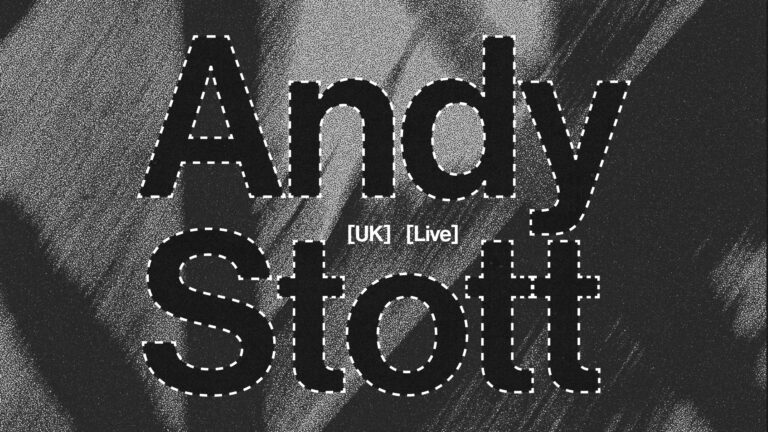
On démarre la série Dômesicle hivernale en force avec une soirée de techno hypnotique en compagnie de Measure Divide, fondateur du collectif électro torontois FORMAT, et les DJs locaux Mike Larry et Xia. Ça part. Measure Divide, pilier de la scène underground de Toronto depuis plus d’une décennie et fondateur du collectif FORMAT, livrera une techno détaillée, percutante, aux arrangements non conventionnels. Les DJs montréalais.e.s Mike Larry et Xia captiveront le dancefloor, l’un avec ses un set marathonien mêlant beats frénétiques et trance, l’autre avec son approche éclectique, éthérée et psychédélique. Une nuit de techno pure qui promet de vous transporter dans une autre dimension.

We’re kicking off the Dômesicle winter series in full force with a night of hypnotic techno featuring Measure Divide, founder of Toronto’s electro collective FORMAT, alongside local DJs Mike Larry and Xia. Let’s go! A pillar of Toronto’s underground scene for over a decade and founder of the FORMAT collective, Measure Divide will deliver intricate, hard-hitting techno with unconventional arrangements. Montreal-based DJs Mike Larry and Xia will captivate the dancefloor—Mike with his marathon set blending frenetic beats and trance, Xia with her eclectic, ethereal, and psychedelic approach. A night of pure techno that promises to transport you to another dimension.

Measure Divide

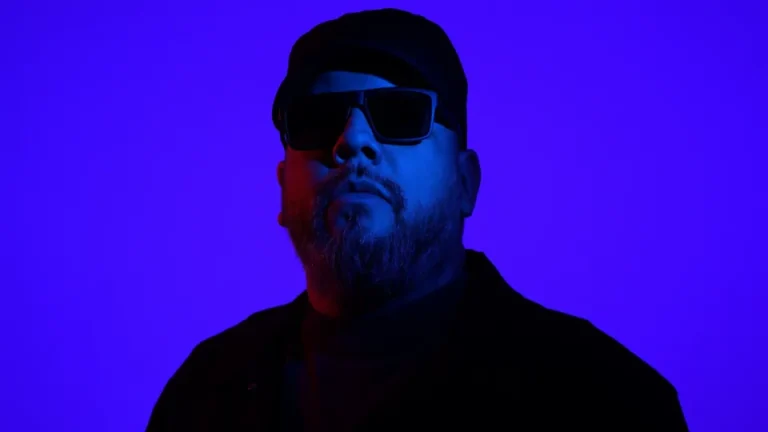
Né à Karachi, Fahad Ahmad, connu sous le nom de Measure Divide, s’est imposé comme une figure emblématique de la techno après avoir lancé son projet solo en 2012. En tant que figure clé de la scène électronique de Toronto, il a fondé la série d’événements FORMAT, qui a relancé la scène techno de la ville. Il s’est produit au Berghain, au Tresor, au Boiler Room, au Stereo et dans d’autres lieux influents. Grâce à FORMAT, il a accueilli et partagé la scène avec des artistes majeurs tels que Jeff Mills, Luke Slater, Stef Mendesidis et Blawan. En tant que producteur, Measure Divide conçoit lui-même presque tous les éléments de chaque morceau. Ses arrangements non conventionnels sont empreints de jeu et d’expérimentation, unis par un goût pour le crunch et la distorsion, et une attention sans faille aux détails.

Karachi-born Fahad Ahmad, known as Measure Divide, emerged as a distinctive techno voice after launching his solo project in 2012. Now a key figure in Toronto’s electronic music landscape, he founded the FORMAT event series, which single-handedly revived the city’s techno scene. He has performed at Berghain, Tresor, Boiler Room, Stereo and other influential venues, and through FORMAT, he has hosted and shared the stage with major artists including Jeff Mills, Luke Slater, Stef Mendesidis and Blawan. As a producer, Measure Divide designs nearly every element of each track himself. There is playfulness and experimentation in his unconventional arrangements, united by a fondness for crunch and distortion, and an unwavering attention to detail.

Mike Larry

Mike Larry est une figure clé de la scène techno underground montréalaise, connu pour ses sets énergiques et son lien profond avec la musique. Régulier du Stereo Montréal, il s’est également produit à l’international lors de l’ADE, du BPM Mexico et du Selectors Barcelona, partageant la scène avec des artistes tels que DVS1, Ben Klock, Freddy K et Adiel. Connu pour ses sets marathon qui durent souvent de 10 à 12 heures, il mélange des rythmes bruts et entraînants avec des mélodies hypnotiques, créant une expérience qui captive le public. Fondateur du collectif Ärder et du label Arder Records, il soutient les artistes techno émergents tout en explorant sa propre créativité, avec des sorties sur Arder Records, Blush Recordings, NYXII et d’autres labels.

Mike Larry is a key figure in Montreal’s underground techno scene, known for his energetic sets and deep connection to music. A regular at Stereo Montréal, he has also performed internationally at ADE, BPM Mexico and Selectors Barcelona, sharing the stage with artists such as DVS1, Ben Klock, Freddy K and Adiel. Known for marathon sets that often run 10 to 12 hours, he blends raw, driving beats with hypnotic melodies, creating an experience that keeps the crowd engaged. Founder of the Ärder collective and Arder Records, he supports emerging techno artists while exploring his own creativity, with releases on Arder Records, Blush Recordings, NYXII and other labels.

Xia

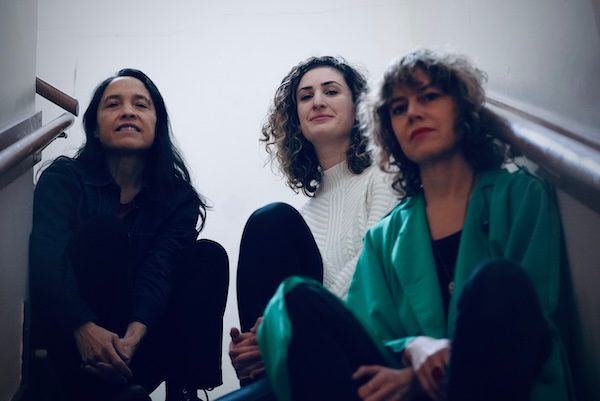
Inspirée par des éléments organiques et terreux, Xia mélange des sons métalliques et cassants. Son parcours musical mêle les genres, allant de la techno éthérée et psychédélique à des mélodies qui embrassent un chaos inattendu, tout en le rendant plus doux. Est-ce possible d’être trop éclectique? En tant que productrice émergente, elle a fait ses débuts avec un morceau sur le label Purr de Vel, présentant ses sons rêveurs, percussifs et presque intimes.

Driven by organic and earthy elements, Xia blends breaky, metal sounds. Her genre-blending journeys from ethereal, trippy techno to melodies that embrace unexpected chaos, yet make it gentle. Is it ever too eclectic? As an emergent producer, she debuted with a track on Vel’s label Purr, introducing her dreamy, percussive, almost intimate sounds.

POUR ACHETER VOTRE BILLET, C’EST ICI!

Ce contenu provient de la SAT et est adapté par PAN M 360

musique de jeux vidéo / Piano

NieR:Piano Concert – Journeys 12025 – à la Cinquième Salle

by Rédaction PAN M 360

Le récital officiel célébrant les quinze ans de la célèbre série de jeux NieR!
Conçu intégralement par les équipes de Square Enix Music et du compositeur Keiichi Okabe, NieR:Piano Concert – Journeys 12025 – vous invite à un voyage musical d’une rare intensité, mettant en lumière la puissance émotionnelle et évocatrice du piano. À travers des arrangements inédits, ce récital revisite les musiques iconiques de NieR:Automata, Re[in]carnation and NieR Replicant ver.1.22474487139…, sublimant leurs iconiques mélodies tout en exploitant les possibilités extraordinaires du piano virtuose et sa richesse expressive incomparable.
NieR:Piano Concert – Journeys 12025 – marque également le 15ᵉ anniversaire de la franchise avec un album spécial, produit et enregistré à Tokyo, au Japon, à l’occasion de la tournée. Cet opus, interprété par le pianiste Benyamin Nuss sous la supervision de l’équipe musicale des jeux et de Square Enix, offre une expérience sonore exceptionnelle. Une façon idéale de rendre hommage à l’une des séries de jeux vidéo les plus marquantes de notre époque, reconnue pour son engagement artistique et la qualité mondialement saluée de ses bandes originales.

The official recital celebrating the 15th anniversary of NieR game series!
Entirely conceived by the teams at Square Enix Music and composer Keiichi Okabe, NieR:Piano Concert ‐ Journeys 12025 ‐ invites you on an intense musical journey, highlighting the emotional and evocative power of the piano. Through brand-new arrangements, this recital revisits the iconic music from NieR:Automata, Re[in]carnation and NieR Replicant ver.1.22474487139…, elevating their renowned melodies while harnessing the extraordinary capabilities of the virtuoso piano and its unparalleled expressive range.
NieR:Piano Concert ‐ Journeys 12025 ‐ marks the franchise’s 15th anniversary with a special album, produced and recorded in Tokyo, Japan, at the occasion of the concert tour. This opus, performed by pianist Benyamin Nuss under the supervision of the NieR’s musical team and Square Enix, delivers an exceptional auditory experience. It’s the perfect way to celebrate one of the most iconic video game series of our time, celebrated for its artistic vision and the globally acclaimed quality of its soundtracks.

POUR ACHETER VOTRE BILLET, C’EST ICI!

Ce contenu provient de la Place des Arts et est adapté par PAN M 360

DJ set

Les Vendredis Shift Radio à la SAT

by Rédaction PAN M 360

Installée au Café SAT depuis juillet 2021, SHIFT RADIO propose tous les vendredis des DJ sets diffusés en direct. Les vendredis soir, le Café SAT se transforme en bar d’écoute! Joignez-vous à nous pour des apéros DJ sets avec vins nature et bières de microbrasserie.

Housed at Café SAT since July 2021, SHIFT RADIO offers live DJ sets every Friday. On Friday evenings, Café SAT transforms into a listening bar! Join us for apero DJ sets with natural wines and microbrewery beers.

PLUS DE DÉTAILS SUR LA PROGRAMMATION ICI!

Ce contenu provient de la Société des arts technologiques et est adapté par PAN M 360

classique / danse / post-romantique

Hommage à Vienne | Le concert du Nouvel An à la salle Wilfrid-Pelletier

by Rédaction PAN M 360

À l’occasion de son 30e anniversaire en Amérique du Nord, Hommage à Vienne – Le concert du Nouvel An revient à Montréal pour une saison commémorative exceptionnelle. Cette tradition annuelle très appréciée est un événement incontournable pour tous les amoureux de musique.
Hommage à Vienne – Le concert du Nouvel An est placé sous le signe de la musique enjouée, romantique et émouvante de Johann Strauss fils. Commémorez le 200e anniversaire de la naissance du célèbre compositeur avec une sélection d’ouvertures, d’arias et de duos exaltants reflétant l’essence de l’âge d’or de Vienne, dont l’incontournable valse du Beau Danube bleu.
Avec un grand spécialiste de la musique viennoise au pupitre, la musique intemporelle du Roi de la valse prend vie grâce aux performances des meilleurs chanteurs d’Europe, de danseurs de renommée internationale et d’un orchestre symphonique. Avec ses costumes élégants, ses motifs floraux chatoyants et les blagues du chef d’orchestre, cette tradition extrêmement appréciée permet de commencer la nouvelle année de la meilleure des manières.

Celebrating 30 years in North America, Salute to Vienna New Year’s Concert returns to Montréal for a dazzling anniversary season. This beloved annual tradition is an unmissable addition to every music-lover’s holiday wish list.
At the heart of Salute to Vienna New Year’s Concert is the richly festive, romantic, and soul-stirring music of Johann Strauss, Jr. Mark the 200th anniversary of the famed composer’s birth with a selection of soaring overtures, arias, and duets that capture the essence of Vienna’s Golden Age, including the Blue Danube Waltz. 
With a charming expert in Viennese music at the conductor’s podium, the Waltz King’s timeless music bursts to life in performances by some of Europe’s finest singers, internationally acclaimed dancers, and a full orchestra. With elegant costumes, bright floral designs, and even a joke or two from the conductor, this cherished tradition is the perfect way to waltz into the new year. 

POUR ACHETER VOTRE BILLET, C’EST ICI!

Ce contenu provient de la Place des Arts et est adapté par PAN M 360

classique / pop instrumentale

Velvet Snow and Flaming Snowflakes: Tribute to André Gagnon by The OM

by Frédéric Cardin

The Orchestre métropolitain’s tribute to André Gagnon’s album Neiges proves to be a successful endeavor, despite a few shortcomings. There were indeed a few pitfalls along the way, but although not all of them were overcome, the performance as a whole produced some moving moments.

In this type of project, we always start by asking ourselves what we are going to add and what we are going to leave out. Are we going to give a literal reading, albeit enhanced by the symphonic scale, or are we going to explore the unsuspected possibilities of the original scores in order to enhance their impact? Arranger François Vallières leaned toward the former option, while embracing the integral classicism of the orchestration, i.e., he eliminated the original electric instruments from Gagnon’s scores: the electric guitar and bass.

It was in the most iconic track influenced by disco, Wow, that the shortcoming I mentioned was most noticeable. The double basses failed to project the same sonic conviction as the electric bass on the album, in the famous riff played at the time by Jean-Guy Chapados. Perhaps a trick could be found to make it stand out more in an acoustic context. That said, we must still tip our hats to the OM double bassists for their technically impressive rendition of this very bouncy line.

In the same piece, there is another omission: the funky wah-wah guitar effects, which have not been translated. However, I would have imagined muted trumpets reproducing the effect in question correctly.

At this point, you probably think I didn’t enjoy the experience. That’s not the case. Beyond these somewhat nitpicky quibbles, I admit that the vast majority of the orchestrations allowed us to enjoy André Gagnon’s melodic richness, with added harmonic depth and even, occasionally, counterpoint. The Petit concerto for Carignan and orchestra, beautifully performed by the OM’s first violin for the “classical” portion, and traditional violinist David Boulanger for the “folk” section, had the effect of an impressive gust of wind, even if I would have liked an orchestra with more amplitude, adding depth of sound behind Boulanger’s whirlwind of notes.

L’Ouverture-éclair and Dédéthoven, for their part, took full advantage of the symphonic setting, even if the velvety orchestral sound tended to diminish the crystalline clarity of certain voices, which are very noticeable on the album. The excellent Julie Lamontagne, usually a jazz pianist, took charge of performing the first two pieces of the program on piano, thus finding herself responsible for setting the tone for the concert. I can’t give her a perfect score due to a few slight technical hiccups in Dédéthoven, but her excellent narrative sense and the breath she gave to her interpretations were greatly appreciated. She got the show off to an effective start. The other pianist, Rousso, mainly took care of the romantic portions, with the exception of his skillful reading of Ta Samba.

It was in the lyrical passages that Vallières’ orchestrations resonated most powerfully and Gagnon’s music seemed most moving, right up to the grandiose, even epic finale of the title piece Neiges, with its baroque arpeggios accompanied by the OM choir. A powerful and convincing conclusion to a tribute filled with beautiful emotions, but in need of refinement here and there in order to fully reach its expressive potential.

Neiges made up the first half of the concert. The second half featured a diverse collection of musical Christmas carols and festive tunes. Through warm renditions of classics such as Have Yourself A Merry Little Christmas and C’est l’hiver, and excerpts from two very accessible contemporary choral pieces (Magnificat by Taylor Scott Davis and Gloria by John Rutter), two little gems by Antoine Gratton were performed with all the fireworks they demanded and left a lasting impression on me.

The Concerto trad for David Boulanger is a flamboyant and all too brief exercise for a talented trad violinist, accompanied by an orchestra that asserts itself without overwhelming the soloist. Gratton knows how to use all kinds of tricks to make his scores interesting and avoid banality while remaining familiar. This is what he has brilliantly achieved in the other gem I mentioned, an arrangement of famous themes from children’s films popular during the holiday season, a sort of “Ciné-Cadeau Symphony” that ingeniously brings together snippets of well-known melodies from animated films such as Astérix and Lucky Luke, ending with a choral anthem based on the song L’amour a pris son temps, from La guerre des tuques.

I have often noted the quality of Gratton’s orchestrations. This fantasy on film themes, and especially the Concerto trad, convince me once again that the time has more than come to offer this symphonic artist the chance to present much more substantial material, such as a concerto of considerable length, or a complete and powerful symphonic work.

The concert ended on a sweet note with a rendition of Have Yourself a Merry Little Christmas, bringing almost everyone on stage together with the choir. There was no encore, but the audience seemed very satisfied. You have two more opportunities to experience it, on Sunday morning and afternoon.

INFO AND TICKETS (what’s left)

Other articles to check out:

Léa Moisan-Perrier : dans les souliers et avec la baguette d’André Gagnon
Dans les coulisses de Neiges d’André Gagnon, il y a 50 ans, avec le percussionniste Robert Leroux

classique / période romantique

OSM : Andrew Wan joue Sibelius

by Rédaction PAN M 360

Du premier frémissement d’une source jusqu’à l’éclat féerique d’un lac enchanté, ce concert suit une trajectoire aquatique bercée d’imaginaire. La Moldau de Smetana ouvre la voie : un fleuve naît, se faufile, s’amplifie et l’Orchestre chatoie de couleurs évoquant forêts, villages et courants vifs. Au centre du voyage, le Concerto pour violon de Sibelius surgit comme un torrent intérieur, où Andrew Wan déploie un lyrisme solitaire, ardent, sculpté par les silences et les élans. Après la création mondiale de Cassandra Miller, le parcours s’achève dans la Suite du Lac des cygnes de Tchaïkovski, éclatante d’étincelles orchestrales. Le fleuve devient lac : un lieu de magie, de danse et de lumière.

From the first shimmering of a spring to the magical brilliance of an enchanted lake, this concert traces an aquatic journey steeped in imagination. Smetana’s The Moldau sets the course: a river is born, winds its way, swells, and the orchestra sparkles with colors evoking forests, villages, and rushing currents. At the heart of the voyage, Sibelius’s Violin Concerto surges like an inner torrent, where Andrew Wan unfolds a solitary, ardent lyricism, sculpted by silences and soaring lines. After the world premiere of Cassandra Miller’s work, the journey concludes with Tchaikovsky’s Swan Lake Suite, dazzling with orchestral brilliance. The river becomes a lake—a realm of magic, dance, and light.

Programme

Bedřich Smetana, La Moldau (12 min)
Jean Sibelius, Concerto pour violon, op. 47 (35 min)
Cassandra Miller, création mondiale (25 min)
Piotr Ilitch Tchaïkovski, Le lac des cygnes (suite de ballet), op. 20 (22 min)

Program

Bedřich Smetana, The Moldau (12 min)
Jean Sibelius, Violin Concerto, op. 47 (35 min)
Cassandra Miller, World Premiere (25 min)
Pyotr Ilyitch Tchaikovsky, Swan Lake (Ballet Suite), op. 20 (22 min)

POUR ACHETER VOTRE BILLET, C’EST ICI!

Ce contenu provient de l’Orchestre symphonique de Montréal et est adapté par PAN M 360

classique / Contemporary / Piano

OSM : La dramatique Symphonie no 8 de Chostakovitch

by Rédaction PAN M 360

De l’insouciance de la jeunesse au long chemin de la résilience, ce programme met en contraste deux mondes : le Concerto pour piano et orchestre n° 2 de Rachmaninov où Alexander Gavrylyuk projette une énergie ardente, déploie une virtuosité vaste, expansive, dévorante, portée par une écriture orchestrale éblouissante et un finale en feu d’artifice. Plus tard, en 1943, la Symphonie n° 8 de Chostakovitch écrite au cœur des horreurs de la guerre est une musique de compassion, de résistance intérieure, une « épopée de la souffrance » où perce pourtant un fil d’espérance. Ce cri lucide contre la violence et la suprématie est un témoignage bouleversant de l’artiste face au réel. Entre effusion splendide et gravité nue, ce programme rappelle que la musique accompagne autant les instants exaltants que les heures sombres, offrant refuge, mémoire et horizon.

From the carefree spirit of youth to the long path of resilience, this program contrasts two worlds: Rachmaninoff, Concerto for piano and orchestra no. 2 where Alexander Gavrylyuk projects fiery energy, unleashes vast, expansive virtuosity, and ignites a finale like a fireworks display, all carried by dazzling orchestral writing. Later, in 1943, Shostakovich’s Symphony no. 8, composed in the midst of wartime horrors, becomes music of compassion and inner resistance—an “epic of suffering” through which a thread of hope still shines. This lucid cry against violence and supremacy stands as a moving testimony of the artist confronting reality. Between splendid effusion and stark gravity, this program reminds us that music accompanies both exalted moments and darkest hours, offering refuge, memory, and horizon.

Programme

Sergueï Rachmaninov, Concerto pour piano et orchestre nᵒ 2, op. 18
Dmitri Chostakovitch, Symphonie nᵒ 8, op. 65 (61 min.)

Program

Sergey Rachmaninoff, Concerto for piano and orchestra no. 2, op. 18
Dmitri Shostakovich, Symphony no. 8, op. 65

POUR ACHETER VOTRE BILLET, C’EST ICI!

Ce contenu provient de l’Orchestre symphonique de Montréal et est adapté par PAN M 360

classique / Opera

OSM : Don Giovanni, le chef d’œuvre de Mozart

by Rédaction PAN M 360

Dans Don Giovanni, Mozart et Da Ponte explorent la légende de Don Juan à travers un jeu constant d’ombres et de lumières : le charme irrésistible du séducteur se mêle à une inquiétude qui grandit jusqu’à la damnation finale. Cette tension entre comédie et tragédie, si caractéristique de l’œuvre, révèle une vision profondément humaine, nourrie de symboles et d’idéaux chers au compositeur. En version concert, sous la direction de Rafael Payare, l’architecture dramatique apparaît avec une clarté saisissante : chaque contraste, chaque rebond, chaque éclat orchestral souligne la fuite en avant d’un héros emporté par sa propre démesure. Entre séduction, vertige moral et fulgurances expressives, Don Giovanni demeure un miroir fascinant de nos contradictions.

In Don Giovanni, Mozart and Da Ponte explore the legend of Don Juan through a constant interplay of shadow and light: the seducer’s irresistible charm mingles with a growing unease that leads to his final damnation. This tension between comedy and tragedy—so characteristic of the work—reveals a profoundly human vision, rich in symbols and ideals dear to the composer. In concert version, under Rafael Payare’s direction, the dramatic architecture emerges with striking clarity: every contrast, every twist, every orchestral flash underscores the headlong rush of a hero consumed by his own excess. Between seduction, moral vertigo, and dazzling expressiveness, Don Giovanni remains a fascinating mirror of our contradictions.

Programme/program

Wolfgang Amadeus Mozart, Don Giovanni, K. 527

POUR ACHETER VOTRE BILLET, C’EST ICI!

Ce contenu provient de l’Orchestre symphonique de Montréal et est adapté par PAN M 360

classique / jeunesse / période romantique

OSM : OSMose

by Rédaction PAN M 360

Découvrez l’orchestre symphonique, ses familles d’instruments et la manière dont la musique génère des émotions en nous. Ce concert, conçu comme une performance relaxée, permettra aux petits comme aux grands de vivre une expérience musicale inclusive respectant les besoins particuliers de chacun.

Discover the symphony orchestra, its instrument families, and how music evokes emotion in a relaxed, inclusive concert designed for audiences of all ages and needs.

Programme

Sergueï Prokofiev, Pierre et le loup, op. 67 (extrait)
Nikolaï Rimski-Korsakov, Shéhérazade, Suite symphonique, op. 35 (extrait)
Maurice Ravel, Boléro (extrait)
Claude Debussy, Children’s Corner (extrait)
Edvard Grieg, Peer Gynt (extrait)
Sergueï Prokofiev, Roméo et Juliette, Suite (extrait)

Program

Sergei Prokofiev, Peter and the Wolf, op. 67 (excerpt)
Nikolai Rimsky-Korsakov, Sheherazade, Symphonic Suite, op. 35 (excerpt)
Maurice Ravel, Boléro (excerpt)
Claude Debussy, Children’s Corner (excerpt)
Edvard Grieg, Peer Gynt (excerpt)
Sergei Prokofiev, Romeo and Juliet, Suite (excerpt)

POUR ACHETER VOTRE BILLET, C’EST ICI!

Ce contenu provient de l’Orchestre symphonique de Montréal et est adapté par PAN M 360

classique / post-romantique

OSM : Payare dirige Poulenc et Sibelius

by Rédaction PAN M 360

Deux voix de la modernité se rencontrent ici : Poulenc et Sibelius, chacun ancré dans son époque, mais profondément attentif à l’héritage du passé. Ainsi, le Concerto pour orgue de Poulenc, que Jean-Willy Kunz incarne avec une intensité méditative, mêle solennité baroque et fulgurances du XXe siècle. Cette même tension féconde irrigue la Symphonie n° 2 de Sibelius, où le romantisme affleure sous une écriture audacieusement épurée. En prélude, l’Ouverture n° 2 d’Emilie Mayer agit comme un trait d’union : un romantisme affirmé, pont germanique entre les couleurs françaises et finlandaises, déjà porté par une voix singulière qui se projette vers l’avenir.

Two voices of modernity meet here: Poulenc and Sibelius—each firmly rooted in their time, yet deeply attuned to the legacy of the past. Poulenc’s Organ Concerto, brought to life by Jean-Willy Kunz with meditative intensity, blends baroque solemnity with flashes of 20th-century brilliance. That same fertile tension runs through Sibelius’s Symphony no. 2, where Romantic warmth emerges beneath a boldly pared-down style. As a prelude, Emilie Mayer’s Overture no. 2 acts as a bridge: a confident Romantic voice, a German link between French and Finnish colors, already projecting toward the future.

Programme

Emilie Mayer, Ouverture nᵒ 2 (10 min)
Francis Poulenc, Concerto pour orgue, cordes et timbales, FP 93 (24 min)
Jean Sibelius, Symphonie nᵒ 2, op.43 (43 min)

Program

Emilie Mayer, Overture no. 2 (10 min)
Francis Poulenc, Organ Concerto, FP 93 (24 min)
Jean Sibelius, Symphony no. 2, op. 43 (43 min)

POUR ACHETER VOTRE BILLET, C’EST ICI!

Ce contenu provient de l’Orchestre symphonique de Montréal et est adapté par PAN M 360

classique / période romantique / Piano

OSM : Voyage nordique avec Osmo Vänskä

by Rédaction PAN M 360

Entre Brahms et Nielsen, un fil invisible relie deux visions du romantisme : la rigueur du premier, la modernité inquiète du second. Avec le Concerto pour piano n° 2, Brahms sculpte une musique d’architecture classique et d’émotion contenue, que Garrick Ohlsson déploie avec noblesse et clarté. De son côté, la Symphonie n° 5 de Carl Nielsen est une œuvre tendue, traversée de conflits et de silences, miroir des déchirements du XXe siècle naissant. Héritier du souffle brahmsien, Nielsen en pousse les limites jusqu’à l’urgence et la quête de lumière. Sous la direction d’Osmo Vänskä, l’OSM fait dialoguer classicisme et modernité, paix et tumulte, dans un concert d’une intensité saisissante.

Between Brahms and Nielsen runs an invisible thread linking two visions of Romanticism: the rigor of the former, the restless modernity of the latter. With his Piano Concerto no. 2, Brahms sculpts music of classical architecture and restrained emotion, which Garrick Ohlsson unfolds with nobility and clarity. Nielsen’s Symphony no. 5, by contrast, is taut and turbulent, pierced by conflicts and silences—a mirror of the fractures of the early 20th century. Inheriting the Brahmsian spirit, Nielsen pushes its limits toward urgency and a quest for light. Under Osmo Vänskä’s direction, the OSM brings classicism and modernity, peace and tumult, into dialogue in a concert of striking intensity.

Programme

Johannes Brahms, Concerto pour piano nᵒ 2, op. 83 (46 min)
Carl Nielsen, Symphonie nᵒ 5, op. 50 (34 min)

Program

Johannes Brahms, Piano Concerto no. 2, op. 83 (46 min)
Carl Nielsen, Symphony no. 5, op. 50 (34 min)

POUR ACHETER VOTRE BILLET, C’EST ICI!

Ce contenu provient de l’Orchestre symphonique de Montréal et est adapté par PAN M 360

pop symphonique / trad québécois

OSM : Tradition des fêtes avec Le Vent du Nord

by Rédaction PAN M 360

Après le franc succès de sa dernière visite et pour célébrer ses 25 ans, Le Vent du Nord souffle à nouveau sur la Maison symphonique pour enchanter l’hiver avec ses airs entrainants, reels, gigues et ses rythmes de musique traditionnelle dans un concert symphonique qui leur est pleinement dédié. Les mots d’ordre de la soirée? Convivialité, festivité et chaleur! Venez vivre l’expérience aux côtés de ce groupe mythique, retraçant une rétrospective de leurs albums — avec quelques surprises inédites pour l’occasion dans la salle qui sera, le temps d’un soir, un véritable Chalet symphonique. Soirée Festive! La Maison symphonique revêtira ses plus beaux décors pour célébrer le temps des fêtes. Restez après le concert pour profiter de la piste de danse et de musique live!

Following the huge success of their last visit and in celebration of their 25th anniversary, Le Vent du Nord returns to the Maison symphonique to bring cheer to winter with their spirited tunes, reels, jigs, and the vibrant rhythms of traditional Quebec music, all in a symphonic concert dedicated entirely to them. The theme of the evening? Joy, festivity, and warmth! Join this iconic group for a musical journey through their greatest albums—plus a few exclusive surprises—inside a hall transformed for one night into a true Symphonic Chalet. Late-Night concert! The Maison symphonique will be decorated at its finest to celebrate the holiday season. Stick around after the concert to hit the dance floor and enjoy live music!

POUR ACHETER VOTRE BILLET, C’EST ICI!

Ce contenu provient de l’Orchestre symphonique de Montréal et est adapté par PAN M 360

Subscribe to our newsletter

Inscription
Infolettre

"*" indicates required fields

Type of Suscribers