classique / période romantique

OSM : Andrew Wan joue Sibelius

by Rédaction PAN M 360

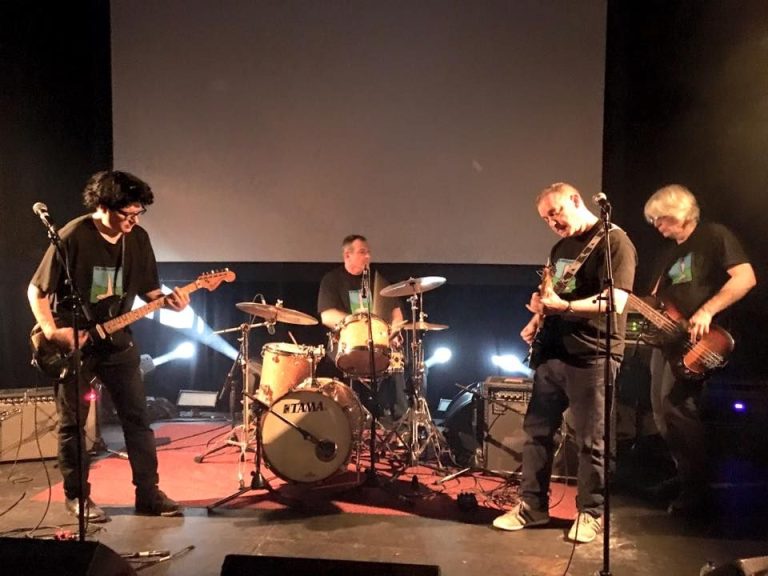
Du premier frémissement d’une source jusqu’à l’éclat féerique d’un lac enchanté, ce concert suit une trajectoire aquatique bercée d’imaginaire. La Moldau de Smetana ouvre la voie : un fleuve naît, se faufile, s’amplifie et l’Orchestre chatoie de couleurs évoquant forêts, villages et courants vifs. Au centre du voyage, le Concerto pour violon de Sibelius surgit comme un torrent intérieur, où Andrew Wan déploie un lyrisme solitaire, ardent, sculpté par les silences et les élans. Après la création mondiale de Cassandra Miller, le parcours s’achève dans la Suite du Lac des cygnes de Tchaïkovski, éclatante d’étincelles orchestrales. Le fleuve devient lac : un lieu de magie, de danse et de lumière.

From the first shimmering of a spring to the magical brilliance of an enchanted lake, this concert traces an aquatic journey steeped in imagination. Smetana’s The Moldau sets the course: a river is born, winds its way, swells, and the orchestra sparkles with colors evoking forests, villages, and rushing currents. At the heart of the voyage, Sibelius’s Violin Concerto surges like an inner torrent, where Andrew Wan unfolds a solitary, ardent lyricism, sculpted by silences and soaring lines. After the world premiere of Cassandra Miller’s work, the journey concludes with Tchaikovsky’s Swan Lake Suite, dazzling with orchestral brilliance. The river becomes a lake—a realm of magic, dance, and light.

Programme

Bedřich Smetana, La Moldau (12 min)
Jean Sibelius, Concerto pour violon, op. 47 (35 min)
Cassandra Miller, création mondiale (25 min)
Piotr Ilitch Tchaïkovski, Le lac des cygnes (suite de ballet), op. 20 (22 min)

Program

Bedřich Smetana, The Moldau (12 min)
Jean Sibelius, Violin Concerto, op. 47 (35 min)
Cassandra Miller, World Premiere (25 min)
Pyotr Ilyitch Tchaikovsky, Swan Lake (Ballet Suite), op. 20 (22 min)

POUR ACHETER VOTRE BILLET, C’EST ICI!

Ce contenu provient de l’Orchestre symphonique de Montréal et est adapté par PAN M 360
classique / Contemporary / Piano

OSM : La dramatique Symphonie no 8 de Chostakovitch

by Rédaction PAN M 360

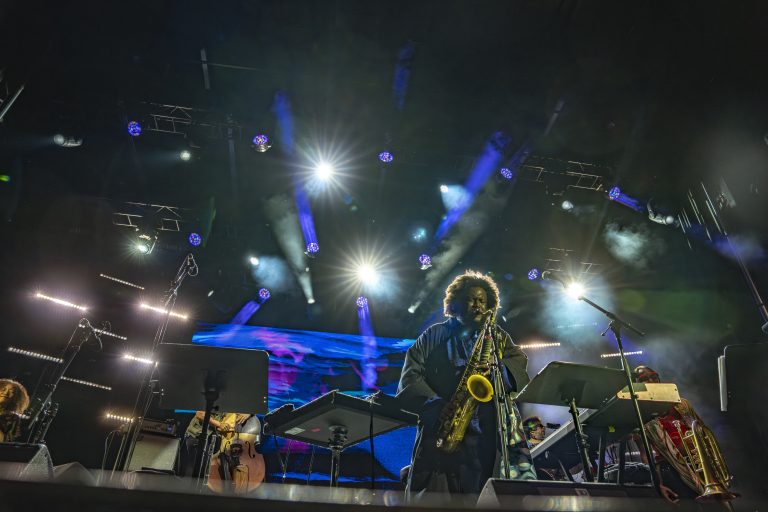
De l’insouciance de la jeunesse au long chemin de la résilience, ce programme met en contraste deux mondes : le Concerto pour piano et orchestre n° 2 de Rachmaninov où Alexander Gavrylyuk projette une énergie ardente, déploie une virtuosité vaste, expansive, dévorante, portée par une écriture orchestrale éblouissante et un finale en feu d’artifice. Plus tard, en 1943, la Symphonie n° 8 de Chostakovitch écrite au cœur des horreurs de la guerre est une musique de compassion, de résistance intérieure, une « épopée de la souffrance » où perce pourtant un fil d’espérance. Ce cri lucide contre la violence et la suprématie est un témoignage bouleversant de l’artiste face au réel. Entre effusion splendide et gravité nue, ce programme rappelle que la musique accompagne autant les instants exaltants que les heures sombres, offrant refuge, mémoire et horizon.

From the carefree spirit of youth to the long path of resilience, this program contrasts two worlds: Rachmaninoff, Concerto for piano and orchestra no. 2 where Alexander Gavrylyuk projects fiery energy, unleashes vast, expansive virtuosity, and ignites a finale like a fireworks display, all carried by dazzling orchestral writing. Later, in 1943, Shostakovich’s Symphony no. 8, composed in the midst of wartime horrors, becomes music of compassion and inner resistance—an “epic of suffering” through which a thread of hope still shines. This lucid cry against violence and supremacy stands as a moving testimony of the artist confronting reality. Between splendid effusion and stark gravity, this program reminds us that music accompanies both exalted moments and darkest hours, offering refuge, memory, and horizon.

Programme

Sergueï Rachmaninov, Concerto pour piano et orchestre nᵒ 2, op. 18
Dmitri Chostakovitch, Symphonie nᵒ 8, op. 65 (61 min.)

Program

Sergey Rachmaninoff, Concerto for piano and orchestra no. 2, op. 18
Dmitri Shostakovich, Symphony no. 8, op. 65

POUR ACHETER VOTRE BILLET, C’EST ICI!

Ce contenu provient de l’Orchestre symphonique de Montréal et est adapté par PAN M 360
classique / Opera

OSM : Don Giovanni, le chef d’œuvre de Mozart

by Rédaction PAN M 360

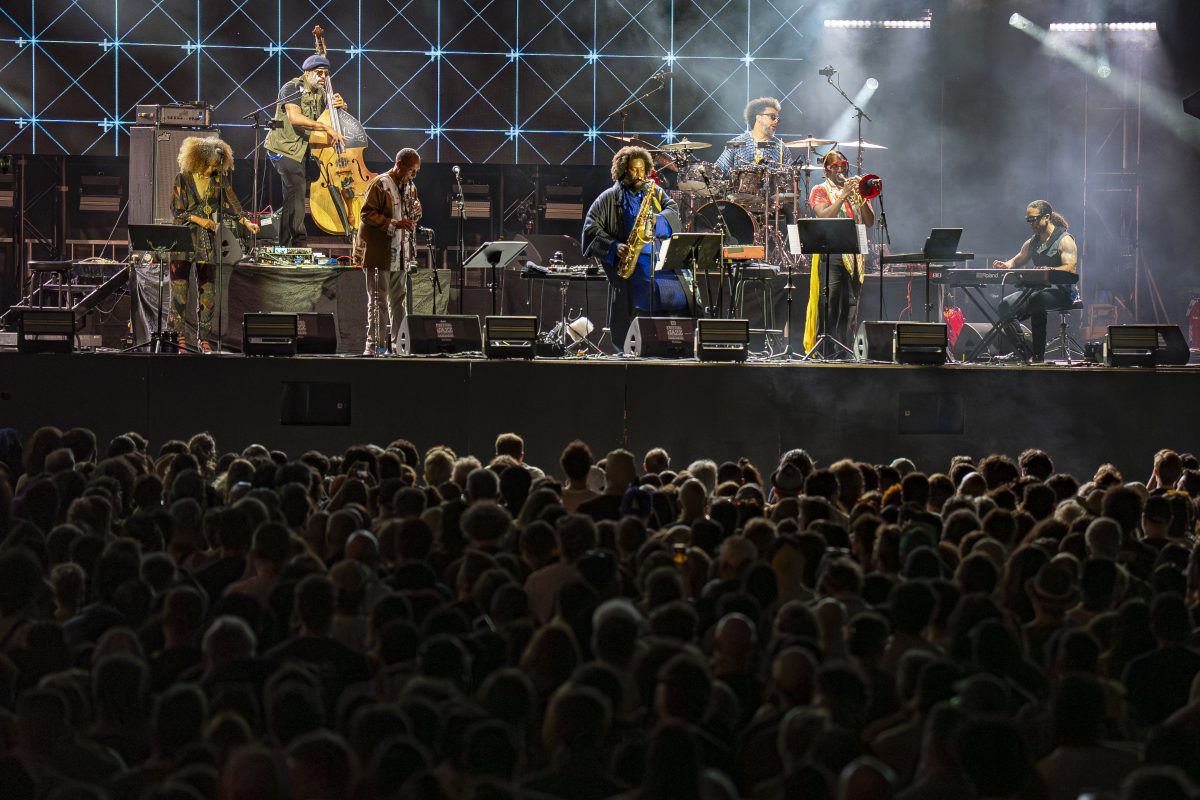
Dans Don Giovanni, Mozart et Da Ponte explorent la légende de Don Juan à travers un jeu constant d’ombres et de lumières : le charme irrésistible du séducteur se mêle à une inquiétude qui grandit jusqu’à la damnation finale. Cette tension entre comédie et tragédie, si caractéristique de l’œuvre, révèle une vision profondément humaine, nourrie de symboles et d’idéaux chers au compositeur. En version concert, sous la direction de Rafael Payare, l’architecture dramatique apparaît avec une clarté saisissante : chaque contraste, chaque rebond, chaque éclat orchestral souligne la fuite en avant d’un héros emporté par sa propre démesure. Entre séduction, vertige moral et fulgurances expressives, Don Giovanni demeure un miroir fascinant de nos contradictions.

In Don Giovanni, Mozart and Da Ponte explore the legend of Don Juan through a constant interplay of shadow and light: the seducer’s irresistible charm mingles with a growing unease that leads to his final damnation. This tension between comedy and tragedy—so characteristic of the work—reveals a profoundly human vision, rich in symbols and ideals dear to the composer. In concert version, under Rafael Payare’s direction, the dramatic architecture emerges with striking clarity: every contrast, every twist, every orchestral flash underscores the headlong rush of a hero consumed by his own excess. Between seduction, moral vertigo, and dazzling expressiveness, Don Giovanni remains a fascinating mirror of our contradictions.

Programme/program

Wolfgang Amadeus Mozart, Don Giovanni, K. 527

POUR ACHETER VOTRE BILLET, C’EST ICI!

Ce contenu provient de l’Orchestre symphonique de Montréal et est adapté par PAN M 360

classique / jeunesse / période romantique

OSM : OSMose

by Rédaction PAN M 360

Découvrez l’orchestre symphonique, ses familles d’instruments et la manière dont la musique génère des émotions en nous. Ce concert, conçu comme une performance relaxée, permettra aux petits comme aux grands de vivre une expérience musicale inclusive respectant les besoins particuliers de chacun.

Discover the symphony orchestra, its instrument families, and how music evokes emotion in a relaxed, inclusive concert designed for audiences of all ages and needs.

Programme

Sergueï Prokofiev, Pierre et le loup, op. 67 (extrait)
Nikolaï Rimski-Korsakov, Shéhérazade, Suite symphonique, op. 35 (extrait)
Maurice Ravel, Boléro (extrait)
Claude Debussy, Children’s Corner (extrait)
Edvard Grieg, Peer Gynt (extrait)
Sergueï Prokofiev, Roméo et Juliette, Suite (extrait)

Program

Sergei Prokofiev, Peter and the Wolf, op. 67 (excerpt)
Nikolai Rimsky-Korsakov, Sheherazade, Symphonic Suite, op. 35 (excerpt)
Maurice Ravel, Boléro (excerpt)
Claude Debussy, Children’s Corner (excerpt)
Edvard Grieg, Peer Gynt (excerpt)
Sergei Prokofiev, Romeo and Juliet, Suite (excerpt)

POUR ACHETER VOTRE BILLET, C’EST ICI!

Ce contenu provient de l’Orchestre symphonique de Montréal et est adapté par PAN M 360

classique / post-romantique

OSM : Payare dirige Poulenc et Sibelius

by Rédaction PAN M 360

Deux voix de la modernité se rencontrent ici : Poulenc et Sibelius, chacun ancré dans son époque, mais profondément attentif à l’héritage du passé. Ainsi, le Concerto pour orgue de Poulenc, que Jean-Willy Kunz incarne avec une intensité méditative, mêle solennité baroque et fulgurances du XXe siècle. Cette même tension féconde irrigue la Symphonie n° 2 de Sibelius, où le romantisme affleure sous une écriture audacieusement épurée. En prélude, l’Ouverture n° 2 d’Emilie Mayer agit comme un trait d’union : un romantisme affirmé, pont germanique entre les couleurs françaises et finlandaises, déjà porté par une voix singulière qui se projette vers l’avenir.

Two voices of modernity meet here: Poulenc and Sibelius—each firmly rooted in their time, yet deeply attuned to the legacy of the past. Poulenc’s Organ Concerto, brought to life by Jean-Willy Kunz with meditative intensity, blends baroque solemnity with flashes of 20th-century brilliance. That same fertile tension runs through Sibelius’s Symphony no. 2, where Romantic warmth emerges beneath a boldly pared-down style. As a prelude, Emilie Mayer’s Overture no. 2 acts as a bridge: a confident Romantic voice, a German link between French and Finnish colors, already projecting toward the future.

Programme

Emilie Mayer, Ouverture nᵒ 2 (10 min)
Francis Poulenc, Concerto pour orgue, cordes et timbales, FP 93 (24 min)
Jean Sibelius, Symphonie nᵒ 2, op.43 (43 min)

Program

Emilie Mayer, Overture no. 2 (10 min)
Francis Poulenc, Organ Concerto, FP 93 (24 min)
Jean Sibelius, Symphony no. 2, op. 43 (43 min)

POUR ACHETER VOTRE BILLET, C’EST ICI!

Ce contenu provient de l’Orchestre symphonique de Montréal et est adapté par PAN M 360

classique / période romantique / Piano

OSM : Voyage nordique avec Osmo Vänskä

by Rédaction PAN M 360

Entre Brahms et Nielsen, un fil invisible relie deux visions du romantisme : la rigueur du premier, la modernité inquiète du second. Avec le Concerto pour piano n° 2, Brahms sculpte une musique d’architecture classique et d’émotion contenue, que Garrick Ohlsson déploie avec noblesse et clarté. De son côté, la Symphonie n° 5 de Carl Nielsen est une œuvre tendue, traversée de conflits et de silences, miroir des déchirements du XXe siècle naissant. Héritier du souffle brahmsien, Nielsen en pousse les limites jusqu’à l’urgence et la quête de lumière. Sous la direction d’Osmo Vänskä, l’OSM fait dialoguer classicisme et modernité, paix et tumulte, dans un concert d’une intensité saisissante.

Between Brahms and Nielsen runs an invisible thread linking two visions of Romanticism: the rigor of the former, the restless modernity of the latter. With his Piano Concerto no. 2, Brahms sculpts music of classical architecture and restrained emotion, which Garrick Ohlsson unfolds with nobility and clarity. Nielsen’s Symphony no. 5, by contrast, is taut and turbulent, pierced by conflicts and silences—a mirror of the fractures of the early 20th century. Inheriting the Brahmsian spirit, Nielsen pushes its limits toward urgency and a quest for light. Under Osmo Vänskä’s direction, the OSM brings classicism and modernity, peace and tumult, into dialogue in a concert of striking intensity.

Programme

Johannes Brahms, Concerto pour piano nᵒ 2, op. 83 (46 min)
Carl Nielsen, Symphonie nᵒ 5, op. 50 (34 min)

Program

Johannes Brahms, Piano Concerto no. 2, op. 83 (46 min)
Carl Nielsen, Symphony no. 5, op. 50 (34 min)

POUR ACHETER VOTRE BILLET, C’EST ICI!

Ce contenu provient de l’Orchestre symphonique de Montréal et est adapté par PAN M 360

pop symphonique / trad québécois

OSM : Tradition des fêtes avec Le Vent du Nord

by Rédaction PAN M 360

Après le franc succès de sa dernière visite et pour célébrer ses 25 ans, Le Vent du Nord souffle à nouveau sur la Maison symphonique pour enchanter l’hiver avec ses airs entrainants, reels, gigues et ses rythmes de musique traditionnelle dans un concert symphonique qui leur est pleinement dédié. Les mots d’ordre de la soirée? Convivialité, festivité et chaleur! Venez vivre l’expérience aux côtés de ce groupe mythique, retraçant une rétrospective de leurs albums — avec quelques surprises inédites pour l’occasion dans la salle qui sera, le temps d’un soir, un véritable Chalet symphonique. Soirée Festive! La Maison symphonique revêtira ses plus beaux décors pour célébrer le temps des fêtes. Restez après le concert pour profiter de la piste de danse et de musique live!

Following the huge success of their last visit and in celebration of their 25th anniversary, Le Vent du Nord returns to the Maison symphonique to bring cheer to winter with their spirited tunes, reels, jigs, and the vibrant rhythms of traditional Quebec music, all in a symphonic concert dedicated entirely to them. The theme of the evening? Joy, festivity, and warmth! Join this iconic group for a musical journey through their greatest albums—plus a few exclusive surprises—inside a hall transformed for one night into a true Symphonic Chalet. Late-Night concert! The Maison symphonique will be decorated at its finest to celebrate the holiday season. Stick around after the concert to hit the dance floor and enjoy live music!

POUR ACHETER VOTRE BILLET, C’EST ICI!

Ce contenu provient de l’Orchestre symphonique de Montréal et est adapté par PAN M 360

Baroque / classique / noël

OSM : L’Oratorio de Noël de Bach par Nagano

by Rédaction PAN M 360

Imaginez Leipzig au cœur de l’hiver 1734 : une fine couche de neige tapisse les rues pavées, les cloches sonnent, la foule se presse dans l’église Saint-Thomas, impatiente d’entendre l’Oratorio de Noël de Johann Sebastian Bach. À la lumière des chandelles, le chœur, les trompettes et les timbales s’unissent pour célébrer la joie de la Nativité. Près de trois siècles plus tard, cette ferveur renaît avec les trois premières cantates – Jauchzet, frohlocket!, Und es waren Hirten, Herrscher des Himmels – interprétées par l’Orchestre et le Chœur de l’OSM aux côtés de quatre solistes renommés. Sous la direction inspirée de Kent Nagano, ce moment de grâce marque aussi le 20e anniversaire du Festival International Bach Montréal. Un concert lumineux, empreint de recueillement et de jubilation : un Noël comme au temps de Bach!

Imagine Leipzig in the winter of 1734: a fine layer of snow blankets the cobblestone streets, bells ring out, and crowds gather at St. Thomas Church, eager to hear Johann Sebastian Bach’s Christmas Oratorio. By candlelight, choir, trumpets, and timpani unite to celebrate the joy of the Nativity. Nearly three centuries later, that fervor is reborn with the first three cantatas—Jauchzet, frohlocket!, Und es waren Hirten, Herrscher des Himmels—performed by the OSM Orchestra and Chorus alongside four renowned soloists. Under Kent Nagano’s inspired direction, this moment of grace also marks the 20th anniversary of the Festival International Bach Montreal. A luminous concert, steeped in reverence and jubilation: Christmas as in Bach’s time!

Programme/program

Johann Sebastian Bach, Oratorio de Noël/Christmas Oratorio, BWV 248
Cantata I: Jauchzet, frlohlocket!
Cantata II: Und es waren Hirten in derselben Gegend
Cantata III: Herrscher des Himmels
Cantata VI : Herr, wenn die stolzen Feinde schauben

POUR ACHETER VOTRE BILLET, C’EST ICI!

Ce contenu provient de l’Orchestre symphonique de Montréal et est adapté par PAN M 360
musique de film / orchestre

OSM : Superhéros & vilains symphoniques

by Rédaction PAN M 360

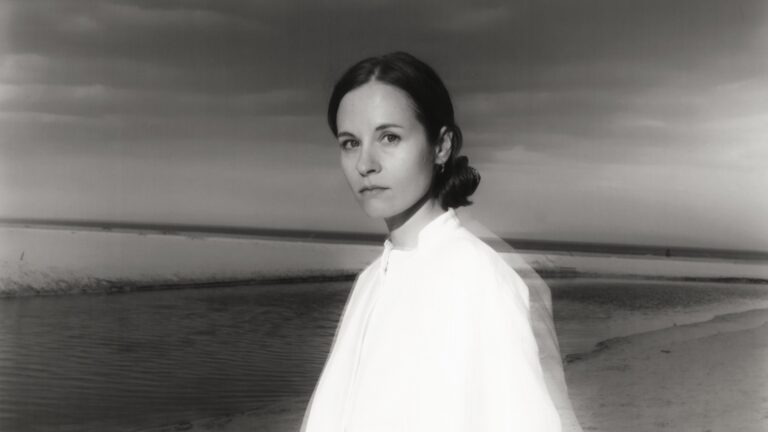
« C’est un oiseau? C’est un avion? Non, c’est l’Orchestre symphonique de Montréal! » Enfilez votre masque et votre cape, le devoir vous appelle pour un concert tout en costumes et super-pouvoirs! Venez écouter cette rétrospective ludique, épique et époustouflante des thèmes de super-héros et vilains (Batman, Superman, Spiderman), des versions iconiques des années 1960 aux orchestrations et compositions symphoniques dignes des plus grosses productions hollywoodiennes, en passant par des incontournables de la musique classique. Soirée festive! Enfilez vos costumes et restez après le concert pour profiter d’ambiances et d’animations diverses en lien avec la thématique du concert.

“It’s a bird! It’s a plane! No, it’s the Orchestre symphonique de Montréal!” Put on your mask and cape—the call of duty awaits for a concert filled with costumes and superpowers! Come and enjoy this playful, epic, and breathtaking retrospective of superhero and villain themes, from iconic versions of the 1960s to symphonic orchestrations and compositions worthy of the biggest Hollywood productions, with a few classical music essentials along the way. Late-Night concert! Put on your costumes and stay after the concert to enjoy various atmospheres and activities related to the concert’s theme.

Programme/program

Danny Elfman, Batman Suite (1989) (arr. Steve Bartek, Christopher Bankey) (3 min)
John Ottman/John Williams, Superman Returns Suite (2006) (8 min)
Danny Elfman, Spiderman 2 Suite (arr. John Wasson) (2004) (5 min)
Hans Zimmer, The Dark Knight Suite (2008) (arr. James Newton Howard) (6 min)

POUR ACHETER VOTRE BILLET, C’EST ICI!

Ce contenu provient de l’Orchestre symphonique de Montréal et est adapté par PAN M 360
A Cappella / classic rock / hommage

Beatles a cappella à la Maison symphonique

by Rédaction PAN M 360

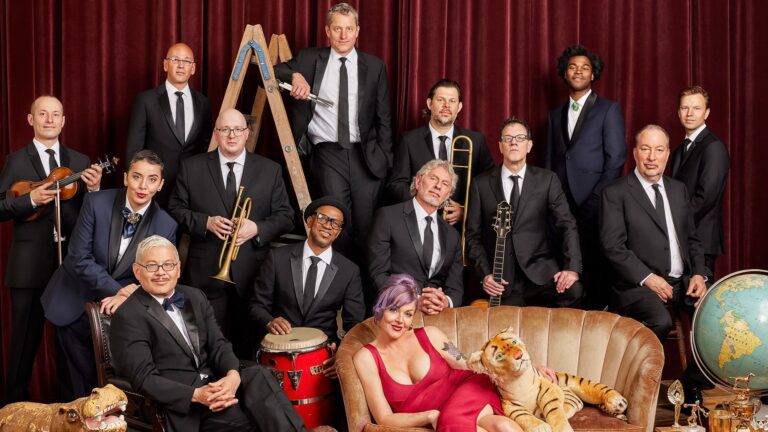
Laissez-vous emporter par Ensemble ArtChoral dans un hommage a cappella électrisant aux Fab Four, revisitant leurs plus grands succès avec la magie des voix humaines. Sous la direction inspirée de Matthias Maute, ce concert fait briller les harmonies et l’héritage des Beatles sous un jour inédit.

Join Ensemble ArtChoral for a vibrant a cappella tribute to the Fab Four, reimagining their greatest hits with the power of the human voice. Under the inspired direction of Matthias Maute, this concert celebrates the timeless melodies, harmonies, and spirit of The Beatles in a whole new way.

POUR ACHETER VOTRE BILLET, C’EST ICI!

Ce contenu provient de la Place des Arts et est adapté par PAN M 360

classique / post-romantique

Grieg, soleil nordique à la Maison symphonique

by Rédaction PAN M 360

Les plus belles musiques du compositeur norvégien sont illuminées par l’interprétation de la pianiste Michelle Cann, récipiendaire d’un Prix Grammy, et de la cheffe Lina Gonzalez-Granados. Dès les premiers accords de son Concerto pour piano, Grieg fait savoir au public qu’il s’apprête à entendre une œuvre hors du commun. Par cet appel d’accords descendants devenu célébrissime, la formidable pianiste Michelle Cann capte l’attention en un instant. Mais avant tout, la cheffe Lina Gonzalez-Granados met la table avec la fameuse Suite de Peer Gynt du même compositeur et l’Ouverture en ré mineur de la Croate Dora Pejačević. Dans sa Symphonie no 2, le Danois Carl Nielsen s’inspire d’un courant de la psychologie selon lequel on pourrait diviser les personnalités en quatre tempéraments. Chaque mouvement de l’œuvre est inspiré par l’un d’eux. La fougue du colérique, la nonchalance du flegmatique, les tourments du mélancolique et l’assurance du sanguin se succèdent en utilisant toute la palette des couleurs orchestrales.

The Norwegian composer’s finest music is illuminated by Grammy Award-winning pianist Michelle Cann and conductor Lina Gonzalez-Granados. In the opening chords of his Piano Concerto, Grieg informs the audience that something extraordinary is about to unfold. With the iconic descending chordal motif, the formidable pianist Michelle Cann seizes attention in an instant. But first, conductor Lina Gonzalez-Granados sets the stage with Grieg’s famous Peer Gynt Suite and the stirring Overture in D Minor by Croatian composer Dora Pejačević. In his Symphony No. 2, Danish composer Carl Nielsen drew inspiration from the psychological theory of the four temperaments. Each movement reflects one of these personality types—the fiery passion of the choleric, the nonchalance of the phlegmatic, the torment of the melancholic, and the confidence of the sanguine—all brought to life through the full palette of orchestral colours.

POUR ACHETER VOTRE BILLET, C’EST ICI!

Ce contenu provient de la Place des Arts et est adapté par PAN M 360
Latin Jazz / latino

UdM World Music Ensemble: A Good Vintage, Born in The Cold

by Frédéric Cardin

At the end of each semester, the University of Montreal’s world music ensemble, under the direction of Julian Gutierrez Vinardell, presents the work of the program’s students. If you’re looking for a good, free Latin music concert (Vinardell’s specialty), featuring respectable performances of salsa, merengue, cha-cha-cha, and other classic Latin rhythms, all heavily influenced by jazz, you should add this group’s concerts to your calendar.

Last night was the end-of-fall session concert, with Julian Gutierrez Vinardell tasked with offsetting the early darkness and the (also early!) chill with good cheer, sunshine, and warmth. He succeeded rather well, playing the role of an effective, yet thankfully restrained, entertainer. The young musicians (with the exception of two additional veterans on trumpet and percussion) readily grasped the fluid nature of Latin rhythms in a program consisting of two Vinardell compositions, a traditional Dominican tune, several songs arranged for the occasion, and a version of Michel Legrand’s “La valse des lilas.”

I noticed the fine performances of David Gareau on vocals and Raphaël Labonté-Mathieu on piano. The former for his seductive timbre, his ease with Spanish and Latin rhythmic legato, the latter for beautiful improvisational and jazzy flourishes.

An evening that pleasantly warmed the vast and rather formal space of the Claude-Champagne hall, which was, incidentally, quite sparsely attended. On that note, I wonder if it wouldn’t be more interesting to offer this kind of concert in a more suitable venue like the Balattou or the Sala Rossa? The efficiency and proximity of the musicians greatly enhance the performance.

In any case, another program will be offered in May 2026. I’m really looking forward to it because I’ve been convinced. I suggest you give it a try too, if you haven’t already.

OTHER PANM360 PUBLICATIONS ON THE SUBJECT:

Entrevue de Vinardell par Frédéric Cardin il y a quelques jours

Entrevue de Vinardell par Michel Labrecque en mai 2025

Recension de l’album De Ti Lo Quiero Todo de Vinardell, sorti en 2024

Subscribe to our newsletter

Inscription
Infolettre

"*" indicates required fields

Type of Suscribers