Africa / Electronic

FLUX | Singeli: Tanzania’s Future-Sound is Here

by Loic Minty

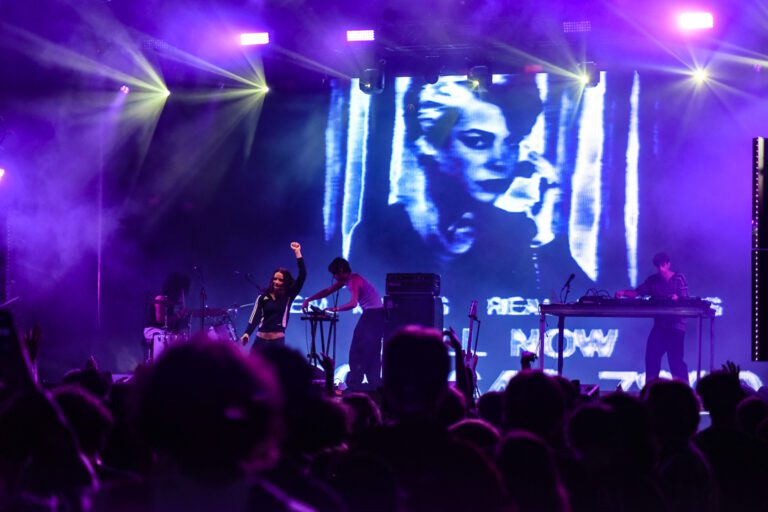
Sisso & Maiko put on a show at the S.A.T. like nothing we’ve ever seen before in electronic music. Originators of the new Singeli sound, the Tanzanian producers have not only invented an entirely new genre, but a new way of experiencing electronic music- at least here in North America. Its novelty is comparable to Baile Funk’s, but Singeli is even more culturally remote, forming its own insular world of sound. Supported by the Ugandan experimental music label Nyege Nyege, Sisso & Maiko epitomize this new wave of music that breaks ties with previous stereotypes of music coming out of Africa. Their sound is a technological embodiment of dance itself, where the body is the final instrument in a chain of digital creation.

At first listen, the rhythms may sound overwhelming, repetitive, but that’s the point, and over time, this impression wears off leaving in its place an ecstatic joy. Through dance, the body melts into the odd geometry of Mchiriku inspired rhythms, the ears tame the percussive sirens of vintage casio keyboards as a kind of cartoonish embellishment. Singeli sound is rich, but also unserious. After 2 songs we were hooked, not just by the uniqueness of the sound, but by the showmanship which gradually converted the initially dazzled crowd into fans.

Whether being blindfolded, playing the keyboard with their feet, or taking their shirts off and dancing a Chura through the crowd, Sisso & Maiko did not hold back one bit when it came to having fun. It was contagious. They could have played all night and we wouldn’t have noticed time go by. And as we danced, jumped, and ran from side to side, our fatigue was transcended. I recalled in my research the origin of Singeli sound which was in the Kigodoro parties, Kigodoro meaning “small foam mattress”, as dancers would collapse after sleepless nights of dancing. If the show hadn’t been stopped at 1am, it is easy to imagine how even a piece of cardboard would have seemed comfortable at 7am.

Dance-Pop / Electro

Palomosa I Fcukers Is Cool for Cool’s Sake

by Lyle Hendriks

There’s something to be said for music that makes you feel hot. When the right combination of saucy bass, club floor drums, and breathy vocals comes together, you can almost shut your eyes and pretend you’ve been admitted to Berghain or have found your way into New York’s most exclusive speakeasy. 

Such is the case for NYC electronic band Fcukers, who, despite having meteoric success that can only be the result of intense musical nepotism, also deserve every packed dancefloor they play. The band, fronted by vocalist Shannon Wise and now playing as a four-piece with live drums, bass, and scratch-record backing, opened their Palomosa set with the modern classic “Homie Don’t Shake,” which elicited a raucous cheer from the steadily growing sunset crowd. 

While I was initially set on being near the front for this show, my friends and I were soon sent to the back thanks to a truly horrible stage mix. But once we were a little closer to the board and could hear something other than eardrum-crushing kick drum, it was a joy, as always, to watch this sleazy, slinky group strut across the stage. Though their catalogue hasn’t changed much since I discovered them at Osheaga last year, it was hard not to dance anyway to tracks like “Bon Bon,” “Tommy,” and the newly released “Play Me.” Frankly, each of these songs is a vapid, drug-addled ode to nothing, but the raw energy and undeniable cool factor of Fcukers means they’ll continue to be one of my first choices when I secure the aux at a party.

Electro-Pop / Electro-Punk / Electronic / indie

Palomosa I The Hellp is Indie Sleeze Incarnate

by Stephan Boissonneault

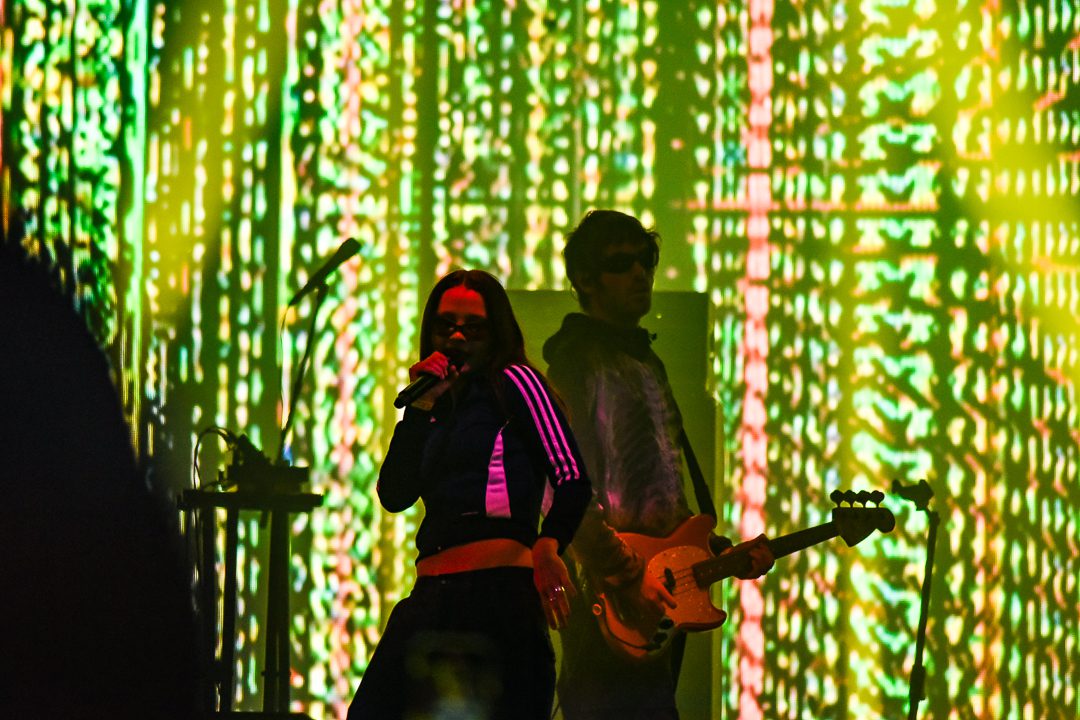
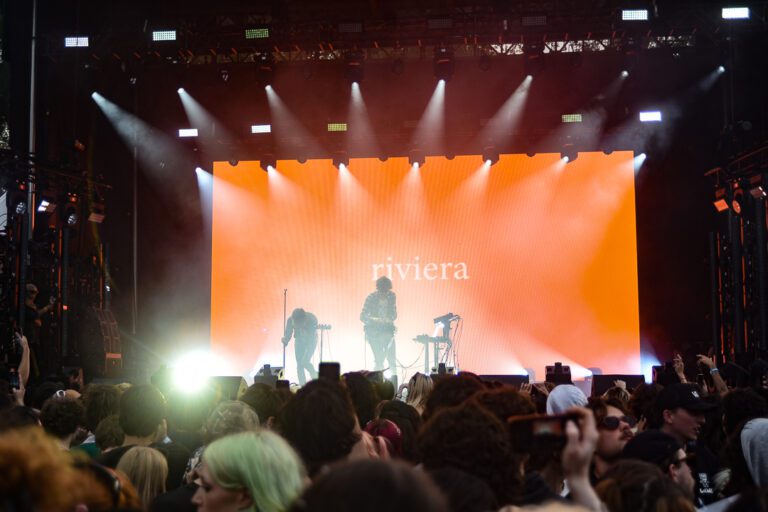
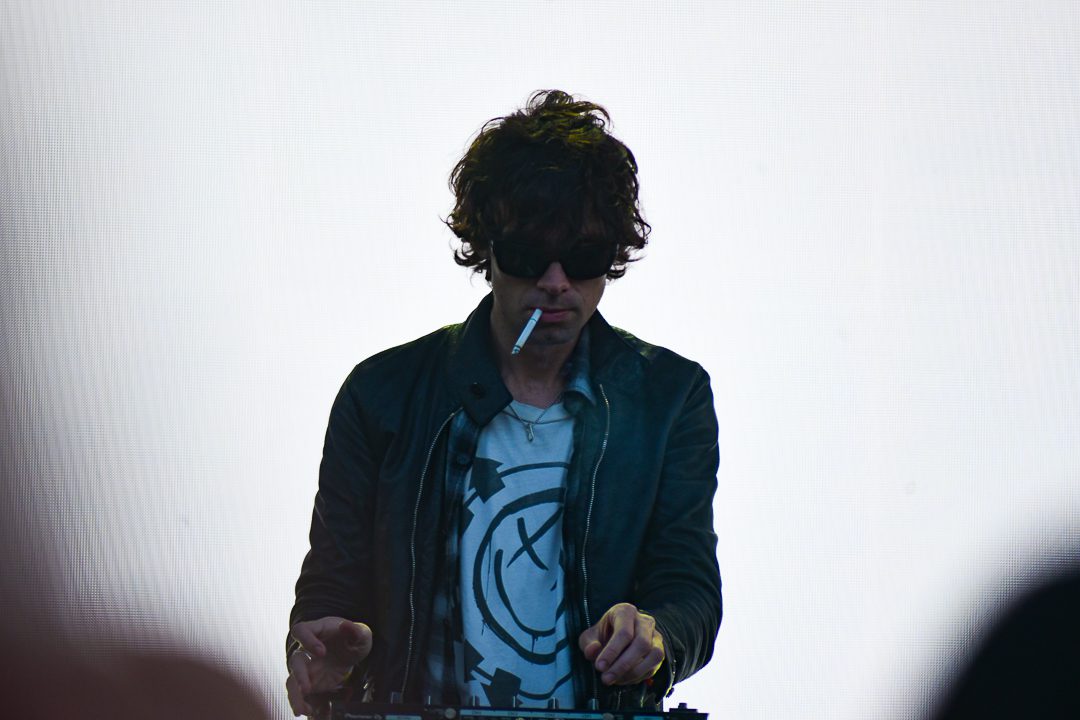
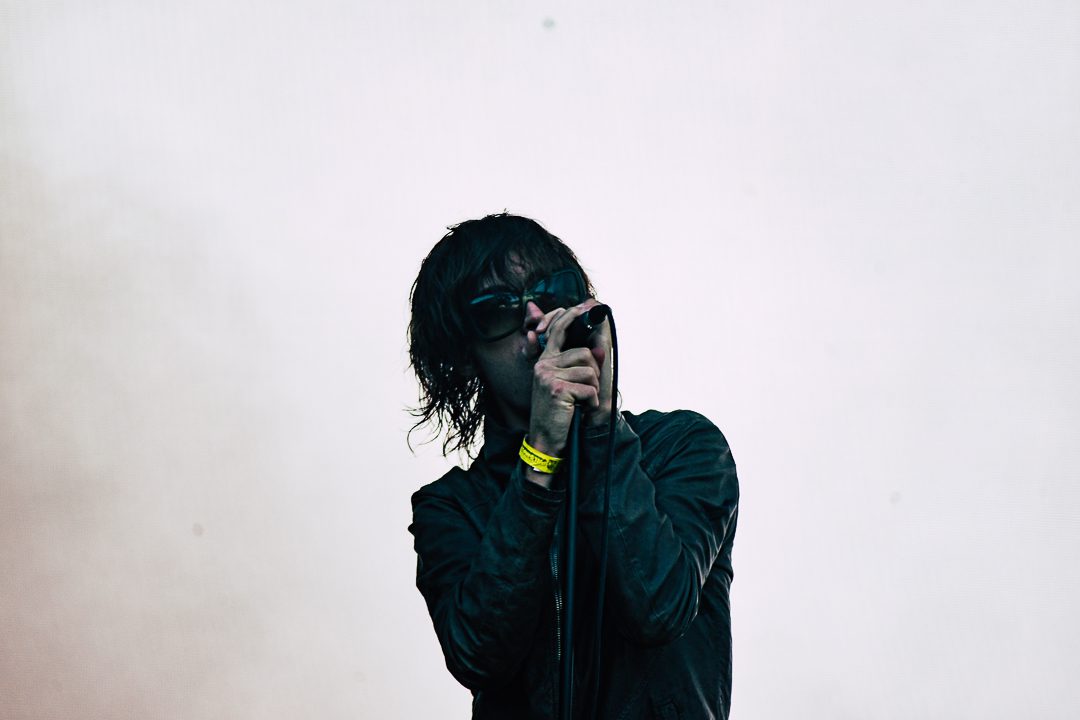
The Hellp, a Los Angeles electro hyperpunk duo made up of Noah Dillon and Chandler Lucy, dressed in tight leather jackets, short-long, greasy hair and Oakley shades, looked like they were about to front a sleazy Oasis or a Julian Casablancas tribute as they pranced onto the main Fizz Stage. Although one of them manned the synth and sampler while sporting a Blink 182 T-shirt while the other leaned on the microphone stand and twisted a few nobs on his vocal effects pedal, letting out a chaotic “WOOOO.”

The Hellp’s stage presence was one of indie sleeze indifference, like they were too cool to be there, and it works for them. As they lay into some hazy hyper pop punk (kind of in the same vein as Suicide, but from Gen Z), the crowd loses their collective shit. I loved how Lucy consistently popped cigarettes into his mouth while messing with the sampler and forgetting to light it. They only played for an hour, but he must have smoked three, as the clouds of smoke dissipated under the fog machines. The one song I recognized was “Colorado,” an absolute catchy banger live with its slacker rock guitar sample, and they played it half way.

Later on in the set, they dove into a newer one, which I believe was called “Riviera” (noted by the orange backdrop and the word in Helvetica) twice. The first time apparently was off time, and Dillon wasn’t going to have that. I have a friend who loves The Hellp and plays the latest album, LL, quite frequently, and it’s good, but until seeing them live, I never really understood the main appeal. Now I can say I, too, am “feeling Colorado.”

Electro / Electro-Pop / Electronic

Palomosa I MGNA Crrrta Pops Open the Main Stage

by Stephan Boissonneault

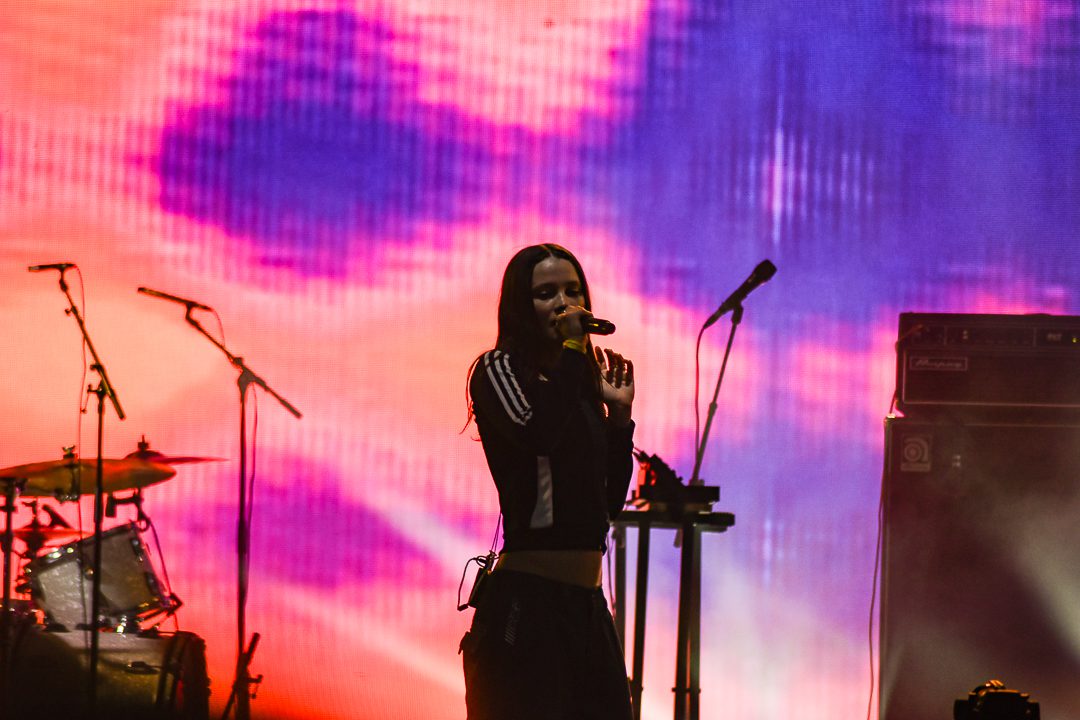
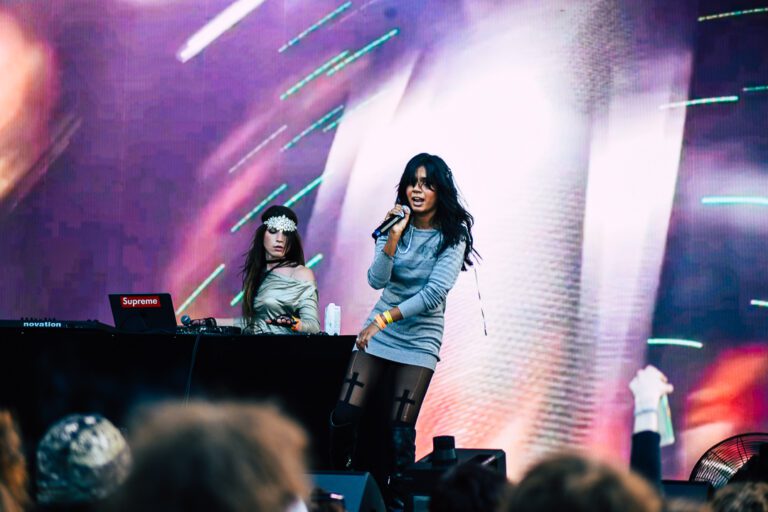
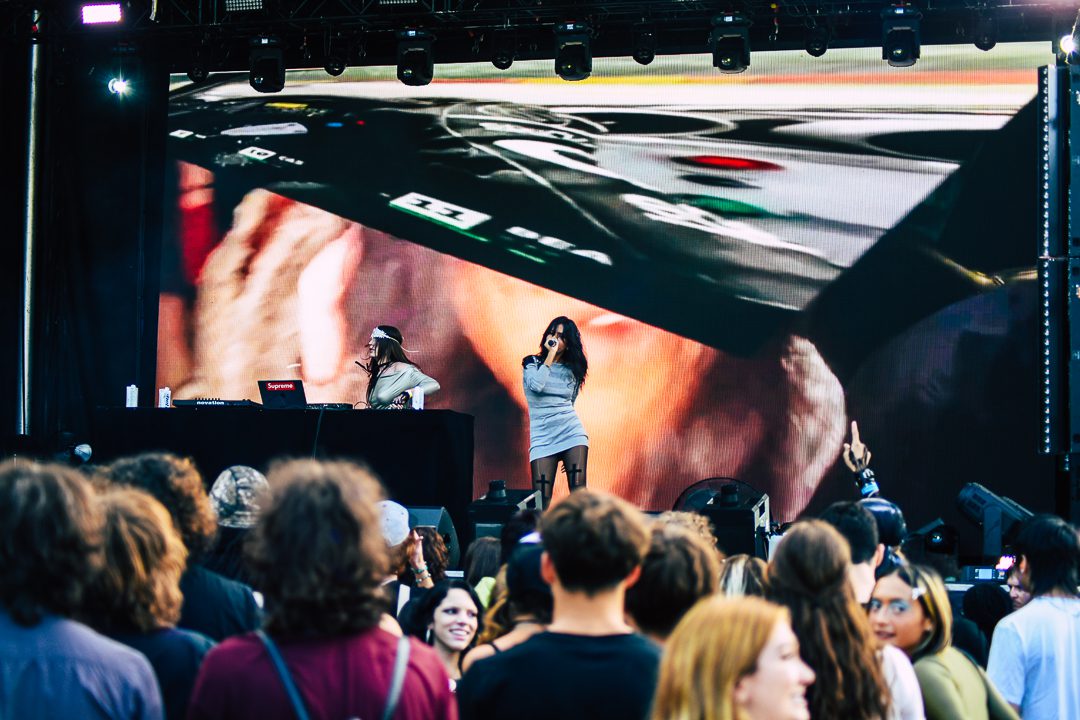
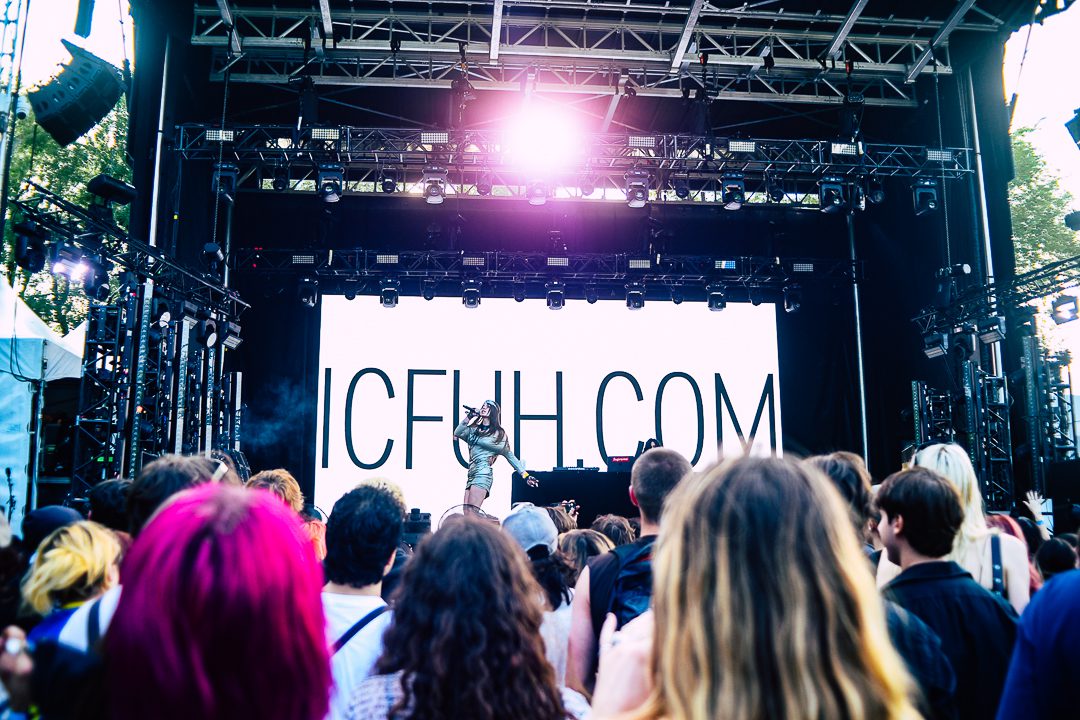
We were transported to the wacky years of the 2010s as MGNA Crrrta, a trashy electro girl dance pop duo from New York, took the stage to open the main Fizz Stage at Palomosa. The sound person was having a bit of trouble with the mix as the vocals were extremely quiet, competing with a wall of inexplicable bass. This went on for half of the set. But both singers/ DJs, Farheen Khan and Ginger Scott, didn’t seem phased as they blasted on through as song like “I.C.F.U.H,” an acronym that appeared multiple times on the visual backdrop. Listening to the lyrics, you deciper that it stands for “I Can Fuck You Hard,” which also happens to be the name of the duos website.

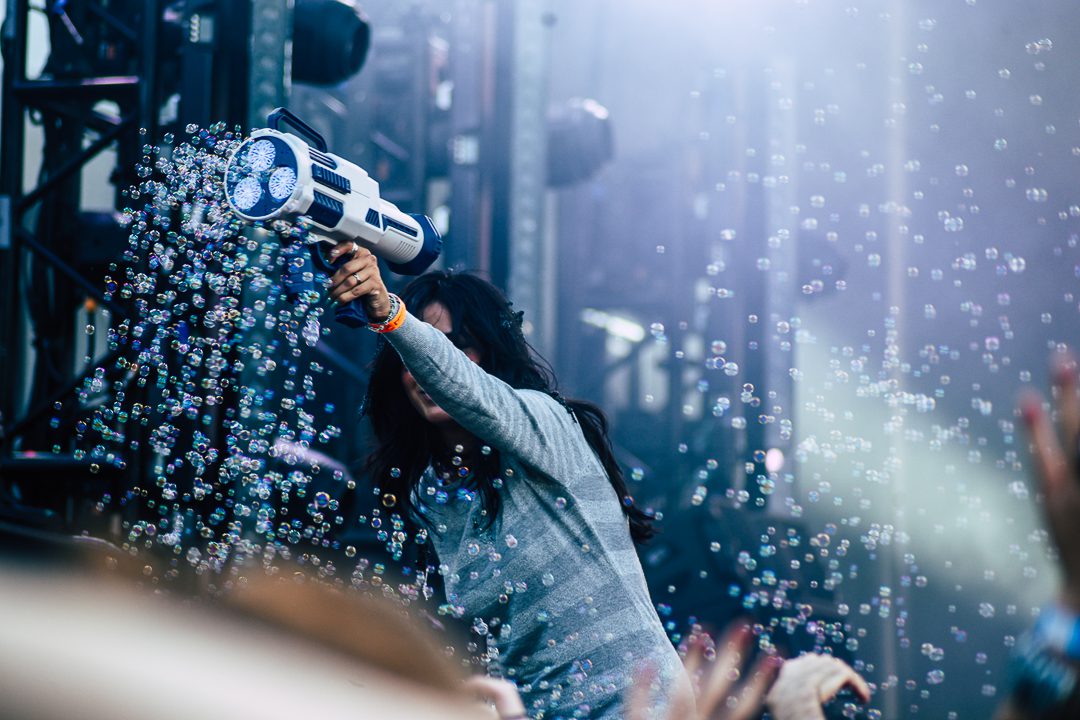
This trashy and sleazy energy permeated through MGNA Crrrta’s set and the visuals, sporadic epilepsy-inducing flashes of gaudy mansions or the duo smoking weed on bridges, matched the tone. For my personal taste, many of the songs were pretty one-note, but they had a lot of energy and, for the last few songs, bubble guns. They were a fine opener to Palomoa’s main stage shenanigans.

Electronic / Techno

Late-Night Warehouse Ambiance for Juan Atkins All-Nighter at the SAT

by Julius Cesaratto

Techno’s godfather, Juan Atkins—one half of the pioneering duo Cybotron—took to the Société des Arts Technologiques to deliver an unmissable performance for techno purists. Celebrated as a founding force behind the sound born out of 1980s Detroit, Atkins gracefully delivered a classic techno set full of his signature melodies, distorted robotic vocals, and unmistakable use of the Roland TR-909—the drum machine that laid the foundation for techno itself.

He began the night slowly, layering mechanical sounds that gradually built in intensity—playing with frequencies as the dance floor warmed up. The SAT’s raw concrete pillars rose above the crowd like the skeletal remnants of a disused factory, a fitting backdrop for the industrial pulse of Atkins’ sound—at times harsh, yet always melodic.

Just blink, and you might find yourself suddenly transported to a pulsating Motor City warehouse in the early morning hours.

As the saturation of sound gave way and the lights flickered in deep shades of green, minimalist drum kicks gave way to the groovy, synth-laced melodies that have defined Atkins’ illustrious career as a producer and DJ. The multi-generational crowd of ravers in attendance was taken on a true sonic voyage—Atkins weaving his techno-futurist sound together with synths and bouncing funk basslines, a nod to his early influences.

Leaning on more than 40 years as a selector, he turned up the BPM, blending a rich array of styles—from early synth music to Italo-disco—without ever losing the core of his sound. The apex of the night came when he dropped Giorgio Moroder’s “Chase”, drawing cheers from the crowd. A brief flash of nostalgia, it lent itself perfectly to the groove of the night, echoing the roots of techno without ever feeling retro.

As a parting gift to the dancefloor, Atkins closed his two-hour set with a tasteful sprinkle of jungle—a fast-paced closer that left the crowd wanting more.

The sounds were industrial yet melodic; the layering of drums, bass, and synths was funky, seamless, and impeccably timed. A true artist behind the decks.

Publicité panam

Ambient / Experimental Techno / House / Techno

Friday night at the Dômesicle – All night long with Jump Source

by Rédaction PAN M 360

Vibrant and tireless—Jump Source, Montréal-based duo composed by Priori and Patrick Holland, don’t fail to keep the night on the beat and the dome with jumping feet—a five-hour uplifting set from techno, house to experimental and ambient, with a scent of ethereal and nostalgia at times.

Seemingly mechanical, the blend with organic states and grooves oozes this satisfaction and fluidity on the dance floor, morphing ambiance into atmosphere, sensorial into emotion. As captivating as it is, the duo certainly knows the art of keeping it going—grow, suspend, tension, release—like waves forming and breaking, one after another. A Jump Source set feels like going on a ride into multiple directions, through multiple landscapes, without ever losing the north nor the reason why we went for it in the first place—they can effortlessly carry us through the night in a consistent beat, not too fast, not too slow; the turns are smooth and tasty, we resurface to catch some breath and go back down to the pacing bass lines. It’s all about sculpting momentum on the dance floor, all night long.

Apart from their prolific solo projects, Francis Latreille and Patrick Holland have been collaborating as a duo for almost a decade, both in the studio as producers and in the club behind the decks, having recently released their sixth EP in April this year.

The collective Mostly Noise and Jonahvision guided our journey in the sweaty-sauna-like dome in immersive trippy visuals and virtual spaces, resonating the groovy aesthetics proposed by Priori and Holland on the decks.


Jazz

FIJM 2025 | King Makaya triumphs again

by Frédéric Cardin

A total, irrepressible intensity, a strength of character that imposes its vision, leaving the acolytes to support (brilliantly, of course), never to deflect, the king in his musical velléités. This is a concert by drummer Makaya McCraven, a modern icon of jazz drumming. The propulsive power of this American is quite simply remarkable, and his genius for form, rhythmic metamorphosis and overall discourse is awe-inspiring. But that’s nothing new. Our colleague Alain Brunet, who was also present at the event, remarked that it resembled last year’s show. It’s been three years since McCraven released an album. To quote Alain: “Makaya, it’s really great, but we’re due for a new album.” Which will apparently be the case in September. By the way, in the last ten minutes or so, wasn’t that new material we were hearing? Anyway, it doesn’t matter, because I’d missed last year’s perfomance, which kept my listening a little “fresher.” And anyway, such an expressive personality can sustain repetition, so visceral and superior is it.

A rhythmic sax, sometimes atmospheric, never lyrical, a colorful vibraphone, a voluble but respectful bass. It’s what surrounds the master without taking up space. That’s the way it is, and we like it.

The opening act, Theon Cross (Sons of Kemet), brought the Club Soda to its feet with a plump, remarkably swift tuba groove. This guy is an amazing virtuoso. The depth of sound of this instrument doesn’t usually make it easy to understand what’s going on, but Cross apparently achieves the impossible, and does so by twirling more notes than would be humanly possible. A new album is due in July, very soon indeed. You won’t want to miss it.

Africa / dance

C la vie: The never-ending drum dance to close out FTA

by Stephan Boissonneault

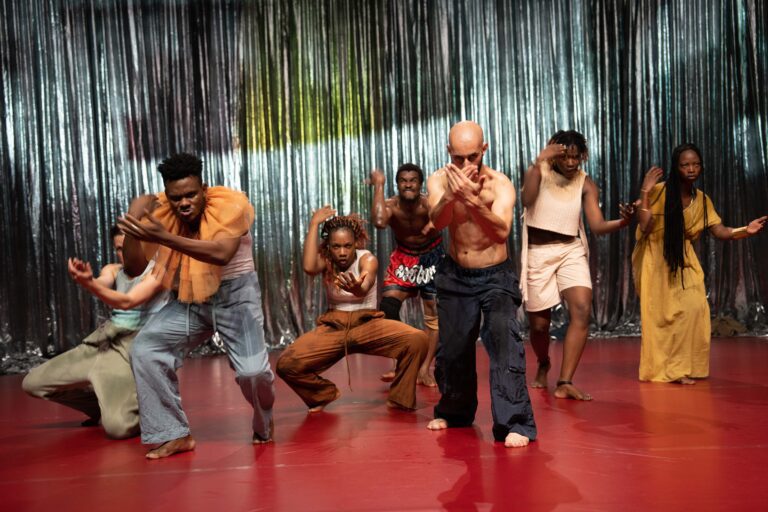
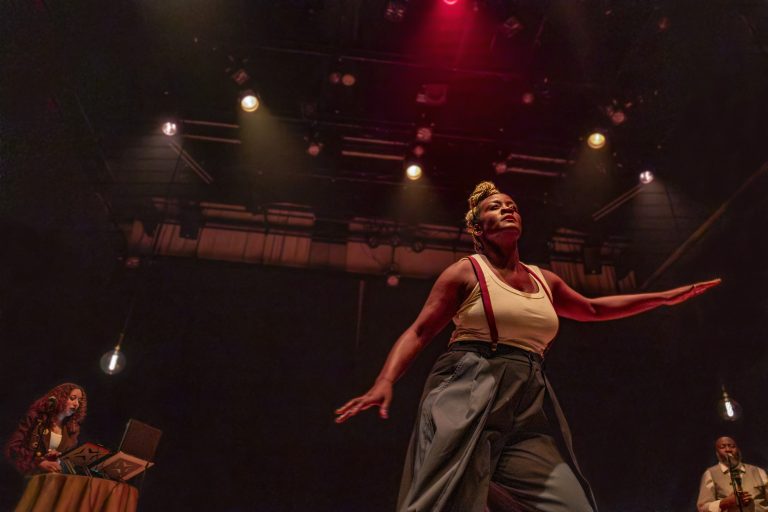
For 30 unbroken minutes, the Théâtre de Verdure in Parc La Fontaine is a living organism. Its heartbeat is driven by skin on skin—hands pounding hide, feet striking earth. C la vie, performed by a riveting dance troupe from the legendary Faso Danse Théâtre in Belgium, is less a performance than a force of nature: a nonstop barrage of rhythm, movement, and human will. The dancers emerge in a vortex of motion, seemingly born from the very thrum of the live drummer that propel them. There are no formal entrances, no moments of reset or stillness. Instead, the performance unfolds as a single, surging breath—expanding, contracting, trembling with exertion. The stamina on display is staggering. Each performer commits with a ferocity that borders on trance, their bodies locked in a choreography that demands unrelenting dexterity.

Movements loop, fracture, then evolve—shoulders rotating in sharp bursts, hips swinging in precise arcs, knees pumping like pistons. And somehow, none of it falters. Moments of song emerge like flares in the darkness—raw, resonant cries that slice through the polyrhythmic onslaught. These brief vocal eruptions, sometimes solo, sometimes choral, hint at a deeper narrative, one that’s intentionally fragmented. There are whispers of ritual, defiance, longing, joy. A woman in a golden dress, Niako Sacko, cracked with emotion, rises above the rhythm with a soaring and sometimes malignant vocie, as another dancer collapses to her knees. She seems to be in control of the dancers, who slowly strip their clothing dripped in sweat.

Devloped by Serge Aimé Coulibaly, a Burkinabe choreographer and towering figure of African performing arts, C la vie “draws on Wara and Senufo traditions along with Western carnivals,” and an insatiable lust for life. The performance, which has only seconds of reprieve between dances was a bit too much for some in the audience. Perhaps they needed an easy to digest story, but C la vie demands that the audience feel the ache in the dancers’ calves, the burn in their lungs, the iron grip of discipline beneath every fluid spiral. It’s exhausting to witness—and that’s precisely the point. An interesting way to close out the FTA.

Contemporary Jazz / Electroacoustic / Électronique / Experimental / Contemporary / Instrumental Hip Hop

African American Sound Recordings at SAT : Noise Floor

by Loic Minty

In a world of untraceable movements, this liquid form of music is barely contained by the term “experimental.” A post hip hop posts it exists only here and now, where hip hop has become more what is felt than what is heard. 

And yet it is still everything that has made it, only noisier and further away, like a signal passing through old wires. African American Sound Recordings seems to look from above at this infinite network and finds the subtle voices, like Morpheus looking through the matrix for the human heart. “Where is that noise coming from?” After 20 minutes you start forgetting, after 30 minutes it has sucked you in, and after 45 minutes you are now a part of it.

Dismantling all expectations, A.A.S.R. sculpted a form beyond music, an anthropology to black culture: from punk, to 70’s soul, to a saxophone screeching like it was cursed by the Pharoah himself. There is an authenticity and an originality in his approach that seems to have been the common thread of this evening.

Slow Pitch Sound’s turntablist approach sent the crowd into a twilight zone. Mixing like he was on a cosmic trip with Lee Scratch Perry in Studio One, his chop and screw approach reminisced of classic scratching acts such as DJ Screw, while at the same time completely renewing it in his choice of samples. Finding loops in accidental sounds, Slow Pitch Sound crafted his rhythms on the spot and had the crowd hanging on his every move. The forgotten art of turntabling showed its untapped potential as an instrument and, combined with digital tools, built a warm and distinct sound made into art by the graceful mastery of his tools.

But the most unexpected surprise of the night was Dumb Chamber’s debut performance, as he showed Montreal the shape of electronic music to come. Always bringing you somewhere new, the dense patchwork of sequences teased rhythm and built up in swells of emotive orchestrations. Somewhere between Luc Ferrari, Dean Blunt, and Oneohtrix Point Never’s “Replica”, his sound was distinguished by a soothing mix of field recordings and sensitive melodies borrowing from classical orchestration. 

Dumb Chamber had a big smile on his face as he effortlessly moved between genres; even his twist at classic house held a distinctive style, as noises uttered counter-rhythms in the background. The crowd, which could have been a Ssense staff party, may not have been as warmed up for dancing, but there was the feeling of deep listening and appreciation for the passionately researched sound experiments we were witnessing.

It was one of those experiences where you walk out not quite feeling the same as you walked in. Maybe it was the wall of low frequencies that got into your bones, maybe it was from sitting on the cold concrete, but it felt like a new space opened in imagining music as a performance that I look forward to exploring.

Fresh Finds at Bar Le Ritz

by Vanessa Barron

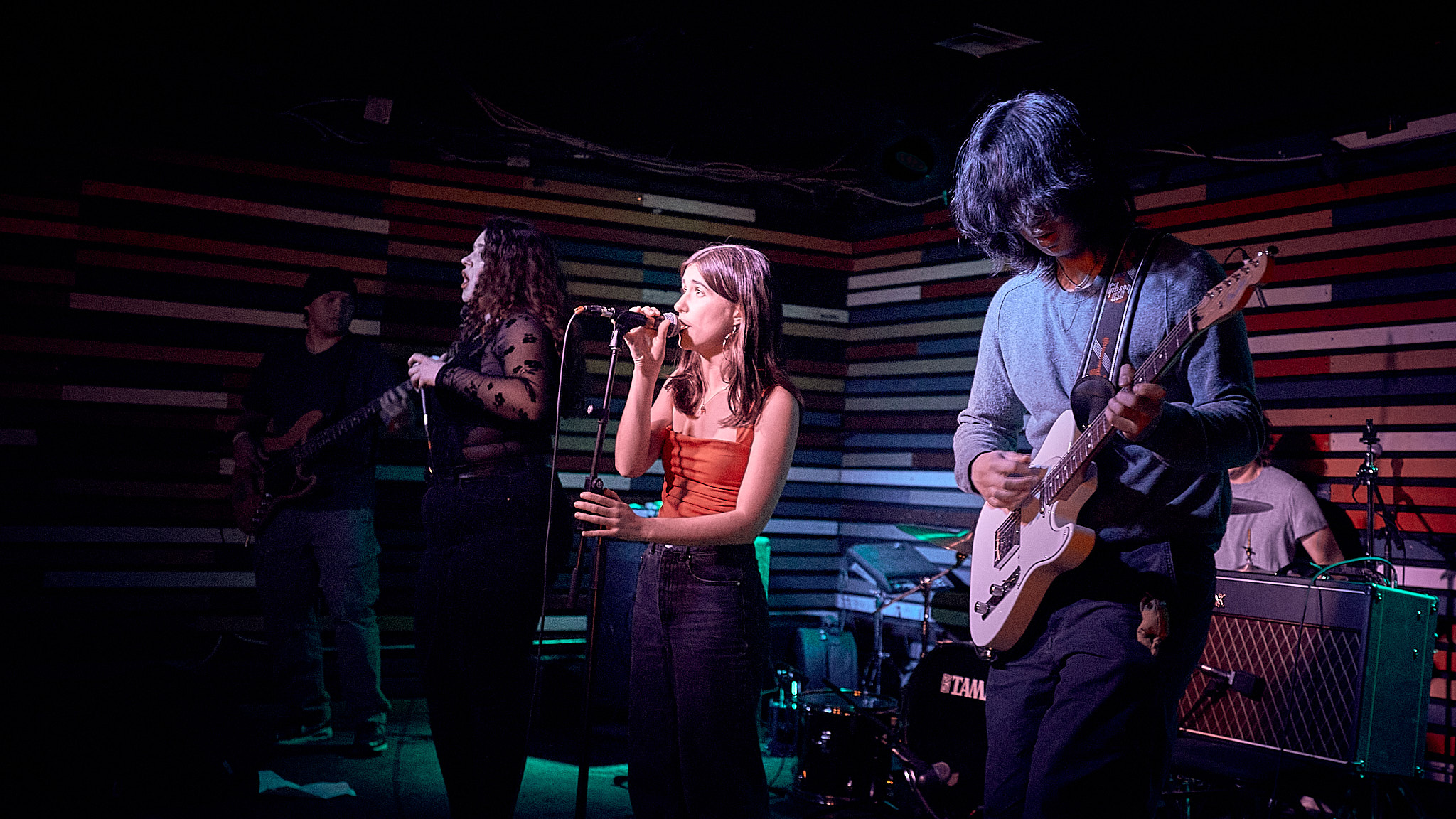
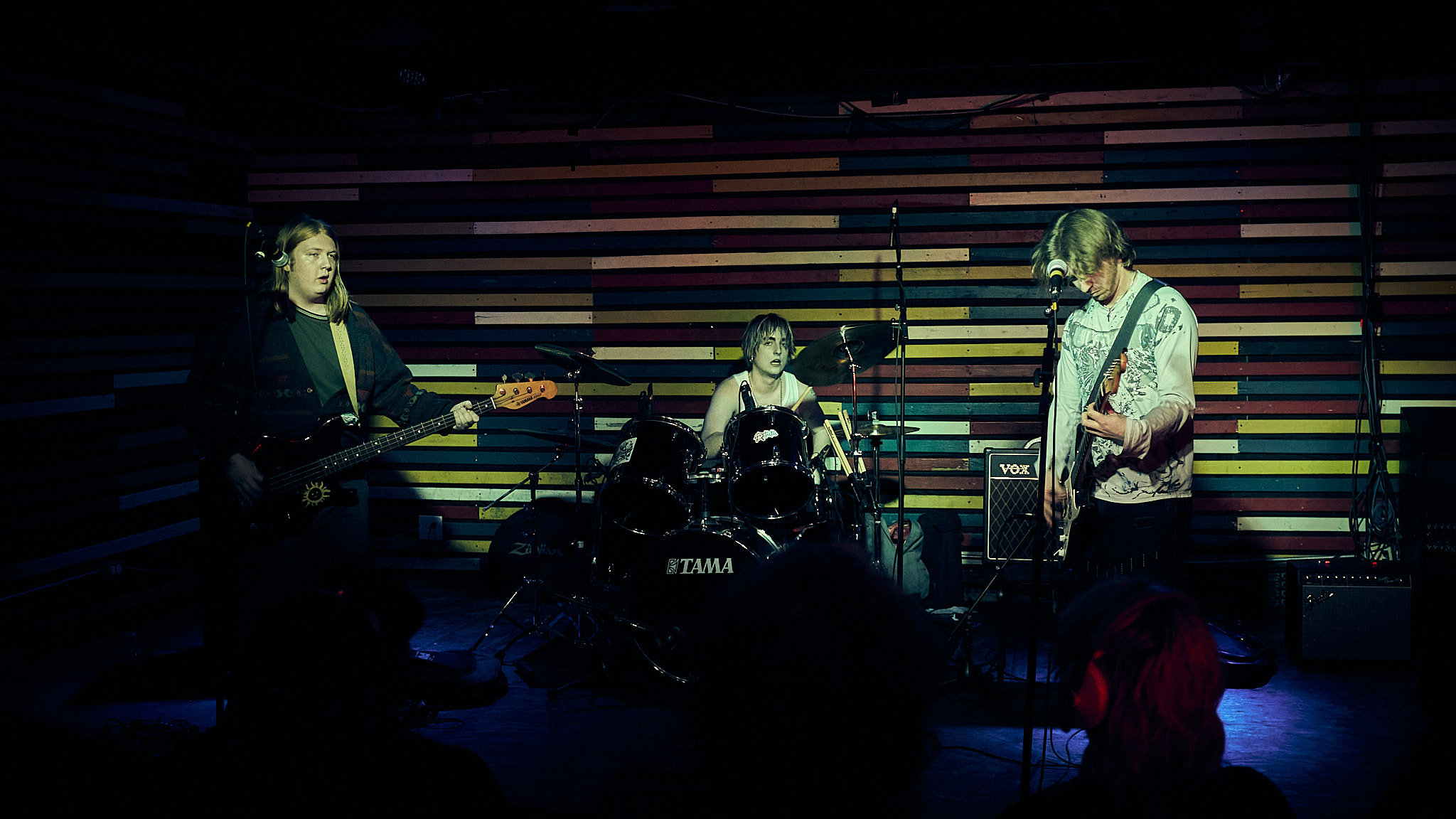
I wound up at Bar le Ritz last Saturday night to catch a showcase of five mostly local bands, ranging from power-pop and jazz-punk to emo and noise. Throughout the course of the night, I found friends, familiar faces, and most importantly, some new favorite bands. Here are the highlights.

Photos by Amir Bakarov

Fresh Wax

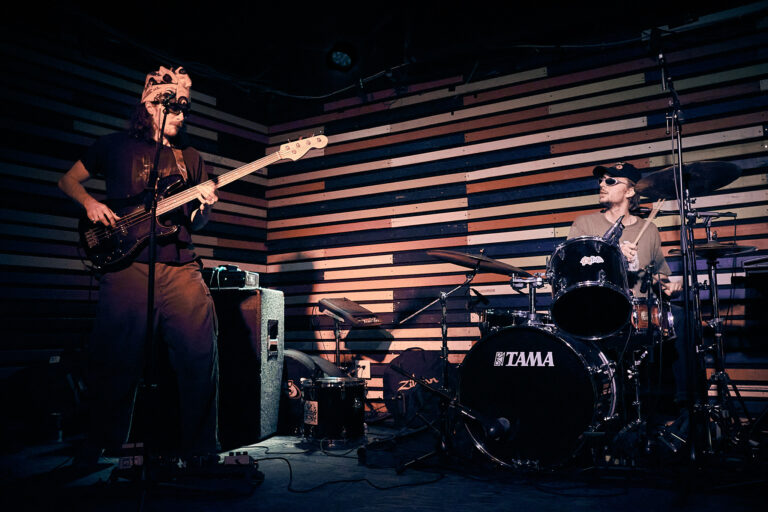
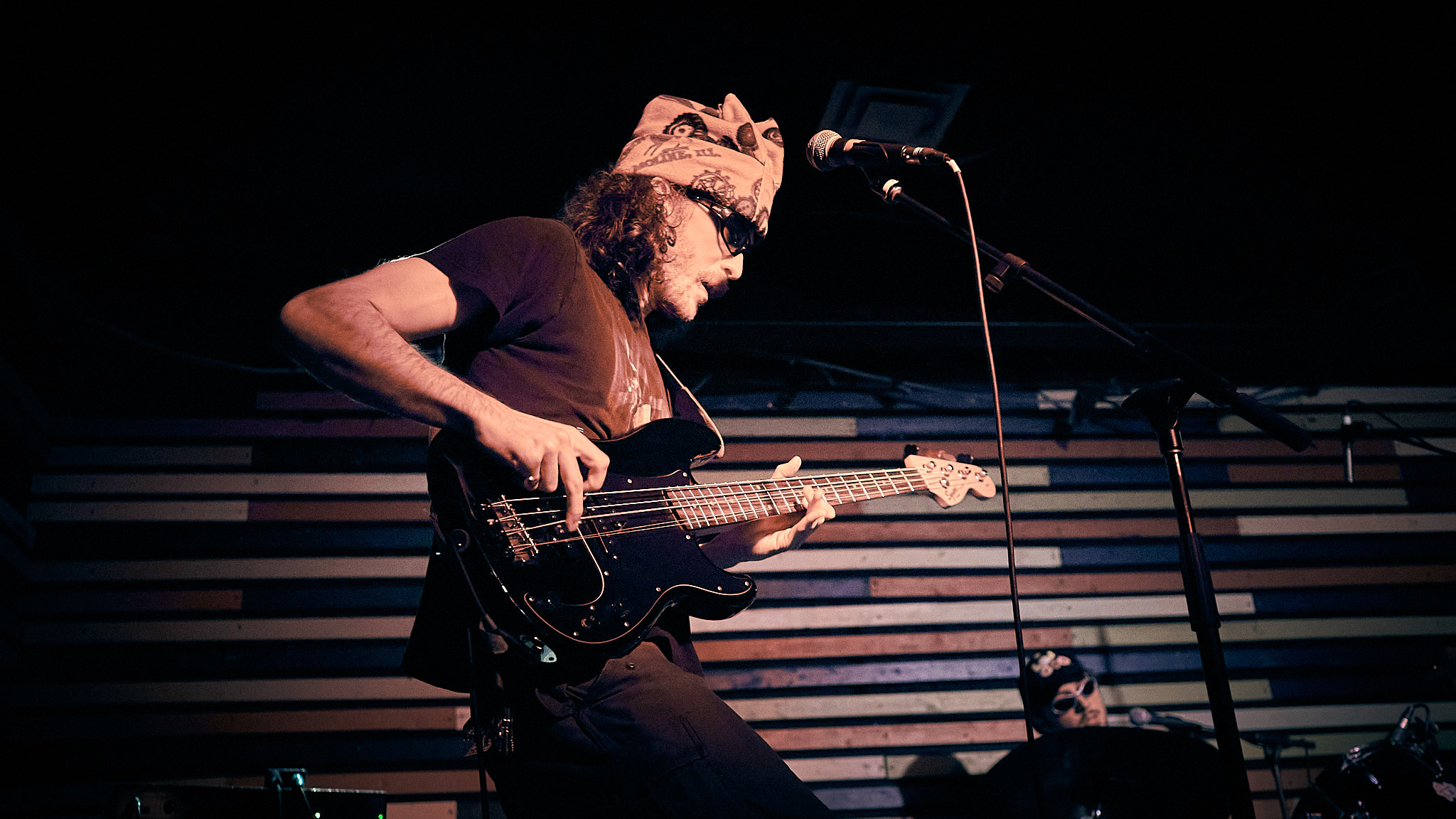
The standout act of the evening was Fresh Wax, a bass guitar-and-drum duo who showed up with sick sunglasses and a blasting energy that shook the paint off those primary-coloured planks on the Le Ritz walls. They ripped the wildest riffs in left-field time signatures and took turns on vocals, shouting punchy lines that I didn’t understand and honestly, didn’t need to. The chops of both of these guys were up there with professional jazz musician levels of technique and fervour. I‘ve heard their shows get even wilder at smaller venues, so I will 100% be seeing them again.

Gondola

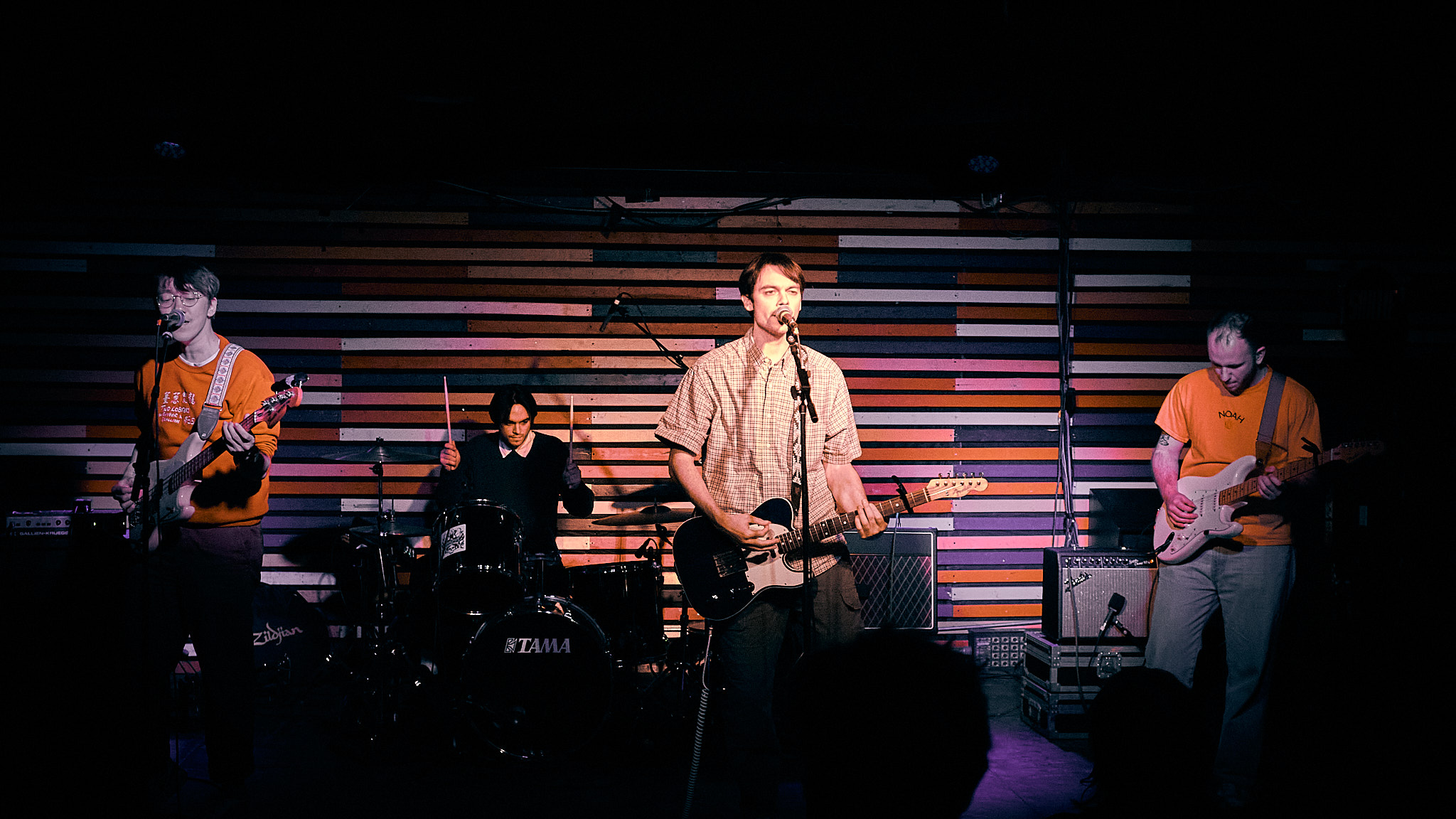
Gondola was a pleasure as always, as I must confess I’ve seen them at least five other times this year. This four-piece indie-pop group delivered a full range of dynamics and complementary solo moments, maintaining a tight cohesion balanced by moments of unrestrained jamming. Lyle on lead vocals was really sending it on this particular evening. His booming baritone carried melancholic lyrics with full force, evoking the bitterness of heartbreak with an edge of defiance. My favourite of the night was a newer song inspired by the reality show MILF Manor, entitled “Moment I’d Like to Forget.” I have yet to analyze these lyrics from a Freudian perspective, but boy, is it a catchy melody!

Wakelee

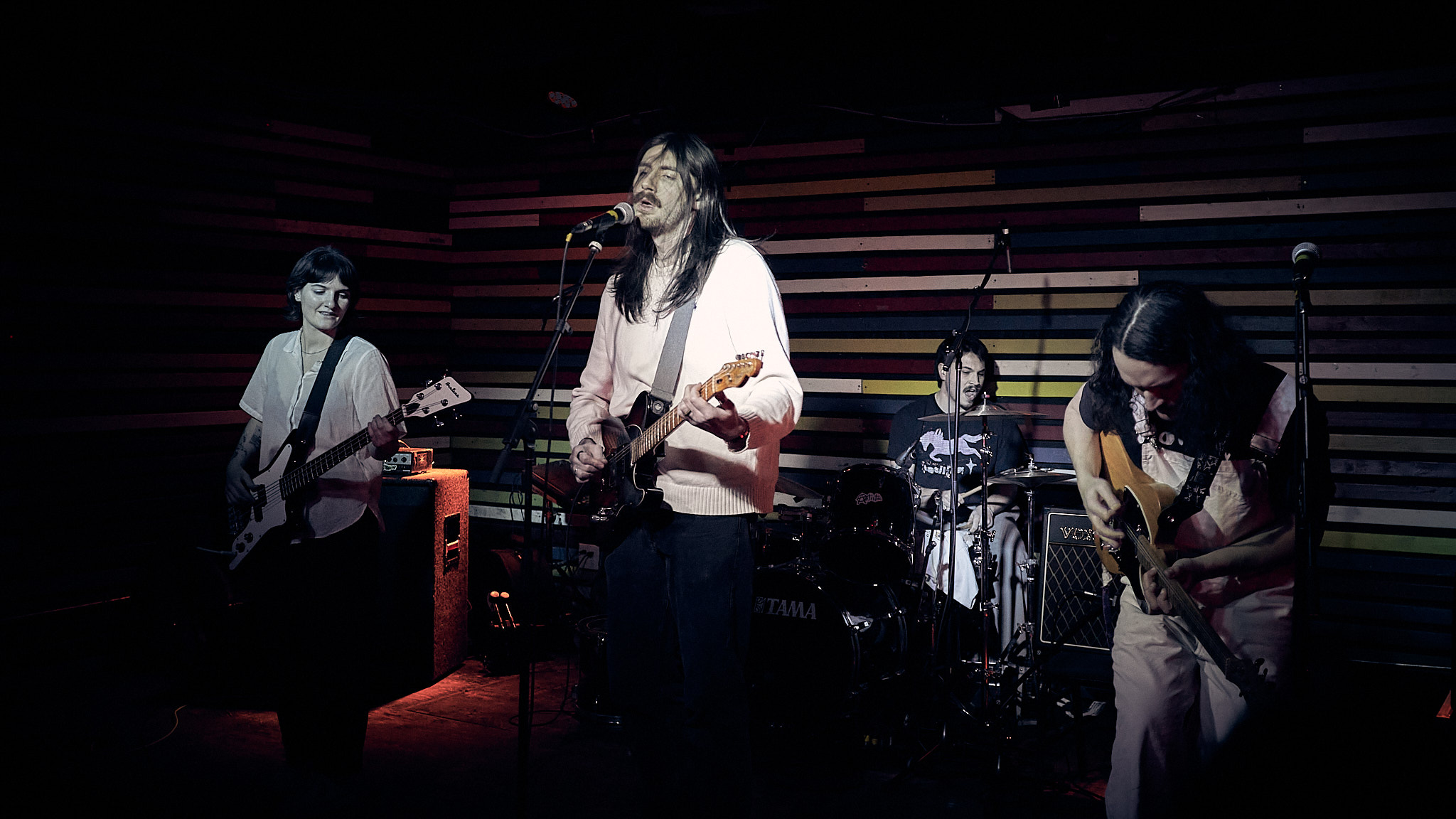
I was pleasantly surprised to find that I really vibed with Wakelee’s set. Generally, I’m skeptical of Brooklyn-made emo music in the year 2024 (if they were from a cultural hotbed like Central Pennsylvania or Ohio, perhaps I’d be less prejudiced…), but this set was tight, well-balanced, and totally won me over. I particularly loved how the backup vocals from the bass guitarist weaved into the main melody. These two-part vocals and the singer’s unmistakable emo affectation reminded me of the classic Blink-182 ballad “I Miss You.” I have since re-listened to their single “mildlyinteresting,” which succinctly captures the pathos of asking for advice on Reddit, confessing in its catchy refrain that “every question I have, I post on the Internet.” 

Room

I wish I had caught more of the opening band, Room, which had all the powerhouse belting and radiant bubblegum rock energy of groups like Beach Bunny and Remember Sports. I caught two of their songs, probably the happiest music in an otherwise doomer-toned lineup.

Lastly, I’ve gotta give some credit to the headliner Evergreen. Noise-punk is not my specialty, and my ears couldn’t quite pick up on chords, melodies, or lyrics to comment on. I did, however, see moshers at the front having a great time, and that’s what counts.

Africa / Afro Funk / Afrobeat / Saharan Blues

Sahad, The New King of Afrobeat

by Sandra Gasana

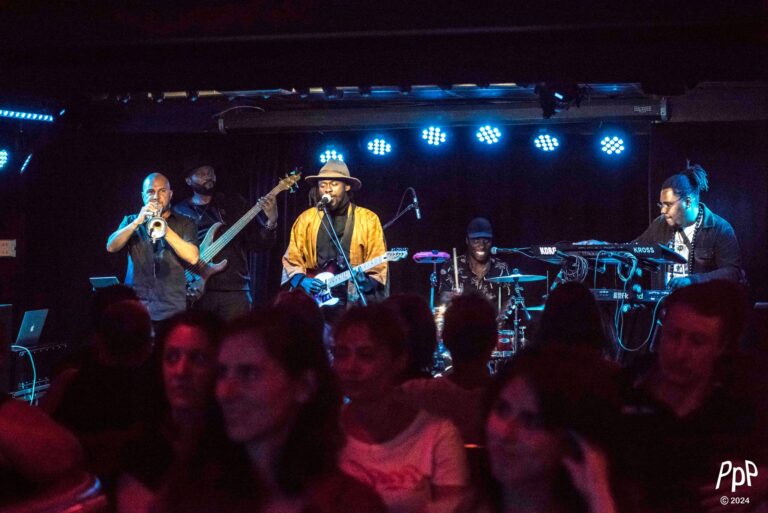
A gentle introduction. A guitar, a voice. That’s how Sahad welcomed us to his very first concert at Club Balattou last Thursday. He is joined by Joon Ho Wantete on piano, Christian Obam, the bassist everyone’s raving about at the moment, Raphaël Ojo, with his contagious smile, on drums and backing vocals, and Frédéric Bourgeault on trumpet.

Mixing Wolof, French and English, he took us from blues to afrobeat, funk and reggae, sometimes with no transition between tracks. At times, we thought we were at a Fela Kuti concert, so perfect was his mastery of this style of Nigerian music. He repeatedly addressed the crowd with the question: “Are you alive tonight?”, before moving on to another track.

The complicity with his musicians was palpable, particularly with Joon Ho, who seems to have worked with the artist for a long time. “Some of the musicians I used to play with in Senegal are now based in Montreal,” he told me during our interview a few days earlier (Sahad, Taxi-Brousse in Song – PAN M 360), while others had flown in from London and Abidjan for the occasion.

In addition to playing guitar, he incorporated percussion into his show, sometimes engaging in percussive dialogues with his drummer or interacting with the trumpet, which heightened the musical intensity in the room.

The audience also had an important role to play in following Sahad’s instructions, particularly on the track Ayeye. While the first part of the show was performed in front of a seated audience, the second part was quite different. The artist invited the audience to move closer to the stage, and that was all it took for them to start dancing. The song Kadio Blues was a particular crowd-pleaser, with its breathtaking trumpet and keyboard solos.

To top it all off, Malian diva and griot Djely Tapa blessed the stage with her powerful, haunting voice, while Sahad’s compatriot Seydina charmed us with his unique vocals.

My favorite song was the tribute to Dakar, which took me back to my memories of the city I’d just visited a few weeks earlier. “The next song, we’re going to Senegal. It’s important to sing a song from home,” he announced by way of introduction, with a passage he had the crowd repeat: Dakar ndiaye nekhna, which means Dakar, the wonderful capital. Sahad showcases his musicians, giving them the space they need for their respective solos, sometimes playing the role of conductor. One thing’s for sure: Montreal’s Senegalese community missed quite a show last Thursday. Let’s hope that word-of-mouth will do its job so that on his next visit to our metropolis, the Balattou will be packed to the rafters with his compatriots, who have everything to discover in this multi-talented artist.

Photo credit: Peter Graham

Publicité panam
Rap français

IAM: The Bosses of Marseille are in the house

by Sandra Gasana

Accompanied by Dj Daz and DJ Kheops, the legendary French rap group took to the Fizz stage to perform Petit frère. Indeed, IAM was eagerly awaited last night by a mostly French audience, but not only.

All ages were represented, even some young fans who weren’t born when the band debuted in the late 80s. For the occasion, there were four of them on stage: Akhenaton, Shurik’n, Kephren and Saïd, the group’s backing singer. They followed up with another of their hits, Samouraï, which the audience knew by heart, before continuing with Ça vient de la rue, which clearly set the crowd on fire.

All dressed in black t-shirts and jeans, they address the crowd several times, especially Akhenaton and Shurik’n, to express their gratitude to the Montreal public. “It’s a pleasure to be here,” says Akhenaton, ”the welcome’s great, as it always is, always love. And it’s off to the classic Je danse le MIA, with the famous dance step that goes with it. A return to adolescence for me. We were treated to several other tracks from their most popular album, L’école du micro d’argent, including Nés sous la même étoile, and L’empire du côté obscur. For this track, they came on stage with red lightsabers, straight out of Stars Wars, against a backdrop of red light.

“Montreal, make a fucking mess for us!” shouted Akhenaton, before the track La saga. “Tonight’s not a very long night, so let loose on all the sounds,” he advised the crowd. Indeed, the concert lasted just over an hour and started right on time, not a minute late.

Another highlight of the evening was the song Bad Boys de Marseille, which has become an anthem for their hometown. Their first concert in Montreal was in 1994, so it’s been 30 years. They also took the time to mention some of the Montreal artists they’ve collaborated with in recent years, including Meryem Saci, former member of Nomadic Massive, and Malika Tirolien, whose career is in full bloom.

As the concert draws to a close, the four of them sit on a bench for the 9-minute track Demain, c’est loin, another classic. Shurik’n and Akhenaton take turns addressing the crowd, leaving the others on the bench. “We see that not much has changed since we wrote this song, but that doesn’t stop us from thinking about tomorrow, because… tomorrow is far away,” says Akhenaton by way of introduction.

After the traditional end-of-concert photo, they leave, shouting “Palestine libre! Free Palestine! ”. IAM’s activism remains intact, even after 30 years.

Publicité panam
Subscribe to our newsletter