expérimental / contemporain / Free Improvisation

Le Vivier / Semaine du Neuf | Du Vivant + Frying Pan & Nous perçons les oreilles, les mots de la direction artistique

by Rédaction PAN M 360

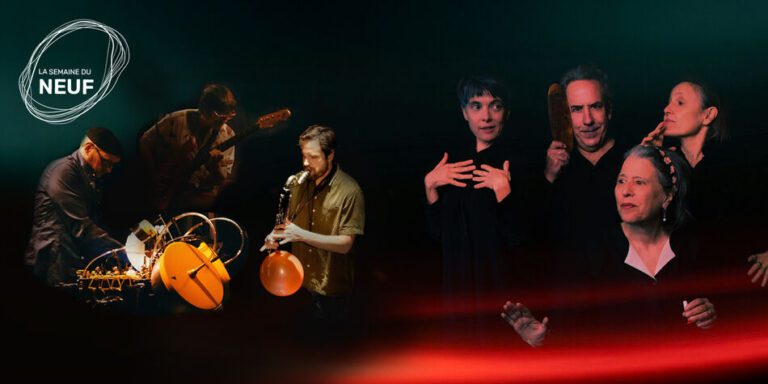
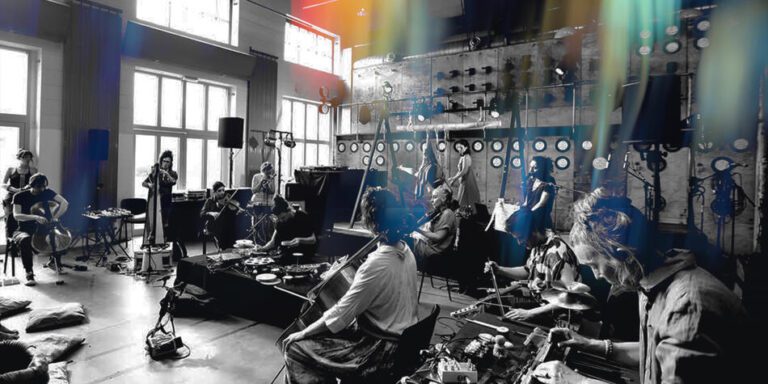
On présente ce concert comme un double plateau de musique improvisée des deux bords du fleuve.
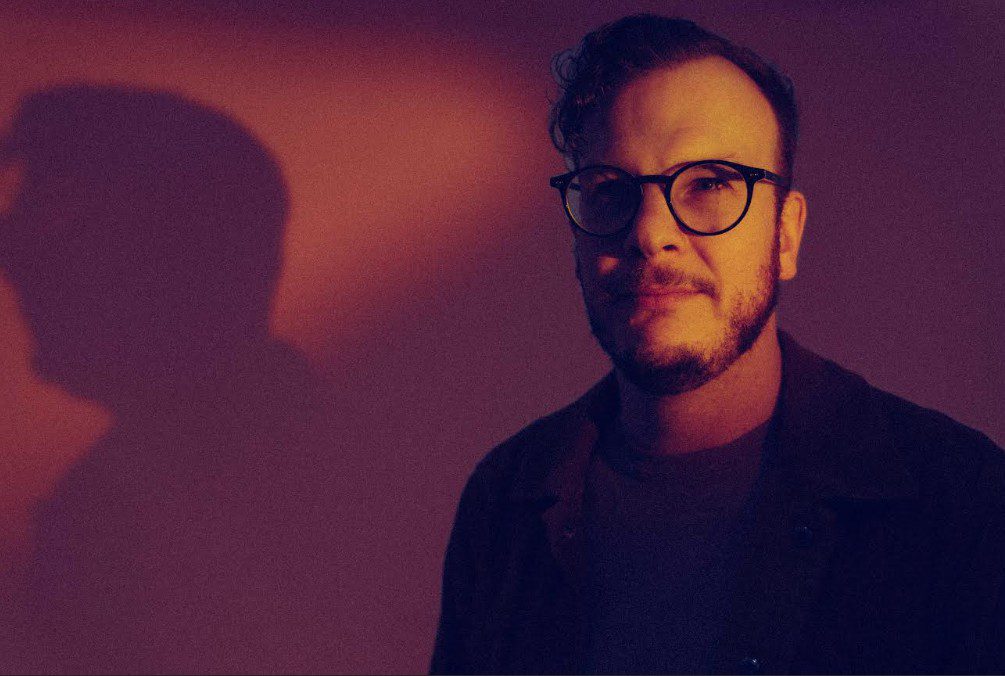
Directeur artistique de la Semaine du Neuf, Jeffrey Stonehouse introduit le concept:

“Alors nous nous retrouvons avec Joane Hétu et son concept Nous perçons les oreilles  qui existe depuis très longtemps, mais qui revient sporadiquement. Cette fois, ii s’agit d’une  soirée dédiée aux improvisateurs. trices. Le groupe se fonde sur Jean-François Laporte et ses instruments inventés, Éric Normand, Philippe Lauzier, Annie Saint-Jean. Il y aura une trame évoquant un territoire mi-fantastique, mi-glauque, cette  performance propose une lecture poétique du tout. Donc avec Jean-François Laporte, bien sûr, on a la présence des instruments de Jean-François, donc de lutherie sauvage. La direction sera tantôt assumée par Joane Hétu, tantôt par Jean Derome. Ce sera aussi une rencontre entre SuperMusique , la communauté Tour de bras et Éric Normand (Rimousk)  et Totem contemporain de Jean-François Laporte.”

Plus précisément:


Du vivant – Tour de Bras & Totem Contemporain
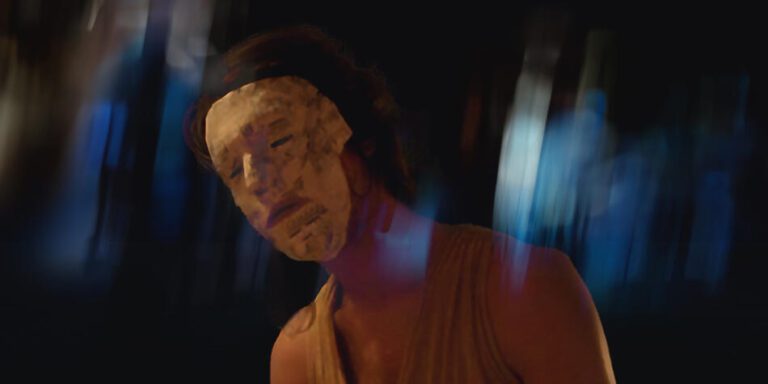
Avec sa lutherie sauvage, son aspect méditatif et son intensité sonore, Du vivant est une performance cinétique et instrumentale qui recrée l’univers sombre du film créé par les artistes en 2020 sur un immense rouleau de papier géant tel un ruban de photo. Si le film évoquait un territoire mi-fantastique mi-glauque, la performance propose une autre lecture: une performance poétique, musicale, et cinétique (sans écran) qui balance entre photographie, film, performance, sténopé et musique improvisée.
Au confluent des âmes – Nous perçons les oreilles & Frying Pan
Ce concert réunit quatre artistes visionnaires qui partagent une même compréhension du geste, qu’il soit musical ou physique. Le duo Frying Pan, constitué des deux grandes danseuses Sarah Bild et Susanna Hood, se joint au duo Nous perçons les oreilles, formé des ébouriffants Jean Derome et Joane Hétu, connu pour sa musique improvisée et expérimentale.


POUR ACHETER VOTRE BILLET, C’EST ICI!

This concert is presented as a double bill of improvised music from both sides of the St.Lawrence river.

Artistic director of Semaine du Neuf, Jeffrey Stonehouse introduces the concept:

“So here we are with Joane Hétu and her concept Nous perçons les oreilles (We pierce ears), which has been around for a long time but comes back sporadically. This time, it’s an evening dedicated to improvisers. The group is based on Jean-François Laporte and his invented instruments, Éric Normand, Philippe Lauzier, and Annie Saint-Jean. There will be a storyline evoking a territory that is half-fantastic, half-gloomy, and this performance offers a poetic interpretation of the whole. So with Jean-François Laporte, of course, we have the presence of Jean-François’ instruments, and therefore wild lutherie. The direction will be taken on by Joane Hétu at times and Jean Derome at others. It will also be a meeting between SuperMusique, the Tour de bras community and Éric Normand (Rimousk), and Jean-François Laporte’s Totem contemporain.”

Ce contenu provient de Le Vivier et est adapté par PAN M 360

A double bill of improvised music from both sides of the river

Du vivant – Tour de Bras & Totem Contemporain
With its wild instrumentarium, meditative aspect, and sonic intensity, Du vivant is a kinetic and instrumental performance that recreates the dark universe of the film created by the artists in 2020 on an immense giant roll of paper like a photo ribbon. While the film evoked a half-fantastical, half-murky territory, the performance offers another reading: a poetic, musical, and kinetic performance (without a screen) that oscillates between photography, film, performance, pinhole camera, and improvised music.
Au confluent des âmes – Nous perçons les oreilles & Frying Pan
This concert brings together four visionary artists who share the same understanding of gesture, whether musical or physical. The duo Frying Pan, consisting of two great dancers Sarah Bild and Susanna Hood, joins the duo Nous perçons les oreilles, formed by the electrifying Jean Derome and Joane Hétu, known for their improvised and experimental music.
Création / expérimental / contemporain

Le Vivier / Semaine du Neuf | lovemusic – Protest of the Physical, les mots de la direction artistique

by Rédaction PAN M 360

D’abord quelques mots de Jeffrey Stonehouse, directeur artistique de la Semaine du Neuf:

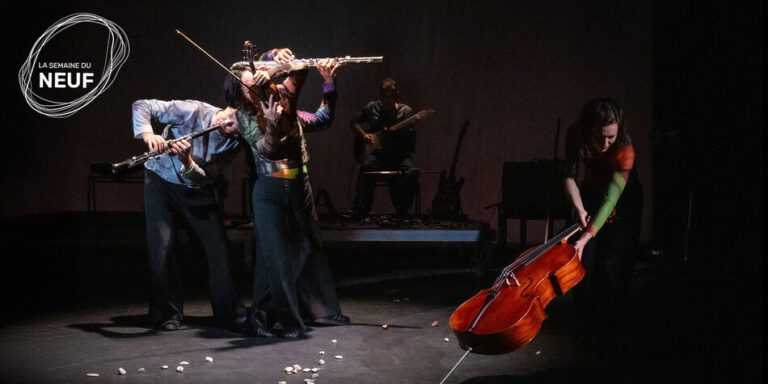
“Love Music est un super ensemble de Strasbourg dont l’œuvre présentée à Montréal est   Protest of the Physical, une performance en quatre tableaux. Les corps des musiciens ne sont pas utilisés exclusivement pour l’exécution instrumentale, mais sont complètement engagés dans l’œuvre. Il faut souligner ici que le geste  influence l’écoute et la perception du geste influence l’écoute. Il y a vraiment une intégration entre plusieurs disciplines dans ce spectacle. Je soulignerais spécifiquement, moi, une des pièces qui m’intéresse beaucoup, c’est le travail de Bethany Young.  C’est un ensemble relativement jeune en train de repousser les limites de l’expérience du concert traditionnel en musique contemporaine.”

lovemusic propose une performance musicale dans laquelle les corps des interprètes sont au cœur de l’expérience, devenant des éléments essentiels de la création sonore. Protest of the Physical est une performance en quatre tableaux. Les corps des musicien·ne·s n’y sont pas simplement des véhicules pour l’exécution instrumentale mais complètement engagés dans une physicalité expressive. Ils sont à la fois intrinsèquement liés à la musique et à ses exigences physiques, et servent de faire-valoir pour souligner la façon dont le geste façonne notre expérience d’écoute. En intégrant des artistes issus de différentes disciplines au processus créatif, en repensant le rôle du public et en revendiquant le corps comme un puissant outil de communication, les interprètes du collectif affirment ainsi avec audace leur identité singulière de performeur·euse·s.

Programmation

-Annette Schlunz, Anne-Hélène Kotoujansky: In die Ferne, dem Berg zu , 2025 (commande de lovemusic) pour pour flûte, clarinette, violon, violoncelle, guitare électrique et gestes  – création
-Nik Bohnenberger: hands, drum – three bones , 2025 (commande de la Philharmonie de Luxembourg pour lovemusic) pour pour flûte, clarinette, violon, violoncelle, guitare électrique, électronique et vidéo  – création
-Bethany Younge: Seeds , 2025 (commande de lovemusic) pour pour flûte, clarinette, violon, violoncelle, guitare électrique  – création
-Helmut Oehring: [iɱˈfɛrno] (extrait de : MAPPA) Contrapasso I – V (à Wladimir Poutine / Sergej Lawrow) , 2022 (commande de lovemusic et le festival klangwerkstatt – Berlin) pour pour flûte basse, clarinette basse, violoncelle, guitare électrique et bande  – création

Publicité panam

POUR ACHETER VOTRE BILLET, C’EST ICI!

First, a few words from Jeffrey Stonehouse, artistic director of Semaine du Neuf:

“Love Music is a great ensemble from Strasbourg whose work presented in Montreal is Protest of the Physical, a performance in four scenes. The musicians’ bodies are not used exclusively for instrumental performance, but are fully engaged in the work. It should be noted here that gesture influences listening, and perception of gesture influences listening. There is a real integration between several disciplines in this show. I would specifically highlight one of the pieces that interests me greatly, which is the work of Bethany Young. This is a relatively young ensemble that is pushing the boundaries of the traditional concert experience in contemporary music.”

Translated with DeepL.com (free version)

lovemusic presents a musical performance in which the performers’ bodies are at the heart of the experience, becoming essential elements of the sonic creation. Protest of the Physical is a performance in four tableaux. The musicians’ bodies are not simply vehicles for instrumental execution but are completely engaged in an expressive physicality. They are both intrinsically linked to the music and its physical demands, and serve as a foil to emphasize the way gesture shapes our listening experience. By integrating artists from different disciplines into the creative process, by rethinking the role of the audience, and by asserting the body as a powerful tool of communication, the collective’s performers thus boldly affirm their singular identity as performers.

Program

-Annette Schlunz, Anne-Hélène Kotoujansky: In die Ferne, dem Berg zu , 2025 (commissioned by lovemusic) for for flute, clarinet, violin, cello, electric guitar and gestures  – premiere
-Nik Bohnenberger: hands, drum – three bones , 2025 (commissioned by the Philharmonie de Luxembourg for lovemusic) for or flute, clarinet, violin, cello, electric guitar, electronics and video  – premiere
-Bethany Younge: Seeds , 2025 (commissioned by lovemusic) for for flute, clarinet, violin, cello, electric guitar  – premiere
-Helmut Oehring: [iɱˈfɛrno] (extrait de : MAPPA) Contrapasso I – V (à Wladimir Poutine / Sergej Lawrow) , 2022 (commissioned by lovemusic and the klangwerkstatt festival – Berlin) for for bass flute, bass clarinet, cello, electric guitar and tape  – premiere

Ce contenu provient de Le Vivier et est adapté par PAN M 360

expérimental / contemporain / Free Improvisation

Le Vivier : GGRIL • C-IME • Ensemble Supermusique — Des nuées de ritournelles à la Chapelle Scènes Contemporaines

by Rédaction PAN M 360

Rencontre entre les improvisateurs de l’ensemble rimouskois GGRIL et de l’Ensemble Supermusique, avec les musiciennes et artistes sonores du collectif belge C-IME. L’idée de ritournelle nous vient de la saxophoniste et compositrice belge Audrey Lauro. Bien qu’elle ne soit pas du voyage cette fois, son esprit nous accompagne pour ce concert pensé et repensé, tout fait d’improvisation, de fragilité et d’écoute. Des membres du GGRIL et de C-ÎME collaborent depuis quelques années grâce à une heureuse rencontre au festival Citadelic à Gand. En 2022, suite à une résidence à Rimouski, Audrey Lauro a composé Ritournelle Reverse, une pièce pour le GGRIL. Dans un fabuleux désir de collaborer au sein d’un processus créatif partagé où habiter l’espace et la physicalité du son, trois musiciennes de l’ensemble C-ÎME (Belgique), cinq musicien·nes du GGRIL (Rimouski) et deux invitées de l’Ensemble SuperMusique (Montréal) se rejoignent sur scène le temps d’une ritournelle montréalaise.

A meeting between the improvisers of the Rimouski-based ensemble GGRIL and Ensemble SuperMusique, together with the musicians and sound artists of the Belgian collective C-IME. The idea of the ritournelle comes from Belgian saxophonist and composer Audrey Lauro. Although she won’t be traveling with them this time, her spirit accompanies this concert—conceived and reconceived—made of improvisation, fragility, and attentive listening. Members of GGRIL and C-IME have been collaborating for several years, following a serendipitous encounter at the Citadelic Festival in Ghent. In 2022, after a residency in Rimouski, Audrey Lauro composed Ritournelle Reverse, a piece for GGRIL. In a marvelous desire to collaborate within a shared creative process—one that inhabits space and the physicality of sound—three musicians from C-IME (Belgium), five musicians from GGRIL (Rimouski), and two guests from Ensemble SuperMusique (Montréal) come together on stage for a Montréal ritournelle.

POUR ACHETER VOTRE BILLET, C’EST ICI!

Ce contenu provient de Le Vivier et est adapté par PAN M 360

Avant-Garde / Free Jazz

Le Vivier : Andrew Cyrille • 5ilience à la Chapelle Scènes Contemporaines

by Rédaction PAN M 360

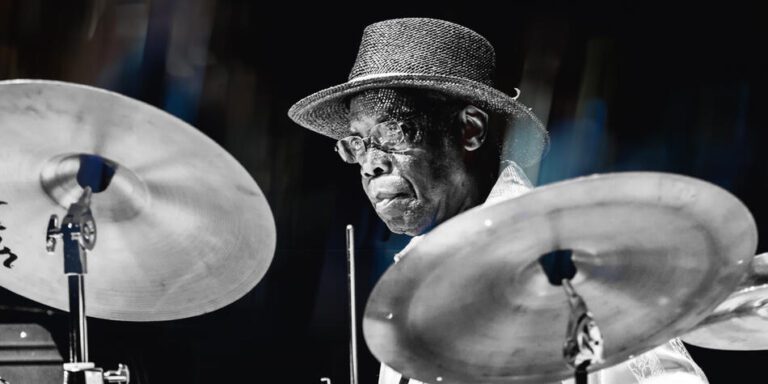
Une soirée placée sous le signe de l’avant-garde et de la virtuosité musicale. Le légendaire batteur et compositeur Andrew Cyrille, une figure majeure qui a redéfini le free jazz. De ses débuts aux côtés de géants comme Mary Lou Williams et Coleman Hawkins à sa collaboration emblématique de 11 ans avec Cecil Taylor, Cyrille a marqué l’histoire de la batterie jazz. Son parcours singulier, mêlant études scientifiques et passion pour le jazz, témoigne de la richesse d’une carrière qui l’a mené à l’avant-garde des percussionnistes. En première partie, 5ilience, le premier quintette à anches du Québec propose un programme tout en contrastes avec des œuvres de Nico Muhly, Niloufar Nourbakhsh, Ufuk Biçak et Abraham Gómez.

An evening dedicated to avant-garde expression and musical virtuosity. Legendary drummer and composer Andrew Cyrille, a towering figure who redefined free jazz. From his early days alongside giants such as Mary Lou Williams and Coleman Hawkins to his iconic 11-year collaboration with Cecil Taylor, Cyrille has left an indelible mark on the history of jazz drumming. His unique journey—combining scientific studies with a passion for jazz—reflects the richness of a career that has placed him at the forefront of percussionists. Opening the evening, 5ilience, Québec’s first reed quintet, presents a program of striking contrasts with works by Nico Muhly, Niloufar Nourbakhsh, Ufuk Biçak, and Abraham Gómez.

POUR ACHETER VOTRE BILLET, C’EST ICI!

Ce contenu provient de Le Vivier et est adapté par PAN M 360

Experimental / Contemporary / saxophone

Le Vivier : Gabo Champagne — Yvern / Treffpunkt Quartet à la Chapelle Scènes Contemporaines

by Rédaction PAN M 360

Gabo Champagne — Yvern

Mêlant musique, théâtre expérimental et mouvement, ce spectacle poétique imagine un avenir dans un monde en déclin. Une vie et un climat transformés. Yvern, la nouvelle œuvre de la créatrice transdisciplinaire Gabo Champagne, est une exploration imaginative de l’hiver passé, présent, et imaginé à sa fin. Ce spectacle mêle musique, théâtre expérimental et mouvement pour raconter une histoire à la fois intime et urgente. Gabo Champagne y trace le paysage émotionnel changeant d’une saison menacée. L’œuvre imagine un avenir dans un monde en déclin, où mémoire et nostalgie occupent le devant de la scène. Poétique, ludique et élégiaque, Yvern réfléchit à la manière dont l’hiver a façonné l’identité québécoise, et à la portée de sa disparition. Yvern est un requiem pour un climat que nous avons connu, et un appel à affronter ce qui s’en vient.

Blending music, experimental theatre, and movement, this poetic performance imagines a future in a world in decline. A transformed life and climate. Yvern, a new work by transdisciplinary creator Gabo Champagne, is an imaginative exploration of winter—past, present, and envisioned at its end. This performance weaves together music, experimental theatre, and movement to tell a story that is both intimate and urgent. Gabo Champagne maps the shifting emotional landscape of a threatened season. The work imagines a future in a declining world, where memory and nostalgia take center stage. Poetic, playful, and elegiac, Yvern reflects on how winter has shaped Quebec identity, and on the consequences of its disappearance. Yvern is both a requiem for the climate we once knew and a call to face what lies ahead.

Treffpunkt Quartet

Ce programme réunit quatre œuvres pour quatuor de saxophones, dont une création du saxophoniste Antonin Bourgault. Chacune à leur manière, elles explorent des formes de transformation, de tension ou de circularité. Dans ces oeuvres, une attention particulière est donnée aux mouvements — physiques, mentaux ou symboliques — et aux manières dont ces gestes s’inscrivent dans le son. Plutôt que de suivre une trajectoire linéaire, ces pièces se construisent à partir de cycles, de glissements, de ruptures, ou de gestes ornementaux qui redéfinissent continuellement le rapport au temps et à l’écoute.

This program brings together four works for saxophone quartet, including a new creation by saxophonist Antonin Bourgault. Each piece, in its own way, explores forms of transformation, tension, or circularity. Particular attention is given to movements—physical, mental, or symbolic—and to the ways these gestures are inscribed in sound. Rather than following a linear trajectory, these works unfold through cycles, shifts, ruptures, or ornamental gestures that continuously redefine the relationship to time and listening.

POUR ACHETER VOTRE BILLET, C’EST ICI!

Ce contenu provient de Le Vivier et est adapté par PAN M 360

Contemporary

Semaine du Neuf | A Symphony and a World Premiere for Tim Brady

by Vitta Morales

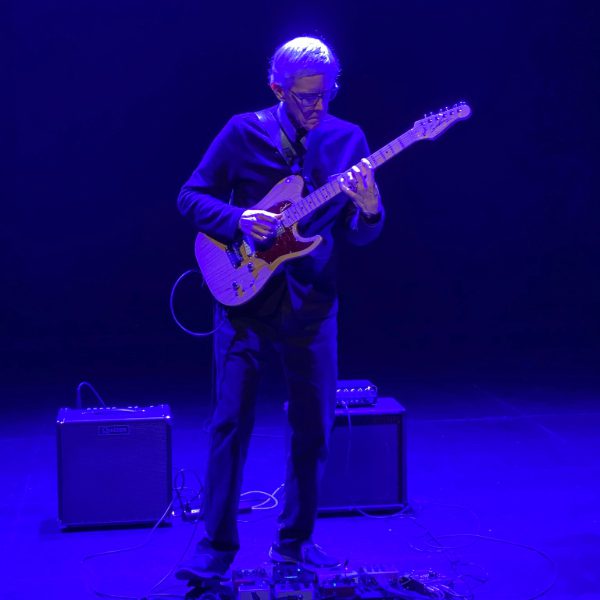
The Chapelle Theatre hosted Tim Brady, his guitars, and his pedals on March 15th as part of the Semaine du Neuf festival. A last-minute change to the program would mean Brady would play the entirety of his forty-five or so minute piece, Symphony in 18 Parts , as well as the premiere of For Electric Guitar.

It should be said, for starters, that The Chapelle was a great choice of venue for this repertoire. The black box-style venue helped focus the audience’s attention squarely on Brady’s tools (his pedals, amps, and guitars) and soundscapes. Against a black background, little could distract a listener; this, coupled with good lighting, meant the vibes were set very appropriately for Brady’s electric inventions.

Concerning Brady’s Symphony in 18 Parts, I happened to have it more or less fresh in my ears as I consulted it a lot in preparation for the concert and the interviews we conducted in the lead up. As such, I think I could tell which movements were more rehearsed than others. Occasionally, when a passage of fast notes came up, the execution would come out slightly less clean than that of the recording. This was more discernible in the moments where distortion and overdrive were absent. I, of course, don’t really blame Brady who wasn’t originally planning to play the whole thing. At other points he performed aptly and impressively pulled off tricky sweep picking passages and hammer-on flurries; (especially in For Electric Guitar).

All told, an enjoyable afternoon of shredding, ethereal soundscapes, and shimmery tapping. In addition, it was noteworthy that Brady had a good sense of humour, a relaxed demeanour, and took the time to explain the sounds he was making before letting his Godin guitars do the talking. Clearly the mark of a composer and performer who has been doing this for decades.

photo : Paola Benzi

guitare / musique contemporaine

Semaine du Neuf 2025 : Bradyworks – Symphony in 18 Parts

by Rédaction PAN M 360

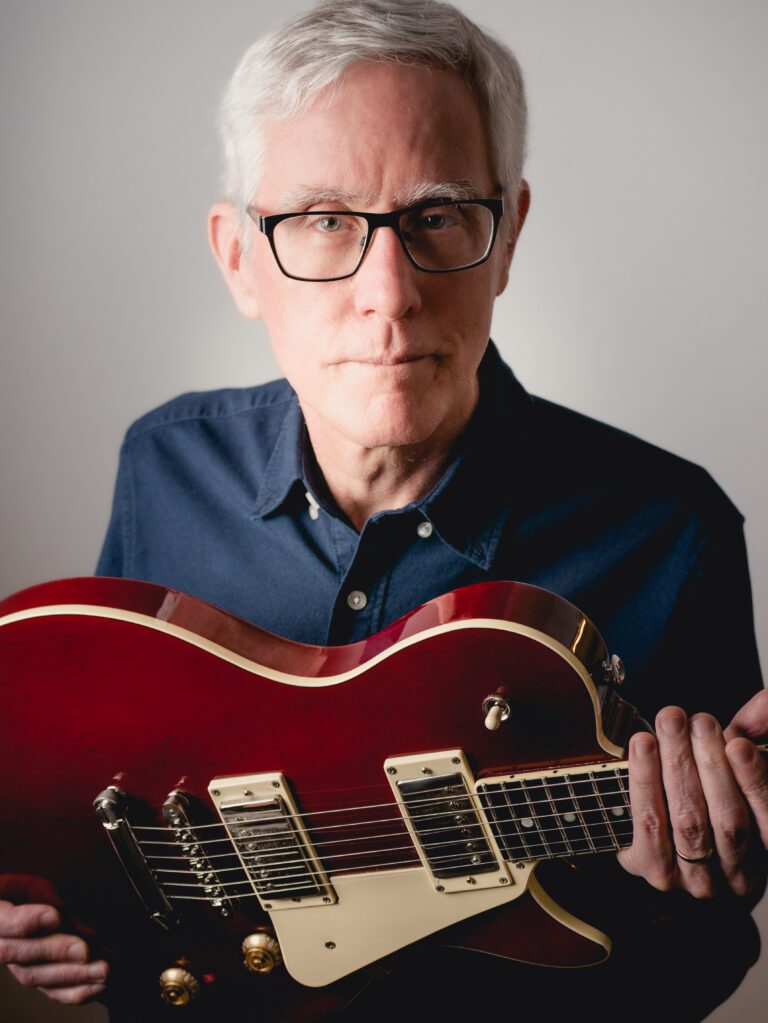
Symphonie pour guitare électrique solo composée et interprétée par Tim Brady
Tim Brady: Symphony in 18 Parts for Solo Electric Guitar (2021-22)
Tim Brady: For Electric Guitar (2024) – création – 25’
*Création

Program


Music for solo electric guitar, composed and performed by Tim Brady
Tim Brady: Symphony in 18 Parts for Solo Electric Guitar (2021-22)
Tim Brady: For Electric Guitar (2024) – création – 25’

POUR ACHETER VOTRE BILLET, C’EST ICI!

Ce contenu provient du Vivier et est adapté par PAN M 360

Création / Electronic / violoncelle

Semaine du Neuf 2025 : Chants Libres / Laboratoire Lyrik 03 – La voix lumineuse

by Rédaction PAN M 360

Dans ce nouveau Laboratoire lyrik de Chants Libres, les artistes explorent les concepts de présence et d’absence.
Présenté à La Chapelle Scènes Contemporaines, ce projet de recherche-création réunit le scénographe Cédric Delorme-Bouchard, la comédienne Jennyfer Desbiens, la violoncelliste Audréanne Filion, la mezzo-soprano Marie-Annick Béliveau et le compositeur Frédéric Lebel, dans un triptyque alliant voix, violoncelle et électronique. La dramaturgie sonore et lumineuse met en avant la métamorphose des corps physiques sur scène, offrant au public une immersion dans la création lyrique contemporaine.

The new Laboratoire Lyrik of Chants Libres explores the concepts of presence and absence.
Presented at La Chapelle Scènes Contemporaines, this research-creation project brings together scenographer Cédric Delorme-Bouchard, dancer Jennyfer Desbiens, cellist Audréanne Filion, mezzo-soprano Marie-Annick Béliveau and composer Frédéric Lebel, in a triptych combining voice, cello and electronics. The dramaturgy of sound and light focuses on the metamorphosis of physical bodies on stage, immersing the audience in contemporary lyrical creation.

Programme

Frédéric Le Bel / Cédric Delorme-Bouchard
Laboratoire lyrik 03 : La voix lumineuse (2025) – 60′
Création

Program
Frédéric Le Bel / Cédric Delorme-Bouchard
Laboratoire lyrik 03 : La voix lumineuse (2025) – 60′
Premiere

POUR ACHETER VOTRE BILLET, C’EST ICI!

Ce contenu provient du Vivier et est adapté par PAN M 360

Modern music / musique actuelle

QMP 2024 | Combining Intensity and Intimacy

by Alexandre Villemaire

A repeat of the double bill on October 5 at La Chapelle in the Québec Musiques Parallèles program. Opening the evening, the artist duo of Chantale Boulianne and Sara Létourneau presented for a second time their performance piece Ce qui reste quand la peau se détache du corps, which we were able to appreciate in person the day before (see our review here).

The second half of the evening was taken up by the members of E27, a Quebec City-based ensemble and creative organization. Founded in 1999 by Patrick Saint-Denis, Alexis Lemay and Yannick Plamondon, the organization has been working for 25 years to discover, create and disseminate new music in Quebec, and particularly in the National Capital Region, carving out a lasting place for itself in the creative music ecosystem. However, the ensemble’s visits to the metropolis are infrequent. As Alain Brunet pointed out in a recent interview with Isabelle Bozzini, an initiative like QMP’s, which encourages the dissemination of genres and the exchange of protagonists, is both timely and welcome for the free circulation and sharing of musical universes.

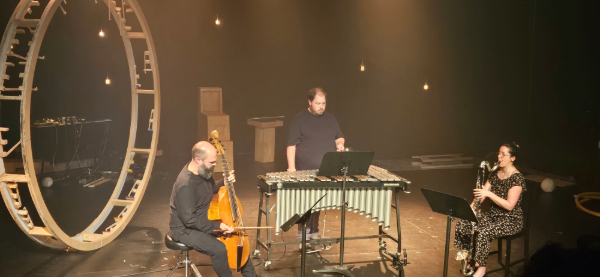
The work on the program was a piece by Pierre-Yves Martel, Chance Variations, premiered in 2023 by E27. The piece features a relatively motley crew: a viola da gamba, with Martel himself as performer, a vibraphone played by Raphaël Guay – who is also E27’s artistic director – and a bass clarinet played by Mélanie Bourassa. The work “incorporates aleatoric procedures and explores the notion of repetition through superimposed melodic cells that gradually evolve over time”. A little like Davachi’s work the day before, the notion of time and its elasticity is present in Martel’s work and offers, after the sensory and visual intensity of Létourneau and Boulianne’s performance, a moment of weightlessness and serene floating for the listener. The play of textures was, however, more varied and the form much more active.

Evolving in a structure where note shape and selection have been determined at random (using dice) and where rhythms, note sequences and registers have been freely constructed, the performers exchange bass notes to sustain a random harmony where the various constituents create a play between the pitches and timbres of the instruments. As the piece progresses, moments of dissonance become perceptible, mainly from the strings, which create a slight element of tension, while the clarinet and vibraphone are unperturbed. Tonal anchor points where the timbres of the instruments meet, creating a kind of sonic saturation by harmonics of gentle intensity. The result is a meditative, deeply introspective piece that continues to capture our attention.

Putting together a double bill is always a balancing act between creating variety and discovery without creating too great a stylistic imbalance between the parts. QMP’s Montreal program is very fair in this respect, offering both complex and more intimate works. However, care must be taken not to fall into too marked a stylistic opposition, in order to keep the listener’s attention.

Photo credit: Alexandre Villemaire

musique actuelle / musique contemporaine

QMP | The Art of Making Music in What Remains When the Skin Separates from the Body

by Alexandre Villemaire

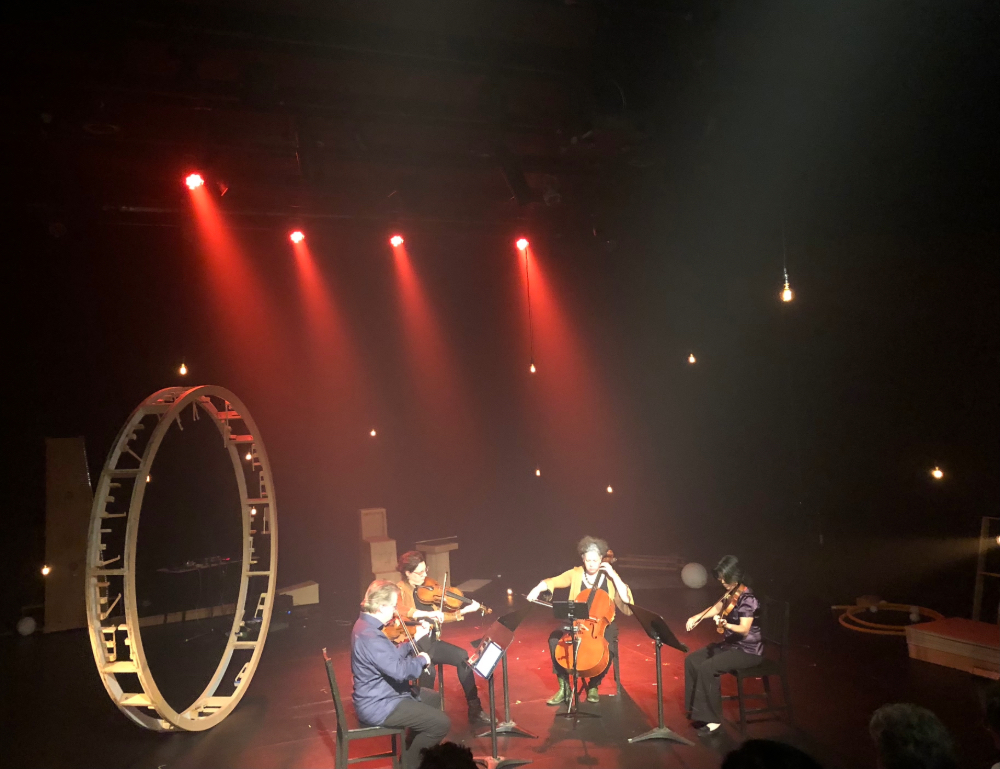
“Breaking down barriers between genres and provoking encounters”. That’s how Isabelle Bozzini introduced the first evening of three concerts in Montreal for the fourth edition of Québec Musiques Parallèles (QMP), a decentralized contemporary music festival with programming spread across several cities in Quebec and New Brunswick. The first evening featured a double bill, with the performance work Ce qui reste quand la peau se détache du corps by Sara Létourneau and Chantale Boulianne, and Sara Davachi’s Long Gradus performed by the Quatuor Bozzini (Isabelle Bozzini, cello; Stéphanie Bozzini, viola; Clemens Merkel and Alissa Cheung, violins). The meeting of genres was indeed on the agenda, with two works in very different formats.

The latest in a collaboration initiated between Davachi and the quartet in 2020 as part of Composer’s Kitchen, the quartet’s professional creation residency for up-and-coming composers. Davachi’s work plays on the notion of time and its elasticity. Made up of four parts, the piece develops through a slow, sustained succession of notes that create a suspended effect, haloed by the carential chords that are played. There is no great acrobatic virtuosity in this work, but stamina and strong technical mastery to control the equality of the sound flow and make the different pitches evolve. The intensely meditative atmosphere contrasted dramatically – perhaps a little too dramatically – with the performance of Létourneau and Boulianne in the first half.

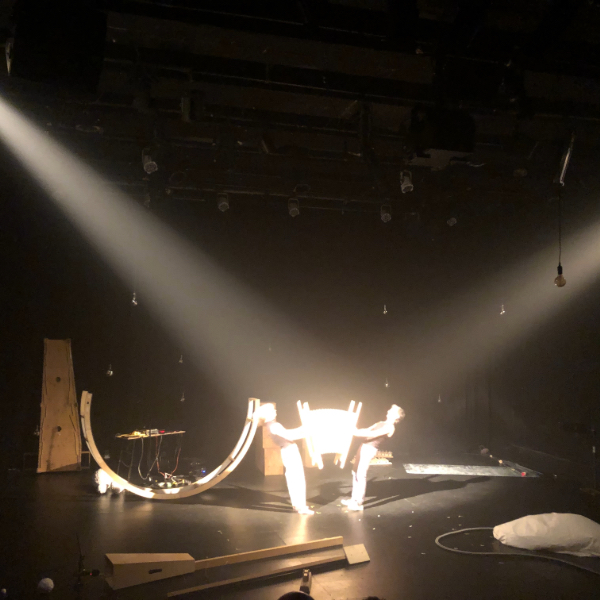
As soon as we enter the Théâtre La Chapelle, we enter the creators’ universe, with a dense scenography on stage: two wooden arches, suspended light bulbs, various structures in different shapes and a sound console welcome us. A show at the crossroads between performance art, sound art and scenic devices, the work is a journey in which different tableaux unfold before our eyes and ears. The show plays on themes of physicality, anguish, life and death, featuring a sound environment and, above all, the unique, oversized instruments crafted by the artist duo. Over the course of the 75-minute performance, the artists unveil musical tableaux featuring instruments of their own making, competing in ingenuity and symbolism.

A giant bellows – made following a training workshop with an accordion maker – that creates wind and makes metal mobiles vibrate, a counterweight bass whose pitch is determined by the mass applied to it, the rond-koto, are just some of the elements that mark out the structure of the work, all amplified and magnified by the lighting effects and sound treatments that invade the space. We’re swept away by the performance, impatient to discover which new instrument will emerge from the space, what sound it will produce and how. One of the highlights of the performance comes when the two artists perform a violin-making act before our very eyes, creating a huge instrument backed by a mechanically rhythmic soundtrack.

As the performance unfolded, musicologist Christopher Small’s (1927-2011) term musicking came to mind. In short, for Small, music is not a noun, but a verb. The term implies that performance is central to the musical experience, and the act of performing includes both performers and audience. Every element, from the making of the instruments to the intermediality of the artistic process, the sound of footsteps, the theatricality of gestures and words, the marbles that fall and roll randomly, the switching on of a light, the movement, the audience’s reactions: all these constituent elements are part of the work and are music. That’s what makes it unique and accessible.

So, what’s left when the skin comes off the body? A complete, captivating work, but above all a performance-experience that can’t just be described in words, but must be heard, experienced and seen.

Photo Credit: Le Vivier

Contemporary

Semaine du Neuf | Afghanistan, looking back at us

by Frédéric Cardin

One of the highlights of the Semaine du Neuf festival, organised by le Vivier in collaboration with Innovations in concert, was the musico-video-cinematic-theatrical adventure concocted by Montreal composer and instrumentalist Sam Shalabi and Ontario writer-actor Shaista Latif. For more details on this work, whose starting point is an old Afghan film partly projected on screen during the evening, listen to the interview I conducted with the main protagonists of the creation (it’s here!!).

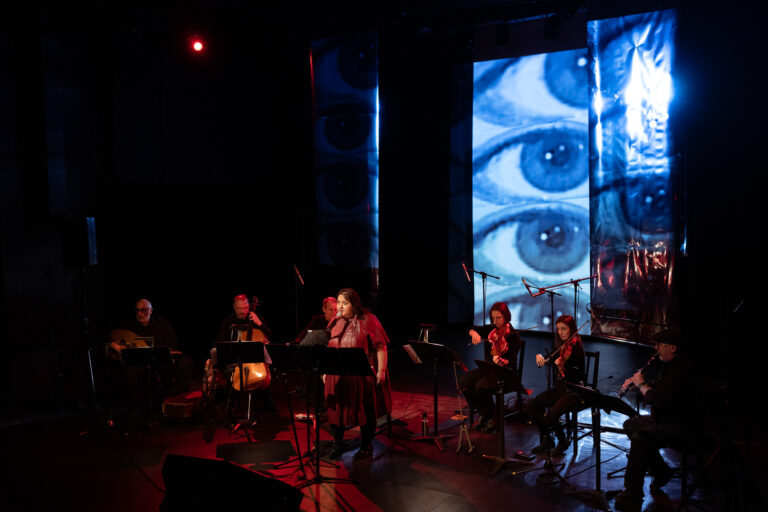
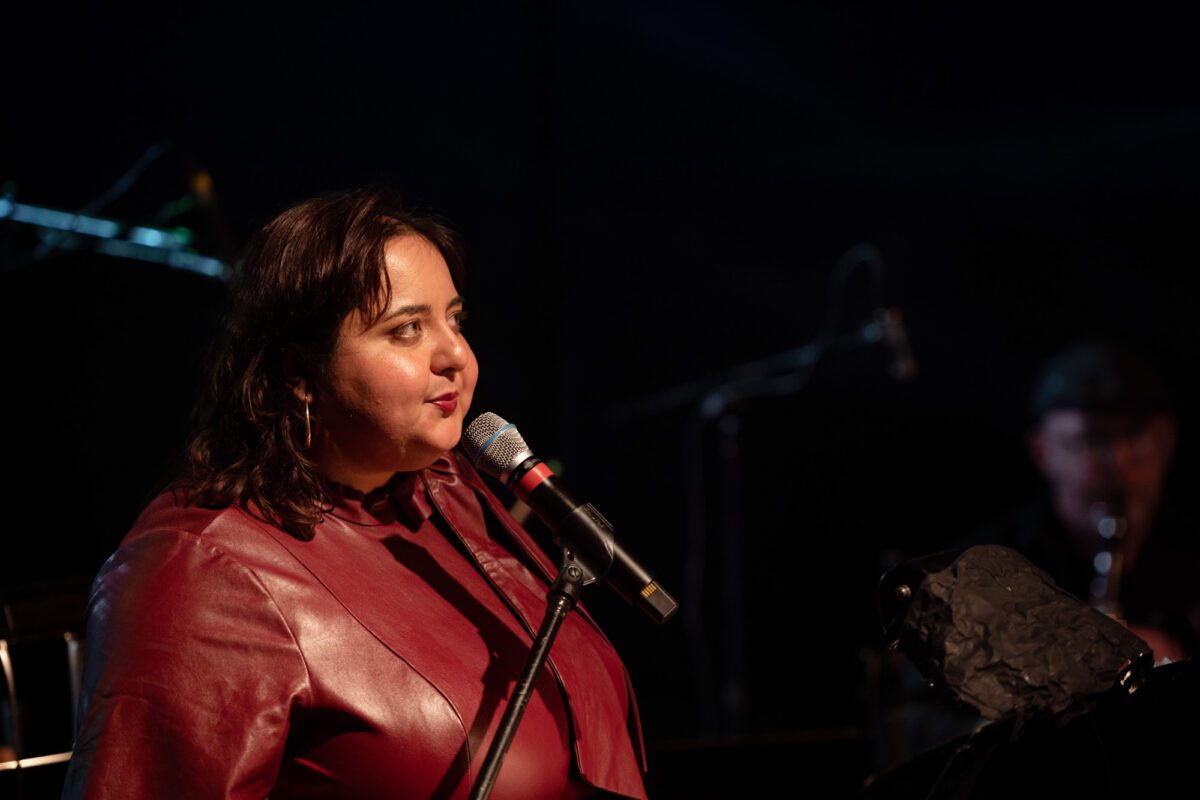
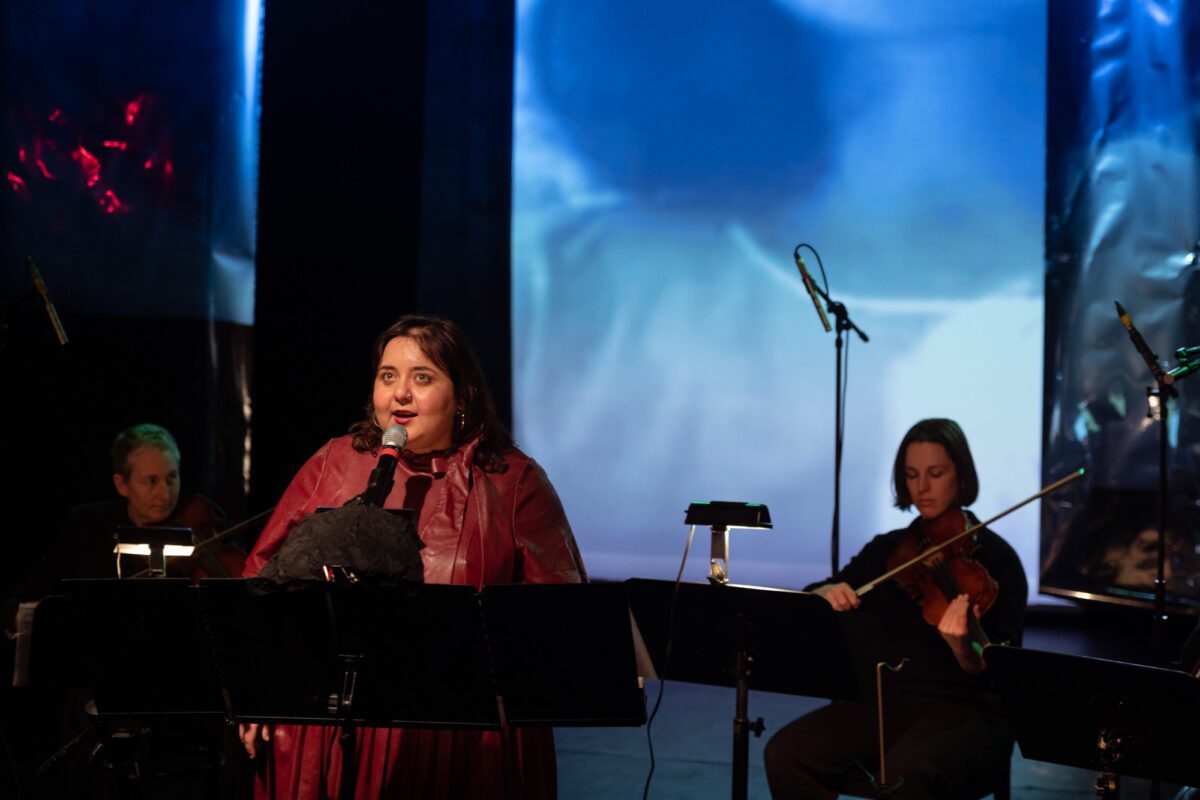
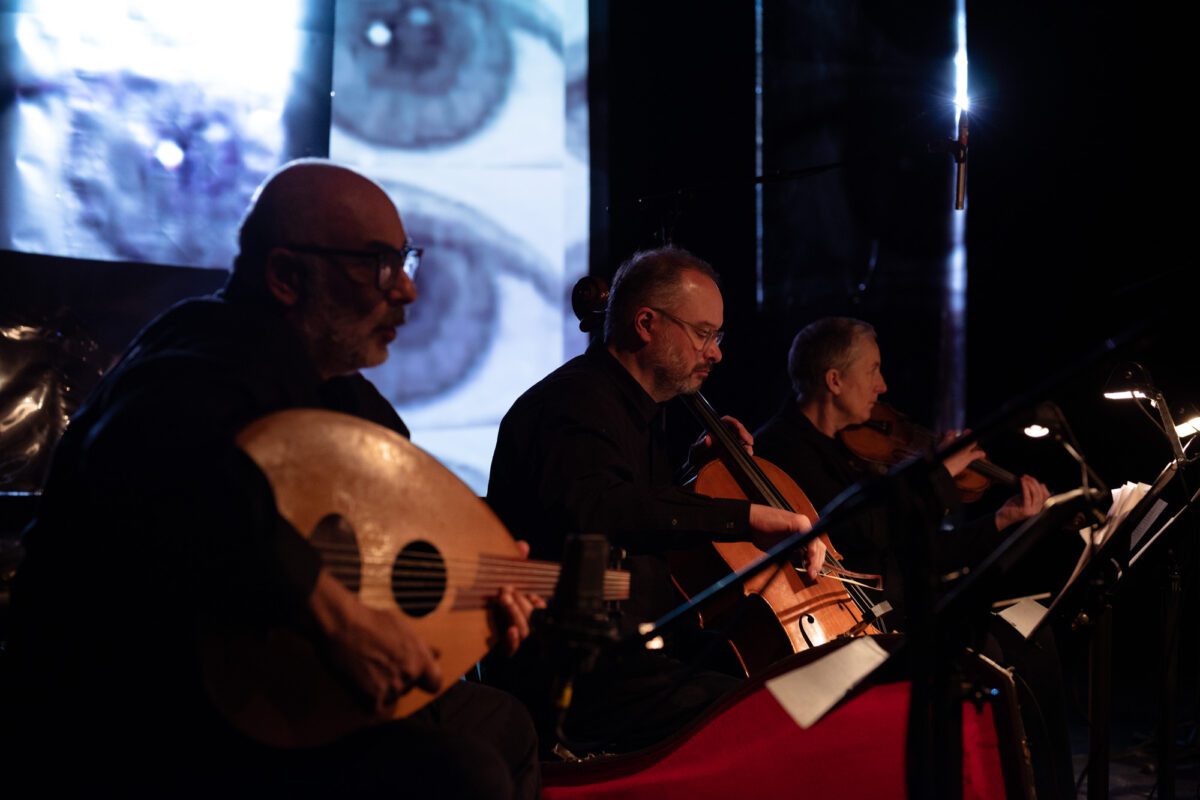
This intriguing proposal came to fruition on Wednesday evening, 13 March, at La chapelle scènes contemporaines in front of a packed house. On stage, a string quartet plus Shalabi himself on oud and electric guitar, and Shaista Latif standing up, narrating her own text, superimposed on the film images and music. 

Shalabi’s music has a fine modal classical feel, with appropriate but not overdone oriental hues. There are rare moments of more chromatic exploration, and sparse atonal touches, as in the section where Latif’s text refers to the attacks of 9/11 2001. Here, for the only time in the show, the guitar shrieks and unleashes a strident energy that is fully in keeping with the reprise of a speech by a certain American president by a Latif oozing sarcasm. On the screen, a young girl dreaming of modernity sees planes flying overhead. She is filled with pride, but the contrast is heartbreaking with the revenge-filled speech swollen with aggressive nationalism recited by Latif. Other planes will fly over the skies of Afghanistan many years after the film, but with far less noble results for the country. One patriotism follows another, but in the end the Afghans themselves are just spectators. A beautiful reversal of direction, and probably the most powerful moment of the show.

Through the character of the young girl in the film who dreams of the city and its modernity, Latif recounts her own questions about identity. The images are as much a pictorial backdrop as they are symbolic and psychological projections of a revealed intimacy. And above all, she also questions our relationship with patriotism and nationalism. Afghanistan (through the eyes of the young girl) and its shattered dreams of modernity hold up a mirror to our own shattered dreams. In relation to that country, we have “succeeded”, but to do what exactly? It’s not a question of denying anything about our way of life, but of reevaluating and reframing it in a context where we absolutely must question the values that will drive this still young 21st century, in order to get through it and come out better than when we started. Maybe.

I’d like to point out one detail of the staging (for future performances): two vertical veilsof silvery hues bordered the screen. However, where I was sitting, one of these strips obscured part of my view of the film because of the lighting reflections that accumulated on it. We’ll have to think of something else…

That said, at barely forty minutes long, the show has no time to bore and we come away satisfied with a discovery (I’d never, ever heard of this film) as well as having been moved to think soberly about some burning issues. 

The original film Like Eagles (”Mānand-e ‘Oqāb” in the original language) is available for free online : 

expérimental / contemporain

Semaine du Neuf: Magali Babin, Microfaune

by Rédaction PAN M 360

A vibrant encounter between high-tech and low-tech technologies, highlighting the beauty, fragility and crisis of our natural and sonic environments.

Interdisciplinary artist Magali Babin and guests Erin Gee and Thibaut Quinchon present an immersive space and art installation featuring performances by Ensemble SuperMusique and the Joker Choir.

Four works are on the program, including three creations: Magali Babin, who pays attention to endangered species living in wetlands; Erin Gee, who explores biofeedback and biosensors, how they vibrate in matter and their effects on light; and Thibaut Quinchon, who creates a sound installation that serves as an environmental link throughout the evening. The program is completed by a work by Sandeep Bhagwati composed in 2017, which fits perfectly with the evening’s theme (presented as part of the SMCQ’s Tribute Series).

Une rencontre vibrante entre technologies dites hi tech et low tech qui met en relief la beauté, la fragilité et la crise que vivent actuellement nos environnements naturels et sonores.

L’artiste interdisciplinaire Magali Babin et ses invité·e·s, Erin Gee et Thibaut Quinchon, présentent un espace immersif et une installation artistique où performent l’Ensemble SuperMusique et la Chorale Joker.
 Quatre œuvres sont au programme dont trois créations : Magali Babin qui porte attention aux espèces menacées habitant les milieux humides; Erin Gee qui explore des biofeedback et biocapteurs, comment ils vibrent dans la matière et leurs effets sur la lumière; Thibaut Quinchon qui crée un habillement sonore qui sert de liant environnemental à toute la soirée. Le programme est complété par une œuvre de Sandeep Bhagwati composée en 2017 qui s’adapte parfaitement à la thématique de la soirée (présentée dans le cadre de la Série Hommage de la SMCQ).


TO BUY YOUR TICKET, CLICK HERE

This content comes from Le Vivier and is adapted by PAN M 360.

Subscribe to our newsletter