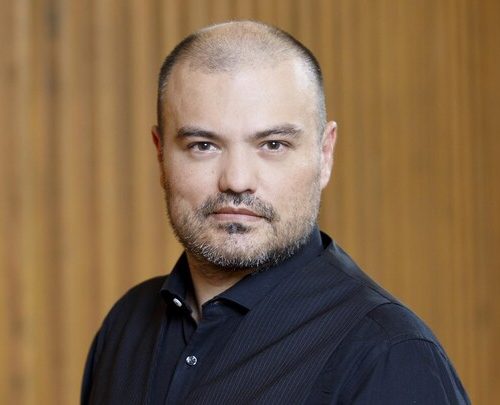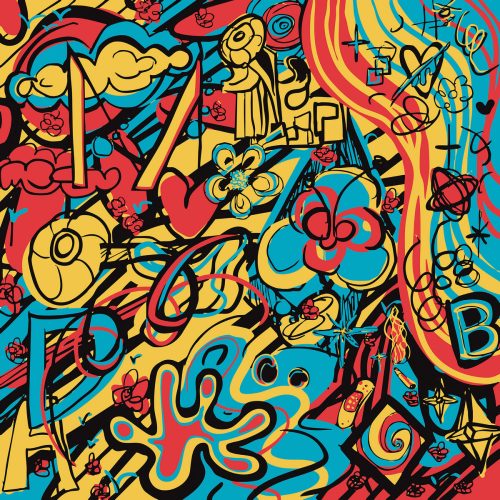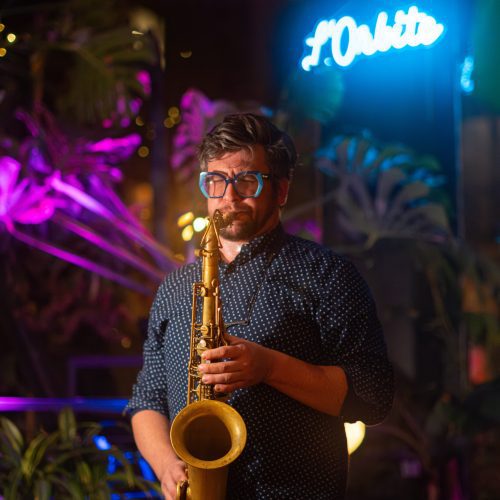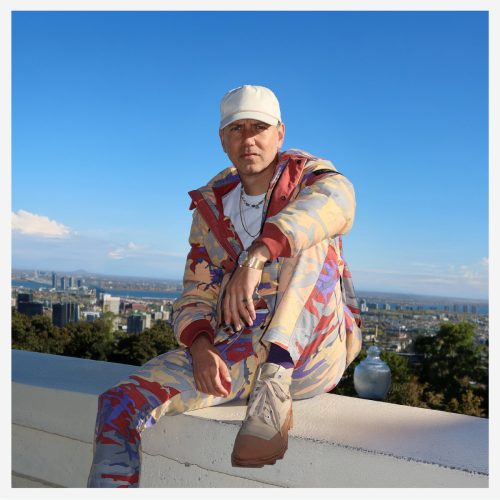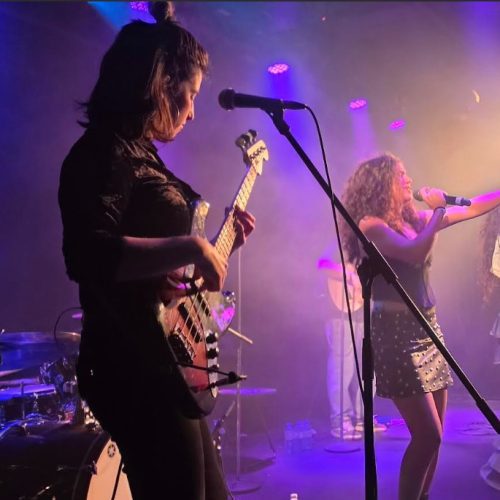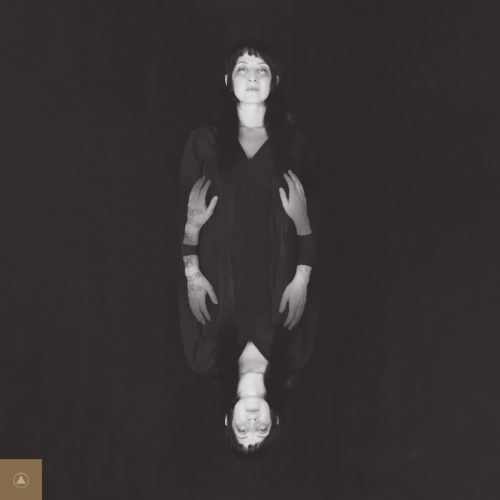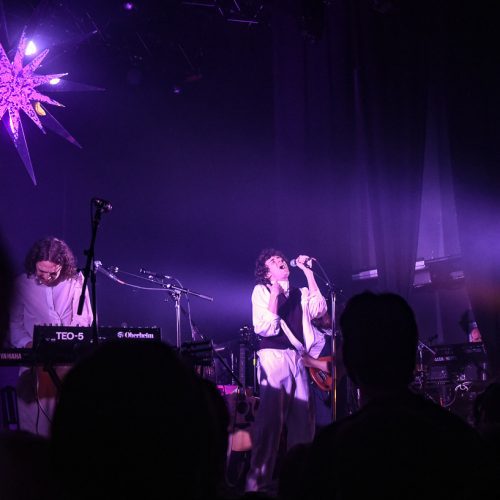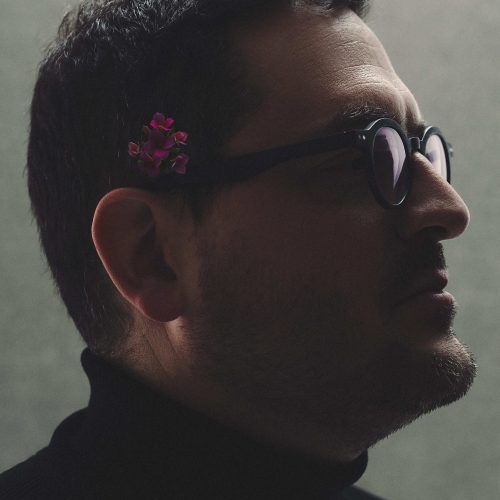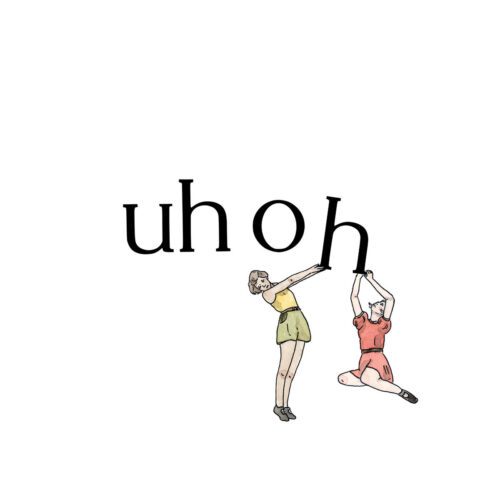
Seven long years later, Patrick Watson returns, living up to expectations more than ever, with Uh Oh, his eighth album, so titled because of the series of mishaps that have occurred in his life.
In fact, the album was born out of one of those accidents: Patrick lost his voice for a few months and had to face the frightening possibility of never being able to sing again. Out of necessity, he shared his songs with inspiring voices he had always dreamed of collaborating with, such as Martha Wainwright, MARO, and Klô Pelgag, in order to bring his songs to life in a different way.
He then found his voice again, and the concept was born. Recorded in several countries (Canada, the United States, Mexico, and France) in a minimalist style (often in 1-2 takes), the atmospherically produced album is remarkably unified, while presenting us with a diverse palette of soundscapes and inspirations. Each song is a short film that honors the guest voices. It expresses the fear, healing, reconstruction, and hope experienced by the artist, transforming the album into a vibrant testimony of art transcending hardship.
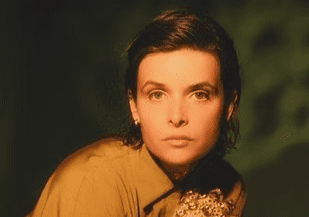
We begin the journey with the magnificent voice of French artist November Ultra, who herself experienced a bout of physical paralysis following her tour, and who is featured on the neo-classical track Silencio. She entices us with beautiful Spanish vocals until Patrick appears and declares from the outset: “I lost my voice ’cause I talked too loud / like an old friend that ain’t hanging around” against a backdrop of conscious and anguished poetry where the harmonies are spot on and the silences have their own score.
On Peter and the Wolf, with its mind-boggling meticulousness, the tension rises a notch with the disturbing narrative and gloomy modular synths that draw us into a film noir with electro touches, allowing us to appreciate a more exploratory side (Bon Iver, Thom Yorke).
Next, on “The Wandering”, MARO, the multi-instrumentalist and producer who represented Portugal at Eurovision in 2022, is featured on this cinematic track where strings and bossa nova influences intertwine to sing a duet with Patrick: ” Got a nowhere kinda fever like melancholy’s a-dreaming/And that’s my favorite kind of feeling.”
Next comes Choir in the Wire, where Patrick is paired with acoustic guitar, enriched by the addition of melancholic brass instruments à la Beirut, to accompany his reflections on loss and distance, symbolized by the superb female backing vocals. On the title track “Uh Oh”, Charlotte Oleena, whom he met in a café, provides the crystal-clear guest vocals over orchestral arrangements and percussion reminiscent of marching music, reminding us that there is beauty even in the unexpected, while Patrick philosophizes about the media coverage of the world and the rise of technology.
On “The Lonely Lights”, he reunites with his close collaborator Ariel Engle from La Force to deliver an emotionally charged piece centered around the piano, where obsessive thoughts and remorse are repeated against a backdrop of soul-jazz vocals and inspirations from Jeff Buckley.
Next comes “Ami Imaginaire”, a collaboration in which the artist ventures deeper into electronic territory with vocals inspired by our beloved Klô Pelgag, accompanied by saturated textures. We are then treated to the voices of Hohnen Ford and Patrick coming together in a short melodic progression where the inspiration of Florence & The Machine is not far away.
Next comes the masterful “House on Fire” featuring Martha Wainwright, whose country-inflected vibrato and intensity provide the perfect dramatic counterpoint to Watson’s more vulnerable performance. The piece is gracefully arranged, with just enough orchestration where cannons and violins blend with Martha’s guitar to create real chemistry, both vocally and musically. We are treated to beautiful moments of poetry such as “I’ll be wrong/You be right/I don’t mind/I just wanna make it right” in a soundscape tinged with Fleetwood Mac.
“Gordon in the Willows” is performed with Charlotte Cardin in the foreground, a fragile interpretation that gradually increases in intensity over a minimalist piano riff and autotune that reveals oriental quarter tones. Finally, the only French track, “Ça va”, brings the whole journey of anxiety and reconstruction full circle, inviting Solann onto a production filled with hope and touches of French cinema. It’s a reminder of where Patrick comes from musically and reassures us about what’s to come.
Once again, through these eleven songs, Patrick demonstrates his incredible ability to create cinematic soundscapes where the voice remains at the center of the work, shifting from delicate melodies to exploratory electronic pieces, allowing him to evolve in both the pop and avant-garde worlds. As we listen, each sound, percussion, texture, and silence serves the song and brings together disparate elements, while presenting us with an impressive collection of voices that are all perfectly relevant and enveloped in meticulous production.
An intimate album that becomes a chronicle of resilience, it offers a powerful ode to collaboration. This is the culmination of his work over the last twenty years. And it reminds us that sometimes the most difficult moments can generate the most essential art. One of the best albums of 2025, in my humble opinion.