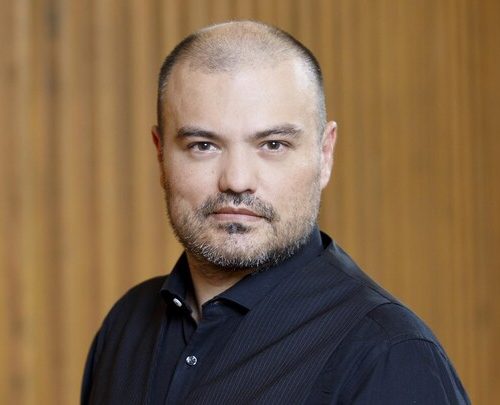
A graduate of the Berklee School of Music, Christophe Chassol has the wind in his sails, having worked notably with Frank Ocean and Solange Knowles in the U.S., and Sébastien Tellier and Phoenix in France. This shows the notoriety acquired by the French musician from Martinique. A seasoned keyboardist and multi-instrumentalist, he is above all a composer, improviser, director and orchestra leader. Essentially, his trademark is the musical transcription of spoken language, a process imagined by Quebec’s René Lussier (“Le trésor de la langue”), American Steve Reich (“Different Trains”) in the 1980s or Brazilian Hermeto Pascoal (Festa dos Deuses) in the early 90’s. The practice has been repeated here and there since then, without becoming commonplace. In 2020? Chassol takes the matter much further by adapting it to several compositional contexts, far beyond a single work. Thus, the musician applies himself to duplicating on the keyboards extracts of spoken or sung voices, which is undoubtedly the most distinctive material in this music based on groove, real rhythmic complexity, harmonic richness (contemporary jazz, soul/R&B, modern music of classical tradition, musica popular brasileira, etc.) and also on textural exploration specific to electronic music. Bilingual (French and English), this sixth album by Chassol aligns some 30 pieces, generally short but of varying lengths ranging from 20 seconds to almost nine minutes. Far from being a puzzler, as suggested by the abbreviation of ludique (“playful”) serving as a title, this album combines the qualities of compositional substance and free pleasure. The spirit abounds!
Latest 360 Content
Interview Classical/classique
Esteban la Rotta: Back to the Ancient Origins of the Lute
By Frédéric Cardin

Interview Jazz
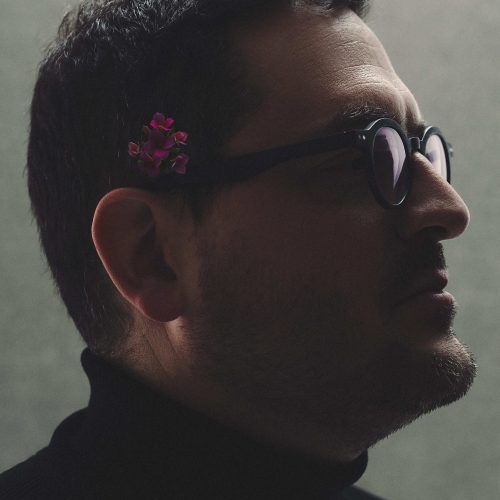
We’re talking with John Sweenie about Mysticism for Intellectuals, an album that will make the “Best of” list for 2026.
By Frédéric Cardin
Interview Classical/classique
Beethoven and Brahms: First and Last Flames of Musical Passion on the 9th Floor
By Frédéric Cardin
Concert review Classical/classique/danse
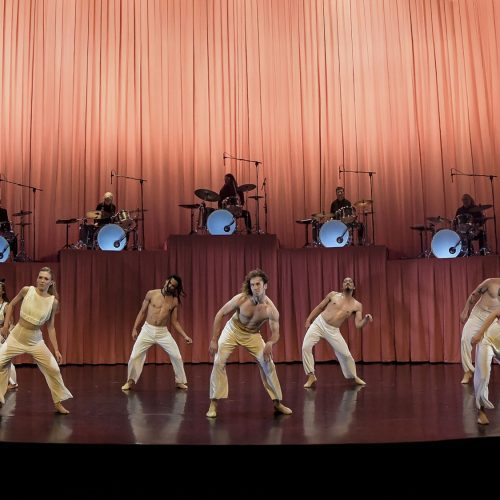
Stephanie Lake Company: Symbiosis of Strike and Movement
By Frédéric Cardin
Concert review Western European/latino/Pop/Rock
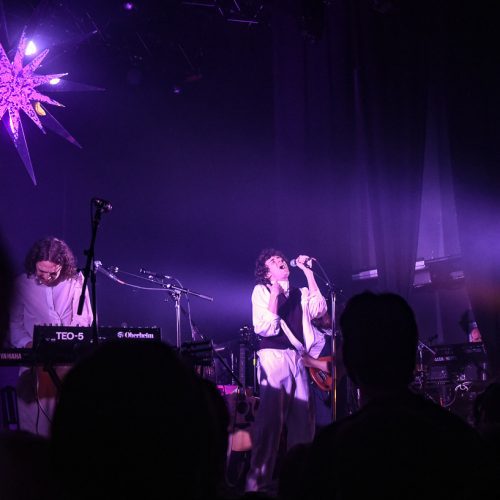
Maruja Limón, Weapon of Mass Construction!
By Alain Brunet

Concert review Jazz
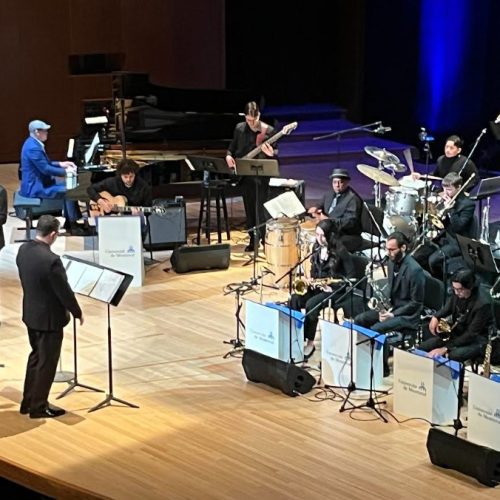
Hilario Durán and The UdeM Big Band: Caliente at Claude-Champagne Hall!
By Michel Labrecque


Interview Reggae
David Cairol and Taïro Unveil “Ticket pour Mars”, A Socially Conscious Reggae Single
By Sandra Gasana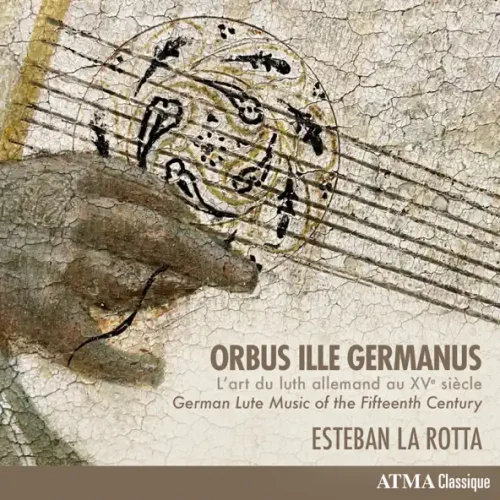
Album review Classical/classique 2026
Esteban La Rotta – Orbus Ille Germanus : L’art du luth allemand au XVe siècle
By Frédéric Cardin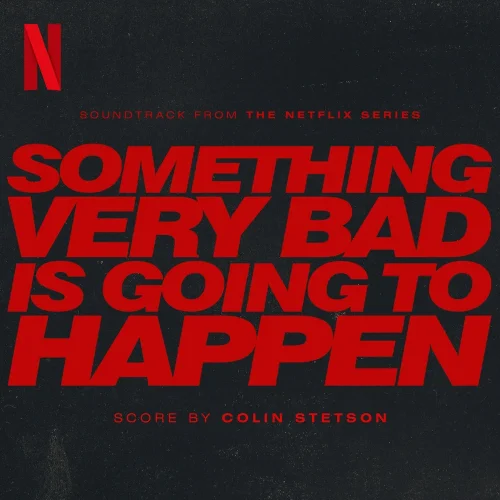
Album review Electronic/Classical/classique/expérimental / contemporain/musique de film 2026
Colin Stetson – Something Very Bad Is Going to Happen
By Frédéric Cardin
Album review Classical/classique 2026
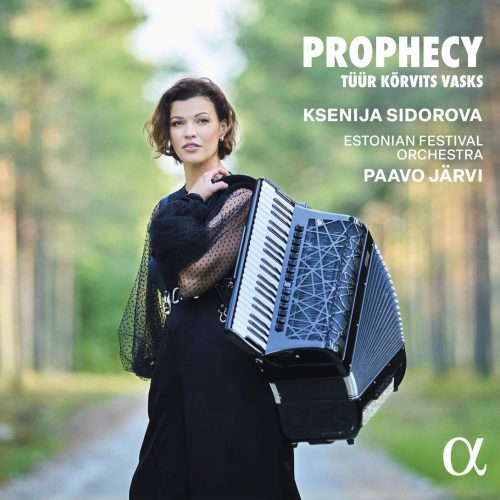
Ksenija Sidorova – Prophecy : Tüür, Kõrvits, Vasks
By Frédéric Cardin
Album review Dark Trance/Psytrance/Electronic 2026
Mirror Me – When Voodoo Hoodoo Meets Mirror Me
By Frédéric Cardin