Am I the only one who discovered Park Hye Jin through YouTube’s algorithms? She’s part of the wave of generation of South Korean DJs and producers – also including Yaeji, Yeule and Peggy Gou – who have been enjoying some success for the last half-decade. This leading quartet covers genres ranging from house to electro-pop, sometimes experimental. After a residency at the Pistil Dance Club (Seoul) and If You Want It, an EP released in 2018 with the memorable, delicate piano line of “ABC”, Park has distinguished herself through international tours that have taken her as far as the Panorama Bar in Berlin, a renowned nightclub for lovers of electronic dance music. Her style is a clever mix of ethereal house with an emo tendency (her vocal intonations, which sometimes seem very monotonous, can be tiring), techno and hip hop, which are not so far apart in the Western musical continuum. She sings and raps in her native Korean as well as English. From the outset, the first track of the album takes us into a deep house universe, the repetitiveness of the lyrics giving her voice a percussive power. The twenty-something lays her flow down in an assertive way on “Can You”, which reveals a much more solid kick and hyper-reverberant, textured sounds, leaning towards dub techno. The title track conjures up the experimental spirit of the American West Coast (Los Angeles), where Park’s now based. “NO” is a complete change of scenery, diving into a much colder, minimalist techno landscape. The producer steps out of the usual up-and-down pattern, and it feels good. The percussion and vocal of “How Come” bring out a ghetto-techno aesthetic counterbalanced by soft and enveloping synthetic layers. Wherever Park’s imagination takes us, we can see that she’s fastidiously neat. Some may say it’s too clean, but it’s still very effective.
Latest 360 Content
Interview Classical/classique
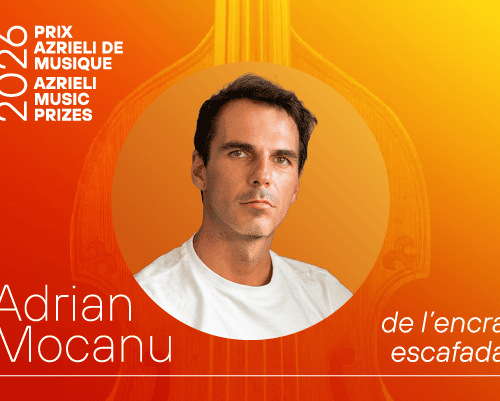
Azrieli Prize 2026 | Adrian Mocanu : ink that fades and the memory of women troubadours
By Frédéric Cardin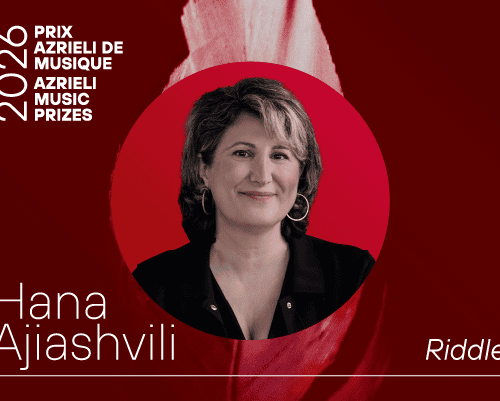
Interview Classical/classique
Azrieli Prize 2026 | Hana Ajiashvili : playing with an unsolved riddle
By Frédéric Cardin
Interview Classical/classique
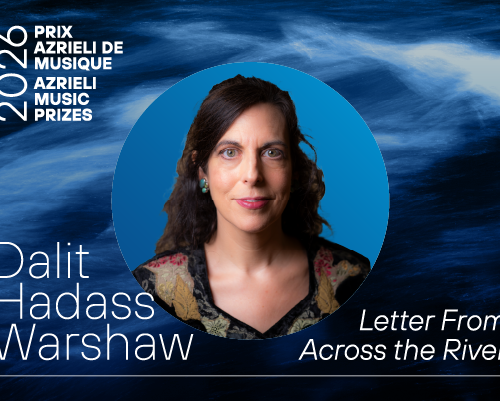
Azrieli Prize 2026 | Dalit Hadass Warshaw: a final letter before dying
By Frédéric Cardin
Interview
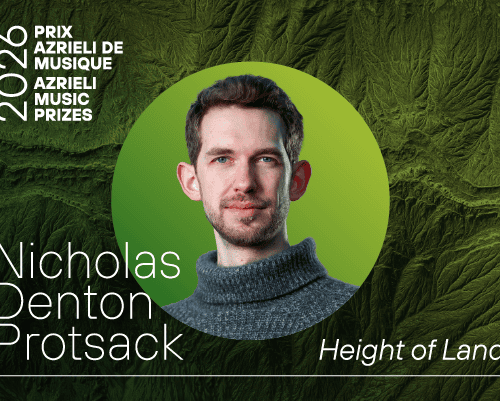
Azrieli Prize 2026 | Nicholas Denton Protsack : searching for an authentic symbiosis
By Frédéric Cardin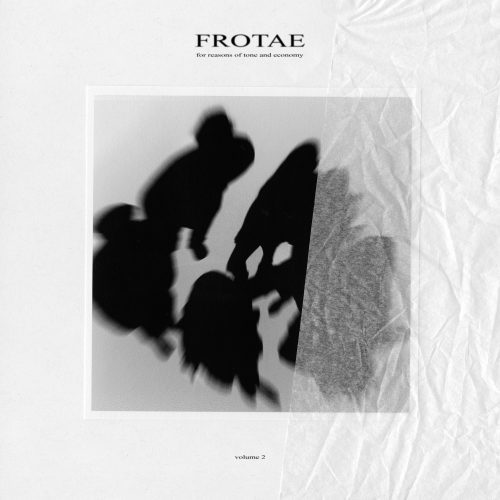
Album review expérimental / contemporain/Classical/classique/Experimental / Contemporary 2026
Liberté Anne & Frotae – Volume 2
By Frédéric Cardin
Interview Jazz/expérimental / contemporain/Spoken Word
FLUX 2026 | Kim Zombik’s Origin Stories with Silvervest Quartet at Sala Rossa
By Alain Brunet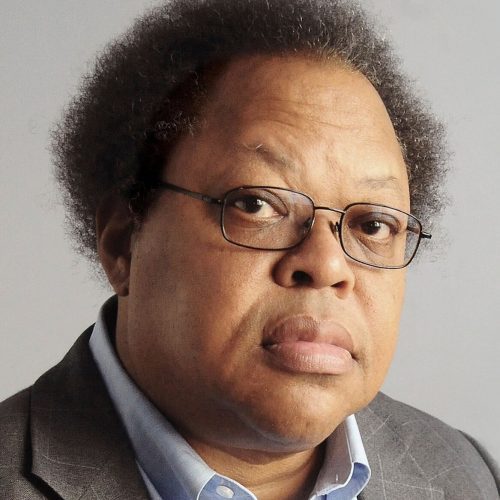
Concert review Classical/classique/Africa
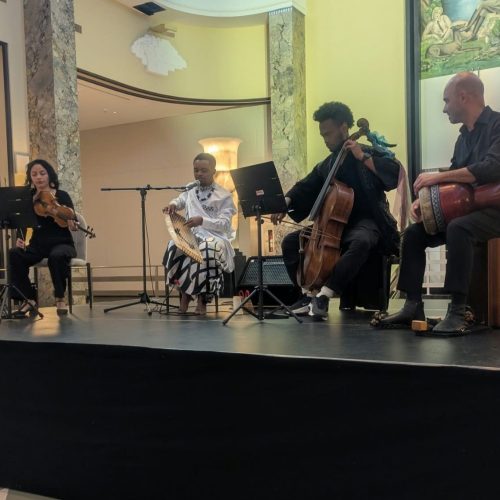
Concert at the 9th Floor : the African essence of the chaconne
By Frédéric Cardin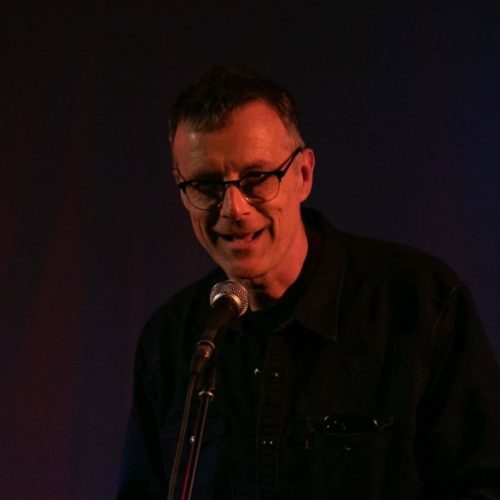
Interview expérimental / contemporain
Flux 2026 | 2nd week according to Peter Burton
By Alain Brunet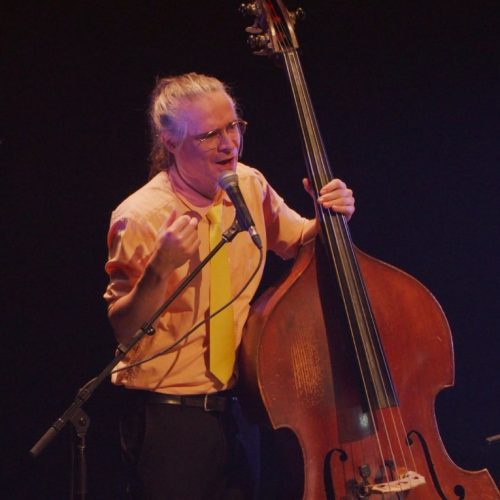
Interview Jazz/expérimental / contemporain
QMP 2026 | Hugo Blouin, spoken words and played words
By Frédéric Cardin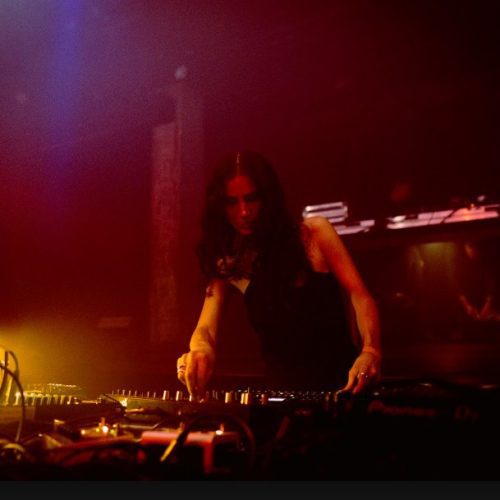
Concert review Electronic
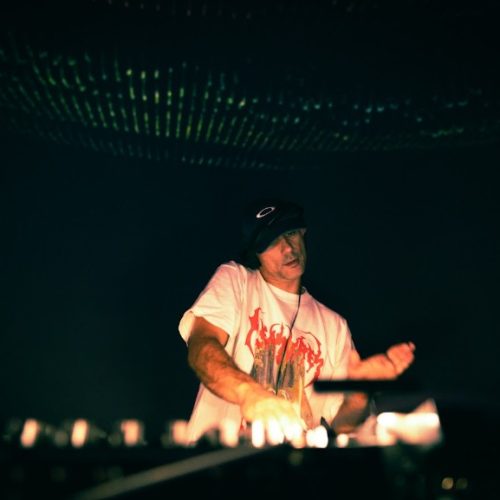
SAT X Making Time | Aurora Halal, dark, pulsating, sensual vibe with mystery and emotion.
By Julius Cesaratto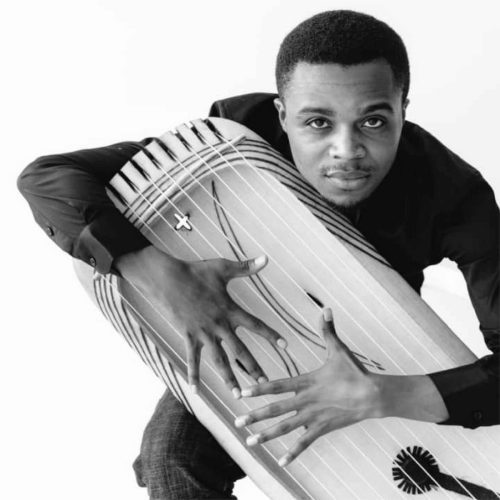
Interview Africa
VoixMonde on the 9th: meeting with the traditions of Rwanda with Deo Munyakazi
By Frédéric Cardin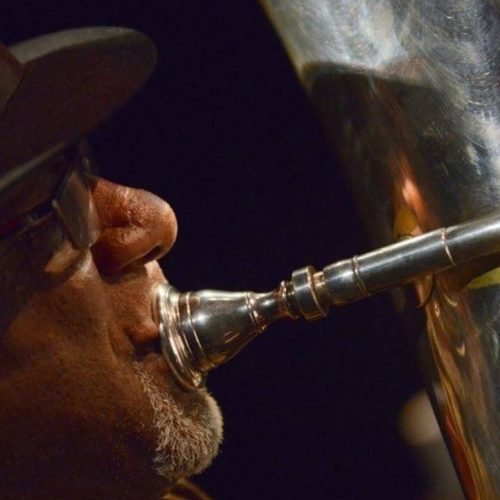
Interview Jazz
Flux 2026 | Bob Stewart, the most senior jazz tuba player performing this week in MTL
By Michel Rondeau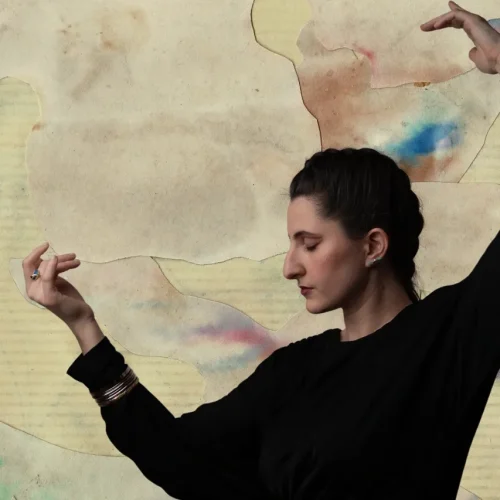
Interview Classical/classique/Experimental / Contemporary/expérimental / contemporain
Flux 2026 | Liberté-Anne presents Frotae vol. 2
By Frédéric Cardin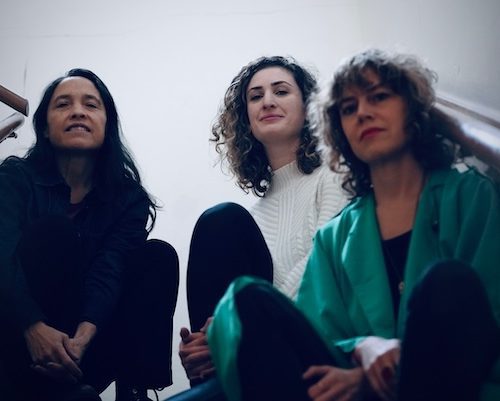
Interview Pop/Classical/classique/expérimental / contemporain/Experimental / Contemporary
Flux 2026 | No Hay Banda invites Erika Angell and pays tribute to Suoni per il popolo
By Frédéric Cardin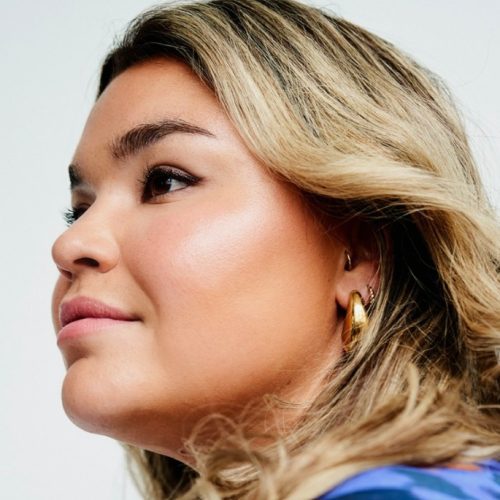
Interview classique
Nicolas Ellis, Elizabeth St-Gelais, and the Orchestre de l’Agora at Bourgie: Under the watchful eye of the Moon, angels pass by
By Frédéric Cardin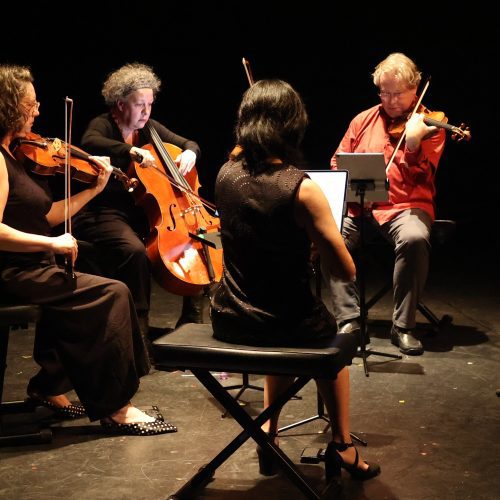
Concert review Classical/classique
QMP 2026 | Épatants quatuors de George Lewis par Bozzini
By Frédéric Cardin
Interview Electronic
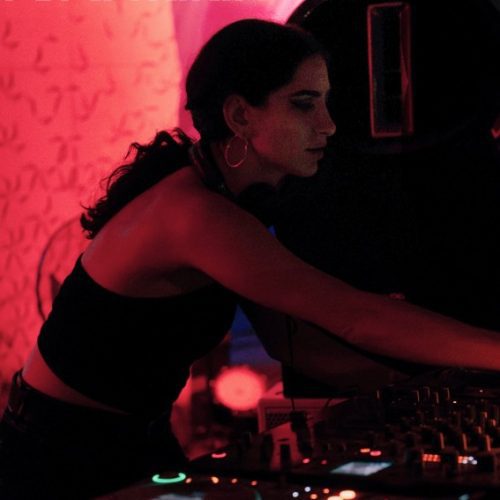
SAT/ Making Time |Aurora Halal’s One-hour Hardware Live Set Upcoming
By Julius Cesaratto
Interview Jazz/Experimental / Contemporary/expérimental / contemporain/Rock