Am I the only one who discovered Park Hye Jin through YouTube’s algorithms? She’s part of the wave of generation of South Korean DJs and producers – also including Yaeji, Yeule and Peggy Gou – who have been enjoying some success for the last half-decade. This leading quartet covers genres ranging from house to electro-pop, sometimes experimental. After a residency at the Pistil Dance Club (Seoul) and If You Want It, an EP released in 2018 with the memorable, delicate piano line of “ABC”, Park has distinguished herself through international tours that have taken her as far as the Panorama Bar in Berlin, a renowned nightclub for lovers of electronic dance music. Her style is a clever mix of ethereal house with an emo tendency (her vocal intonations, which sometimes seem very monotonous, can be tiring), techno and hip hop, which are not so far apart in the Western musical continuum. She sings and raps in her native Korean as well as English. From the outset, the first track of the album takes us into a deep house universe, the repetitiveness of the lyrics giving her voice a percussive power. The twenty-something lays her flow down in an assertive way on “Can You”, which reveals a much more solid kick and hyper-reverberant, textured sounds, leaning towards dub techno. The title track conjures up the experimental spirit of the American West Coast (Los Angeles), where Park’s now based. “NO” is a complete change of scenery, diving into a much colder, minimalist techno landscape. The producer steps out of the usual up-and-down pattern, and it feels good. The percussion and vocal of “How Come” bring out a ghetto-techno aesthetic counterbalanced by soft and enveloping synthetic layers. Wherever Park’s imagination takes us, we can see that she’s fastidiously neat. Some may say it’s too clean, but it’s still very effective.
Latest 360 Content
Interview Classical/classique
Esteban la Rotta: Back to the Ancient Origins of the Lute
By Frédéric Cardin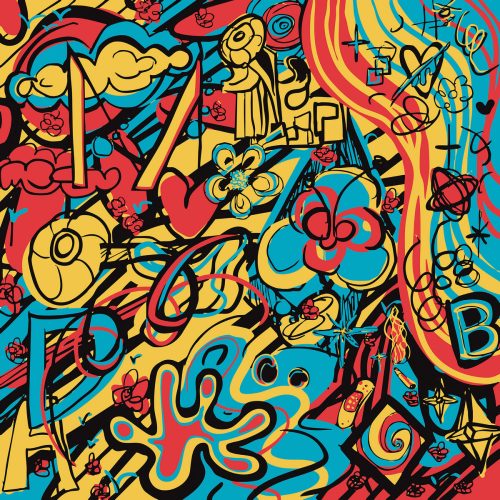

Interview Jazz
We’re talking with John Sweenie about Mysticism for Intellectuals, an album that will make the “Best of” list for 2026.
By Frédéric Cardin
Interview Classical/classique
Beethoven and Brahms: First and Last Flames of Musical Passion on the 9th Floor
By Frédéric Cardin
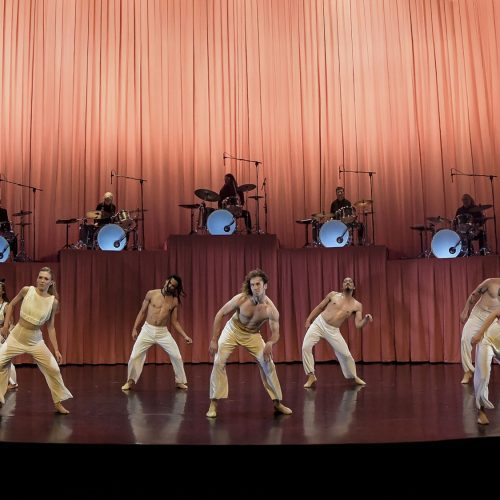
Concert review Classical/classique/danse
Stephanie Lake Company: Symbiosis of Strike and Movement
By Frédéric Cardin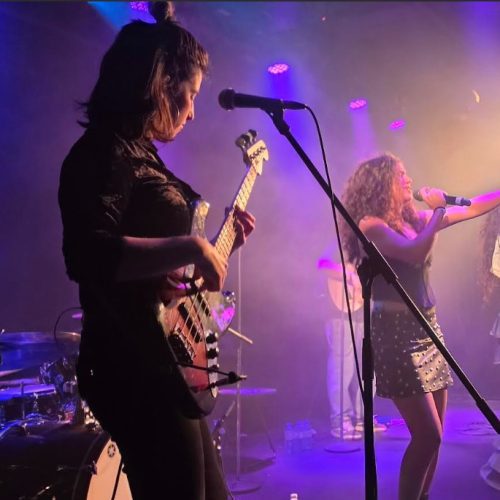
Concert review Western European/latino/Pop/Rock
Maruja Limón, Weapon of Mass Construction!
By Alain Brunet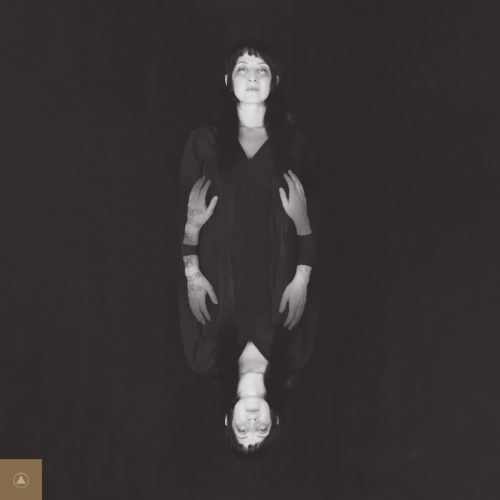


Concert review Jazz
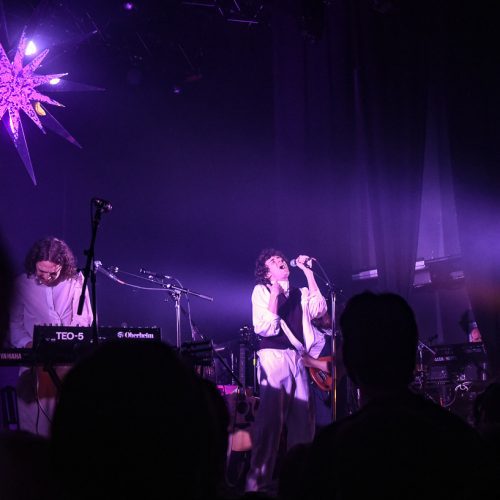
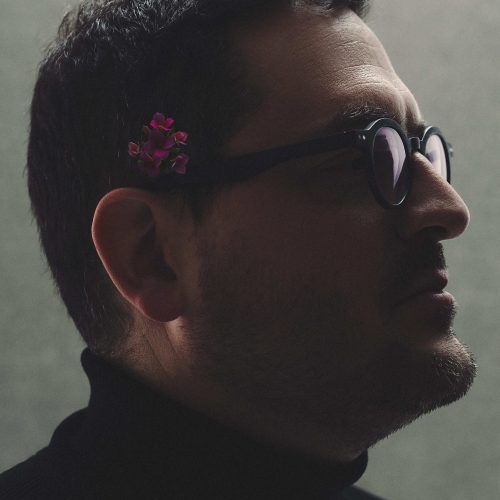
Hilario Durán and The UdeM Big Band: Caliente at Claude-Champagne Hall!
By Michel Labrecque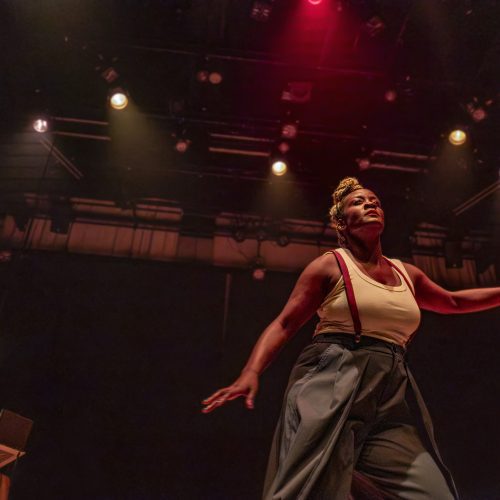


Interview Reggae
David Cairol and Taïro Unveil “Ticket pour Mars”, A Socially Conscious Reggae Single
By Sandra Gasana
Album review Classical/classique 2026
Esteban La Rotta – Orbus Ille Germanus : L’art du luth allemand au XVe siècle
By Frédéric Cardin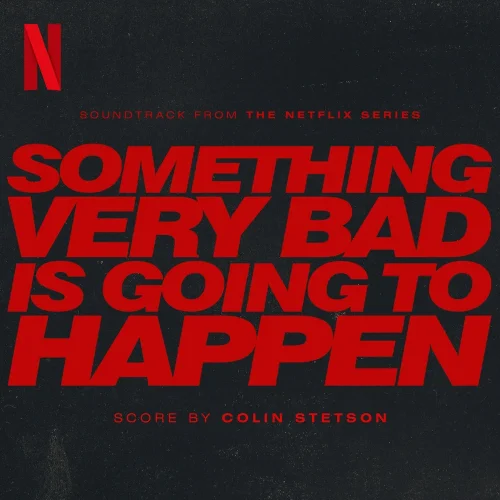
Album review Electronic/Classical/classique/expérimental / contemporain/musique de film 2026
Colin Stetson – Something Very Bad Is Going to Happen
By Frédéric Cardin
Album review Classical/classique 2026
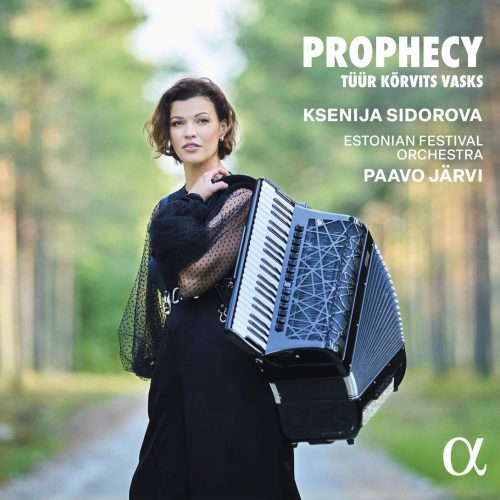
Ksenija Sidorova – Prophecy : Tüür, Kõrvits, Vasks
By Frédéric Cardin
Album review Dark Trance/Psytrance/Electronic 2026
Mirror Me – When Voodoo Hoodoo Meets Mirror Me
By Frédéric Cardin