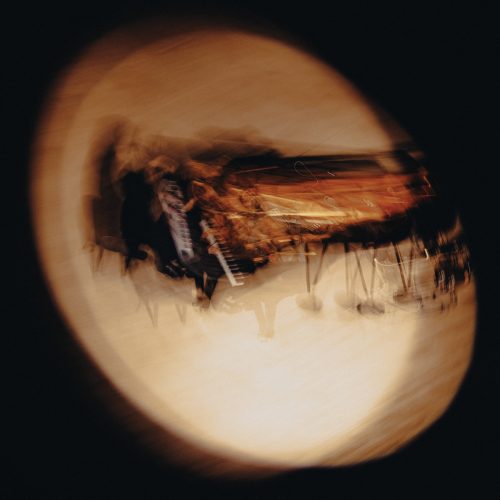
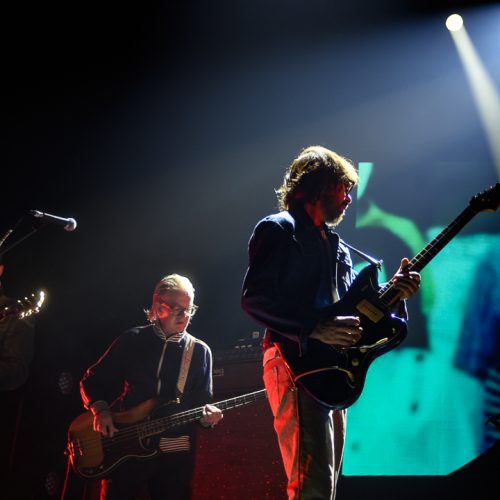
Pole is the project of the electronic musician Stefan Betke, well known to fans of German music, in the original vein of minimal glitch, a trend favoured by electro fans at the turn of the millennium (no less than four albums, between 1998 and 2001). Two decades later, where does he stand? We pick up the trail of Pole five years after the release of the critically acclaimed Wald. Already, the interest was perhaps not as pronounced as it was in the 2000s, but the release of a Pole album is still taken into account by the specialized media. We find him here on an upward slope: Fading is very good, even excellent. As Betke explains on his Bandcamp page, this new opus systematically links new works to the previous ones, the compositional development is vertical. Many years of work without any change of direction, but a fertile quest, a most coherent creative development. The dramatic curves of these eight pieces are successful. This album is sometimes reminiscent of Jon Hassell’s recent works, more technoid, more German, yet more organic than ever. Fading’s proposals prove to be sensual and luminous, full of information, as the artist’s vocabulary has been constantly enriched over time. These slow grooves and strings of patterns are certainly machine-based, but are far from square. The dubtronica integrations, almost jazz (in the sense of Hassell, and Miles circa Bitches Brew) flesh out the depth of the aesthetics. Pole position? It’s unlikely that Fading will become an emblematic album of 2020, but it’ll nevertheless delight fans of the artist.
Latest 360 Content

Interview Classical/classique
Guillaume Côté’s A Midsummer Night’s Dreams: the choreographer talks about his intimate relationship with music
By Frédéric Cardin
Concert review classique/Classical
SQMC/Chapelle Historique du Bon Pasteur: Discovering Quebec’s contemporary music
By Pietro Freiburger
Interview
Akousma| Felix Deufel introduces us to the uncharted sonic richness of the Arctic
By Michel Rondeau
Interview Classical/classique/Electronic
Akousma | Les Artefacts sonores de Roxanne Turcotte
By Alexandre Villemaire
Interview Electronic/expérimental / contemporain
Akousma | The Audréanne Filion and Myriam Bleau Duo: Where Reality and the Virtual Merge
By Michel Rondeau
Interview Electronic/expérimental / contemporain
Akousma | Exzald S, la violence du calme
By Alain Brunet
Concert review Caribbean
Mois du Créole 2026 | Richy Jay: Keeping Konpa and Zouk Alive in Montreal
By Juliana Cortes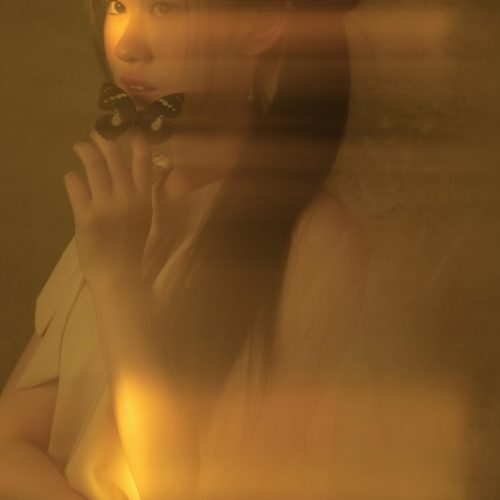
Interview arts numériques/Classical/classique/Électronique
Akousma | Melanie Zhou: Shaping Sound, Expressing Emotion
By Alexandre Villemaire
Interview arts numériques/Classical/classique/Électronique
Akousma | Alex Brisson et l’exploration musicale du feedback
By Alexandre Villemaire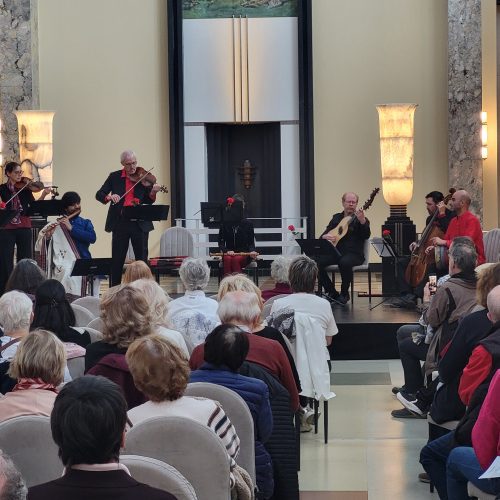
Concert review Classical/classique
Caprice at the 9th Floor: a pleasant meeting between Baroque and Carnatic music
By Frédéric Cardin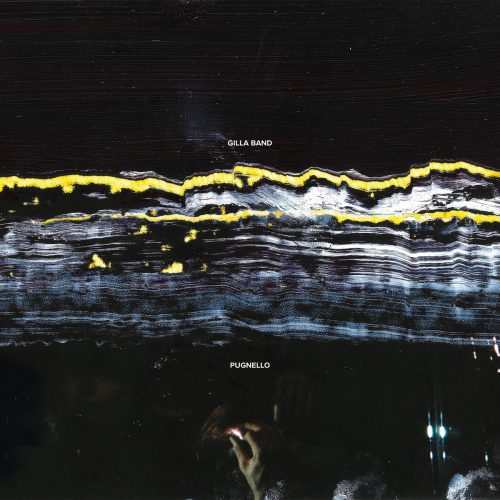


Concert review Classical/classique
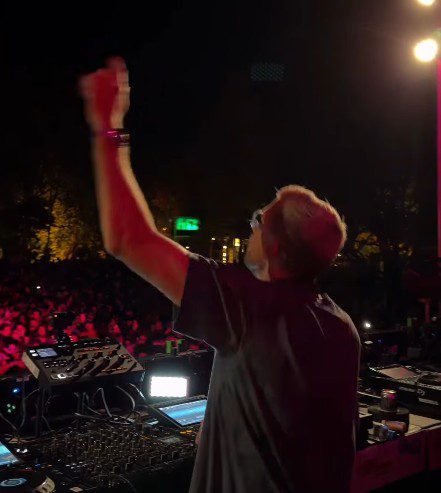
Arion: Cinderella has fun and unleashes her magic
By Frédéric Cardin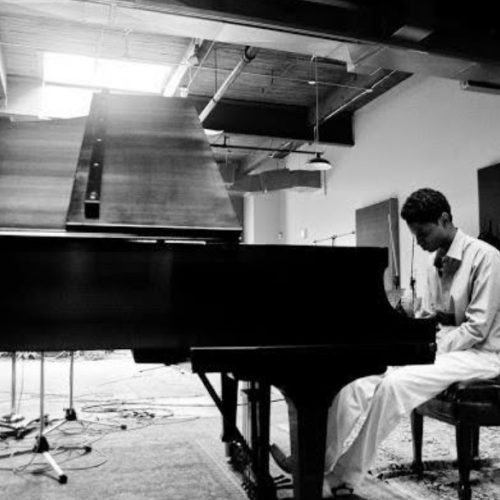
Interview Caribbean/Piano
Mois du Créole 2026 | David Bontemps: Between the Piano and Dessalines’ Legacy
By Sandra Gasana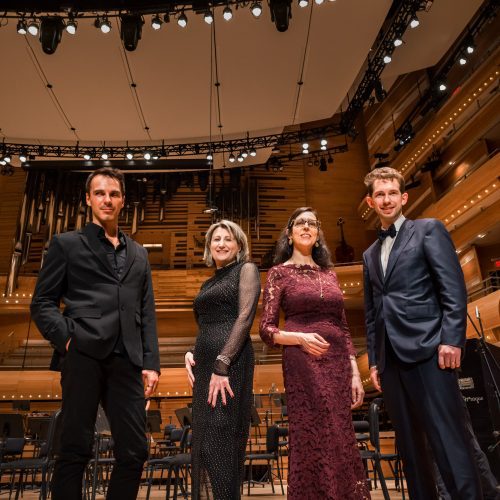
Concert review Classical/classique
Azrieli Prize 2026: The Four Pillars of the Temple
By Frédéric Cardin
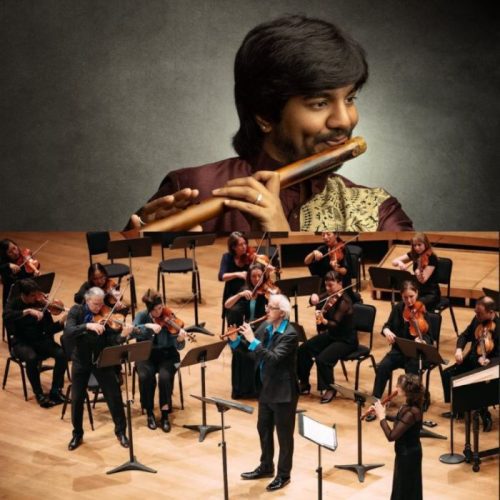
Interview Classical/classique
Ensemble Caprice at the 9th: Dialogue with Carnatic India
By Frédéric Cardin
Interview Classical/classique
A resurrected and vocally spectacular Cinderella at Bourgie Hall
By Frédéric Cardin
Interview Caribbean
Mois du Créole 2026 | Pierre-Roland Bain: A Look Back and a Look Ahead
By Sandra Gasana