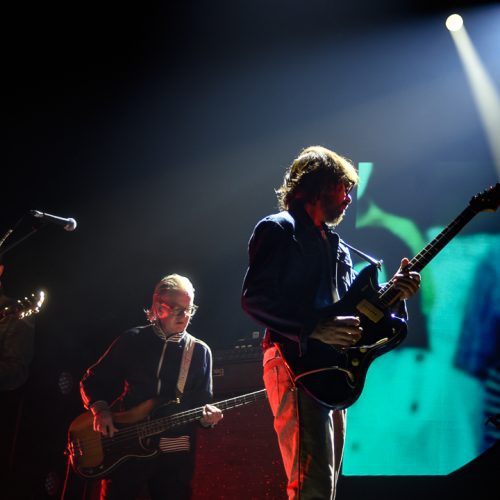
Afropentatonism is the title of a first collaboration between desert bluesman Alhousseini Anivolla and Ethio-jazz guitarist Girum Mezmur. Singer, guitarist, and bassist, Niger’s Anivolla had made a name for himself as frontman of the group Etran Finatawa, and also through his own projects from 2012 on. As for Mezmur, the superb guitarist has a long history in East Africa and is one of the key players of the musical revival in Addis Ababa, at the end of a cultural darkness under the authoritarian powers. Flashback? Ethiopian modernity expressed itself musically as early as the end of the 1950s, but it became world-famous long after its key elements had been expatriated to Europe. Ethio-jazz is a long way from the Tuareg blues, but the two styles are nevertheless linked by the desert culture, present everywhere in Niger and also in the northern part of Ethiopia. Ethio-jazz draws from the traditions of the Nile, at the confluence of African and Arab civilizations, but also from North American R&B, funk, and jazz. As for desert blues, it is the direct ancestor of Afro-American blues, but one feels the clear distinction in the playing, in the tone, in the direct and lucid character of the declamations, in the vocal inflections and of course in the instrumentation, even if it is electrified. In this case, the meeting of these two musical currents from Nile-region and Saharan Africa is essentially built on the exploitation of pentatonic scales (at five pitches of sound), so famously at the roots of the blues. On Afropentatonism, Ethio-jazz exhales more richness, harmonic and also rhythmic (binary/ternary alternations), which takes nothing away from the hypnotic grooves of the sandy Niger blues. One thing’s for sure, the meeting occurs between these two great currents of Africa. The exchange is fair, inspired and committed.
Latest 360 Content

Interview Classical/classique
Guillaume Côté’s A Midsummer Night’s Dreams: the choreographer talks about his intimate relationship with music
By Frédéric Cardin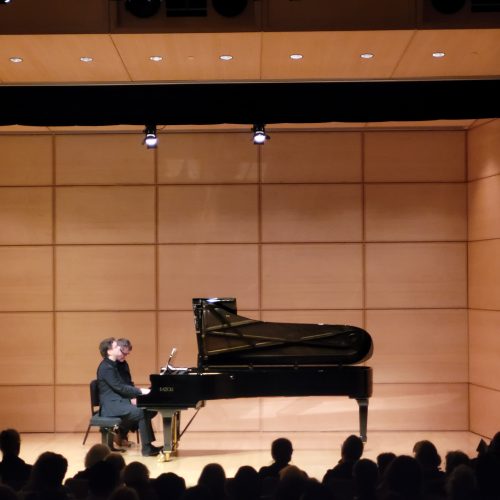
Concert review classique/Classical
SQMC/Chapelle Historique du Bon Pasteur: Discovering Quebec’s contemporary music
By Pietro Freiburger
Interview
Akousma| Felix Deufel introduces us to the uncharted sonic richness of the Arctic
By Michel Rondeau
Interview Classical/classique/Electronic
Akousma | Les Artefacts sonores de Roxanne Turcotte
By Alexandre Villemaire
Interview Electronic/expérimental / contemporain
Akousma | The Audréanne Filion and Myriam Bleau Duo: Where Reality and the Virtual Merge
By Michel Rondeau
Interview Electronic/expérimental / contemporain
Akousma | Exzald S, la violence du calme
By Alain Brunet
Concert review Caribbean
Mois du Créole 2026 | Richy Jay: Keeping Konpa and Zouk Alive in Montreal
By Juliana Cortes
Interview arts numériques/Classical/classique/Électronique
Akousma | Melanie Zhou: Shaping Sound, Expressing Emotion
By Alexandre Villemaire
Interview arts numériques/Classical/classique/Électronique
Akousma | Alex Brisson et l’exploration musicale du feedback
By Alexandre Villemaire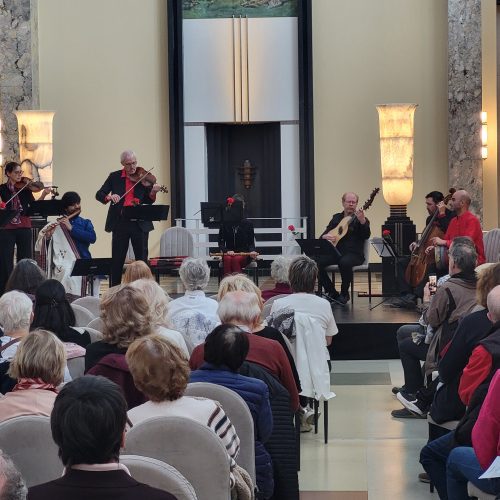
Concert review Classical/classique
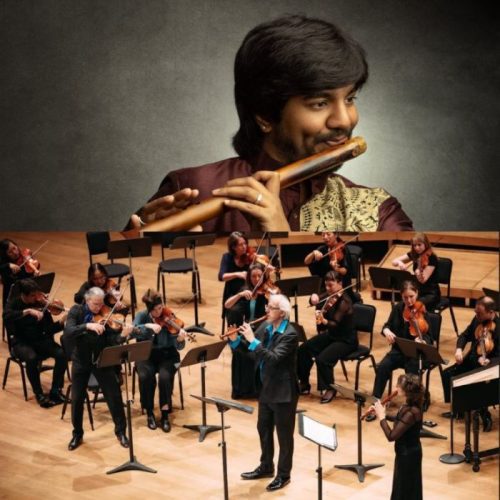
Caprice at the 9th Floor: a pleasant meeting between Baroque and Carnatic music
By Frédéric Cardin


Concert review Classical/classique
Arion: Cinderella has fun and unleashes her magic
By Frédéric Cardin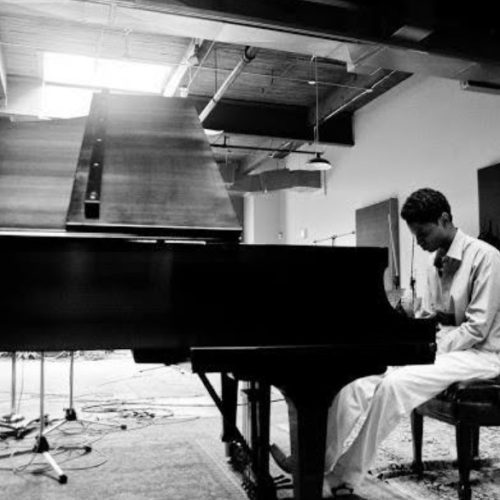
Interview Caribbean/Piano
Mois du Créole 2026 | David Bontemps: Between the Piano and Dessalines’ Legacy
By Sandra Gasana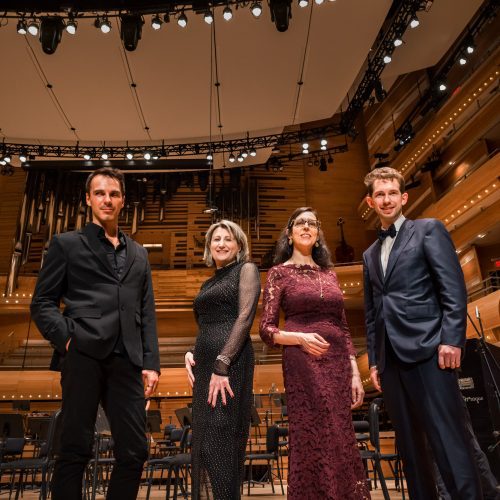
Concert review Classical/classique
Azrieli Prize 2026: The Four Pillars of the Temple
By Frédéric Cardin
Interview Classical/classique
Ensemble Caprice at the 9th: Dialogue with Carnatic India
By Frédéric Cardin
Interview Classical/classique
A resurrected and vocally spectacular Cinderella at Bourgie Hall
By Frédéric Cardin
Interview Caribbean
Mois du Créole 2026 | Pierre-Roland Bain: A Look Back and a Look Ahead
By Sandra Gasana