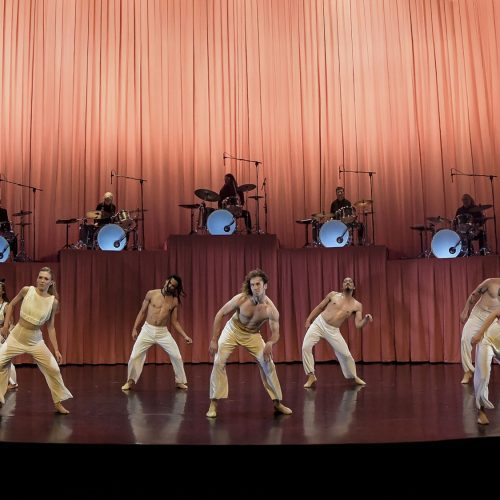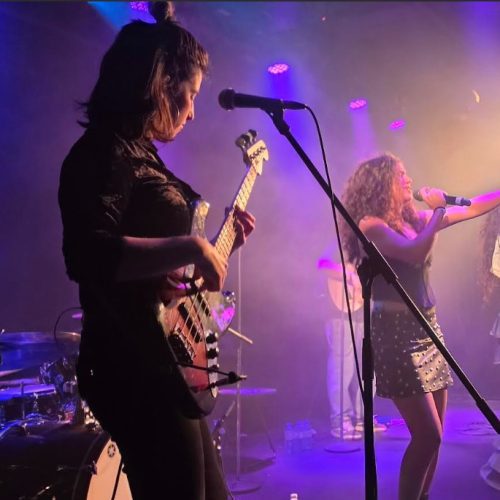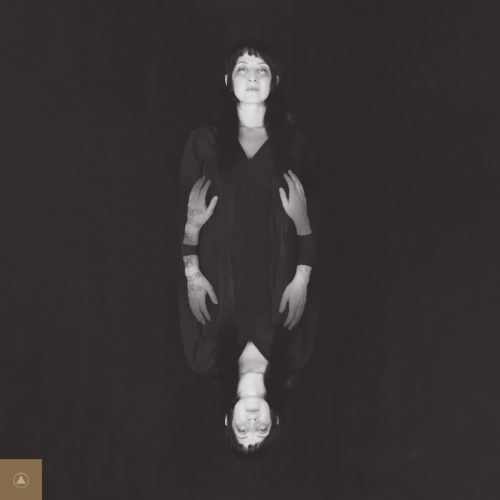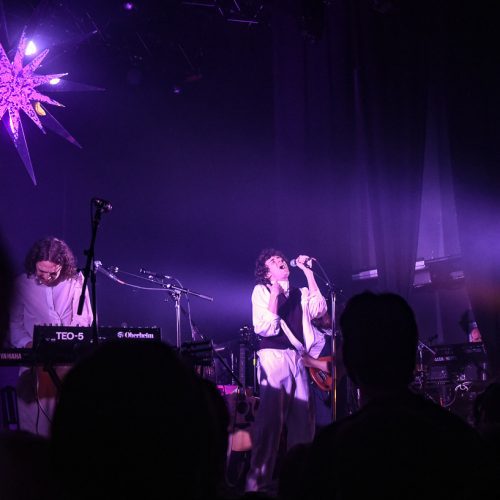
Colombia, Japan, France, Lithuania, and the Democratic Republic of Congo were represented on this second day of Mundial at Café Campus. We were treated to a musical tour around the world, wandering from room to room, from one universe to another.
Less Toches
To kick off this 15th edition of Mundial, Less Toches brought their infectious energy back to Café Campus. You’ve probably seen them on several Montreal stages since their appearance at Syli d’Or or MUZ. In a 25-minute show, they managed to set the place on fire, thanks in part to the band’s percussion instruments but also to the accordion. Added to this are the voices of the musicians providing backing vocals. Cumbia is at the heart of this Colombian band’s universe, but they don’t hesitate to add bolero, sung in French no less, to demonstrate their versatility, before returning to cumbia in the same song. The camaraderie between the musicians was palpable, giving the impression of a house party teleported onto the stage. They took care to address the audience in both of Canada’s official languages, ensuring that they reached the many broadcasters in the room. Their electrifying energy appealed to the audience, who even had the opportunity to sing along with them.

Maïa Barouh
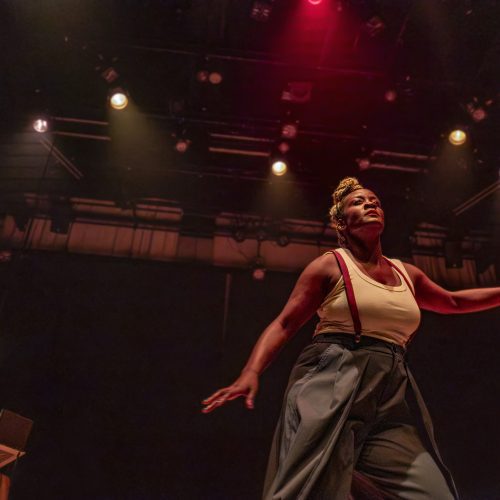
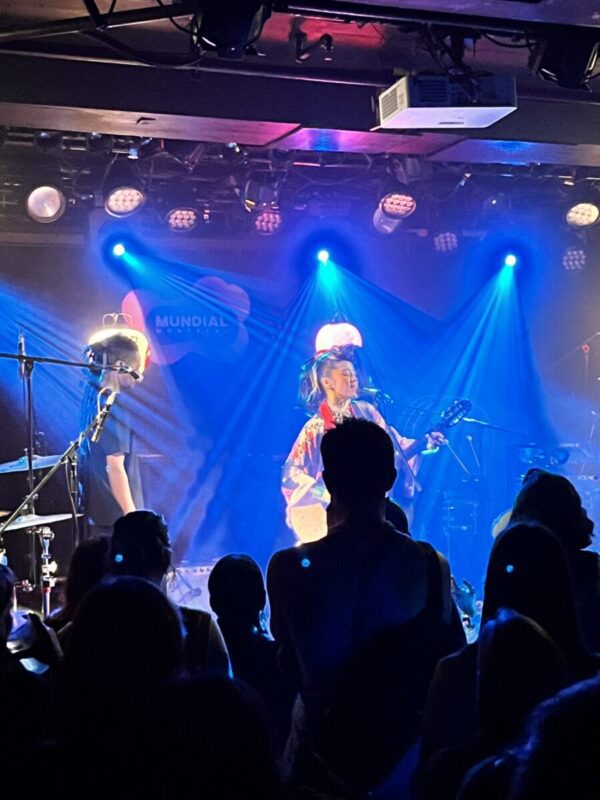
My favorite part of the evening was undoubtedly this Franco-Japanese artist with her eclectic style, who has mastered the art of performance. She began her performance in the audience with her two percussionist sidekicks, megaphone in hand. Unfortunately, this part was not visible to the whole room, but she brought that energy back to the stage a few minutes later. Dressed in a patterned kimono and traditional Japanese hats, she spoke sometimes in English, sometimes in French between songs. Patterned Japanese lanterns decorated the room, setting the mood for her mixed-culture universe. She blends traditional Japanese songs with rock, electro, and rap, adding her own unique theatrical touch. She dances at times, shouts loudly at others—in short, she constantly surprises us. In addition to singing, she plays guitar on a few songs and finishes with the flute, which she plays while singing, revealing all her talents, one after the other. Her song “Je ne suis pas Chinoise” (I am not Chinese) addresses this quest for identity and her frustration at being greeted with “Ni Hao” (hello in Mandarin) on the street. She got the audience involved, making them sing in Japanese, accompanied by the percussionists who were also her backing singers. She will be in Ste-Hyacinthe and Gatineau in the coming days, giving us the opportunity to discover her talent.
Sutartronica
The bar was already set very high with Maïa, so it wasn’t easy for the next group to do better. Three women, all dressed in white dresses, appeared on stage, accompanied by a DJ/musician. Together, they mix Lithuanian polyphonic songs with electro, reminiscent of Gregorian chants but with a modern twist. They were rather shy at the beginning of the concert, but as it went on, they loosened up, adding dance moves and stage presence. On some tracks, the DJ added rhythmic sounds from his computer, while on others he played his electric guitar instead. Their music takes us back in time, even several centuries ago, when some women were treated as witches because they sang. “If we’re here tonight, it means they didn’t succeed,” adds one of them, who seems to be the leader of the group. They sometimes sing a cappella and even taught us a few words in Lithuanian. What began as a solemn, almost religious performance ended in a festive atmosphere, combining singing, hypnotic harmonies, and dancing.

Killabeatmaker
There are three of them on stage, but they seem like ten because of the intense energy they project, particularly percussionist Hilder Brando Osorno, who also works the console to create electrifying Afrobeats and Afrohouse sounds mixed with Colombian rhythms from the Caribbean and Pacific regions of Colombia. He is accompanied by Guadalupe, a young musician who also plays percussion, maracas, and the traditional Colombian flute. The third member is the band’s drummer, with a gigantic drum in front of him on which he goes wild throughout the performance. After a few songs, the rhythm is so frenzied that it feels like being in a nightclub. They even had the chance to add a song to their repertoire when one of the members suggested it to the audience.
Kin’Gongolo Kiniata
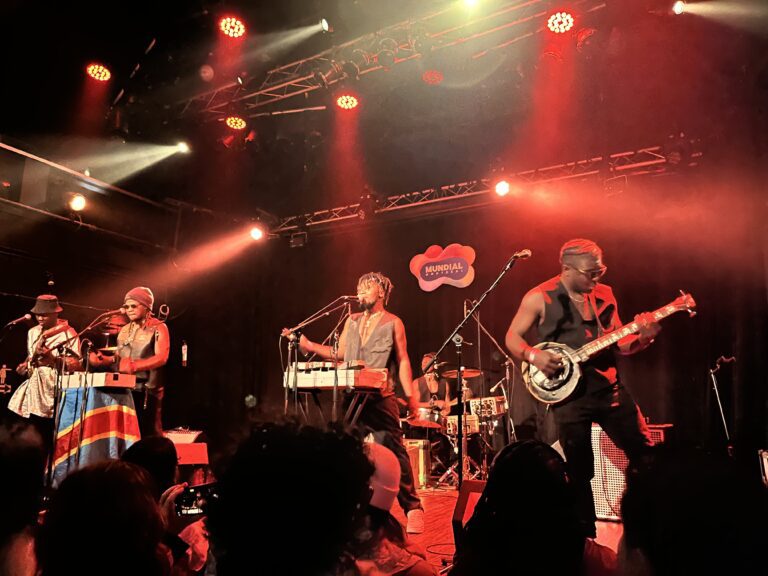
The second night of Mundial ended with the long-awaited performance by Kin’Gongolo Kiniata, the band we talked about in PAN M 360 when they played at the Nuits d’Afrique festival. Known for using stuff they find on the street and recycling it to make their instruments, they show us that you can make music with anything. Composed of five members from the Democratic Republic of Congo, they all take turns singing and know how to get the crowd going. The bassist, a true showman, had an instrument that looked like a banjo, but he played it perfectly while interacting with the audience. The electric guitar was much smaller than what we usually see, but it was just as powerful. In the center of the stage, two musicians played on a wooden box into which they had inserted metal and plastic percussion instruments. Ah, there was even a tin can that served as an instrument and added ambient noise. They got the audience singing by having them repeat their name, while the drummer played on boxes, using an old 1980s TV as a support. Despite the fact that the activities had started at 8 a.m. that day, the participants still had energy to burn at 11 p.m. thanks to this group that kept them awake. Like Killabeatmaker, Kin’Gongolo Kiniata was treated to an extra song as the audience demanded more. And since it was the 15th, some rules were more flexible, allowing the fun to last a little longer.