Depuis la sortie du film Harry Potter à l’école des sorciers, il y a 25 ans, l’engouement pour la célèbre série fantastique et ses personnages de Poudlard n’a cessé de croître. Redécouvrez les mélodies légendaires de ces films emblématiques, composées par John Williams. Que vous soyez Serpentard, Gryffondor, Poufsouffle ou Serdaigle, revêtez les couleurs de votre maison et venez vivre cette aventure en famille!
Since the release of the film Harry Potter and the Sorcerer’s Stone 25 years ago, the beloved fantasy series and its Hogwarts characters have continued to captivate audiences. Relive the unforgettable melodies from these iconic films, composed by John Williams. Whether you belong to Slytherin, Gryffindor, Hufflepuff, or Ravenclaw, don your house colours and bring the entire family for this magical adventure!
Syli d’Or : Rooty Naky And The Rootables & Sal de Calle au Balattou
by Rédaction PAN M 360
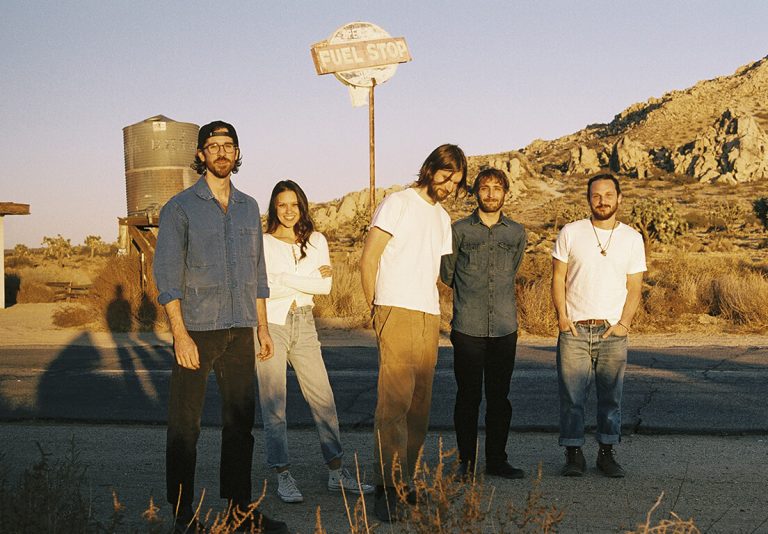
Formé en 2021 dans la région d’Ottawa-Gatineau, Rooty Naky and the Rootables est un groupe aux sonorités métissées, puisant dans le reggae, la neo soul, l’afrobeats et diverses influences africaines. Mené par Rooty Naky (chanteur et guitariste), le collectif réunit Queen Abi, Howie, Jerry, King David, Chris Leblanc, Blaise et Marco, unis par une même énergie et une vision musicale tournée vers la paix, l’amour et la justice. Depuis leurs débuts, ils se produisent sur de nombreuses scènes locales, notamment au festival de la rue Eddy et à l’Afrofest en 2024, puis au Kichesippi Festival et à l’Afrofest Ottawa en 2025. Leur premier single, SEÏKO, a marqué un tournant, remportant l’adhésion du public. Multilingues, ils chantent en français, anglais et dans plusieurs langues africaines, créant un pont entre cultures et générations. Leur devise, « Humanity First » (L’humanité d’abord), résume leur mission : célébrer la diversité et rappeler que, par-delà les différences, c’est l’humanité qui nous unit tous. Sal de Calle est un collectif musical qui fusionne les rythmes afro-cubains (son, rumba, musique sacrée) avec l’énergie et la liberté du jazz. Réunissant des musiciens de Cuba, du Brésil, de France et du Canada, il crée une musique vibrante où se mêlent chants puissants, percussions envoûtantes et improvisations audacieuses. Chaque performance est une célébration vivante, alliant ferveur rythmique et richesse instrumentale, offrant une expérience à la fois festive et immersive. Au-delà de la danse et du partage, Sal de Calle rend hommage à une histoire profondément marquée par l’héritage afro-descendant, une mémoire de souffrance et de résilience qui a donné naissance à un foisonnement artistique libérateur. À travers cette fusion, le collectif tisse un pont entre tradition et modernité, incarnant la force et la beauté d’une culture en perpétuelle évolution.
Formed in 2021 in the Ottawa-Gatineau area, Rooty Naky and the Rootables blends reggae, neo soul, afrobeats, and a variety of African musical influences. Led by Rooty Naky (singer and guitarist), the band features Queen Abi, Howie, Jerry, King David, Chris Leblanc, Blaise, and Marco—a collective united by a vibrant energy and a shared message of peace, love, and justice. Since their debut, they have performed at numerous local events, including Festival de la rue Eddy and Afrofest in 2024, followed by Kichesippi Festival and Afrofest Ottawa in 2025. Their first single, SEÏKO, was warmly received and marked an important milestone in their musical journey. Multilingual in French, English, and several African languages, they create a universal connection that transcends cultural and linguistic barriers. Their guiding motto, “Humanity First,” encapsulates their vision: celebrating diversity and reminding everyone that, beyond our differences, it is our shared humanity that truly unites us. Sal de Calle is a musical collective that blends Afro-Cuban rhythms (son, rumba, sacred music) with the energy and freedom of jazz. Bringing together musicians from Cuba, Brazil, France, and Canada, the group creates a vibrant sound where powerful vocals, mesmerizing percussion, and bold improvisations come together. Each performance is a dynamic celebration, combining rhythmic intensity with rich instrumentation for a festive and immersive experience. Beyond dance and celebration, Sal de Calle pays tribute to the Afro-descendant heritage, a history of struggle and resilience that has given rise to a powerful artistic expression. Through this fusion, the collective builds a bridge between tradition and modernity, embodying the strength and beauty of an ever-evolving culture.
CE SPECTACLE EST GRATUIT!
Ce contenu provient du Club Balattouet est adapté par PAN M 360
Lauréat du Concours OSM en 2022 et du Concours international de piano de Leeds, le Canadien Jaeden Izik-Dzurko amorce une brillante carrière pianistique. Venez l’écouter dans ce concert au format réduit animé par Philippe-Audrey Larrue-St-Jacques, dans le Concerto de Grieg : une œuvre qui séduit par son irrésistible mélange de lyrisme et de vigueur. Laissez-vous ensuite charmer par la féérie de L’Oiseau de feu, dont les somptueuses couleurs orchestrales créent un véritable enchantement sonore.
Canadian pianist Jaeden Izik-Dzurko, who launched a stellar career after winning the 2022 OSM Competition and the Leeds International Piano Competition, takes the stage in this intimate concert hosted by Philippe-Audrey Larrue-St-Jacques. Hear him perform Grieg’s Piano Concerto, a piece known for its captivating mix of lyricism and vigour. Then, allow yourself to be swept away by the enchanting beauty of The Firebird, where lush orchestral colours paint a mesmerizing sonic landscape.
Programme
Edvard Grieg, Concerto pour piano, op. 16 (30 min) Igor Stravinsky, L’Oiseau de feu, Suite pour orchestre (1919) (23 min)
Program
Edvard Grieg, Concerto for Piano, Op. 16 (30 min) Igor Stravinsky, The Firebird, Suite for Orchestra (1919) (23 min)
Ronald Brautigam – Les impromptus de Schubert à la salle Bourgie
by Rédaction PAN M 360
L’un des meilleurs interprètes actuels du pianoforte propose un programme tout Schubert, à l’image de son plus récent disque paru chez BIS. Celui qui fut l’élève du grand Rudolf Serkin est réputé expert dans le répertoire du romantisme naissant et en fait ici la démonstration avec ces Impromptus attachants.
One of the world’s leading fortepianists presents an all-Schubert programme in the wake of his 2024 Schubert sonatas album for BIS Records. Brautigam, who studied under the great Rudolf Serkin, displays his mastery of the early Romantic repertoire by performing Schubert’s beloved Impromptus.
Brett Polegato & Stephen Hargreaves à la salle Bourgie
by Rédaction PAN M 360
La poésie est au cœur de ce concert qui illustre la manière dont les compositeurs puisent leur inspiration dans les textes de grandes femmes de lettres, de la Torontoise Gil Adamson à l’Américaine Emily Dickinson. Leurs mots sont ici portés par le baryton Brett Polegato, renommé pour sa voix brillante et envoûtante.
This vocal recital has poetry at its core. With his brilliant baritone voice, the renowned Brett Polegato sings the words of great women authors from Emily Dickinson to Torontonian Gil Adamson, showing clearly why their poems have inspired composers past and present.
Programme
VAUGHAN WILLIAMS Four Poems by Fredegond Shove (extraits) Julian PHILIPS Swift Partitions (extraits) sur des poèmes d’Emily Dickinson John ESTACIO Création inspirée sur des poèmes de Gil Adamson Matthew RICKETTS Songs for Judith sur des poèmes de Edna St. Vincent Millay
Program
VAUGHAN WILLIAMS Four Poems by Fredegond Shove (excerpts) Julian PHILIPS Swift Partitions (excerpts) on poems by Emily Dickinson John ESTACIO New work inspired by poems by Gil Adamson (premiere) Matthew RICKETTS Songs for Judith on poems by Edna St. Vincent Millay
Pro Coro Canada est heureux de présenter la première nord-américaine de l’opéra choral The Light of Paradise de Paul Mealor. Cette œuvre chorale impressionnante pour chœur, solistes et quatuor de saxophones mettra en vedette le Quatuor de saxophones Quasar de Montréal, de renommée internationale. Explorant la vie de Margery Kempe, mystique et théologienne du Moyen Âge, cette œuvre profonde s’inspire du Livre de Margery Kempe, parfois considéré comme la première autobiographie en langue anglaise. Le parcours intérieur de Margery, marqué par sa foi et sa dévotion à Dieu alors qu’elle fait face à des difficultés familiales et entreprend des pèlerinages à travers l’Europe et la Terre Sainte, est illustré par la musique en juxtaposition avec le chemin de croix. Ne manquez pas cette performance unique et mystique.
Pro Coro Canada is honoured to present the North American premiere of Paul Mealor’s choral opera The Light of Paradise. This awe-inspiring choral work for choir, soloists, and saxophone quartet will feature the internationally acclaimed Quasar Saxophone Quartet from Montreal. Exploring the life of medieval mystic and theologian Margery Kempe, this profound work draws its texts from the Book of Margery Kempe, sometimes considered to be the first English-language autobiography. Margery’s inner journey with her faith and devotion to God as she faces domestic struggles and embarks on pilgrimages across Europe and the Holy Land is illustrated through music in juxtaposition with the Stations of the Cross. This unique and mystical performance is one you certainly won’t want to miss.
Intégrale des sonates pour piano de Prokofiev – Concert 2 : Un nouveau classicisme à la salle Bourgie
by Rédaction PAN M 360
L’un des 15 meilleurs pianistes canadiens de tous les temps selon la CBC, David Jalbert nous mène sur le chemin passionnant des sonates pour piano de Prokofiev ! Dans une intégrale en trois concerts-événements, ce projet s’inscrit dans la foulée de ses enregistrements chez ATMA Classique. Entre introspection et virtuosité, romantisme et modernité, ces œuvres reflètent le parcours et la vie de ce compositeur visionnaire.
This concert echoes the performers’ Japanese and European roots—a blend of influences also found in the music of Tōru Takemitsu, an illustrious Japanese composer who was profoundly influenced by Debussy. Spirited and lyrical sonatas by Mozart and Brahms perfectly round out this programme.
Programme
PROKOFIEV Sonate pour piano no 4 en do mineur, op. 29 Sonate pour piano no 2 en ré mineur, op. 14 10 pièces pour piano, op. 12 (extraits) Sonate pour piano no 6 en la majeur, op. 82
Program
PROKOFIEV Piano Sonata No. 4 in C minor, Op. 29 Piano Sonata No. 2 in D minor, Op. 14 Ten Pieces for Piano, Op. 12 (excerpts) Piano Sonata No. 6 in A major, Op. 82
Le chef émérite de l’OSM, Kent Nagano, dirige le poignant Requiem allemand de Brahms, tel qu’il fut donné en 1868 à Brême en Allemagne. Cette version historique, présentée pour la toute première fois à l’OSM, intègre des extraits d’œuvres baroques, de la Passion selon St Mathieu de Bach et du Messie de Handel. Ces pièces musicales mettent en perspective l’héritage de Brahms et soulignent le lien du compositeur avec la grande tradition musicale germanique. Une œuvre qui invite à une réflexion profonde sur la vie et la mort. Un rendez-vous musical unique !
OSM Conductor Emeritus Kent Nagano leads a moving performance of Brahms’ A German Requiem, as it was presented in 1868 in Bremen, Germany. Making its debut at the OSM, this historic recreation includes excerpts from Baroque masterpieces such as Bach’s St. Matthew Passion and Handel’s Messiah. These musical selections offer insight into Brahms’ artistic heritage and underscore his profound connection to the rich German musical tradition. This masterpiece invites deep contemplation on life and death, promising a truly exceptional musical journey.
Programme
Johannes Brahms, Un Requiem allemand, sur des textes de l’Écriture sainte, op.45 (version Bremen 1868) Johann Sebastian Bach, Passion selon Saint Mathieu, BWV 244 : « Erbarme dich, mein Gott » Georg Friedrich Handel, Le Messie, HWV 56 (orch. W. A. Mozart) – extraits Œuvres pour violon et orgue de Bach, Tartini et Schumann
Program
Johannes Brahms, A German Requiem, from words of the Holy Scripture, Op. 45 (1868 Bremen version) Johann Sebastian Bach, St. Matthew Passion, BWV 244: “Erbarme dich, mein Gott” (6 min) George Frideric Handel, Messiah, HWV 56 (orch. W. A. Mozart) – excerpts
Le Vivier / Semaine du Neuf : Nadar – Hide to Show / Les mots de la direction artistique
by Rédaction PAN M 360
Serait-ce ZE must de cette Semaine du Neuf ? Chose sûre, Jeffrey Stonehouse, directeur artistique du Vivier, ne tarit pas d’éloges à l’endroit de Hide to Show, de Michael Beil qu’exécutera l’ensemble flamand Nadar
“C’est un bijou, c’est un must ! Je ne veux pas vendre tous les punchs parce qu’il faut… Mais c’est une expérience à ne pas manquer. On voit des musiciens qui se préparent pour une performance publique. Ils jouent quelques notes, ils changent de vêtements, parfois ils dansent. Ils se préparent en écoutant de la musique avec des casques d’écoute. Et ces mouvements deviennent en fait un matériau musical pour la suite qui s’annonce très intéressante. Ce programme a été conçu par Michael Beil et qui confère à l’ensemble belge Nadar un rôle qui est à la fois musicien de très haut niveau et aussi acteur. Alors la théâtralité de cette proposition est très, très, très forte ! En tout cas, ce spectacle m’a marqué. Je l’ai vu à Strasbourg une première fois il y a deux ans, je m’étais dit que le public de Montréal devait absolument assister à ce show. “
Lisez les notes de programmes qui fournissent d’autres précisions:
Hide to show parle de la solitude, mais aussi de la synchronisation avec les autres sans les voir; d’être observé·e, de choisir de se rendre visible ou non, et de se remplacer soi-même de multiples façons. Les projecteurs se tournent vers les coulisses, tandis que les musicien·nes se préparent pour la performance devant le public, chacun·e seul·e dans sa petite pièce privée. Ils jouent quelques notes, changent de vêtements ou dansent sur la musique qu’ils écoutent au casque. Ce ne sont pas seulement les mouvements des musicien·nes sur scène qui sont considérés comme du matériau musical : la liste des ingrédients artistiques de Beil inclut désormais leurs actions dans l’intimité des coulisses. Mais tout ne nous est pas donné à voir. Les musicien·nes se dissimulent derrière leurs costumes, des rideaux qui montent et descendent, ou encore des enregistrements d’eux-mêmes, si bien que la véritable personne demeure finalement invisible. Le parallèle avec les réseaux sociaux s’impose rapidement. Hide to show explore l’hyperréalité, la manière dont nous superposons des couches virtuelles à nos vies, dont nous copions et collons dans ce que nous appelons notre réalité.
Could this be THE must-see event of this Week of New Works? One thing is certain: Jeffrey Stonehouse, artistic director of Le Vivier, is full of praise:
“It’s a gem, it’s a must-see! I don’t want to give away all the surprises because you have to… But it’s an experience not to be missed. You see musicians preparing for a public performance. They play a few notes, they change clothes, sometimes they dance. They prepare themselves by listening to music with headphones. And these movements actually become musical material for what follows, which promises to be very interesting. This program was conceived by Michael Beil and gives the Belgian ensemble Nadar a role that is both highly skilled musicians and actors. So the theatricality of this proposal is very, very, very strong! In any case, this show made a big impression on me. I saw it for the first time in Strasbourg two years ago, and I thought to myself that the Montreal audience absolutely had to see this show. “
Read the program notes for further details:
Hide to show speaks about solitude, but also about synchronizing with others without seeing them; about being observed, choosing to make oneself visible or not, and replacing oneself in multiple ways. The spotlights turn towards the backstage, while the musicians prepare for the performance in front of the audience, each alone in their small private room. They play a few notes, change clothes, or dance to the music they’re listening to on headphones. It’s not only the musicians’ movements on stage that are considered musical material: Beil’s list of artistic ingredients now includes their actions in the privacy of backstage. But not everything is revealed to us. The musicians conceal themselves behind their costumes, curtains that rise and fall, or even recordings of themselves, so that the real person ultimately remains invisible. The parallel with social media quickly becomes apparent. Hide to show explores hyperreality, the way we superimpose virtual layers on our lives, the way we copy and paste into what we call our reality. +
Le Vivier / Semaine du Neuf | Proxima Centauri – MOUVEMENTS / Les mots de la direction artistique
by Rédaction PAN M 360
MOUVEMENTS, si l’on s’en tient aux notes de programme, crée un espace de dialogue entre les textures sonores apportées par l’électronique et l’interprétation dans l’instant de l’instrumentiste. La présence sensible de l’artiste face à l’ubiquité du son multidiffusé flottant autour de l’auditeur, offre de multiples formes de dialogue, de juxtaposition ou de conflit. L’instrumentiste se confronte ou s’associe au son jusqu’à donner à la musique électroacoustique un aspect visible. La coexistence des deux mondes sonores permet à l’auditeur-spectateur d’être au cœur du discours musical et de sa poésie.
Directeur artistique du Vivier, Jeffrey Stonehouse nous en dit davantage:
“Proxima Centauri est un ensemble de Bordeaux dont l’instrumentation est la suivante: saxophone, flûte, piano, percussion, électronique. Présenté à la Semaine du Neuf, ce programme explore le mouvement, mais aussi crée DEAD TALES, spurred, une œuvre de Corie Rose Soumah qui était une commande du Vivier. Ici, on peut imaginer la juxtaposition de différentes formes de dialogues au sein desquels plusieurs conflits peuvent surgir. L’instrumentiste se confronte ou s’associe au jeu et procure aussi une visibilité à la musique électroacoustique. De plus, ces dialogues peuvent déclencher des images en temps réel, on se retrouve donc dans la cohabitation de deux mondes. Il faut remarquer qu’il y a de plus en plus de créateurs et de créatrices en musique qui travaillent avec la vidéo.”
Corie Rose Soumah: DEAD TALES, spurred , 2026 (10′) pour flûte, saxophone, piano, percussion et électronique (Commande du Vivier pour Proxima Centauri) – création
Brendan Champeaux: Away , 2026 (10′) pour piano, percussion et électronique (Commande de Proxima Centauri avec l’aide à l’écriture d’œuvre musicale originale du ministère de la Culture) – création
Demian Rudel Rey: Nemorensis , 2026 (12′) pour saxophone ténor, électronique et vidéo (Commande pour Proxima Centauri) – création
Raphaèle Biston: Ombres (10’) pour flûte, saxophone, piano, percussion et électronique – création canadienne)
Arturo Fuentes: La Cité du son (12’), pour flûte, saxophone, piano, percussion et électronique – création canadienne (Commande de Proxima Centauri)
MOUVEMENTS, according to the official program, is a musical performance that creates a space for dialogue between the sonic textures brought by electronics and the live interpretation of the instrumentalist. The sensitive presence of the artist in the face of the ubiquity of spatially diffused sound floating around the listener offers multiple forms of dialogue, juxtaposition, or conflict. The instrumentalist confronts or associates with the sound to the point of giving electroacoustic music a visible aspect. The coexistence of the two sonic worlds allows the listener-spectator to be at the heart of the musical discourse and its poetry.
Artistic Director of Le Vivier, Jeffrey Stonehouse tells us more:
“Proxima Centauri is a Bordeaux-based ensemble whose instrumentation includes saxophone, flute, piano, percussion, and electronics. Presented at Semaine du Neuf, this program explores movement, but also premieres DEAD TALES, spurred, a work by Corie Rose Soumah that was commissioned by Le Vivier. Here, we can imagine the juxtaposition of different forms of dialogue in which several conflicts may arise. The instrumentalist confronts or associates with the performance and also provides visibility to electroacoustic music. In addition, these dialogues can trigger images in real time, so we find ourselves in the coexistence of two worlds. It should be noted that there are more and more music creators working with video.”
Program
Corie Rose Soumah: DEAD TALES, spurned , 2026 (commissionned by Le Vivier for Proxima Centauri) – premiere
Brendan Champeaux: Ciphers , 2026 (commissionned by the State for Proxima Centauri) – premiere
Le Vivier / Semaine du Neuf : Architek Percussion & Contrechamps – Kino-sonique / Les mots de la direction artistique
by Rédaction PAN M 360
Créations croisées suisses et canadiennes, entre technologies détournées, avatars numériques et objets du quotidien, ce triptyque de concerts explore les multiples visages du son contemporain. De Suisse, Daniel Zea propose une performance pour reconnaissance faciale où l’avatar numérique révèle les tensions entre expression humaine et algorithme. De Montréal, Nicole Lizée fait revivre les machines du passé dans une création quadriphonique où le glitch devient matière poétique. Enfin, de Suisse, Alexandre Babel renverse les hiérarchies sonores en sculptant la beauté brute de sons “pauvres”, issus d’objets trouvés et de gestes simples.
À ce titre, PAN M 360 a recueilli les propos de son directeur artistique, Jeffrey Stonehouse, qui a été témoin d’un portion du travail helvète en septembre dernier”
” En fait, je suis allé en Suisse pour la création de l’œuvre du compositeur suisse Alexandre Babel. Ça, c’était une co-commande du Vivier et de l’ensemble Contrechamps, mais écrite pour Architek Percussion qui est est allé jouer à Genève en septembre dernier. Le programme comprend donc cette œuvre mais aussi une nouvelle œuvre de Nicole Lizée pouf ensemble instrumental, vidéo et électronique. L’autre œuvre au programme, soit du compositeur Daniel Zea, ‘est une commande de l’ensemble Contrechamp avec les Art Zoyd Studios. Daniel Zea a conçu une sorte de partition pour visage et reconnaissance faciale. Tout ça se passe en direct, donc les mouvements du visage de l’avatar déclenchent et contrôlent la partie.”
Plus précisément, le programme indique:
Trois œuvres qui, chacune à leur manière, interrogent notre rapport à la technologie, à la mémoire et à l’imperfection — et redéfinissent la frontière entre humain, machine et matière. Fascinée par les technologies obsolètes, Nicole Lizée explore le dysfonctionnement et l’esthétique de l’imperfection pour “aller sous la surface des choses”. Elle intègre dans ses œuvres des instruments atypiques — Atari 2600, omnichords, stylophones, jeux Simon™ ou bandes de karaoké — ainsi qu’un dispositif vidéo et une quadriphonie dans sa nouvelle création pour Contrechamps.
Daniel Zea met en scène le contraste entre un visage analysé par ordinateur et son avatar numérique. Grâce à une partition pour visage et reconnaissance faciale, ses mouvements animent l’avatar et déclenchent l’électronique, tandis que les instrumentistes réagissent en complément ou en contraste, soulignant la tension entre digital et acoustique. Commandée pour Architek Percussion, The brown gardener réunit quatre percussionnistes jouant sur des plaques-cloches en matériaux simples. Les motifs rythmiques superposés créent un contrepoint en évolution continue. Le titre évoque un oiseau indonésien qui compose des assemblages d’objets, rappelant le soin apporté au choix des instruments.
Programmation
-Daniel Zea: AUTORRETRATO EXTENDIDO , 2026 (40’ – Commande de l’Ensemble Contrechamps, en partenariat avec Art Zoyd Studios) pour ensemble instrumental, vidéo et tracking facial – création -Nicole Lizée: Nouvelle oeuvre , 2026 (17′) pour ensemble instrumental, vidéo et électronique – création -Alexandre Babel: The brown gardener , 2025 (15′ – Co-commande Contrechamps / Le Vivier pour Architek Percussion) pour quatuor de percussions – création
Program
-Daniel Zea: AUTORRETRATO EXTENDIDO , 2026 (40’ – Commande de l’Ensemble Contrechamps, en partenariat avec Art Zoyd Studios) for ensemble instrumental, vidéo et tracking facial – premiere -Nicole Lizée: New work for ensemble, video and electronics , 2026 – premiere -Alexandre Babel: The brown gardener , 2025 (15′ – Co-commande Contrechamps / Le Vivier pour Architek Percussion) for quatuor de percussions – premiere
A collaboration between Switzerland and Canada, combining repurposed technologies, digital avatars, and everyday objects, this trio of concerts explores the many faces of contemporary sound. From Switzerland, Daniel Zea presents a performance for facial recognition in which a digital avatar reveals the tensions between human expression and algorithms. From Montreal, Nicole Lizée brings the machines of the past back to life in a quadraphonic creation where glitches become poetic material. Finally, from Switzerland, Alexandre Babel overturns sound hierarchies by sculpting the raw beauty of “poor” sounds, derived from found objects and simple gestures.
As such, PAN M 360 gathered comments from its artistic director, Jeffrey Stonehouse, who witnessed part of the Swiss work last September. “In fact, I went to Switzerland for the premiere of Swiss composer Alexandre Babel’s work. It was a co-commission by Le Vivier and the Contrechamps ensemble, but written for Architek Percussion, who went to play in Geneva last September. The program includes this work as well as a new work by Nicole Lizée for instrumental ensemble, video, and electronics. The other work on the program, by composer Daniel Zea, was commissioned by the Contrechamp ensemble and Art Zoyd Studios. Daniel Zea designed a kind of score for the face and facial recognition. It all happens live, so the avatar’s facial movements trigger and control the part.” More specifically, the program states: Three works that, each in their own way, question our relationship to technology, memory, and imperfection—and redefine the boundary between human, machine, and matter. Fascinated by obsolete technologies, Nicole Lizée explores dysfunction and the aesthetics of imperfection to “go beneath the surface of things.” She incorporates atypical instruments into her works—Atari 2600, omnichords, stylophones, Simon™ games, and karaoke tapes—as well as a video device and quadraphonic sound in her new creation for Contrechamps.
Daniel Zea has designed a kind of score for faces and facial recognition. It all happens live, so the avatar’s facial movements trigger and control the piece. More specifically, the program states: Three works that, each in their own way, question our relationship with technology, memory, and imperfection—and redefine the boundary between human, machine, and matter. Fascinated by obsolete technologies, Nicole Lizée explores dysfunction and the aesthetics of imperfection to “go beneath the surface of things.” She incorporates atypical instruments into her works—Atari 2600, omnichords, stylophones, Simon™ games, and karaoke tapes—as well as a video device and quadraphonic sound in her new creation for Contrechamps. Daniel Zea stages the contrast between a computer-analyzed face and its digital avatar. Thanks to a score for face and facial recognition, his movements animate the avatar and trigger the electronics, while the instrumentalists react in complement or contrast, highlighting the tension between digital and acoustic. Commissioned for Architek Percussion, The brown gardener brings together four percussionists playing on bell plates made of simple materials. The overlapping rhythmic patterns create a constantly evolving counterpoint. The title evokes an Indonesian bird that composes assemblages of objects, recalling the care taken in the choice of instruments.
Ce contenu provient de Le Vivier et est adapté par PAN M 360
Le Vivier / Semaine du Neuf | Stick & Bow + Paramirabo + LiSiLoG – Canta lo invisible / Les mots de la direction artistique
by Rédaction PAN M 360
Issu de la rencontre d’artistes de Stick&Bow, Paramirabo, LiSiLoG et du compositeur Philippe Macnab-Séguin, Canta lo invisible, sous la direction artistique de Krystina Marcoux, explore la relation intime entre geste, son et lumière, à la croisée de la musique contemporaine, de l’improvisation et de l’art numérique. Au cœur du projet se trouve l’IMSS (Interactive Motion Sound System), une technologie novatrice conçue par Christophe Lebreton (LiSiLoG), qui transforme le mouvement en son sans capteurs corporels, ouvrant un nouvel espace d’expression entre corps et matière sonore. Entre rigueur et lâcher-prise, Canta lo invisible questionne le rapport au corps, à l’instrument et à la création collective, où l’improvisation devient moteur d’écriture. Création mondiale dans le cadre de La Semaine du Neuf.
Directeur artistique du Vivier, Jeffrey Stonehouse nous en dit davantage:
“Tout ça sous la direction artistique de Krystina Marcoux, qui est la percussionniste de Paramirabol. Ne passe-t-elle pas inaperçue ? Effectivement, on ne peut pas la manquer lorsqu’elle monte sur scène. Qui plus est, elle a exploré le théâtre musical dans ses études de doctorat. Avec Christophe Le Breton de LiSiLoG, elle se penche sur la relation intime entre le geste, le son et la lumière. Tout ça aux frontières de la musique contemporaine instrumentale, mais aussi de la musique improvisée et de l’art numérique.
“Ici, le dispositif utilisé se nomme l’IMSS ou Interactive Motion Sound System. Il s’agit d’une une technologie qui a été conçue par Christophe Le Breton et qui transforme le mouvement en son. Très simplement. Plus précisément, les musiciens jouent de leurs instruments, le son produit est alors modulé par leur mouvement et les zones qu’ils traversent sur scène.
Ce projet a aussi été développé au Banff Centre for the Arts. Oui, il y a quand même plusieurs entités là-dedans. Il y a Paramirabo, il y a Stick & Bow et d’autres entités intervenantes. Nous avons déjà travaillé en résidence à l’édifice Wilder en compagnie de Christophe Le Breton pour explorer le dispositif, suivi d’un dialogue avec Philippe Macnab-Séguin afin qu’il compose des compléments et structure les improvisations à venir sur scène.”
Canta lo invisible – making the invisible visible Born from the meeting of artists from Stick&Bow, Paramirabo, LiSiLoG and composer Philippe Macnab-Séguin, Canta lo invisible, under the artistic direction of Krystina Marcoux, explores the intimate relationship between gesture, sound, and light, at the crossroads of contemporary music, improvisation, and digital art. At the heart of the project is the IMSS (Interactive Motion Sound System), an innovative technology designed by Christophe Lebreton (LiSiLoG), which transforms movement into sound without body sensors, opening a new space of expression between body and sonic matter. Between rigor and letting go, Canta lo invisible questions the relationship to the body, to the instrument, and to collective creation, where improvisation becomes the driving force of composition. World premiere as part of La Semaine du Neuf.
Artistic director of Le Vivier, Jeffrey Stonehouse tells us more:
“All this under the artistic direction of Krystina Marcoux, who is the percussionist for Paramirabol. Doesn’t she stand out? Indeed, you can’t miss her when she takes the stage. What’s more, she explored musical theater in her doctoral studies. With Christophe Le Breton of LiSiLoG, she explores the intimate relationship between gesture, sound, and light. All this at the frontiers of contemporary instrumental music, but also improvised music and digital art.
“Here, the device used is called the IMSS or Interactive Motion Sound System. It is a technology designed by Christophe Le Breton that transforms movement into sound. Quite simply. More specifically, the musicians play their instruments, and the sound produced is then modulated by their movement and the areas they cross on stage.
This project was also developed at the Banff Centre for the Arts. Yes, there are several entities involved. There’s Paramirabo, Stick & Bow, and other participating entities. We have already worked in residence at the Wilder Building with Christophe Le Breton to explore the device, followed by a dialogue with Philippe Macnab-Séguin so that he could compose additions and structure the improvisations to come on stage.”
Program
Collective creation: Speak No Words – Le silence des mots , 2026 for ensemble and Interactive Motion Sound System (iMSS) – premiere