Afropentatonism is the title of a first collaboration between desert bluesman Alhousseini Anivolla and Ethio-jazz guitarist Girum Mezmur. Singer, guitarist, and bassist, Niger’s Anivolla had made a name for himself as frontman of the group Etran Finatawa, and also through his own projects from 2012 on. As for Mezmur, the superb guitarist has a long history in East Africa and is one of the key players of the musical revival in Addis Ababa, at the end of a cultural darkness under the authoritarian powers. Flashback? Ethiopian modernity expressed itself musically as early as the end of the 1950s, but it became world-famous long after its key elements had been expatriated to Europe. Ethio-jazz is a long way from the Tuareg blues, but the two styles are nevertheless linked by the desert culture, present everywhere in Niger and also in the northern part of Ethiopia. Ethio-jazz draws from the traditions of the Nile, at the confluence of African and Arab civilizations, but also from North American R&B, funk, and jazz. As for desert blues, it is the direct ancestor of Afro-American blues, but one feels the clear distinction in the playing, in the tone, in the direct and lucid character of the declamations, in the vocal inflections and of course in the instrumentation, even if it is electrified. In this case, the meeting of these two musical currents from Nile-region and Saharan Africa is essentially built on the exploitation of pentatonic scales (at five pitches of sound), so famously at the roots of the blues. On Afropentatonism, Ethio-jazz exhales more richness, harmonic and also rhythmic (binary/ternary alternations), which takes nothing away from the hypnotic grooves of the sandy Niger blues. One thing’s for sure, the meeting occurs between these two great currents of Africa. The exchange is fair, inspired and committed.
Latest 360 Content

Album review classique/musique de film 2026
Orchestre FILMharmonique/Francis Choinière – A Tribute to John Williams
By Frédéric Cardin
Interview Brazilian
Mundial MTL 2026 | Orbital Ensemble : steeped into vintage, but with an ear in the present
By Frédéric Cardin
Interview classique/Moyen-Orient / Levant / Maghreb
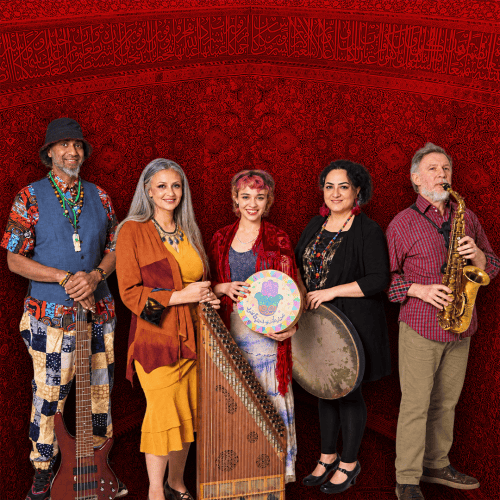
FMA 2026 | Al Qahwa: The Coffee of Cultures, The Rhythm of Encounters
By Juliana Cortes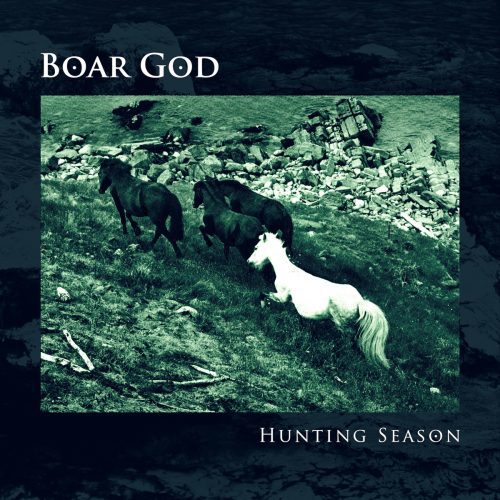
Album review Experimental / Contemporary/expérimental / contemporain/Rock/Punk 2026
Boar God – Hunting Season
By Stephan Boissonneault
Concert review Classical/classique
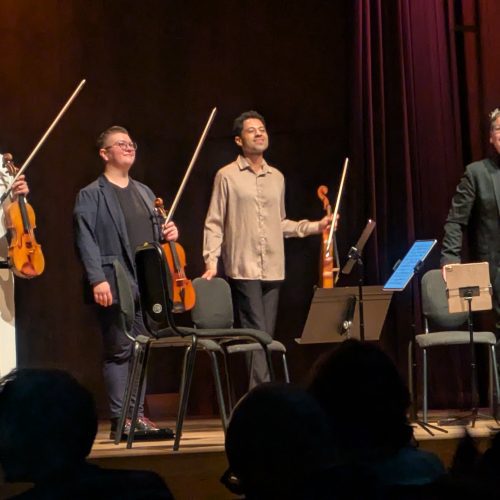
Salle Bourgie | Catalyst: a quartet at the peak of its art
By Frédéric Cardin
Album review Americana/Électro 2026
Harry Bartlett & Kurtis Perrie – This is Living
By Frédéric Cardin
Interview Africa/classique/Traditional/Moyen-Orient / Levant / Maghreb
Mundial MTL 2026 | Where We Come From, Who We Become: An Interview with Tara Moneka
By Sandra Gasana

Interview Classical/classique
Caprice Ensemble at the 9th Floor : Hallelujah or the Jewish Colours of Baroque Music
By Frédéric Cardin
Album review Americana/Ambient Folk/Folk/Progressive Folk 2026
BRIAR & Daniel Romano – Aeterna Memoria
By Stephan Boissonneault
Album review Americana/classic rock/country-rock/Folk/free-rock 2026
Bob Dylan – The Rolling Thunder Revue: The 1976 Live Recordings
By Stephan Boissonneault
Interview Classical/classique
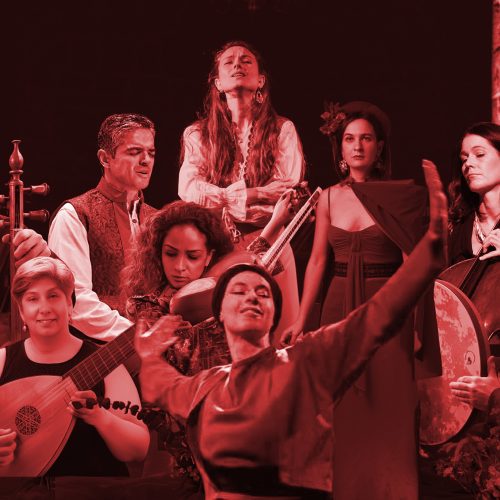
FMA 2026 | Le Livre des Reines : Dialogues between Inspiring Women from Europe and Persia, from Yesterday till Today
By Frédéric Cardin
Album review Folk/Americana/Electronic/Classical/classique 2026
Jason Dungan (aka Blue Lake) & Johan Caroe – Routine
By Frédéric Cardin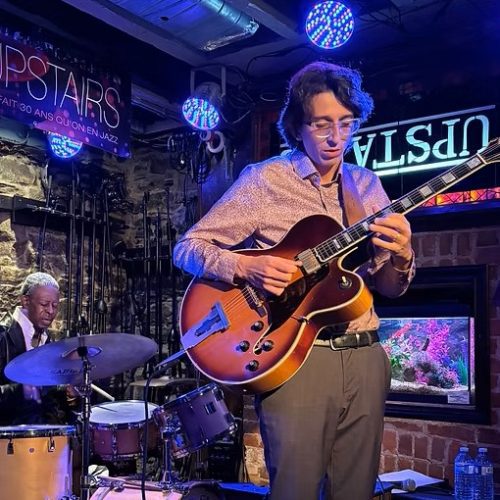
Interview Jazz
Salle Bourgie | Mike Bruzzese, inspired by his grandfather’s poetry
By Frédéric Cardin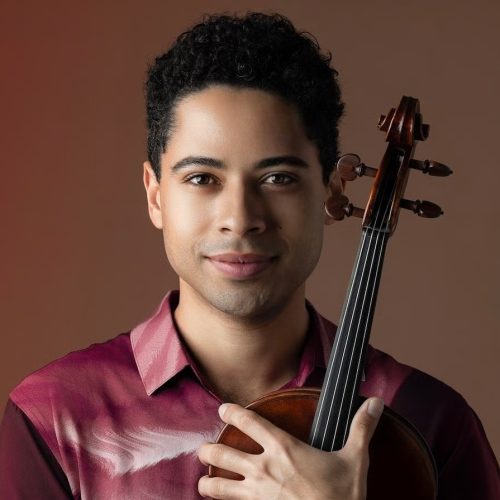
Interview Classical/classique
Salle Bourgie | Jordan Bak : ”I wish to be excited on stage and with the audience”
By Frédéric Cardin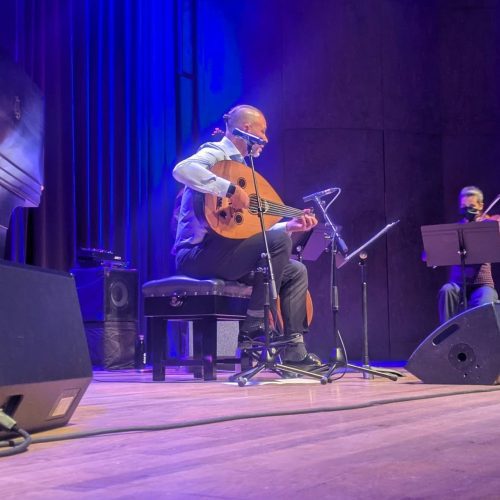
Concert review classique/Jazz/Classical
Salle Bourgie | The Enchanting Vibrations of the Masmoudi Quartet
By Frédéric Cardin
Interview Moyen-Orient / Levant / Maghreb/classique/Arabic