alt-rock / Electro-Rock / math rock / microtonal

La Noce 2026 | The Day I Discovered Angine de Poitrine

by Fabio Pregnolato

I first discovered Angine de Poitrine in my kitchen in Belfast, when a Québecoise showed them to me the week they blew up on KEXP.

At first listen, I found it hard to tune into—and seeing the costumes, I immediately wrote it off as a bit gimmicky. Yet here I am in Chicoutimi, seeing them live.

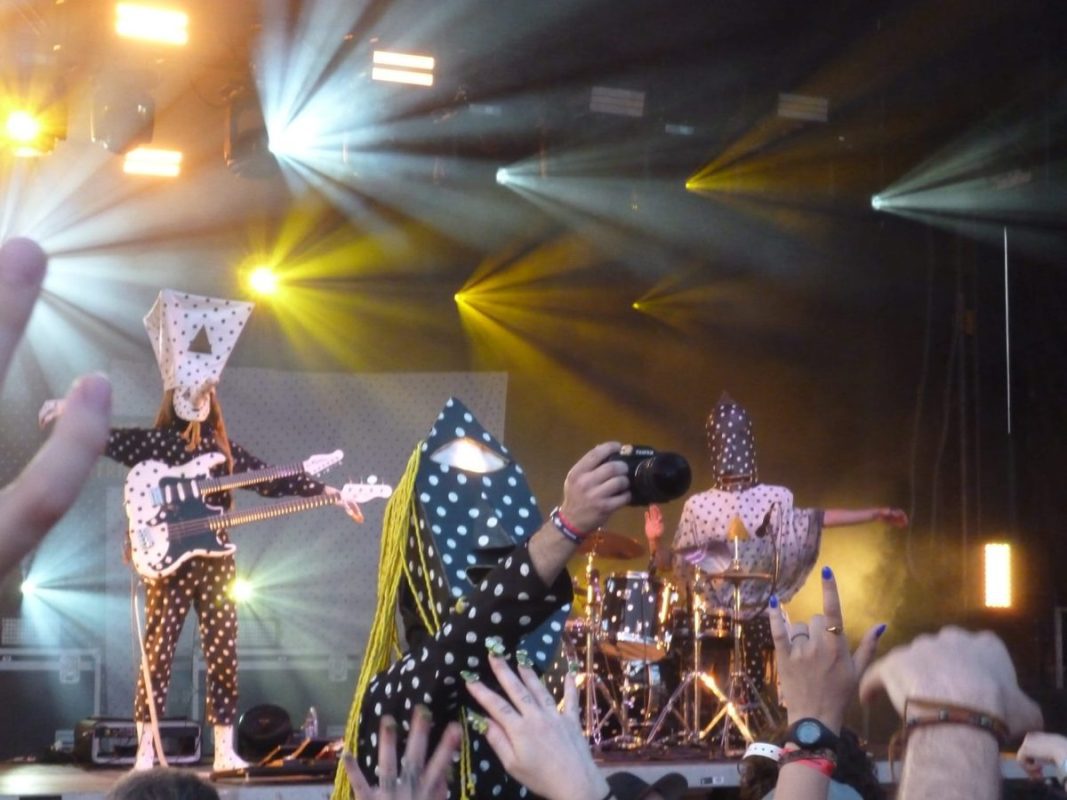
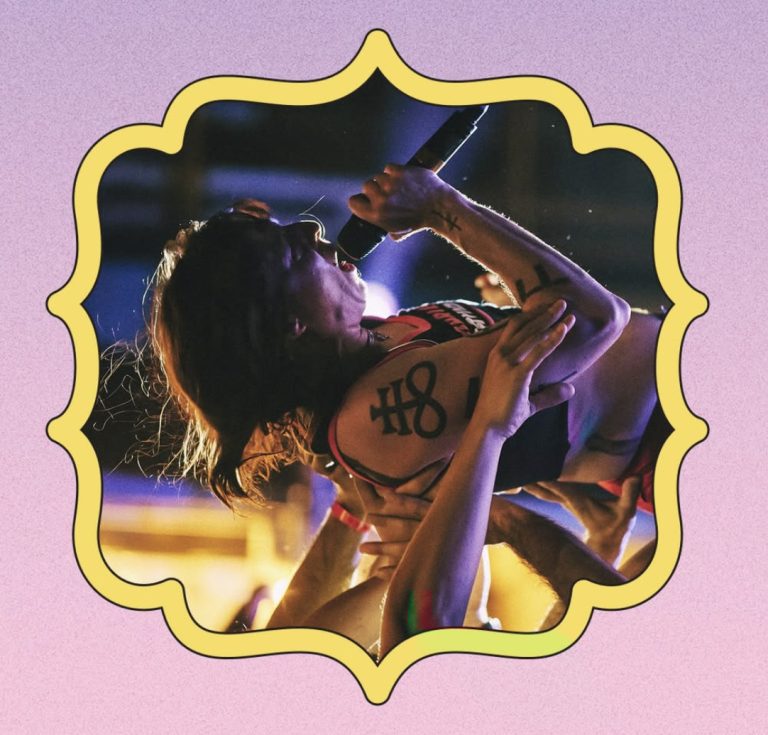
I honestly couldn’t believe that a band this massive—easily one of the biggest acts of the moment—was slotted for a Thursday, the very first day of the festival at 7:15 PM. But apparently, they were scheduled at that time before they became so viral. Regardless of the day and time, the crowd was more than ready to welcome them under a boiling sun in Chicoutimi. A big red lad next to us was sweating his soul out in the heat, trying to fight it with a tiny handheld electric fan. Between the heat and the magic shrooms we had taken, we couldn’t stop giggling at this sweaty giant with his miniature fan—and right at that exact moment, Angine hit the stage.

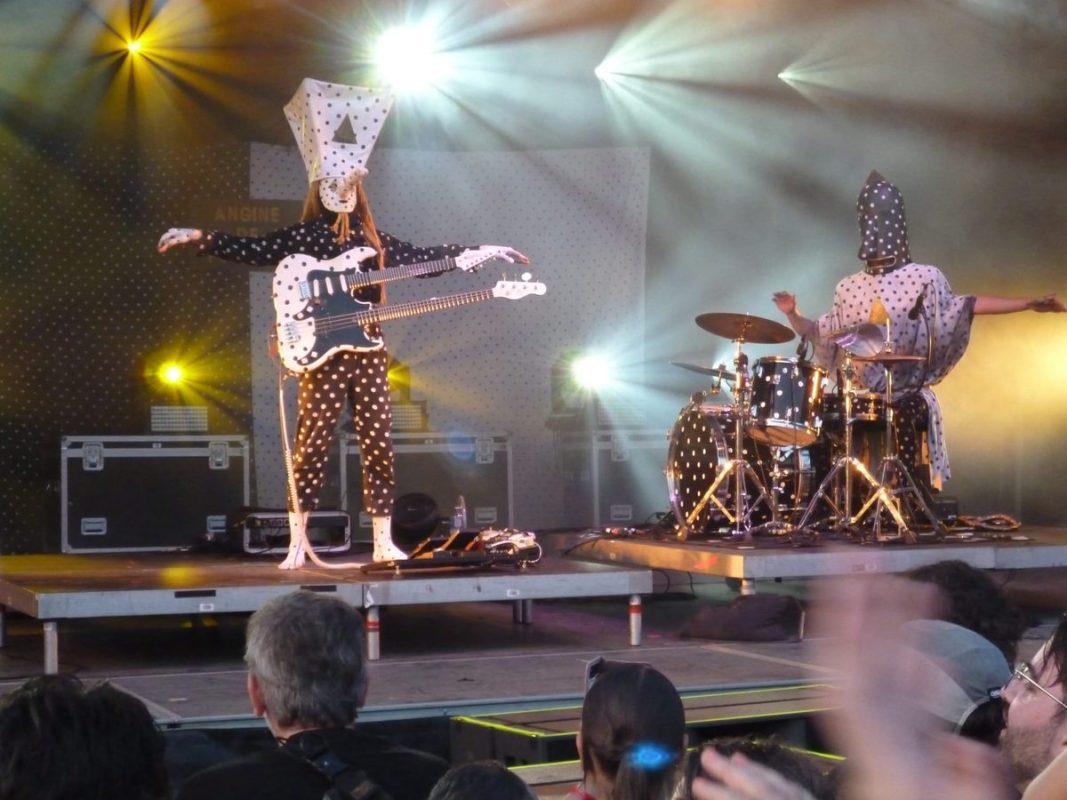
Impeccably dressed in their unique alien costumes, they started blasting and looping their microtonals. Every loop drew us in deeper, and it was then that I fully understood the intense visual and musical impact they have on a crowd. Even the cameraman running around the stage wore a dotted costume with long, blonde ropes—nothing on that stage was allowed to be human.

After their first song, my friends dragged me straight into a mosh pit that felt like it might be my last. Clutching my bag for dear life, I’d never seen so many people spiraling and running in circles. But the community spirit was real: every time someone went down, everyone immediately helped them up. It’s always beautiful to see that kind of rock ‘n’ roll spirit in action.

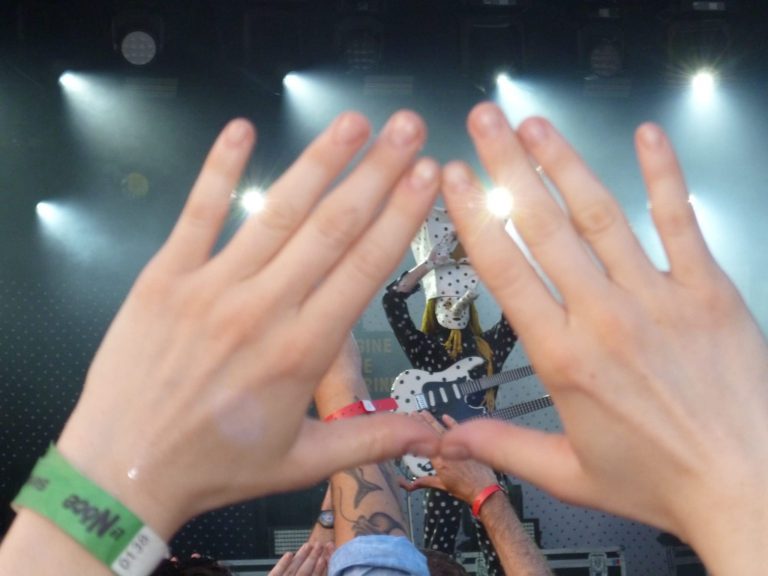
The crowd was completely entranced, raising their hands in a triangle shape to support the band at the end of every song. The energy they played with was unstoppable, and under that roasting sun, their costumes inevitably got mucky, skin was showing, revealing that there is indeed some humanity hiding there.

I was gutted and drenched when they finished, but I felt incredibly lucky to see Angine at La Noce—not overcrowded, surrounded by good people, and in their hometown of Chicoutimi, which made it extra special.

Photo: Fabio Pregnolato

Blues Rock / Saharan Blues

La Noce 2026 | Etran de L’Aïr lights Up La Noce

by Fabio Pregnolato

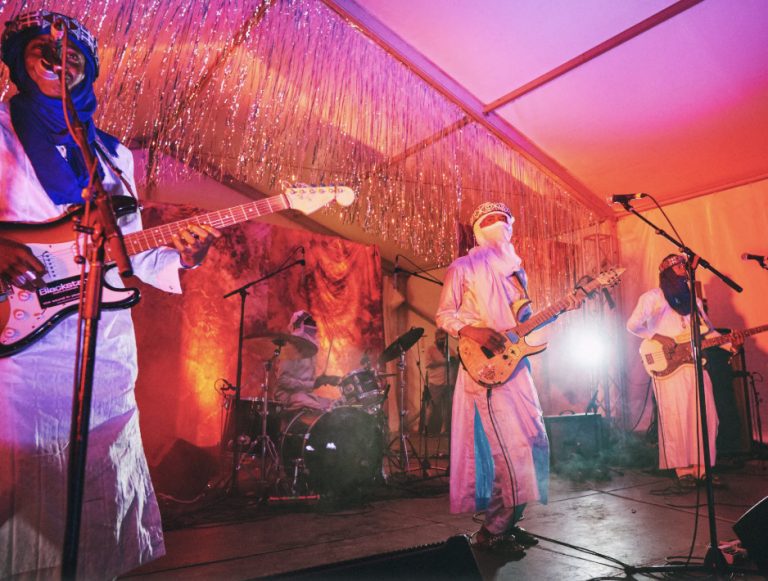
Bringing a massive wave of positive energy to La Noce, Etran de L’Aïr completely captivated the crowd. With a crisp sound and powerful vocals, the Tuareg desert blues group from Agadez, Niger, left the audience hypnotized by their bouncing moves and repetitive Sahara guitar rock rhythms.

The more we moved, the bigger the smiles on their faces grew; they really were having as fantastic a time as the audience, which gave the whole show a sense of authenticity and community! The crowd did not always read the room. At some point, mosh pits started, along with some crowdsurfing, leading to definite disappointment on the faces of some fans who just wanted to dance and soak in rhythms.

The closing guitar solo felt endless, and not entirely in a good way. My partner and I exchanged a look that said it all: something was definitely off. The guitarist lost his flow, hitting some pretty rough notes while trying to pull off a complex riff. Luckily, he quickly snapped out of the rut, and they managed to finish the set in style. They departed with the largest smiles. Hands pressed together in gratitude. Hope I’ll see them again—overall, one of the best performances at La Noce.

Photo: Sam Snow

Garage Punk / punk hardcore / rock n’ roll

La Noce 2026 | Enfants Sauvages lightning hot hot

by Florence Cantin

On Thursday night at La Noce, we headed over to the Télé-Québec stage for Enfants Sauvages. Rox Arcand storms out and starts getting us all riled up against matricule 728. Dancers hit the stage, flipping off the sky as if the dismissed cop had ascended straight to hell. Then, completely out of the blue, some guy stops her dead in her tracks, asking her to hold on. There weren’t many protests despite the disappointment: while a few took it as a cue for a beer run, many just decided to call it a night. Silent, muggy lightning strikes ultimately forced the band to pack it up.

After what felt like thirty-odd minutes, and some guy from La Baie telling me all about his trip to Italy, things got rolling again. Catching Enfants Sauvages live is always a safe bet. It reminded me of seeing her at Casa Del Popolo with Cornette and les petits trous de balle a few years back. Some guy was talking a bit too loud. She stepped right off the stage, chased him out of the venue, screaming her songs right in his face. He was genuinely terrified. I was convinced she was going to spit on him. Rox Arcand gives off this vibe of being dangerous. It’s pretty charming—as long as you’re on her good side.

They only have time to blast through something like three songs, in fast-forward mode. The stunts keep coming: the lead singer calls for an all-girl mosh pit. A few guys who try to squeeze their way in get violently roughed up, shoved, and kicked by the girls, who seize the opportunity to let off some steam. « C’est sûr que c’est ben d’adon », as my friend Audrey from Jonquière would say. The crowd and the band seemed to have reached an unspoken agreement: they were going to make up for lost time.

There is so much going on, I don’t even know where to look. The two basses add serious depth to the noise of the distorted guitars. The air is completely saturated with sound. The vocals are piercing; you can feel Rox Arcand’s bitterness over having to let a few raindrops get in the way. She reaches her hand out to us in a gesture I mistook for a handshake. It was more of an anchor to launch herself forward, body-surfing into the sparse crowd, while the dancers make out passionately—and just like that, it’s over. Not many bands can pack a 45-minute show into a condensed 15.

Photo: Samuel Snow (@photographie_samuel_snow)

cool jazz / hommage / jazz modal

Ron Di Lauro Sextet au Studio Desjardins du CEM

by Rédaction PAN M 360

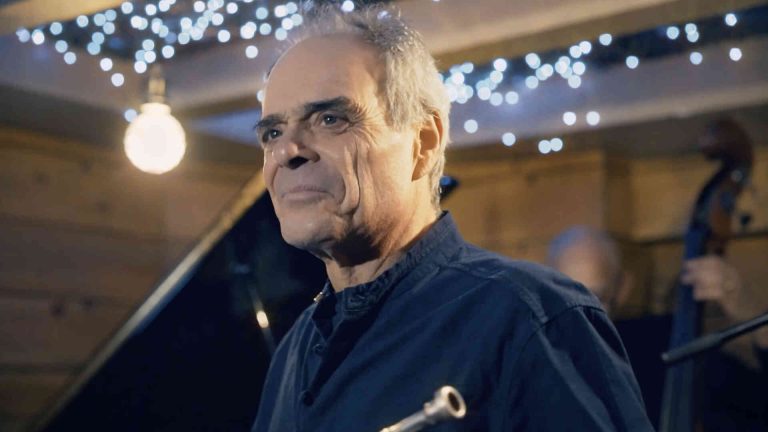
L’hommage du Ron Di Lauro Sextet à Miles Davis – Kind of Blue est une expérience musicale remarquable qui célèbre l’un des albums les plus emblématiques du jazz, Kind of Blue de Miles Davis. Sorti en 1959, Kind of Blue est largement considéré comme l’un des plus grands albums de jazz de tous les temps. Son approche modale du jazz a révolutionné le genre, et l’hommage du Ron Di Lauro Sextet rend exceptionnellement bien hommage à cette œuvre novatrice tout en mettant en valeur la voix unique de l’ensemble. Ron Di Lauro, trompettiste de jazz hautement qualifié et expérimenté, est connu pour sa capacité à allier une maîtrise technique complexe à un style de jeu émouvant et plein d’âme. À la tête du sextuor, il canalise l’essence même de Davis, dont le jeu se caractérisait par sa beauté lyrique et son impact discret mais profond. Le spectacle Tribute to Miles Davis – Kind of Blue est plus qu’une simple reproduction de l’album ; c’est une réinterprétation qui donne un nouveau souffle à des morceaux familiers tout en conservant l’esprit d’innovation que Davis et son ensemble avaient initialement présenté. La formation du sextuor, composée d’une trompette, d’un saxophone alto et d’un saxophone ténor, d’un piano, d’une basse et d’une batterie, joue un rôle essentiel dans cet hommage. Chaque instrument ajoute sa propre voix distinctive au mélange, créant un paysage sonore riche et multicouche. L’arrangement des morceaux permet des moments d’improvisation et d’interaction qui étaient si importants dans les enregistrements originaux. Ces moments spontanés capturent l’énergie libre du jazz, donnant au public un aperçu de la créativité dont Davis et ses compagnons (dont Cannonball Adderley, John Coltrane, Bill Evans, Paul Chambers et Jimmy Cobb) ont fait preuve lors de l’enregistrement de Kind of Blue. La setlist de l’hommage comprend plusieurs des morceaux phares de Kind of Blue, tels que So What, Freddie Freeloader, Blue in Green et All Blues. Ces morceaux sont l’essence même du jazz modal, avec leurs structures ouvertes et spacieuses qui privilégient la mélodie et l’ambiance plutôt que les progressions harmoniques plus complexes que l’on trouve dans le bebop. L’approche du sextuor, tout en respectant les compositions originales, apporte des interprétations nouvelles, souvent à travers des solos nuancés et des interactions dynamiques au sein du groupe. Cela permet aux auditeurs de redécouvrir la musique, rendant ainsi hommage au chef-d’œuvre de Davis tout en soulignant le caractère intemporel du jazz. L’aspect le plus significatif de l’hommage rendu par le Ron Di Lauro Sextet est peut-être sa capacité à évoquer l’esprit de l’enregistrement de 1959 tout en restant fermement ancré dans le présent. Di Lauro et son groupe reconnaissent que Kind of Blue n’était pas seulement un moment dans le temps, mais un changement monumental dans le monde du jazz. Grâce à leur dévouement à l’œuvre et à leur propre créativité, le sextuor célèbre non seulement cet album charnière, mais rappelle également au public sa pertinence dans le paysage jazzistique actuel. Ce spectacle est présenté en co-diffusion avec le Jazzfest de Saguenay.

The Ron Di Lauro Sextet’s tribute to Kind of Blue by Miles Davis is a remarkable musical experience that celebrates one of the most iconic albums in jazz history. Released in 1959, Kind of Blue is widely regarded as one of the greatest jazz albums of all time. Its modal approach revolutionized the genre, and the Ron Di Lauro Sextet’s tribute does exceptional justice to this groundbreaking work while showcasing the ensemble’s own unique voice. Ron Di Lauro, a highly skilled and experienced jazz trumpeter, is known for his ability to blend complex technical mastery with an emotional and soulful playing style. Leading the sextet, he channels the very essence of Davis, whose playing was marked by lyrical beauty and a subtle yet profound impact. The show Tribute to Miles Davis – Kind of Blue is more than a simple reproduction of the album; it is a reinterpretation that breathes new life into familiar pieces while preserving the spirit of innovation that Davis and his ensemble originally introduced. The sextet’s lineup, comprising trumpet, alto and tenor saxophones, piano, bass, and drums, plays a crucial role in this tribute. Each instrument contributes its own distinctive voice, creating a rich and multi-layered soundscape. The arrangements allow for moments of improvisation and interaction that were so essential to the original recordings. These spontaneous exchanges capture the free-flowing energy of jazz, offering audiences a glimpse into the creativity demonstrated by Davis and his collaborators (including Cannonball Adderley, John Coltrane, Bill Evans, Paul Chambers, and Jimmy Cobb) during the recording of Kind of Blue. The tribute’s setlist features several standout tracks from the album, such as So What, Freddie Freeloader, Blue in Green, and All Blues. These pieces embody the essence of modal jazz, with their open, spacious structures that emphasize melody and mood over the more complex harmonic progressions found in bebop. While respecting the original compositions, the sextet’s approach introduces fresh interpretations, often through nuanced solos and dynamic interplay within the group. This allows listeners to rediscover the music, paying homage to Davis’s masterpiece while highlighting the timeless nature of jazz. Perhaps the most significant aspect of the Ron Di Lauro Sextet’s tribute is its ability to evoke the spirit of the 1959 recording while remaining firmly rooted in the present. Di Lauro and his group recognize that Kind of Blue was not just a moment in time, but a monumental shift in the world of jazz. Through their dedication to the work and their own creativity, the sextet not only celebrates this landmark album but also reminds audiences of its continued relevance in today’s jazz landscape. This performance is presented in co-production with the Jazzfest de Saguenay.

POUR ACHETER VOTRE BILLET, C’EST ICI!

Ce contenu provient du Centre d’expérimentation musicale (CEM) et est adapté par PAN M 360
Jazz Fusion / prog / Rock

The Levin Brothers au Studio Desjardins du CEM

by Rédaction PAN M 360

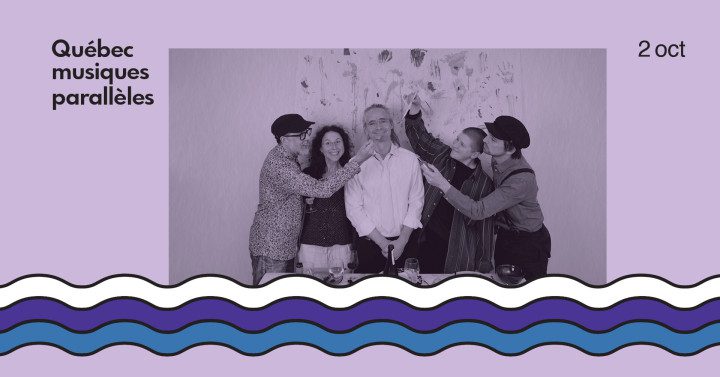
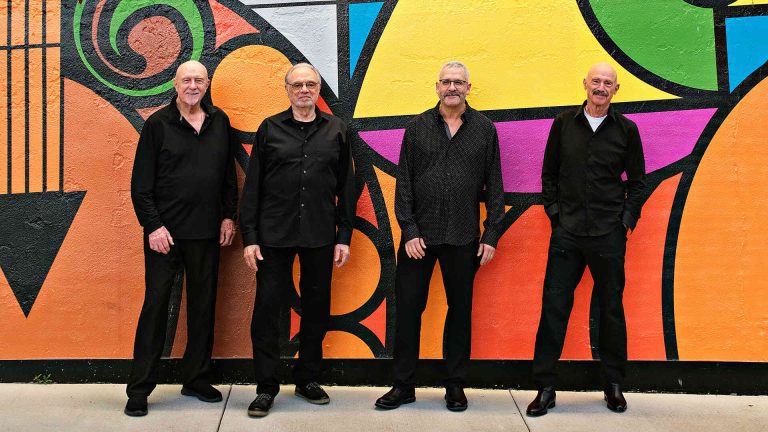
C’est un immense honneur pour le CEM de les recevoir; les Levin Brothers s’amènent au Saguenay en mai pour deux improbables et incroyables soirées! Tony Levin n’a plus besoin de présentation. Légendaire et loyal bassiste de Peter Gabriel et de King Crimson, la liste de ses collaborations se lit comme une histoire du rock et du jazz. Avec son frère Pete (Gil Evans, Dave Brubeck, Miles Davis, Annie Lennox, Charles Mingus, Jaco Pastorius, Wayne Shorter), il forme un combo jazz que complètent le batteur Jeff Siegel (Ron Carter, Kenny Burrell, Jack DeJohnette, Mose Allison) et le saxophoniste Pat Labarbera (Buddy Rich, Elvin Jones, Bill Evans, Tony Bennet, Carlos Santana). C’est donc dire que c’est une chance exceptionnelle d’accueillir les Levin Brothers chez nous. Le groupe y présentera un mélange de compositions, de standards jazz et quelques surprises venues de leurs collaborations passées.

It is a tremendous honor for the CEM to welcome them: the Levin Brothers are coming to Saguenay this May for two unlikely and incredible evenings! Tony Levin needs no introduction. A legendary and loyal bassist for Peter Gabriel and King Crimson, his list of collaborations reads like a history of rock and jazz. Alongside his brother Pete (Gil Evans, Dave Brubeck, Miles Davis, Annie Lennox, Charles Mingus, Jaco Pastorius, Wayne Shorter), he forms a jazz ensemble completed by drummer Jeff Siegel (Ron Carter, Kenny Burrell, Jack DeJohnette, Mose Allison) and saxophonist Pat LaBarbera (Buddy Rich, Elvin Jones, Bill Evans, Tony Bennett, Carlos Santana). This is truly an exceptional opportunity to welcome the Levin Brothers to our stage. The group will present a mix of original compositions, jazz standards, and a few surprises drawn from their past collaborations.

POUR ACHETER VOTRE BILLET, C’EST ICI!

Ce contenu provient du Centre d’expérimentation musicale (CEM) et est adapté par PAN M 360
Experimental / Contemporary / funk-rock / Jazz Rock

Festival des musiques de création : Screaming Headless Torsos – Funk extrême au Studio Desjardins du CEM

by Rédaction PAN M 360

Screaming Headless Torsos est le projet phare du guitariste David Fiuczynski, alias Fuze. Dès leur premier album paru chez Warner, l’énergie brute et la virtuosité fulgurante du groupe les propulse au rang de phénomène culte. Leur funk-rock-jazz-world-fusion inclassable, à la fois déjanté et d’une précision redoutable, fédère un public fidèle et marque durablement plusieurs générations de musiciens à travers le monde. Fuze est reconnu comme l’un des grands spécialistes de la guitare fretless et des musiques microtonales. Il enseigne au prestigieux Berklee College of Music de Boston. Il a joué aux côtés de John Zorn, Jack DeJohnette, Dennis Chambers, Stewart Copeland, JoJo Mayer, John Medeski, Hiromi et Marcus Miller. Trente ans après l’album fondateur 1995 qui révélait l’énergie contagieuse du groupe et la virtuosité hors norme de Fuze et sa bande, Screaming Headless Torsos se présente au CEM dans une formation renouvelée, mais toujours aussi explosive. Avec la vocaliste Debo Ray, la spectaculaire clavériste Hidemi Akaiwa et une section rythmique imparable, le funk extrême du groupe promet un concert de clôture survolté!

Screaming Headless Torsos is the flagship project of guitarist David Fiuczynski, a.k.a. Fuze. From their very first album released on Warner, the band’s raw energy and dazzling virtuosity propelled them to cult status. Their unclassifiable blend of funk, rock, jazz, and world fusion—both wild and razor-sharp—has built a loyal following and left a lasting mark on generations of musicians around the world. Fuze is recognized as one of the leading specialists in fretless guitar and microtonal music. He teaches at the prestigious Berklee College of Music in Boston and has performed alongside John Zorn, Jack DeJohnette, Dennis Chambers, Stewart Copeland, JoJo Mayer, John Medeski, Hiromi, and Marcus Miller. Thirty years after their landmark 1995 album, which introduced the band’s infectious energy and Fuze’s extraordinary virtuosity, Screaming Headless Torsos arrive at the CEM with a renewed yet equally explosive lineup. Featuring vocalist Debo Ray, the spectacular keyboardist Hidemi Akaiwa, and an unstoppable rhythm section, the band’s extreme funk promises a high-octane closing concert.

POUR ACHETER VOTRE BILLET, C’EST ICI!

Ce contenu provient du Centre d’expérimentation musicale (CEM) et est adapté par PAN M 360
Contemporary / Création / électro-minimal

Festival des musiques de création : Ensemble Éclat – Broken Spaces au Studio Desjardins du CEM

by Rédaction PAN M 360

Broken Spaces est la nouvelle création de l’Ensemble Éclat, un collectif consacré aux œuvres de jeunes compositeurs et compositrices en musique mixte qui réunit certains des interprètes les plus prometteurs de la relève en musiques nouvelles à Montréal. Présenté dans un dispositif immersif à 12 haut-parleurs, le concert propose une rencontre saisissante entre instruments, électroniques et visuels numériques de l’artiste Myriam Bleau. Broken Spaces fait voyager le public à travers différentes atmosphères sonores dans un programme intense et habité, à l’image d’une génération d’artistes qui renouvelle la musique contemporaine avec audace et personnalité. Le projet a d’abord pris forme au CEM lors d’un laboratoire de création en 2025. Cette première étape les a ensuite menés jusqu’à une résidence à l’IRCAM à Paris — l’un des plus importants centres de recherche et de création musicale au monde fondée par Pierre Boulez — où Broken Spaces ouvrira la prochaine saison. Une reconnaissance remarquable pour un jeune ensemble canadien! Le projet Broken Spaces a reçu le soutien du Vivier dans le cadre du Pôle Relève, programme d’accompagnement aux artistes émergent·e·s en musiques nouvelles, de l’incubation de leurs projets à leur circulation à travers l’ensemble du Québec. Avec Antonin Cuerrier (clarinette), Paul Çalebi (piano), Jeanne-Sophie Baron (violon), David Montreuil (alto), Audréanne Filion (composition, violoncelle), Charles-Éric Fontaine (direction), Myriam Bleau (vidéo, lumière) et Quentin Lauvray (composition, électroniques).

Broken Spaces is the latest creation by the Ensemble Éclat, a collective dedicated to works by emerging composers in mixed music, bringing together some of the most promising performers from Montréal’s new music scene. Presented in an immersive 12-speaker setup, the concert offers a striking encounter between instruments, electronics, and digital visuals by artist Myriam Bleau. Broken Spaces takes the audience on a journey through a range of sonic atmospheres in an intense and deeply expressive program, reflecting a generation of artists reshaping contemporary music with boldness and individuality. The project first took shape at the CEM during a creation lab in 2025. This initial phase led to a residency at IRCAM in Paris — one of the world’s leading centers for music research and creation, founded by Pierre Boulez — where Broken Spaces will open the upcoming season, marking a remarkable achievement for a young Canadian ensemble. The project also received support from Le Vivier through its Pôle Relève program, which supports emerging artists in new music from project incubation to touring across Québec. Featuring Antonin Cuerrier (clarinet), Paul Çalebi (piano), Jeanne-Sophie Baron (violin), David Montreuil (viola), Audréanne Filion (composition, cello), Charles-Éric Fontaine (conductor), Myriam Bleau (video, lighting), and Quentin Lauvray (composition, electronics).

POUR ACHETER VOTRE BILLET, C’EST ICI!

Ce contenu provient du Centre d’expérimentation musicale (CEM) et est adapté par PAN M 360
Contemporary / Drone / Electronic

Festival des musiques de création : -os- + Tempête solaire au Studio Desjardins du CEM

by Rédaction PAN M 360

Tempête solaire

La musique libre peut-elle trouver sa place dans la musique électronique? Le drone-rock peut-il être transformé en musique de danse? Est-il possible de créer une musique de drone à combustion lente adaptée à une salle de concert de rock? À la croisée du free jazz, du drone, du post-rock et de la musique électronique, Tempête solaire crée une musique instrumentale saturée. La démarche du trio fait se rencontrer improvisation libre et textures électroniques. Eric Quach manie une basse à huit cordes à travers un arsenal électronique et des amplis grondants. Elyze Venne-Deshaies tisse des nappes au saxophone ténor transformé par l’électronique tandis que le batteur Eric Craven agit comme liant au cœur des dialogues élaborés par le groupe. Quach est un habitué du CEM, où il complétait une résidence de production en 2023. Ce passage a mené à Langue Hybride, un album live lancé au printemps 2025 sous son projet Thisquietarmy, témoignant de la puissance évocatrice de son univers sonore. Si Tempête solaire explore des territoires sonores aux frontières du rock expérimental, son objectif demeure clair : créer des liens avec son public par le biais d’accroches captivantes, de grooves irrésistibles et de mélodies mémorables.

Can free music find its place within electronic music? Can drone rock be transformed into dance music? Is it possible to create a slow-burning drone suited to a rock concert setting? At the crossroads of free jazz, drone, post-rock, and electronic music, Tempête solaire crafts a saturated instrumental sound. The trio’s approach brings together free improvisation and electronic textures in a dynamic interplay. Eric Quach handles an eight-string bass through an arsenal of electronics and rumbling amplifiers. Elyze Venne-Deshaies weaves layered textures on tenor saxophone, transformed through electronic processing, while drummer Eric Craven acts as the binding force at the heart of the group’s intricate musical dialogues. A regular at the CEM, Quach completed a production residency there in 2023. This experience led to Langue Hybride, a live album released in spring 2025 under his project Thisquietarmy, showcasing the evocative power of his sonic universe. While Tempête solaire explores sound territories at the edges of experimental rock, its goal remains clear: to connect with audiences through captivating hooks, irresistible grooves, and memorable melodies.

-os-

-os- est un spectacle transdisciplinaire qui fusionne théâtre expérimental, poésie performée, rap, chant, musique électroacoustique et projections vidéo interactives. -os- est construit autour d’un corpus de textes, de poèmes et de rap engagés de Sébastien B. Gagnon. Cette oralité radicale est portée par des projections et des manipulations d’images en direct qui ouvrent un univers visuel nourri par la musique improvisée. L’ensemble de la performance se fait en temps réel : voix, son, image, lumière et corps dialoguent sur scène. Cette oeuvre percutante agit comme une riposte sensible aux crises sociales, écologiques et humaines qui marquent notre époque. Dans cette « polycrise », le spectacle transforme le sentiment d’impuissance en une énergie collective, à travers une expérience immersive et viscérale. Une proposition intense, à la frontière du théâtre, de la performance et du concert, proche de l’expérience cathartique des musiques extrêmes. -os- réunit le nouveau directeur artistique de la Rubrique Jocelyn Pelletier (mise en scène et performance), David B Ricard (vidéoscénique), Sébastien B Gagnon (poésie performée), Joël Lavoie (musique) et Elena Stoodley (voix et musique). Ce spectacle est présenté en codiffusion avec le Théâtre La Rubrique.

-os- is a transdisciplinary performance that fuses experimental theatre, spoken poetry, rap, singing, electroacoustic music, and interactive video projections. Built around a body of politically engaged texts, poems, and rap by Sébastien B. Gagnon, the work channels a radical orality brought to life through live image manipulation and projections, creating a visual universe shaped by improvised music. The entire performance unfolds in real time: voice, sound, image, light, and body interact dynamically on stage. This striking piece acts as a sensitive response to the social, ecological, and human crises of our time. Within this “polycrisis,” the performance transforms feelings of powerlessness into collective energy through an immersive and visceral experience. An intense proposition at the crossroads of theatre, performance, and concert, -os- evokes the cathartic power of extreme music. It brings together La Rubrique’s new artistic director Jocelyn Pelletier (direction and performance), David B. Ricard (video design), Sébastien B. Gagnon (spoken poetry), Joël Lavoie (music), and Elena Stoodley (voice and music). The performance is presented in co-production with Théâtre La Rubrique.

POUR ACHETER VOTRE BILLET, C’EST ICI!

Ce contenu provient du Centre d’expérimentation musicale (CEM) et est adapté par PAN M 360
Contemporary / Création / Jazz

Festival des musiques de création : Ça me rappelle toi – Chanson réconfortante au Studio Desjardins du CEM

by Rédaction PAN M 360

En 2024, l’autrice-compositrice-interprète Jeanne Laforest (notamment collaboratrice d’Arianne Roy) créait au CEM Suite pour enfant intérieur, un cycle de chansons expérimentales inspiré par les grandes étapes du passage de l’enfance à l’âge adulte. Ça me rappelle toi est né de la rencontre entre cette œuvre et celle de la saxophoniste et compositrice Florence Garneau. Conçu comme une véritable co-création, le spectacle entrelace leurs univers musicaux dans une proposition commune qui traverse les âges de la vie. Entre souvenirs d’enfance, passage du temps et liens entre générations, leurs musiques font résonner des histoires personnelles inspirées notamment des conversations que Florence a enregistrées avec sa grand-mère. Présenté dans le cadre de la Fête des Mères, ce concert propose un moment de douceur et de proximité à partager en après-midi. Les chansons, délicates et feutrées, laissent entendre des échos de la chanson québécoise des années 1970, tout en intégrant les influences jazz et expérimentales des artistes. En plus de Jeanne Laforest (composition, voix, percussions) et Florence Garneau (composition, voix, saxophone), l’ensemble réunit les artistes de la région Samuel Gaudreault (guitares, arrangements), Sandrine Thibault (voix, percussions), et Émile Boucher Cloutier (voix, percussions).

In 2024, singer-songwriter Jeanne Laforest (known in part for her collaborations with Arianne Roy) created Suite pour enfant intérieur at the CEM, a cycle of experimental songs inspired by the major stages of the transition from childhood to adulthood. Ça me rappelle toi was born from the meeting of this work with that of saxophonist and composer Florence Garneau. Conceived as a true co-creation, the performance intertwines their musical worlds in a shared piece that moves across the different phases of life. Blending childhood memories, the passage of time, and intergenerational connections, their music resonates with personal stories inspired in part by conversations Florence recorded with her grandmother. Presented as part of Mother’s Day celebrations, this concert offers a gentle and intimate moment to share in the afternoon. The delicate, hushed songs echo Quebec chanson of the 1970s while incorporating the artists’ jazz and experimental influences. In addition to Jeanne Laforest (composition, vocals, percussion) and Florence Garneau (composition, vocals, saxophone), the ensemble brings together regional artists Samuel Gaudreault (guitars, arrangements), Sandrine Thibault (vocals, percussion), and Émile Boucher Cloutier (vocals, percussion).

POUR ACHETER VOTRE BILLET, C’EST ICI!

Ce contenu provient du Centre d’expérimentation musicale (CEM) et est adapté par PAN M 360
Avant-Garde / Contemporary Jazz / funk-rock

Festival des musiques de création : Amirtha Kidambi & the Elder Ones et Dave « Fuze » Fiuczynski’s KiF au Studio Desjardins du CEM

by Rédaction PAN M 360

Amirtha Kidambi & the Elder Ones

Chanteuse, compositrice et activiste, Amirtha Kidambi explore les zones de friction entre improvisation libre, jazz d’avant-garde et musique carnatique (sud de l’Inde). Figure majeure de la scène expérimentale new-yorkaise, elle collabore avec Darius Jones, Mary Halvorson et William Parker, et se produit autant dans les circuits underground que sur les scènes institutionnelles, dont le prestigieux Carnegie Hall. Son projet Elder Ones a été salué par Pitchfork, le New York Times, The Wire et DownBeat pour son audace et sa puissance. Le quintet navigue entre influences traditionnelles, envolées jazz et éclats noise pour faire émerger une musique à la fois incantatoire et contestataire. Chaque concert d’Elder Ones est une expérience unique, chargée d’émotion et de tension mystique — et cette soirée au Studio Desjardins ne fera pas exception! Elder Ones réunit Amirtha Kidambi (voix, synthétiseur, harmonium), Alfredo Colon (saxophone ténor), Matt Nelson (saxophone soprano, Moog), Jason Nazary (batterie, percussions électroniques) et Lester St-Louis (contrebasse, synthétiseur).

Singer, composer, and activist Amirtha Kidambi explores the friction points between free improvisation, avant-garde jazz, and Carnatic music from South India. A major figure on the New York experimental scene, she has collaborated with Darius Jones, Mary Halvorson, and William Parker, performing both in underground circuits and on institutional stages, including the prestigious Carnegie Hall. Her project Elder Ones has been praised by Pitchfork, The New York Times, The Wire, and DownBeat for its boldness and intensity. The quintet moves fluidly between traditional influences, jazz flights, and bursts of noise to create music that is both incantatory and confrontational. Each Elder Ones performance is a unique experience, charged with emotion and a sense of mystical tension — and this evening at Studio Desjardins will be no exception. Elder Ones features Amirtha Kidambi (voice, synthesizer, harmonium), Alfredo Colón (tenor saxophone), Matt Nelson (soprano saxophone, Moog), Jason Nazary (drums, electronic percussion), and Lester St-Louis (double bass, synthesizer).

Dave « Fuze » Fiuczynski’s KiF

KiF est le power-trio funk/jazz du guitariste Dave Fuze Fiuczynski. Le projet mélange grooves funky à des mélodies inspirées d’Afrique du Nord, du Moyen-Orient et d’Asie à travers des harmonies microtonales luxuriantes. KiF est né d’une rencontre entre Fuze et des musiciens marocains à Marrakech. Alors que ceux-ci évoquaient le passage au Maroc de Jimi Hendrix pour quelques jours de repos en 1969, une idée a germé: et si Hendrix avait marié ses grooves lourds avec ces mélodies moyen-orientales? S’il n’était pas disparu prématurément, peut-être nous jouerait-il ce jazz-funk électrisant que propose KiF! Le trio est complété par deux jeunes musiciens gradués du Berklee College of Music de Boston: le batteur Cristian Acevedo et le bassiste Anderson Mirafzali.

KiF is the funk/jazz power trio led by guitarist Dave “Fuze” Fiuczynski. The project blends deep funk grooves with melodies inspired by North Africa, the Middle East, and Asia, all brought together through rich microtonal harmonies. KiF was born out of an encounter between Fuze and Moroccan musicians in Marrakech. As they spoke about Jimi Hendrix’s brief stay in Morocco in 1969, an idea emerged: what if Hendrix had fused his heavy grooves with Middle Eastern melodies? Had he not passed away so early, perhaps he would be playing the kind of electrifying jazz-funk that KiF delivers today. The trio is completed by two young musicians who graduated from the Berklee College of Music in Boston: drummer Cristian Acevedo and bassist Anderson Mirafzali.

POUR ACHETER VOTRE BILLET, C’EST ICI!

Ce contenu provient du Centre d’expérimentation musicale (CEM) et est adapté par PAN M 360
Contemporary Jazz / Création

Festival des musiques de création : GEORGE + Seulement au au Studio Desjardins du CEM

by Rédaction PAN M 360

GEORGE

GEORGE est le projet du batteur et compositeur américain John Hollenbeck, figure majeure du jazz contemporain (notamment collaborateur de Meredith Monk). Nommé à de multiples reprises aux Grammy Awards pour son travail de compositeur et d’arrangeur, il est reconnu pour l’originalité de son écriture et sa virtuosité. Il a également participé à de nombreux enregistrements marquants, notamment pour la prestigieuse étiquette ECM. Ensemble inclassable, GEORGE puise autant dans le jazz d’avant-garde que dans la musique électronique et la pop expérimentale. Grâce à la grande agilité de ses interprètes, la formation fait dialoguer avec naturel les traditions du jazz, des musiques nouvelles et de la musique de chambre dans un langage éclectique et ludique. Le quatuor est complété par trois musiciennes aux parcours singuliers : la montréalaise Sarah Rossy (voix, claviers), la Colombienne Chiquita Magic (synthétiseurs, voix) ainsi que la compositrice et improvisatrice canadienne Anna Webber (saxophone, flûte). Une musique raffinée, inventive et profondément habitée, où l’exigence artistique se conjugue à un véritable plaisir d’écoute, dans une proposition aussi accessible que stimulante.

GEORGE is the project of American drummer and composer John Hollenbeck, a major figure in contemporary jazz, known in part for his collaborations with Meredith Monk. Nominated multiple times for Grammy Awards for his work as a composer and arranger, he is widely recognized for the originality of his writing and his virtuosity. He has also contributed to numerous landmark recordings, notably for the prestigious ECM label. An unclassifiable ensemble, GEORGE draws equally from avant-garde jazz, electronic music, and experimental pop. Thanks to the remarkable versatility of its performers, the group seamlessly weaves together the traditions of jazz, new music, and chamber music into an eclectic and playful musical language. The quartet is completed by three musicians with distinctive artistic paths: Montreal-based Sarah Rossy (voice, keyboards), Colombian artist Chiquita Magic (synthesizers, voice), and Canadian composer and improviser Anna Webber (saxophone, flute). Refined, inventive, and deeply expressive, GEORGE’s music balances artistic rigor with genuine listening pleasure, resulting in a performance that is both accessible and stimulating.

Seulement

Seulement est le projet solo du musicien et artiste audiovisuel montréalais Mathieu Arsenault (Technical Kidman). Son approche, presque sculpturale, allie musique électronique et animation image par image dans un travail minutieux sur les formes et les textures. Le spectacle interroge la place du corps et de ses imperfections dans un monde de perfection technologique en mettant en scène des abstractions géométriques minimales rappelant les images générées par ordinateur, mais entièrement réalisées à la main à partir de découpes de carton sur une tablette lumineuse. Un assemblage singulier de voix mélodiques et de sons électroniques qui façonne une musique sensorielle aux textures contrastées. Pour ce concert en solo au FMC, Seulement offrira une performance visuelle et sonore que vous ne serez pas près d’oublier! Avertissement : ce spectacle contient des effets stroboscopiques pouvant affecter les personnes sensibles à la lumière.

Seulement is the solo project of Montreal-based musician and audiovisual artist Mathieu Arsenault (Technical Kidman). His approach, almost sculptural in nature, combines electronic music with stop-motion animation through meticulous work on form and texture. The performance explores the place of the body and its imperfections in a world of technological perfection, staging minimal geometric abstractions reminiscent of computer-generated imagery—yet entirely handcrafted from cardboard cutouts on a light table. A distinctive blend of melodic vocals and electronic sounds shapes a sensory musical experience rich in contrasting textures. For this solo performance at FMC, Seulement will deliver a visual and sonic experience you won’t soon forget. Warning: this performance contains strobe effects that may affect individuals sensitive to light.

POUR ACHETER VOTRE BILLET, C’EST ICI!

Ce contenu provient du Centre d’expérimentation musicale (CEM) et est adapté par PAN M 360
Contemporary / Contemporary Jazz / Rock

Festival des musiques de création : Philippe Brochu-Pelletier & le CEM au Studio Desjardins du CEM

by Rédaction PAN M 360

C’est désormais une tradition au FMC : l’ouverture du festival est confiée à son créateur en résidence! Cette année, le saxophoniste, multi-instrumentiste et compositeur Philippe Brochu-Pelletier inaugure l’édition 2026 avec une nouvelle œuvre en première mondiale, créée lors d’une résidence d’un mois au CEM. À la croisée du jazz contemporain et d’une esthétique nourrie par l’énergie du rock, sa démarche explore les multiples possibilités expressives du saxophone transformé par l’amplification et les pédales d’effets. Loin de se limiter à un rôle mélodique soliste, l’instrument devient matière sonore, sculptant textures, rythmes et paysages immersifs. Entre écriture et improvisation, la musique se déploie dans une tension vivante, laissant une large place à l’exploration en temps réel, où le souffle acoustique se mêle aux architectures électroniques dans un équilibre à la fois sensible, organique et audacieux. Philippe s’est notamment illustré aux côtés de Julien Sagot, de l’Anomalie Big Band et de The Brooks. Son album C21H28O5 (2024) révèle sa signature sonore personnelle, minimaliste, texturée et immersive. Pour cette création, on l’entoure de complices aux parcours solides : Pascal Beaulieu (guitare), Guillaume Sliger (batterie), Hugo Tremblay (basse) et Émile Boucher-Cloutier (percussions), réunis dans un esprit de collaboration. Une ouverture de festival à l’image du FMC : un espace où la musique se crée, se transforme et prend vie sous nos yeux.

It has become a tradition at FMC: the festival’s opening is entrusted to its artist-in-residence. This year, saxophonist, multi-instrumentalist, and composer Philippe Brochu-Pelletier inaugurates the 2026 edition with a brand-new work presented in a world premiere, created during a month-long residency at the CEM. At the crossroads of contemporary jazz and an aesthetic fueled by the energy of rock, his approach explores the many expressive possibilities of the saxophone transformed through amplification and effects pedals. Far from being limited to a melodic solo role, the instrument becomes sonic material, shaping textures, rhythms, and immersive soundscapes. Balancing composition and improvisation, the music unfolds with a dynamic tension, leaving ample room for real-time exploration, where acoustic breath merges with electronic architectures in a sensitive, organic, and bold equilibrium. Philippe has notably performed alongside Julien Sagot, the Anomalie Big Band, and The Brooks. His album C21H28O5 (2024) showcases his distinctive sonic signature, minimalist, textured, and immersive. For this creation, he is joined by accomplished collaborators: Pascal Beaulieu (guitar), Guillaume Sliger (drums), Hugo Tremblay (bass), and Émile Boucher-Cloutier (percussion), brought together in a spirit of collaboration. A festival opening that reflects the spirit of FMC: a space where music is created, transformed, and comes to life before our eyes.

POUR RÉSERVER VOTRE BILLET, C’EST ICI!

Ce contenu provient du Centre d’expérimentation musicale (CEM) et est adapté par PAN M 360
Subscribe to our newsletter

Inscription
Infolettre

"*" indicates required fields

Type of Suscribers